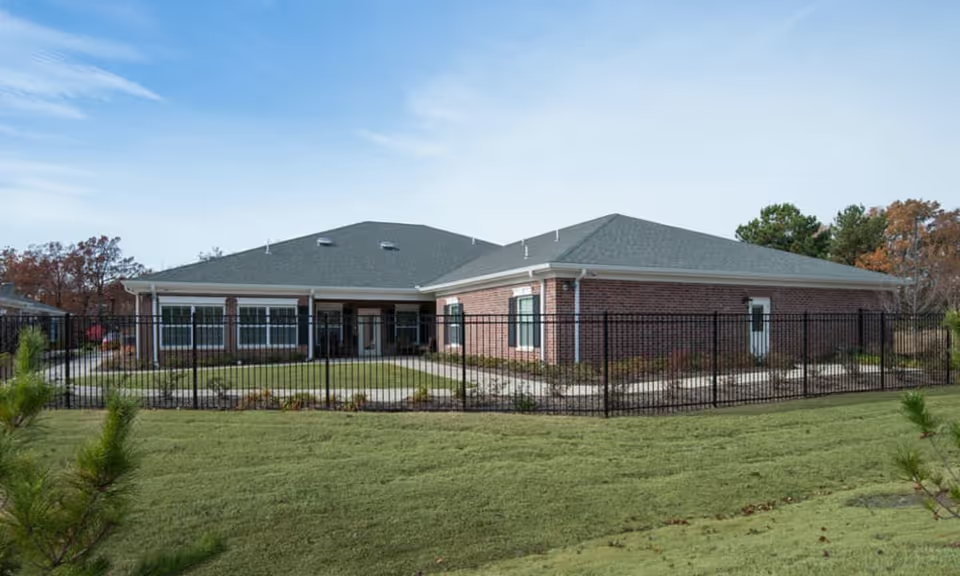
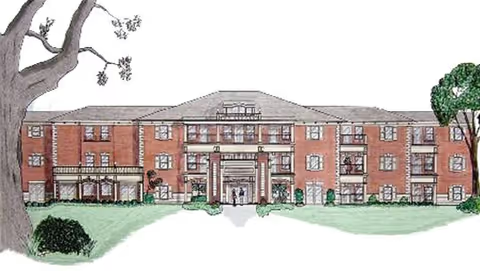
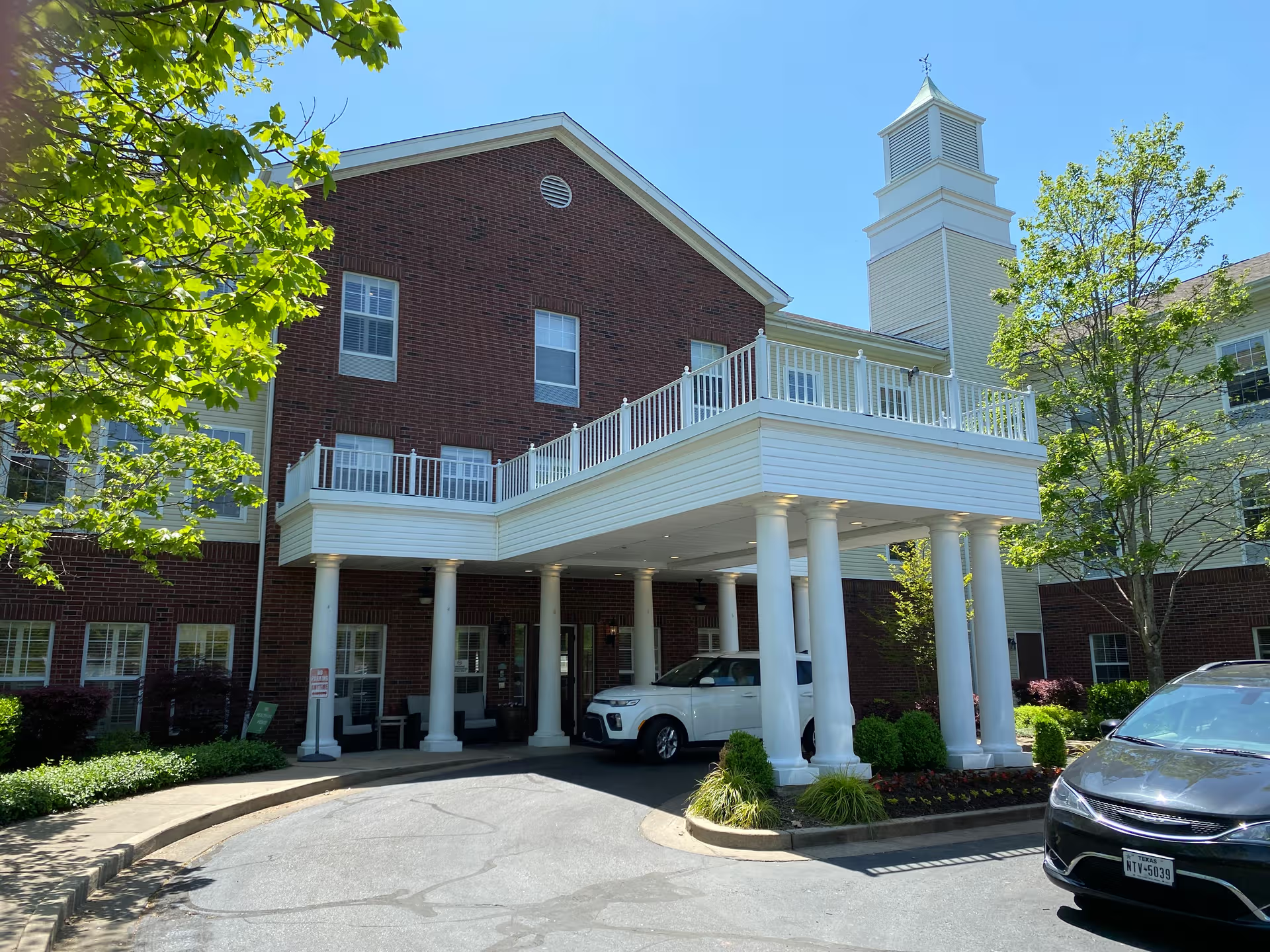
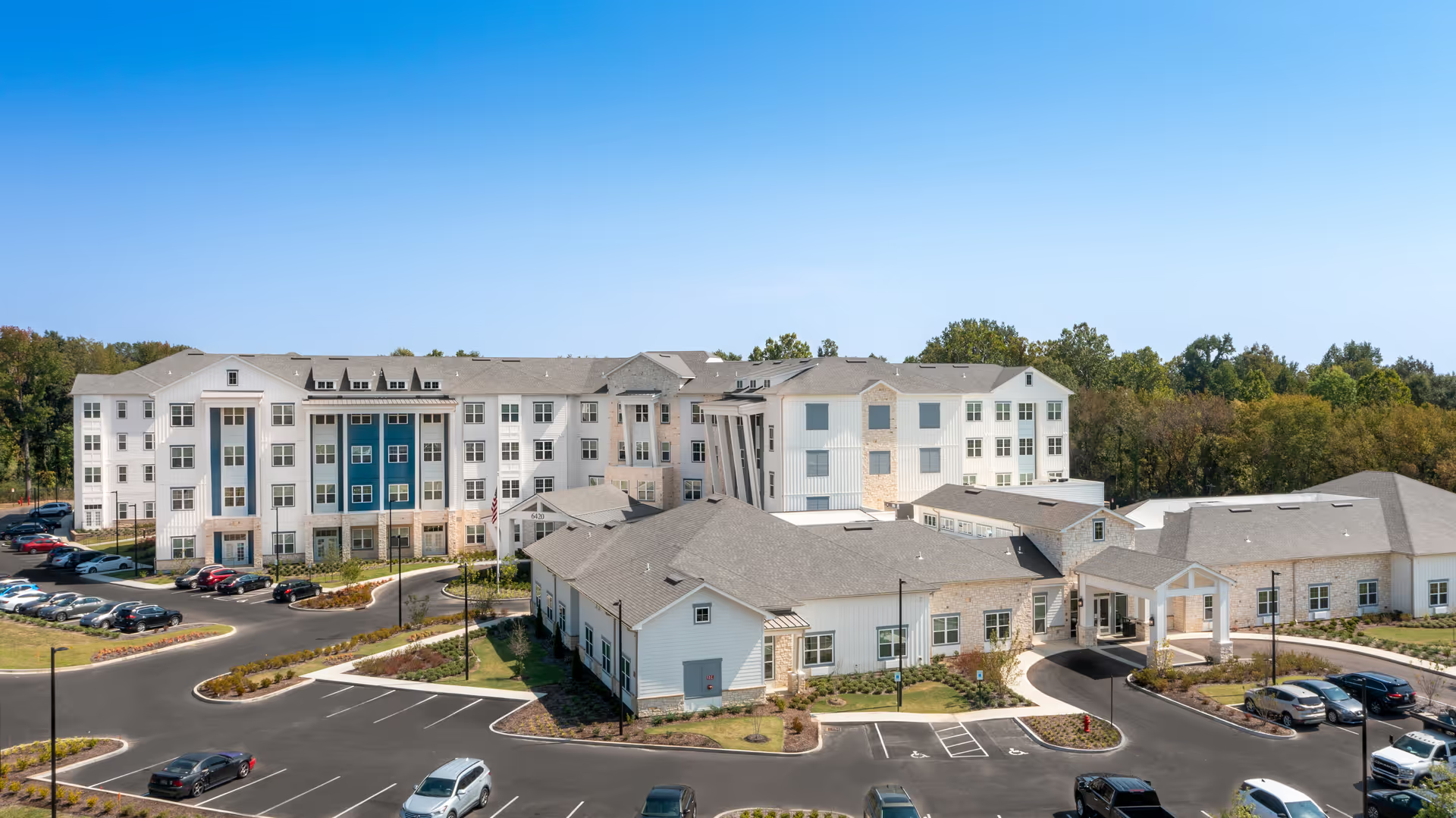
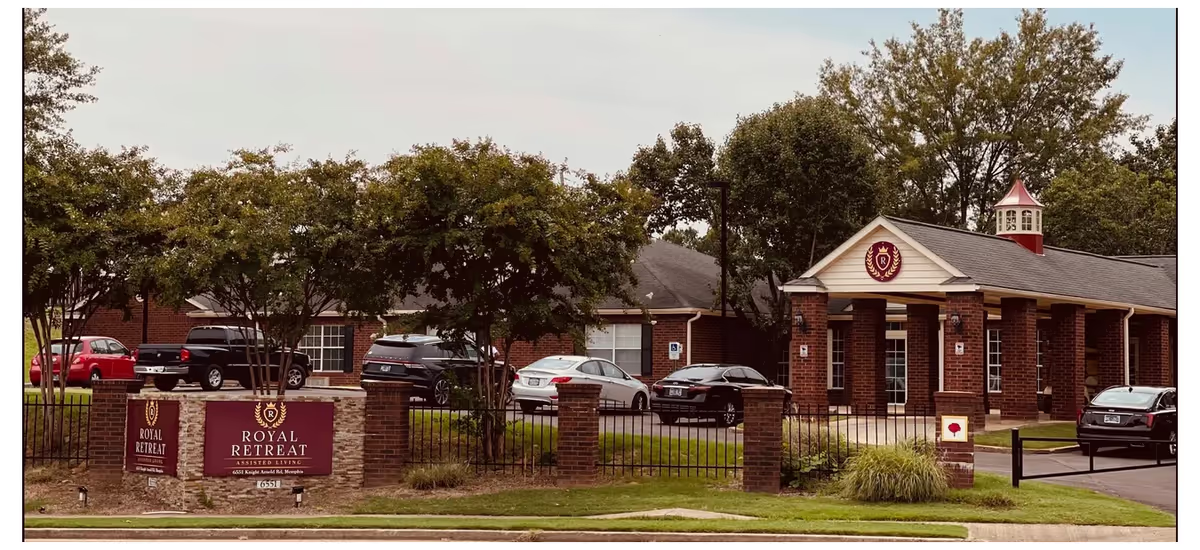
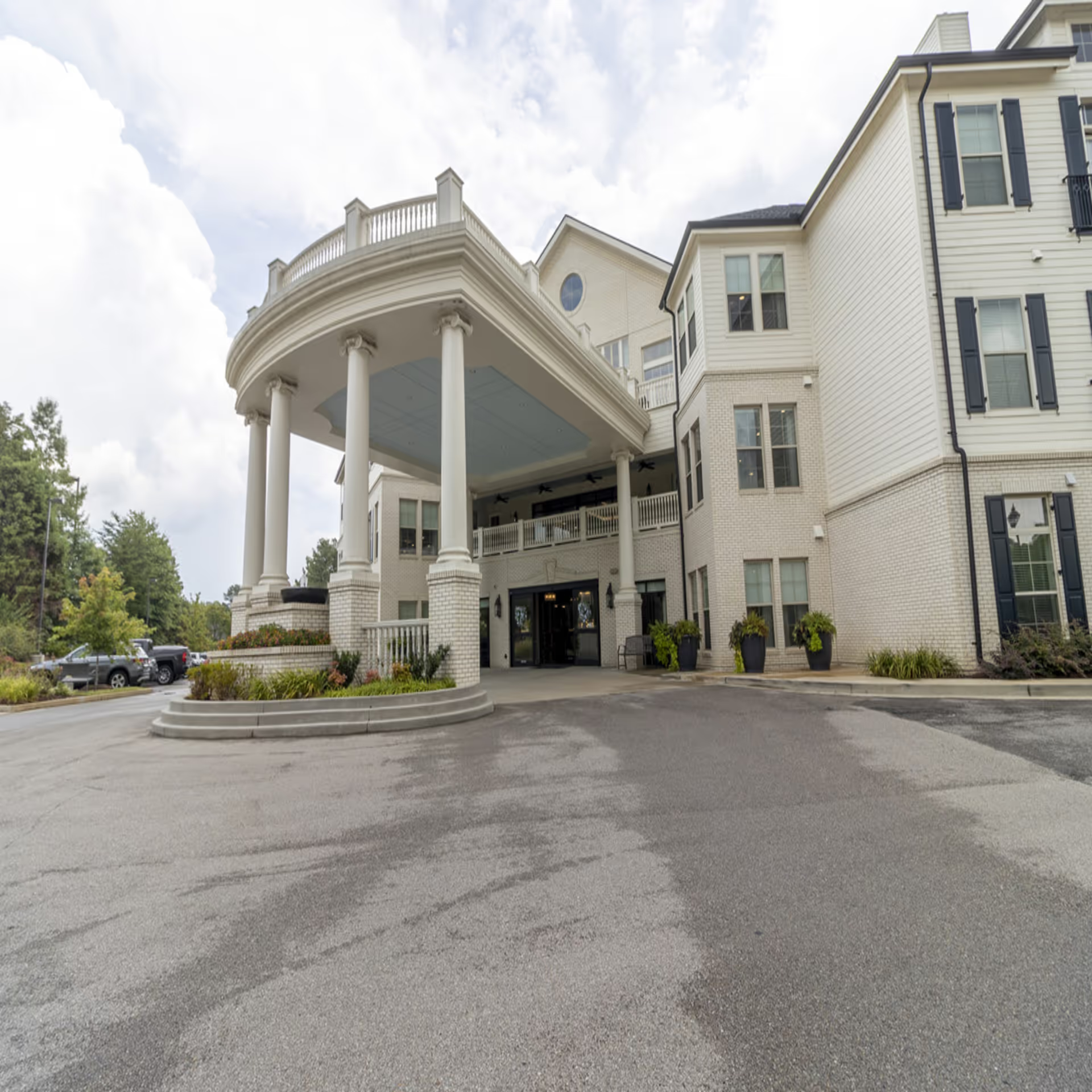
Brookdale Dogwood Creek presents as an upscale, amenity-rich senior living community with a strong resort-like presentation. Many families praised the modern decor, well-maintained grounds, and the breadth of on-site services — indoor saltwater pool with lift, fitness center, theater, salon, walking trails, and multiple social spaces — that support an active lifestyle. Private apartments in a variety of floor plans, private dining areas and courtyard spaces contribute to a hotel-like environment that appeals to independent and engaged residents.
Care quality and staff performance receive mixed but often positive commentary. Numerous accounts highlight courteous, attentive caregivers, experienced nursing leadership, and robust memory-care programming. On-site clinical resources such as 24/7 nursing, rehabilitation (PT/OT), and weekly geriatric physician visits were repeatedly cited as strengths; several families reported improved nutrition and functional gains after transition. At the same time, a recurrent operational pattern involves staffing instability: high turnover and weaker coverage during nights and weekends were described, and these gaps have been associated with delays responding to call buttons and other care requests. Training and competence appear variable between shifts, and some families indicated the need for supplemental private help for higher-acuity needs.
Dining and food service are frequently highlighted as a selling point. The community offers restaurant-style dining, expansive daily menus, fresh-cooked meals, and diet-specific options that many residents and families described as high quality. However, reviewers also noted variability in meal experience: memory-care dining was described as less consistent in quality, occasional cold or poorly timed service was reported, and the standard fee structure may not include all meals, with supplemental charges for certain services.
Activity programming and resident engagement are clear strengths for many residents. The calendar typically includes happy hours, games, clubs, field trips, and transportation to shopping and appointments — valuable for socially active residents. That said, activity offerings for higher-acuity or memory-care residents were described as less consistent in some accounts, and the physical size of the campus can make mobility and participation more challenging for residents with limited stamina or cognition.
Facility maintenance and housekeeping drew generally favorable comments about cleanliness and upkeep, particularly in common areas and newer sections. Nevertheless, several reviewers noted cleanliness inconsistencies, dated finishes in older wings, and areas where carpeting or painting could benefit from updates. Some families described slow follow-through on maintenance or corporate-level improvements.
Administrative and management patterns are mixed. Many reviewers praised responsive directors, helpful admissions staff, and smooth move-ins; others experienced billing disputes, extra charges, deposit/refund difficulties, and front-desk communication problems. There are isolated but serious allegations concerning missing personal items and restricted access incidents; these were raised in a small number of accounts and stand apart from more routine operational concerns. Overall, management responsiveness appears variable: some families report prompt corrective action, while others found follow-up lacking.
In summary, Brookdale Dogwood Creek offers a high-amenity, clinician-supported environment that suits active independent living and many assisted- and memory-care needs. Prospective residents and families should weigh the strong programmatic and dining features against recurring operational concerns: ask detailed questions about staffing by shift, average response times to call systems, what is included in the monthly fee versus billed à la carte services, housekeeping schedules, memory-care activity offerings, and recent corrective actions for any maintenance or administrative issues. A visit at different times of day (including evenings and weekends) and direct conversations with current residents and clinical leadership can help clarify whether the community’s staffing patterns and service levels match an individual’s care needs and budget.