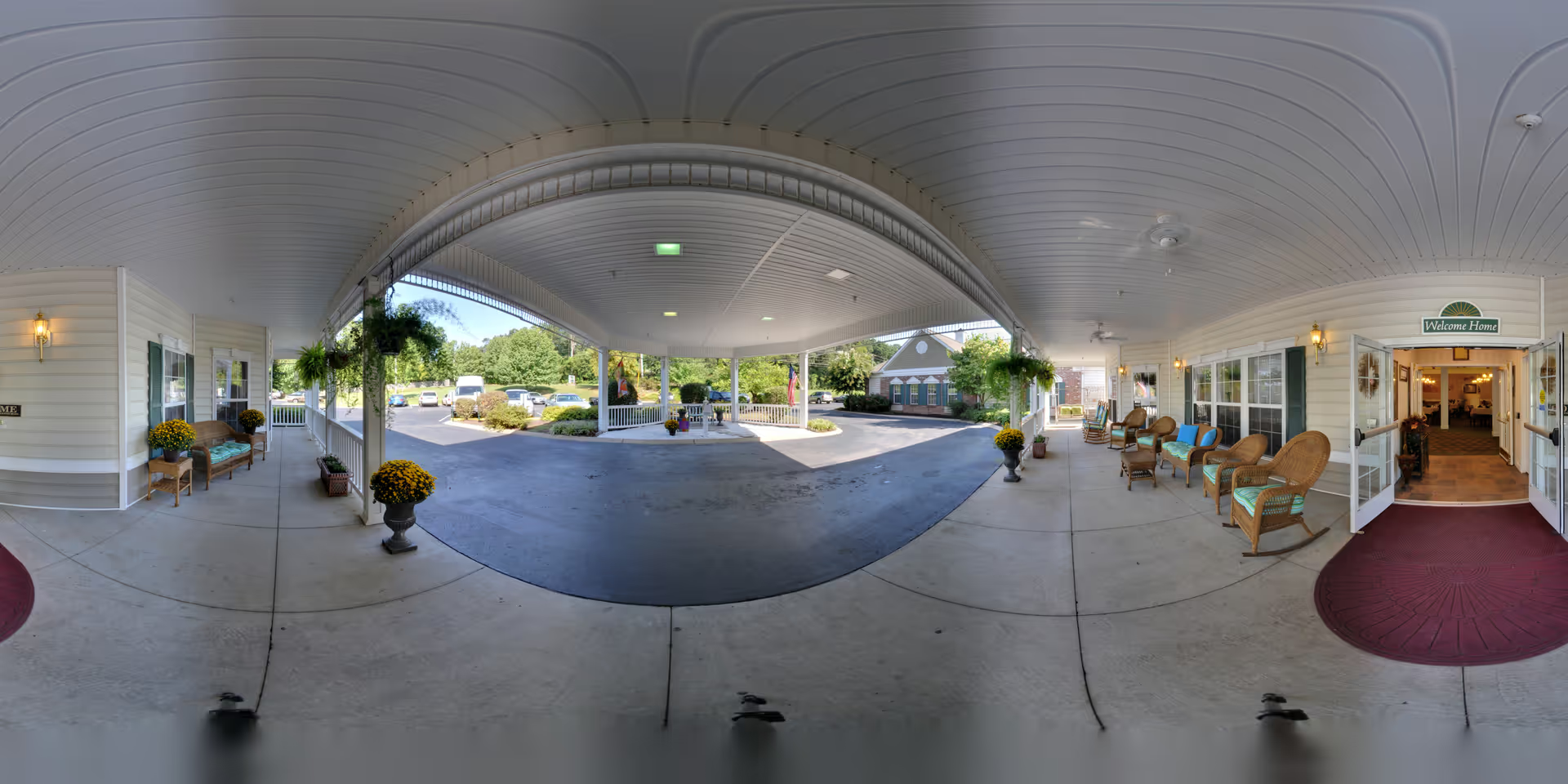
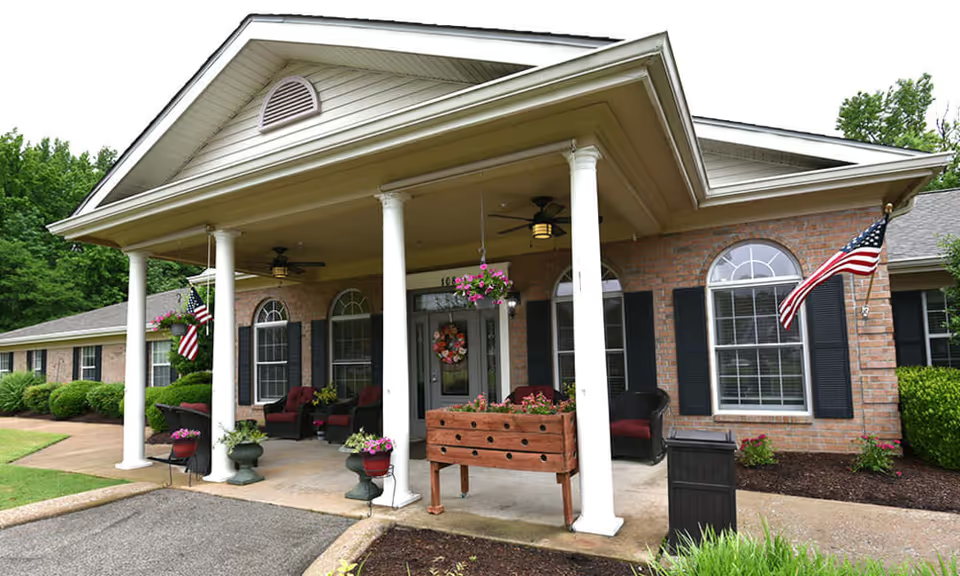
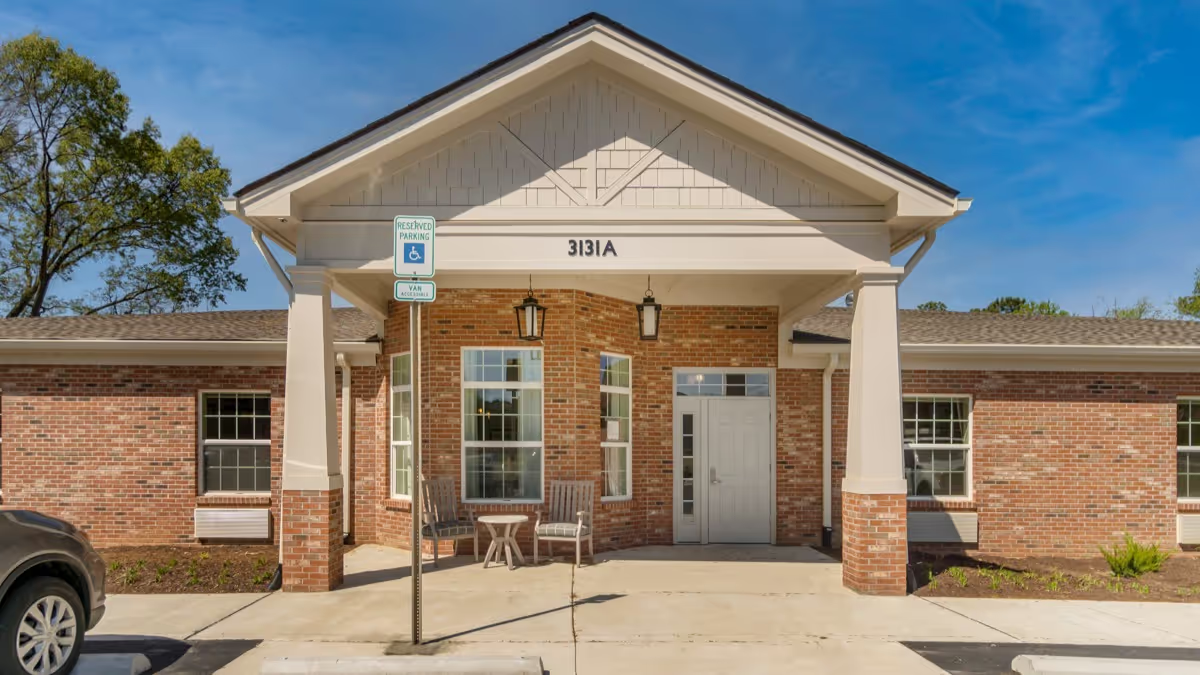
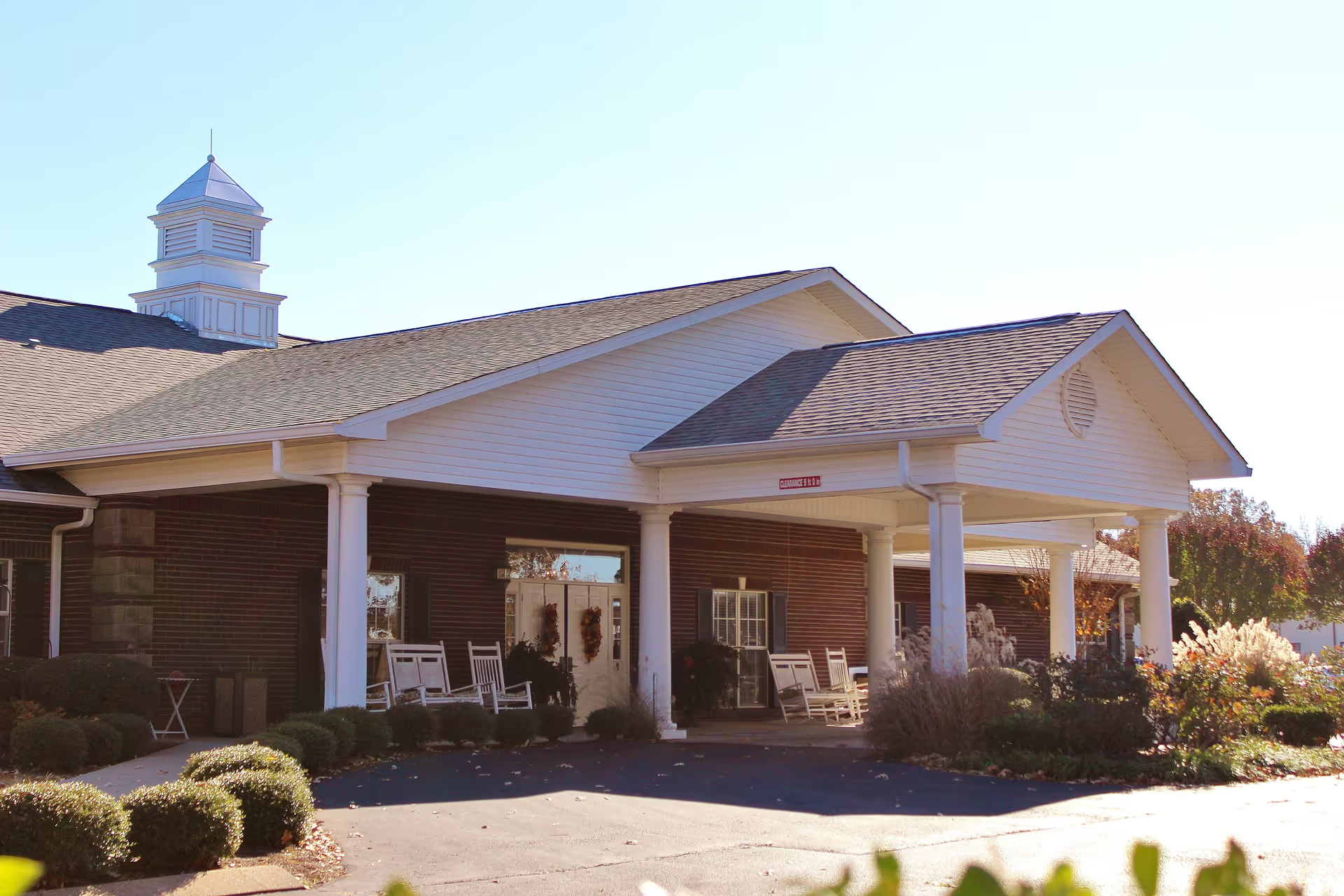
Overall impression: Jackson Meadow presents as a well-appointed independent living community with many consistently noted strengths, including clean renovated interiors, a variety of apartment sizes, attractive common spaces and grounds, and a sociable resident culture. Many residents and families praise the dining experience, the visible efforts of maintenance staff, and the breadth of scheduled social and spiritual activities. For prospective residents seeking independent living without intensive clinical needs, the community’s combination of all-inclusive pricing, restaurant-style meals, and active programming is a clear draw.
Care and staff: Review feedback emphasizes caring, personable direct-care and service staff. Commenters describe attentive interactions, staff who learn residents’ names, and maintenance responses that are timely and proactive. Waitstaff and kitchen personnel are frequently characterized as professional, contributing to a restaurant-like dining experience. At the same time, reviews identify operational pressure points: staffing levels that lead to task-shifting, front-desk responsibilities being used to cover other operational needs, and periodic lapses in responsiveness to family calls. These patterns suggest strong day-to-day caregiving in many areas, with vulnerabilities when staffing is stretched or when leadership communication is inconsistent.
Dining: Dining is a prominent positive, with a professional chef, multiple menu choices, three daily meals included in many leases, and elevated service (including described butler-style elements). While many residents find the food satisfying and varied, there are recurring notes about limitations for special-diet requirements and occasional inconsistency in menu variety. Prospective residents with strict therapeutic diets or advanced nutritional needs should verify menu accommodation and flexibility prior to move-in.
Activities and social life: The activity program is broadly robust, including exercise classes, worship and Bible study, games, musical events, outings, and a regular calendar of social opportunities. An activities director who knows residents by name and an engaged transportation driver were singled out positively. A few reviewers described a period of adjustment to the rhythm of community life or said certain social offerings (notably dining engagement) were not a fit for every individual; this suggests activity participation may vary by resident preference and timing.
Facilities and accessibility: Physical updates and renovations are a clear strength — new carpet, paint, furnishings, and refreshed common areas are frequently mentioned. Apartments range from compact studios to larger two-bedroom units with private entries, porches, and ample natural light. The community offers amenities such as an on-site salon, laundry, and scheduled transportation. Reviewers do cite mixed experiences with accessibility in specific unit layouts (some units may be harder to navigate with certain mobility devices) and some disruption related to phased renovations. Importantly, Jackson Meadow appears oriented toward independent-living residents: several comments note limited on-site clinical or nursing coverage for higher-acuity needs.
Management and notable patterns: Review sentiment about leadership is mixed. Many families report informative, friendly outreach and a smooth move-in experience, while others describe customer-service lapses, unfulfilled expectations, and concerns about managerial conduct. There are even references to more serious allegations prompting consideration of external review; such points warrant direct follow-up during tours and conversations with management and, where appropriate, validation with regulatory or consumer-protection sources. Transportation reliability and the facility’s ability to accommodate special clinical and dietary needs are other recurring decision points.
Guidance for families: Jackson Meadow appears to be a strong option for independent seniors who prioritize social engagement, consistent meal service, and a renovated, comfortable environment. Prospective residents and families should prioritize an in-person tour that inspects the specific unit layout for accessibility, confirms the community’s capacity to meet any special-diet or medical needs, and seeks clear, written answers about staffing patterns, transportation schedules, and renovation timelines. Clarifying points of accountability and communications channels with management will help determine whether community operations align with a prospective resident’s expectations.