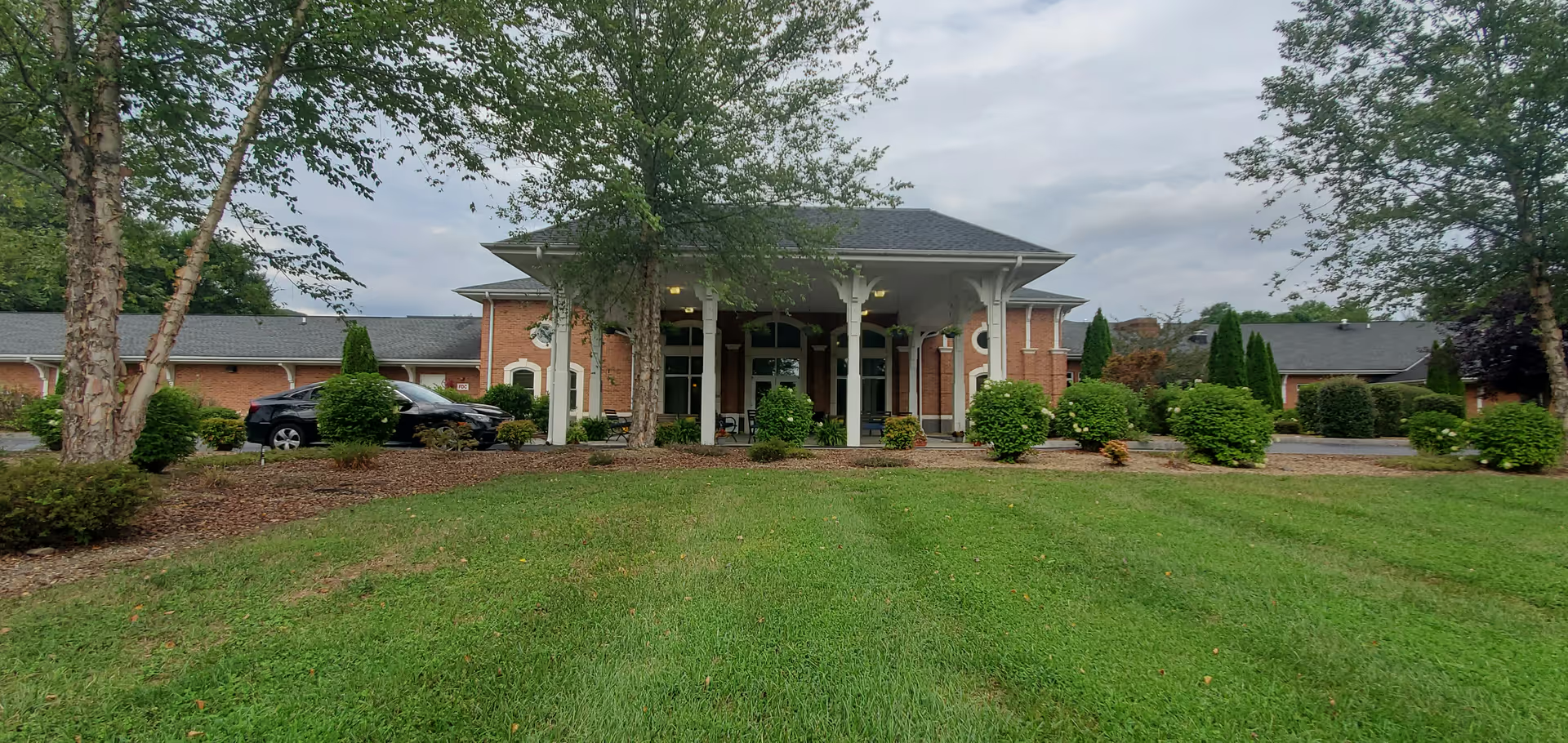
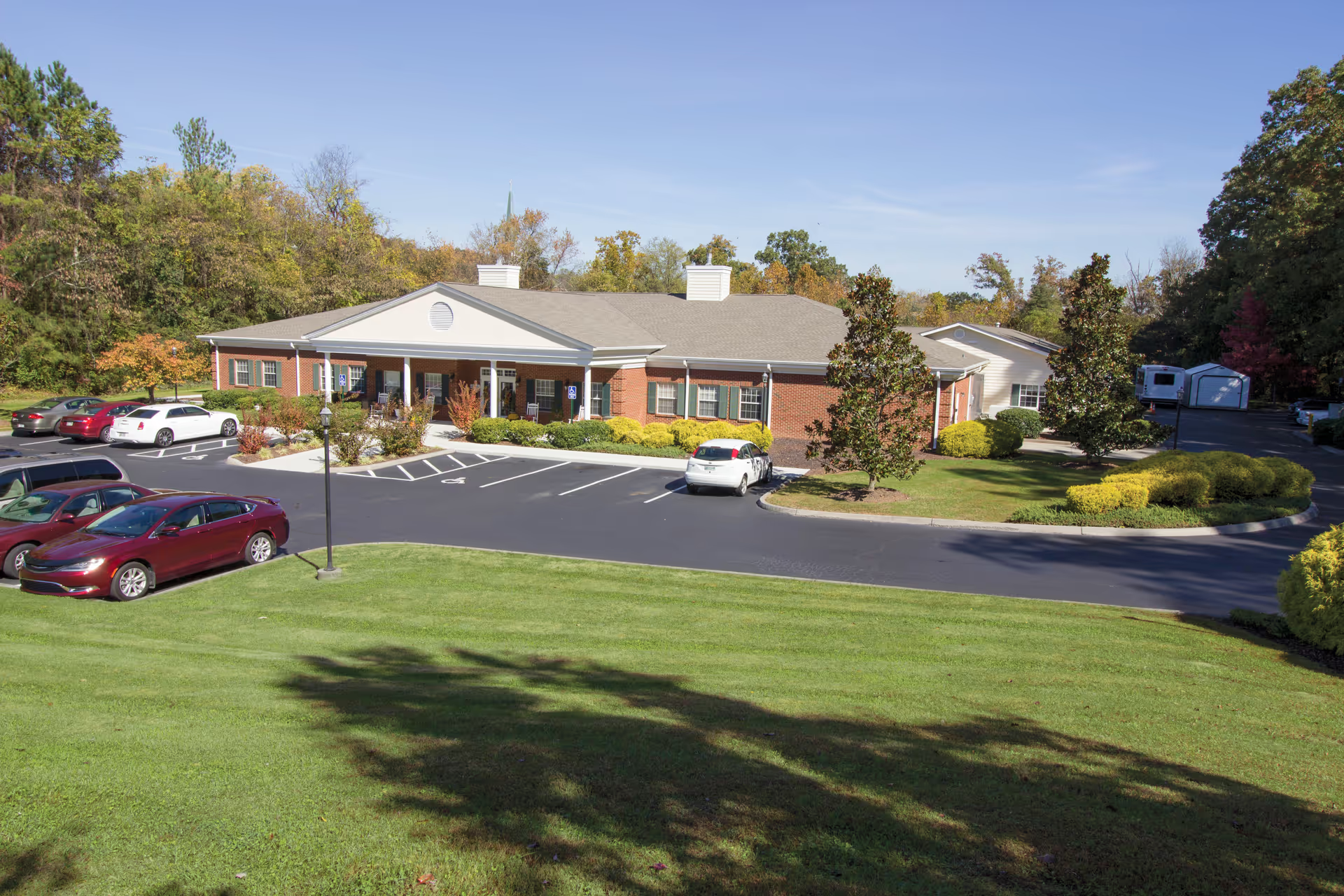
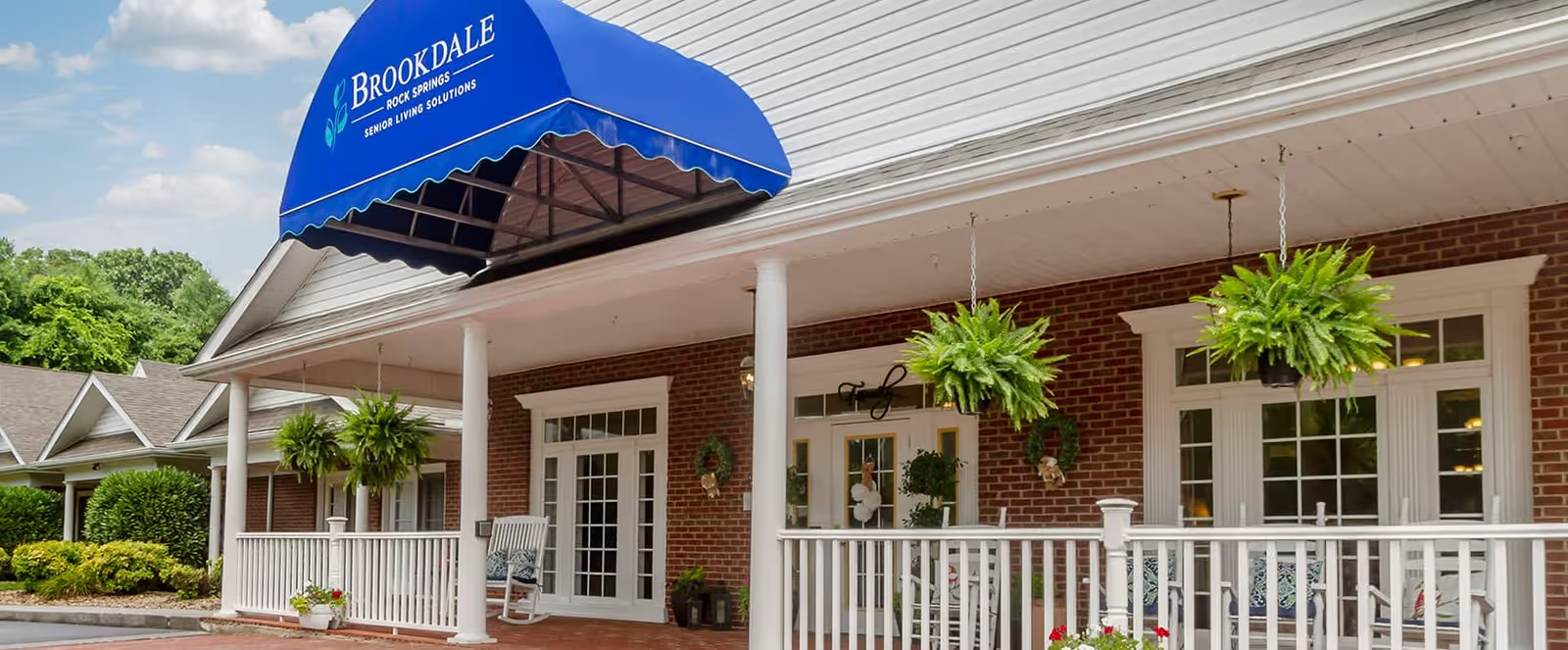
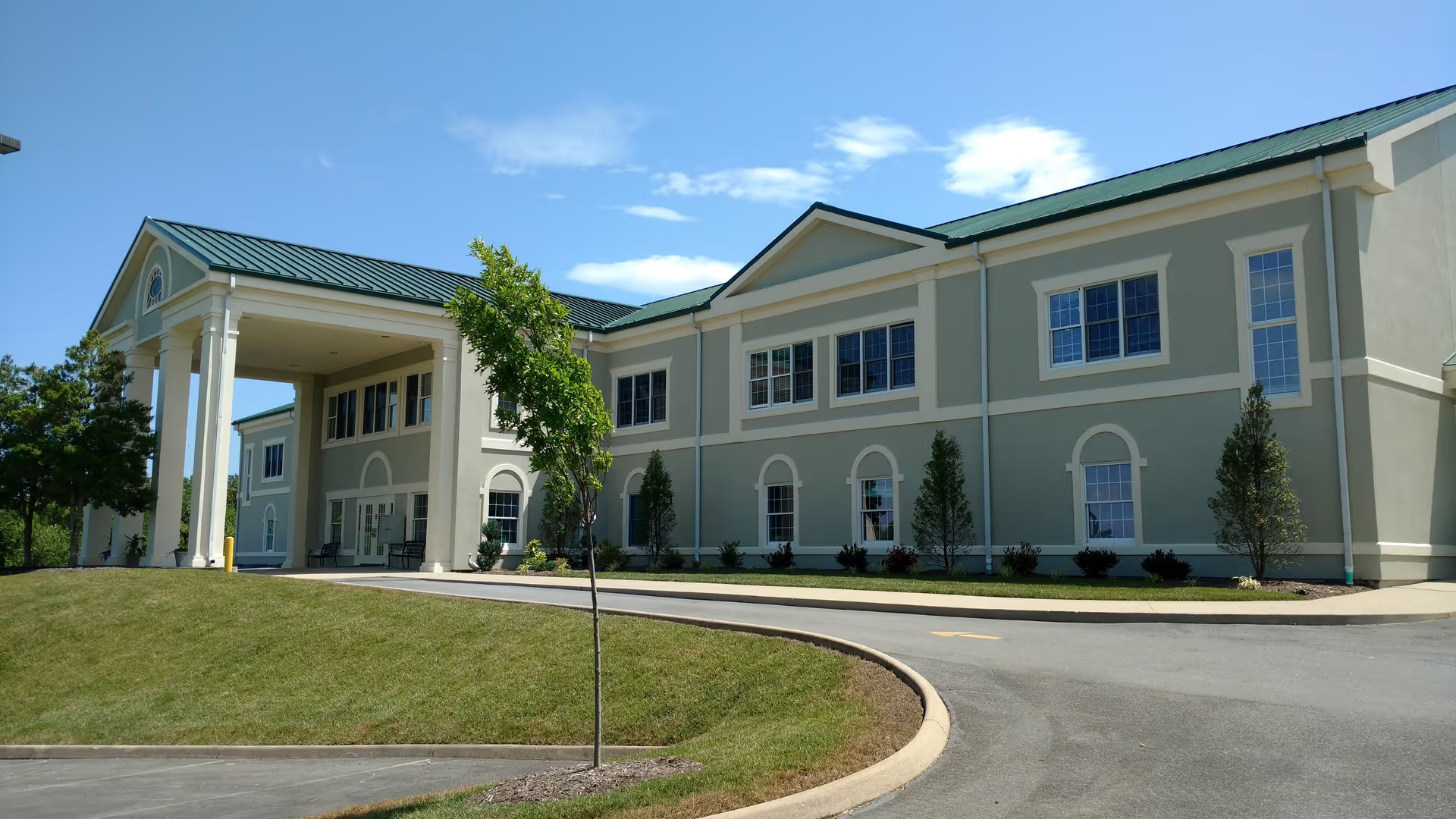
Brookdale Johnson City receives frequent praise for its clean, attractive campus and a range of amenities that include an interior courtyard and gardens, private rooms with en-suite bathrooms, an on-site salon, transportation, and therapy services. Many reviewers describe a small, home-like environment with respectful, warm interactions between staff and residents. The memory-care program (Clare Bridge) is repeatedly identified as a strength, with families noting structured redirection, specialized activities, and a secure, supervised outdoor area for residents with cognitive impairment.
Staff and direct care quality are commonly cited as assets. Numerous comments highlight caring, attentive, and professional caregiving and nursing teams, regular check-ins, and relational family communication that contributes to family peace of mind. At the same time, several reviewers describe operational inconsistencies: staffing can be thin during evenings and weekends, and some families experienced delays or gaps in clinical response and medication handling. A few reviewers described serious clinical concerns — including issues with glucose management and concerns following a resident's death — that are serious enough to recommend verification of clinical oversight during tour and intake.
Dining and activities are prominent positive themes. The dining program is often described as restaurant-style with choices and nutritious options; many residents enjoy breakfasts and live-music events. However, food quality appears variable: some describe excellent meals while others note occasions of poor quality. Activity programming is generally rich — arts and crafts, quilting, trips, music, church services and twice-weekly bus outings — though engagement and frequency were described as inconsistent at times, with some visitors noting diminished or limited activities during particular visits.
Facility operations and logistics show mixed signals. Housekeeping and laundry services are available and commonly used, but there are recurring mentions of laundry handling problems, misplaced clothing, and uneven housekeeping attention. Physical plant attributes are largely favorable — attractive courtyard, comfortable common areas, piano and porches — but some units are compact and parts of the building are older; families should evaluate unit size and accessibility. A few practical issues were noted such as lack of automatic doors and occasional dark hallways in memory-care corridors.
Management and cost considerations warrant attention during the decision process. Many families praised follow-up, openness to family involvement, and long-tenured staff; others experienced intermittent leadership absence and communication gaps. Pricing and extra-charge practices are described as higher than some families expected, with variable rate adjustments noted; prospective residents should obtain a clear, written summary of what is included and what generates additional fees. Overall, the dominant pattern in these summaries is a facility with strong person-centered staff and robust memory-care programming, tempered by operational variability in staffing, clinical oversight, housekeeping/laundry processes, and occasional management availability. Visitors and prospective families are advised to focus tours on clinical oversight (medication and glucose management), staffing ratios during evenings/weekends, sample-meal visits, activity calendars in practice, and documentation of fees before deciding.