Brookdale Colonial Heights receives predominantly positive feedback for attentive care and a welcoming, family-oriented atmosphere. Families commonly describe staff as kind, respectful, and responsive, with nursing and care teams helping residents settle in, manage medications, maintain routines, and address changing needs. Several families value regular updates and quick follow-up from administrators. Reviewers also describe support during hospice and end-of-life care, and some report positive experiences caring for residents with dementia. One critical memory-care account raised concerns about staffing coverage, supervision, routine personal-care checks, and the availability of activities; these concerns differ from many other accounts of attentive care. Families considering memory care may wish to ask about current staffing, supervision practices, and individualized care plans.
Dining feedback is generally favorable, with residents and families praising meals, homemade food, and the range of options. Some residents reportedly enjoy the food enough to eat more consistently. However, opinions are not uniform: a few families were less satisfied with food or activities, and one memory-care account questioned whether meals were suited to residents with cognitive and utensil-use challenges. Prospective families may want to review menus and ask how meal choices are adapted to residents’ needs.
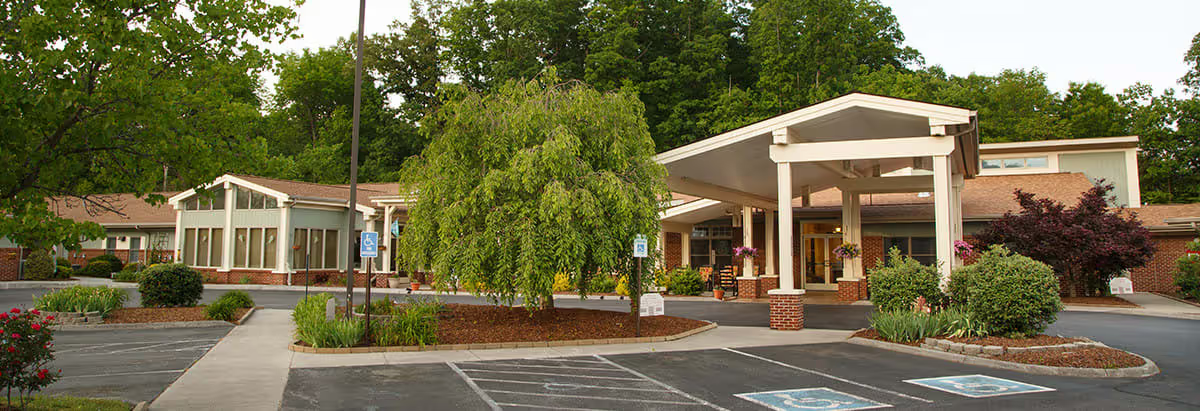
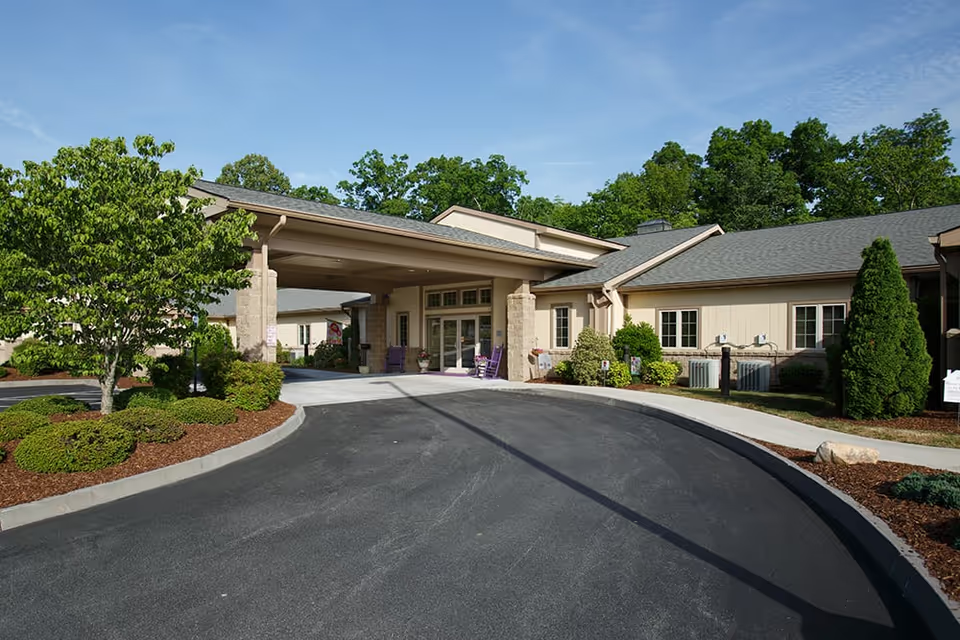
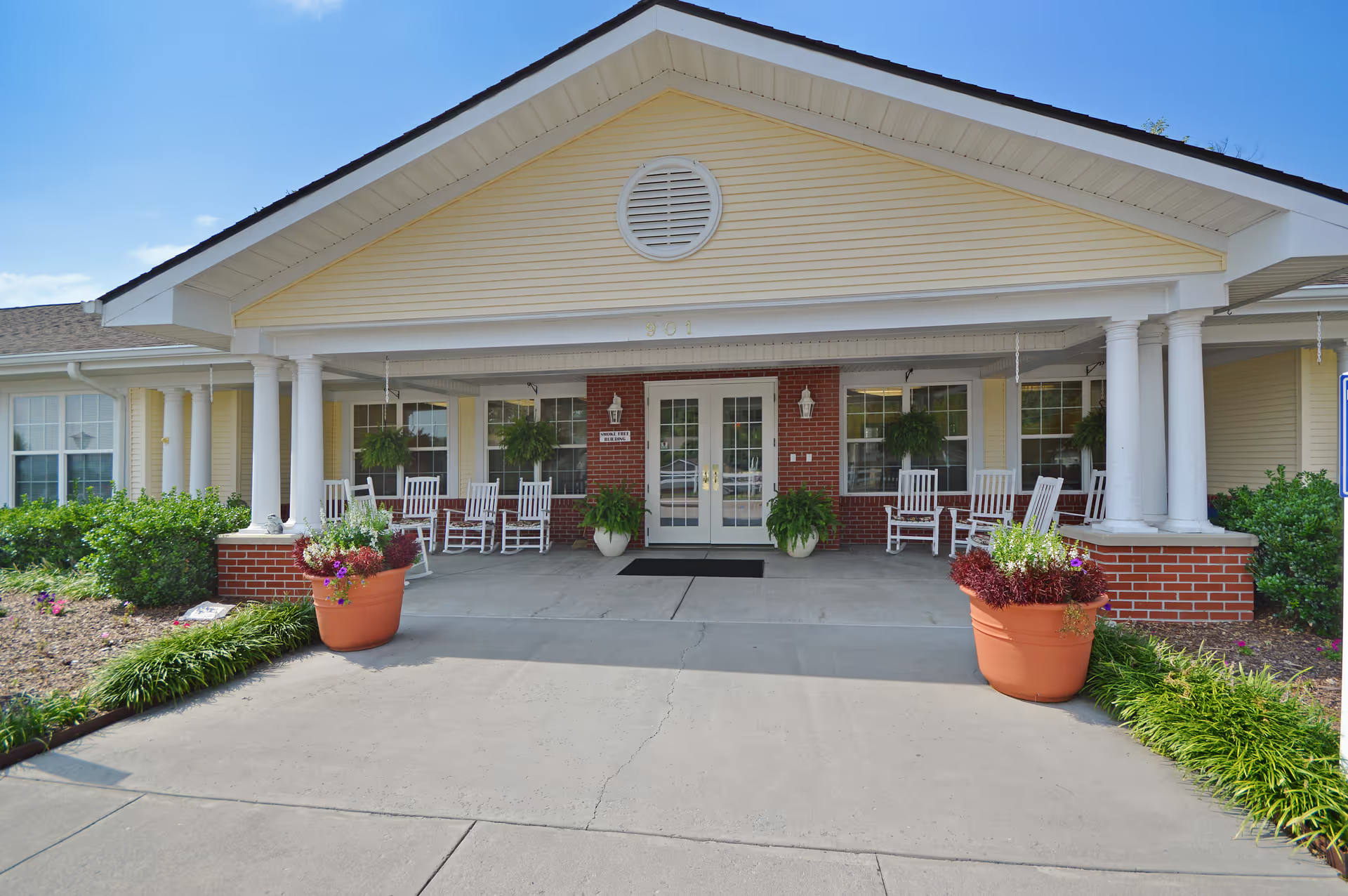
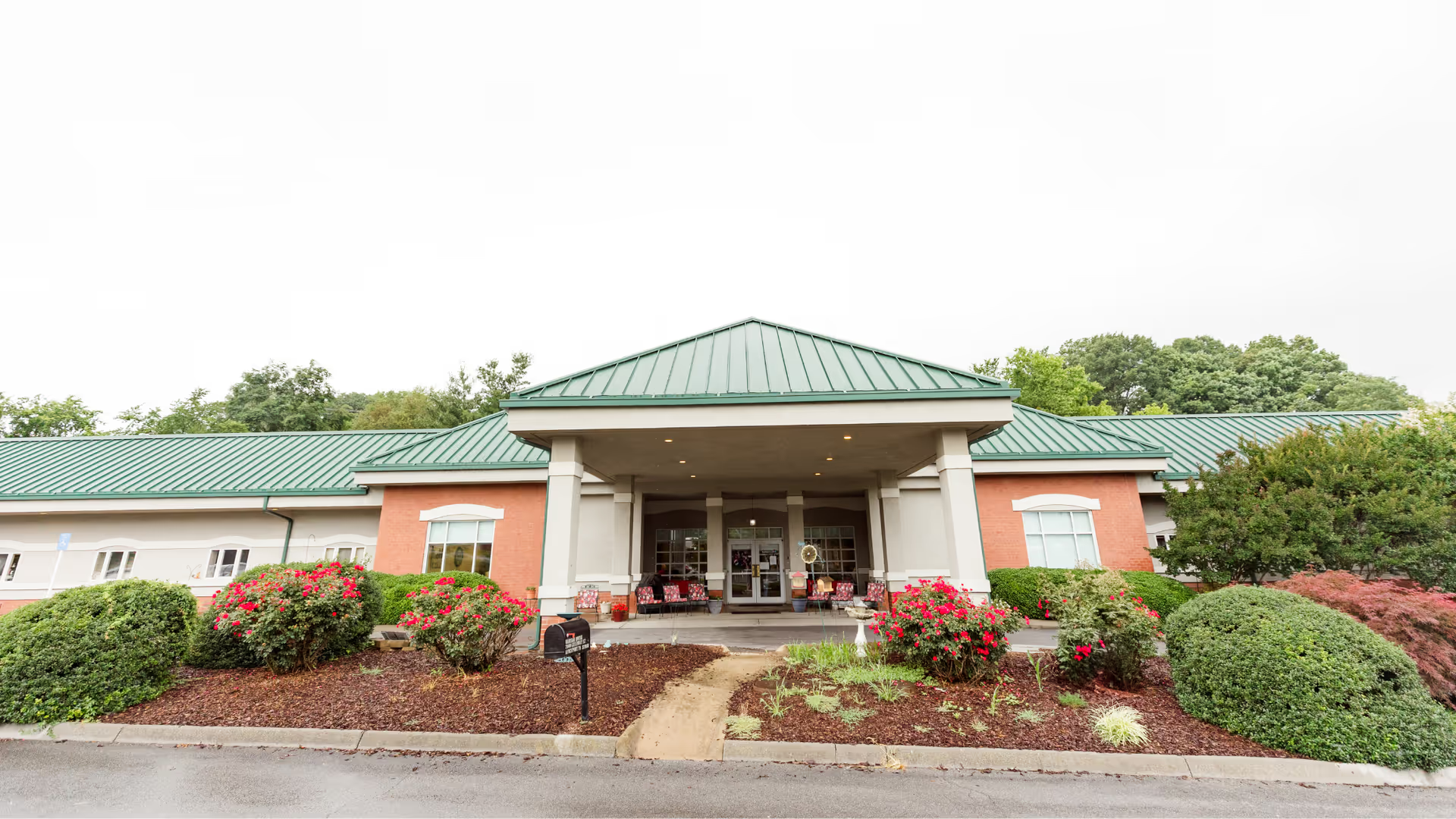
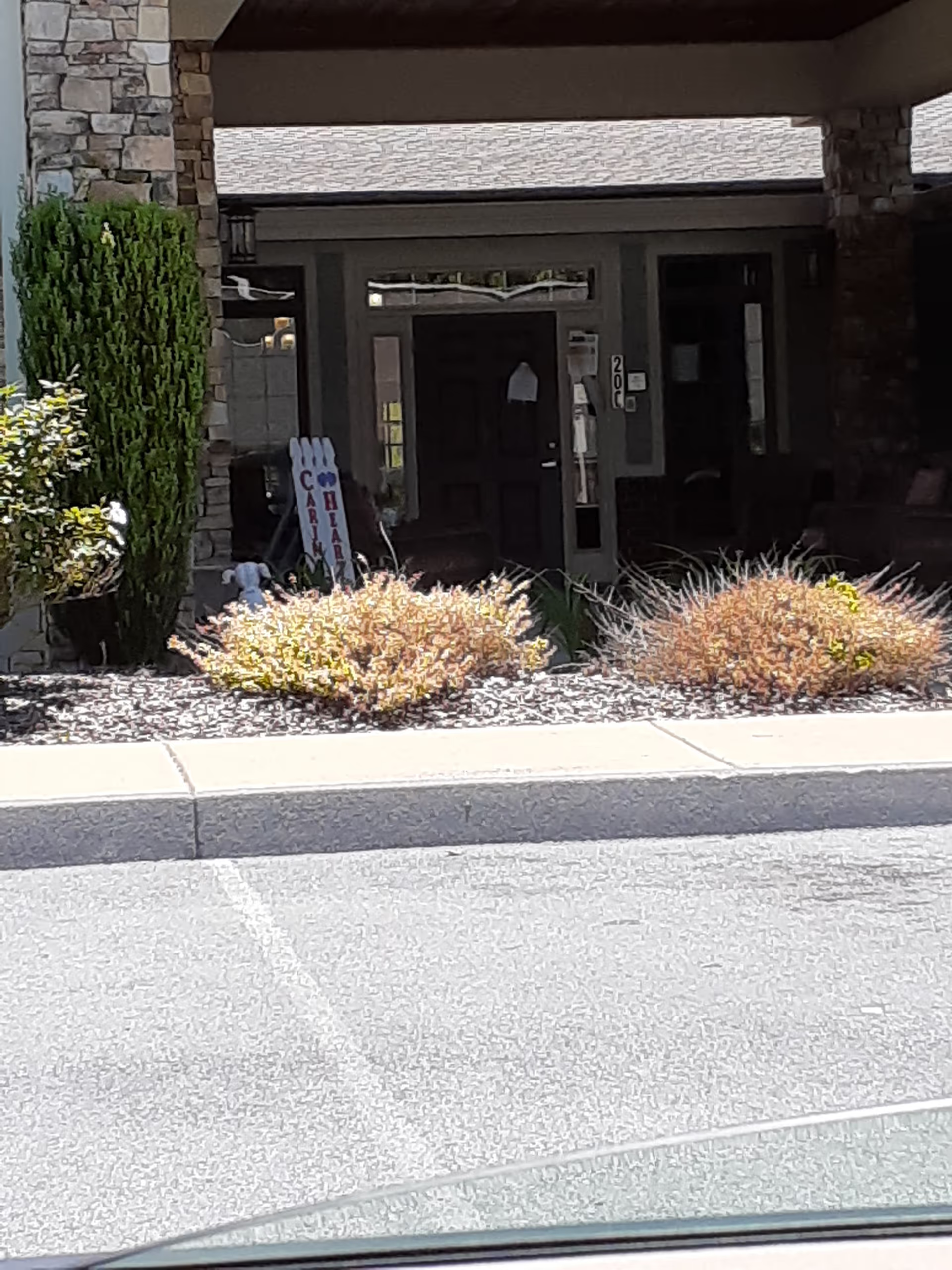
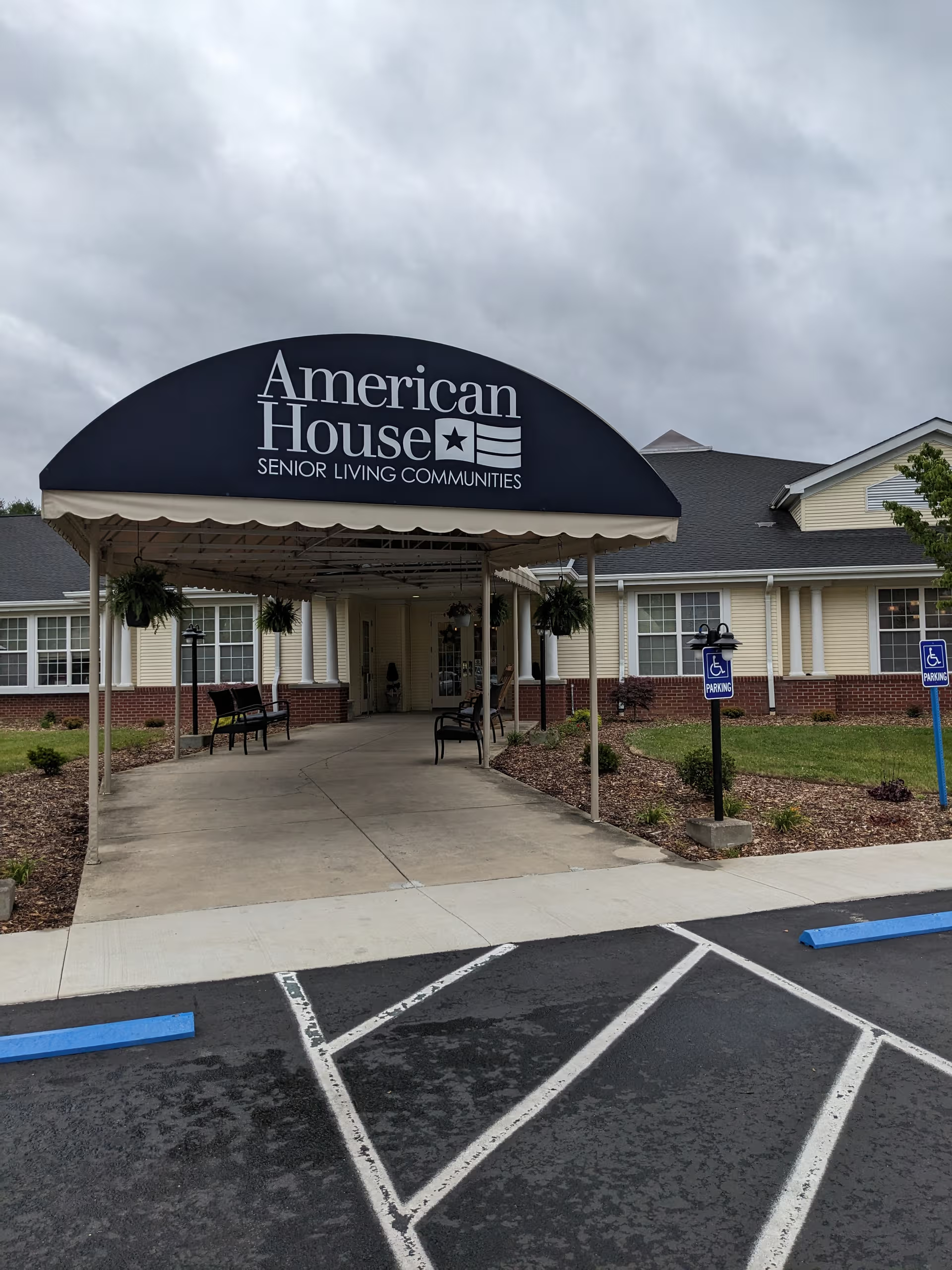
The community is often described as clean, attractive, and comfortable, with a courtyard, common areas, activity and exercise spaces, and apartments that many visitors found spacious and home-like. The separate assisted-living and secured memory-care areas can support changing care needs without requiring a move to another community. Some visitors felt the overall layout or room configuration could be challenging for residents with mobility or wayfinding needs, and one family found the community larger than ideal for their relative. Parking was also a concern for some visitors, while the secured, continuously locked entrance was viewed as beneficial for safety but less convenient for visits.
Activities mentioned include games, bingo, crafts, music, outings, exercise, religious services, and seasonal events. Many families describe residents as socially engaged, while other accounts raise questions about the consistency of activity participation, particularly in memory care. Admissions and management interactions are frequently praised for being informative, accommodating, and helpful during difficult transitions; one family also valued receiving guidance when the community was not financially suitable. Costs and fees may be a limiting factor, and one reviewer noted that fees were not all-inclusive. Overall, the feedback suggests a strong emphasis on personal relationships and family communication, alongside practical questions about care coverage, memory-care programming, layout, access, and total cost that families should explore during a visit.