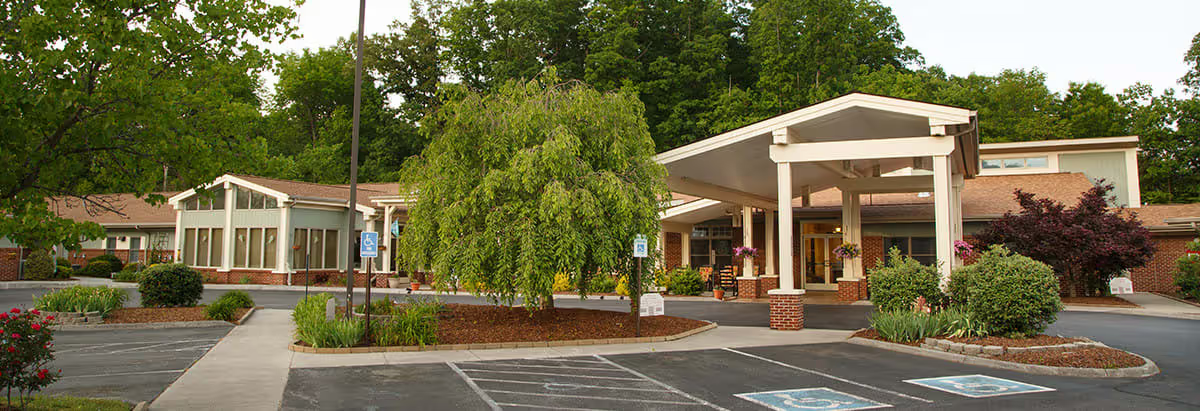
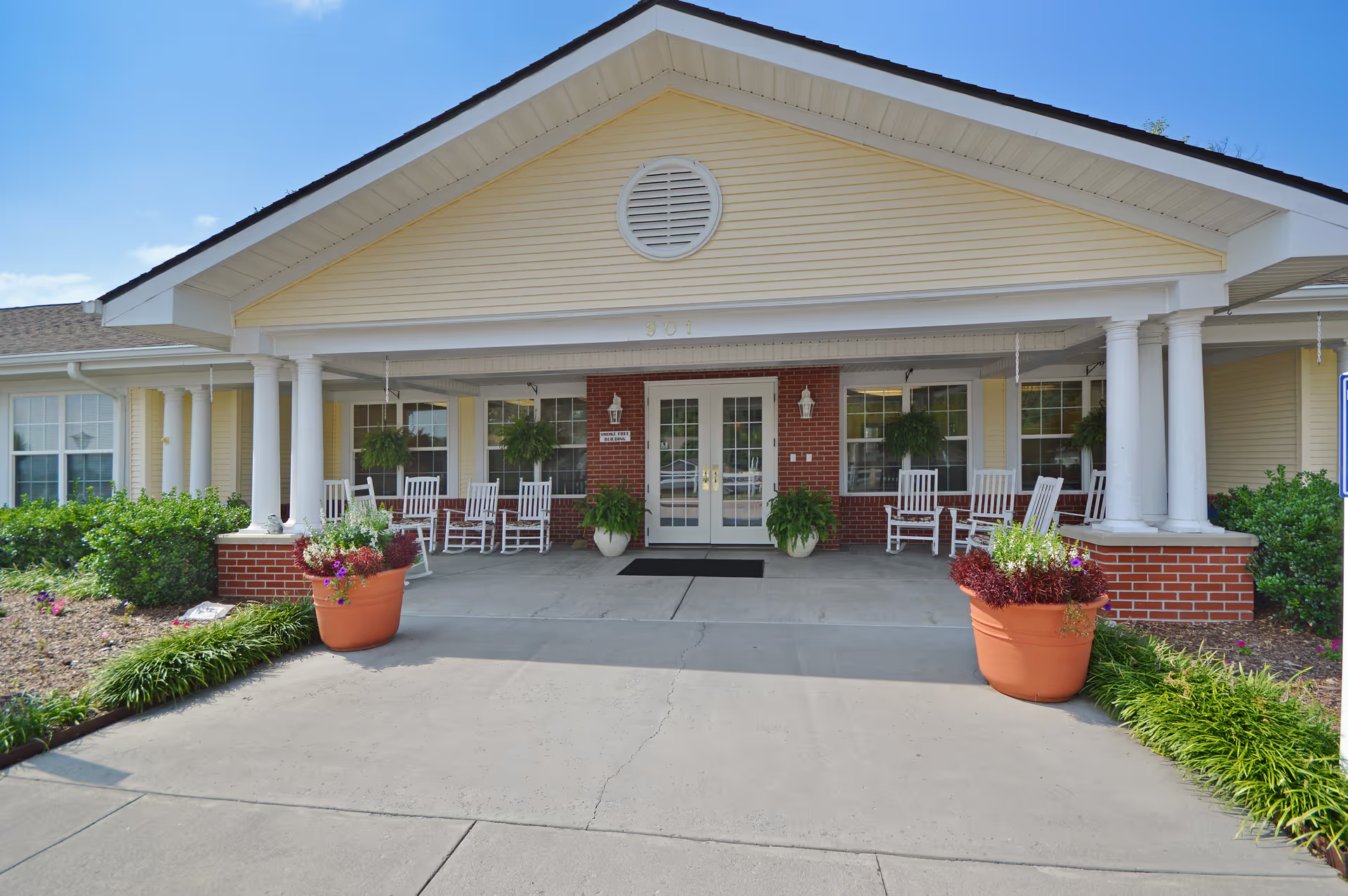
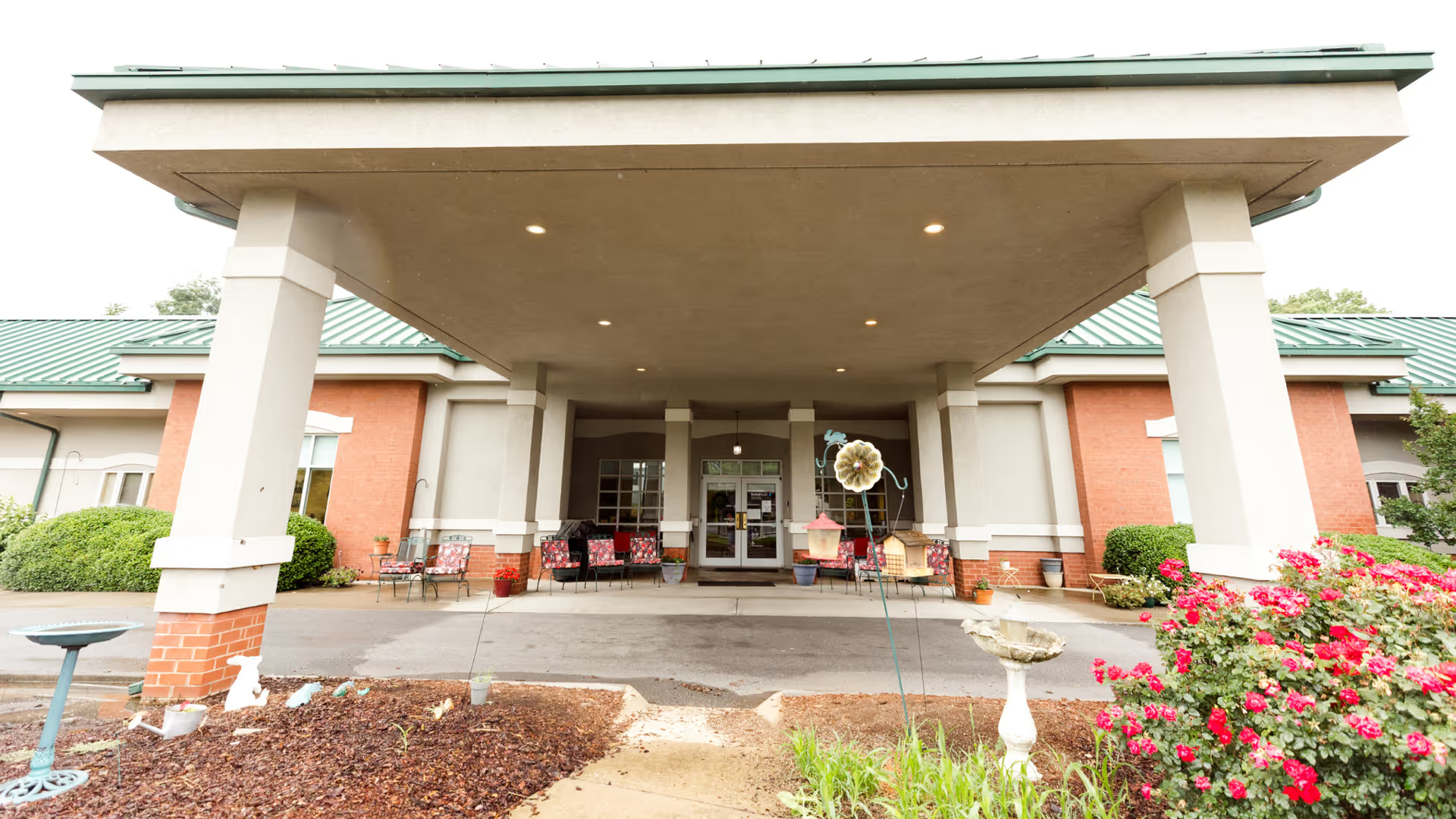
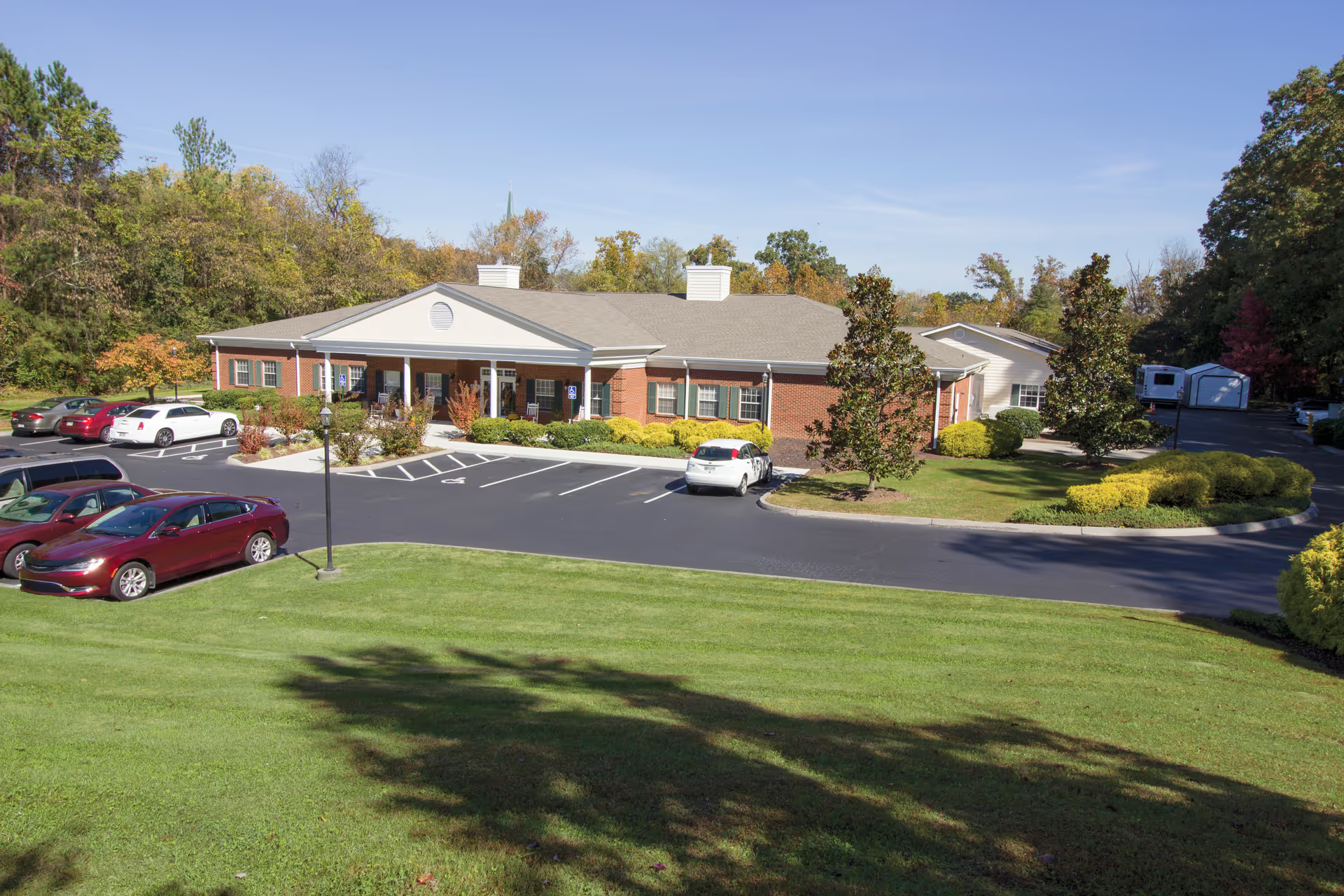
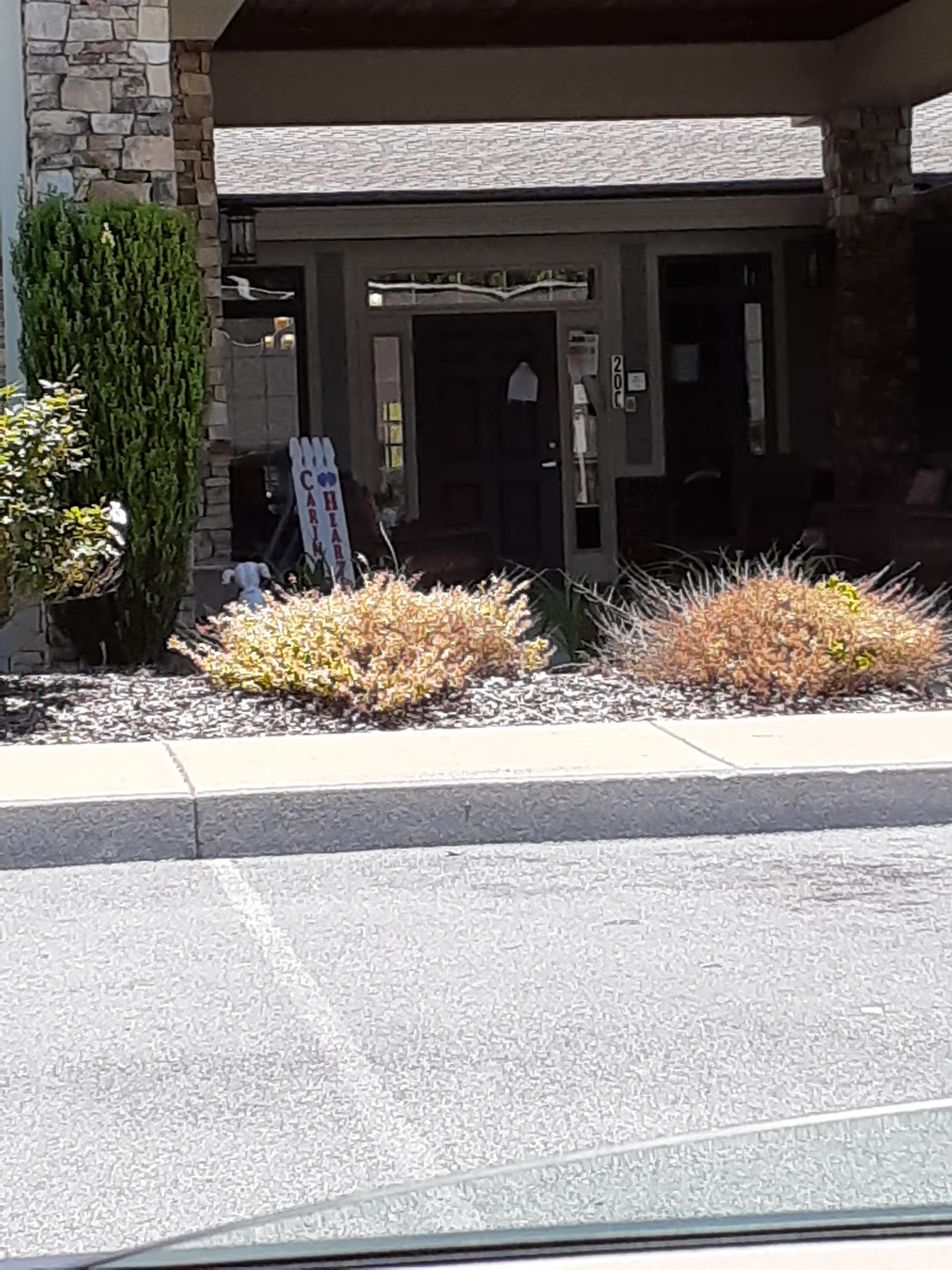
Preston Place II presents as a small, memory-care–focused community with a strong emphasis on relationship-based caregiving. The facility’s 37-resident scale, home-like common areas (sunroom, garden, big-screen TVs) and a consistently clean presentation support a non-clinical atmosphere that reviewers describe as welcoming and cheery. Many families highlight that the environment feels domestic rather than institutional, which appears to support resident socialization and comfort.
Care quality and staffing are among the facility’s primary strengths. Reviewers consistently describe staff as caring, attentive, and communicative; nursing staff are characterized as knowledgeable and effective in clinical tasks. The administration is generally described as engaged and supportive, and staff often build strong daily relationships with residents. Communication with families — including those who live at a distance — is repeatedly noted as a positive feature.
Dining is another repeated strength. Meals are described as appetizing, varied, and nutritious; several reviews note positive impacts on resident weight and appetite. Food presentation and aroma were mentioned positively, and dietary choices appear serviceable for memory-care residents.
Programming and social activity are active and resident-centered. The facility offers a range of voluntary activities (painting, puzzles, gardening, movies with snacks, group gatherings) intended to encourage engagement without pressuring participation. Reviewers emphasize frequent opportunities for socialization and meaningful daily routines.
The facility’s small size and memory-care focus shape both advantages and limitations. The compact scale contributes to the homelike feel and close staff–resident relationships, but it also implies constrained capacity for residents who require full mobility assistance or highly specialized medical services. Prospective families should confirm the facility’s transfer and mobility policies during a visit.
Notable patterns of concern are limited but present. A few reviewers described occasional lapses in administrative follow-up or responsiveness after tours or queries, and there are isolated concerns about staff communication tone. These appear to be intermittent rather than systemic, but they are worth probing during inquiry and visits. Overall, the balance of commentary is positive: Preston Place II is consistently praised for compassionate, attentive memory-care, good meals, active programming, and a clean, home-like setting. Prospective residents and families — particularly those seeking an engaged, small-scale memory-care environment for ambulatory residents — will likely find its strengths align with those priorities; families needing comprehensive mobility assistance or extensive specialized medical services should confirm capabilities before committing.