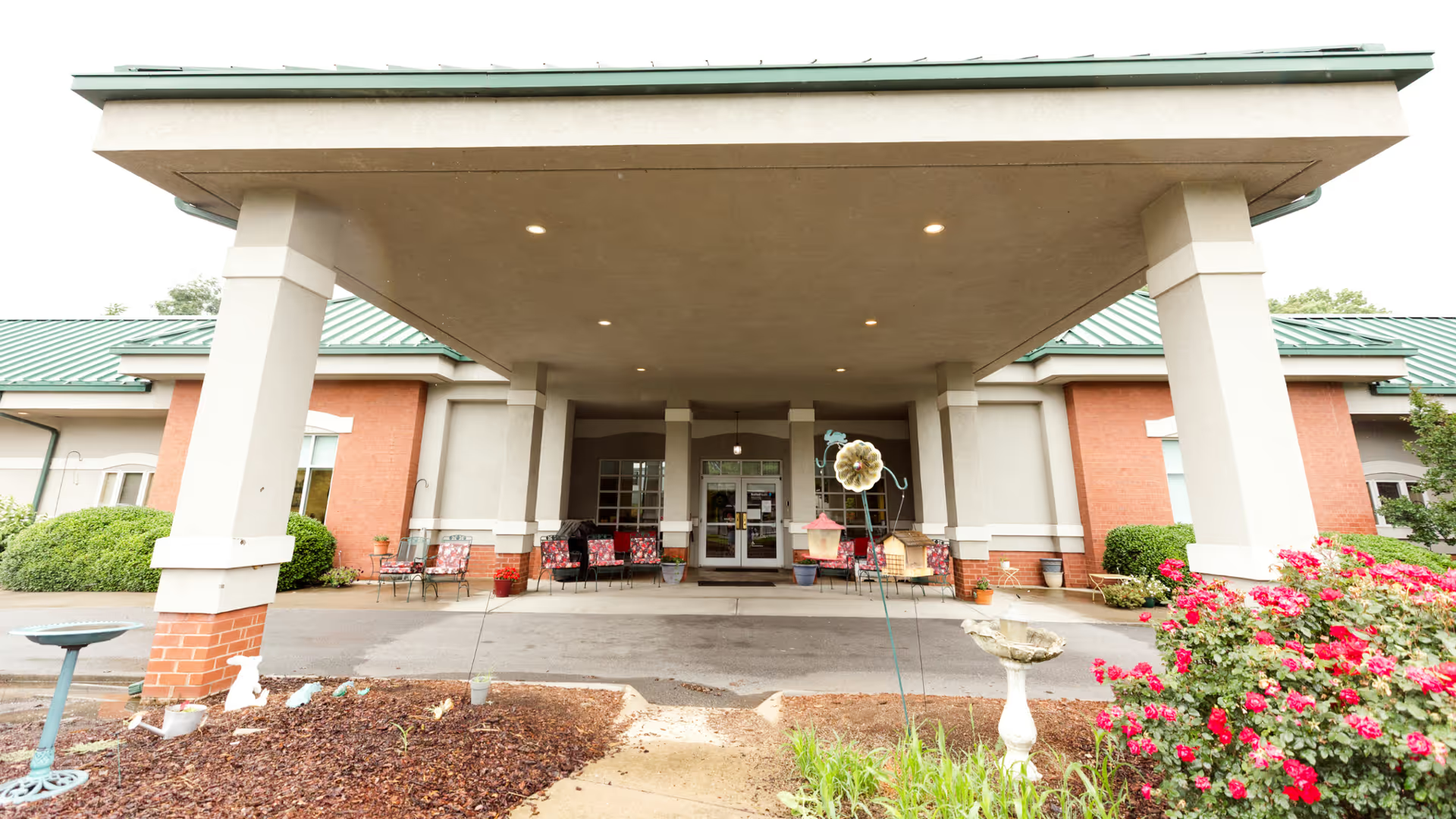
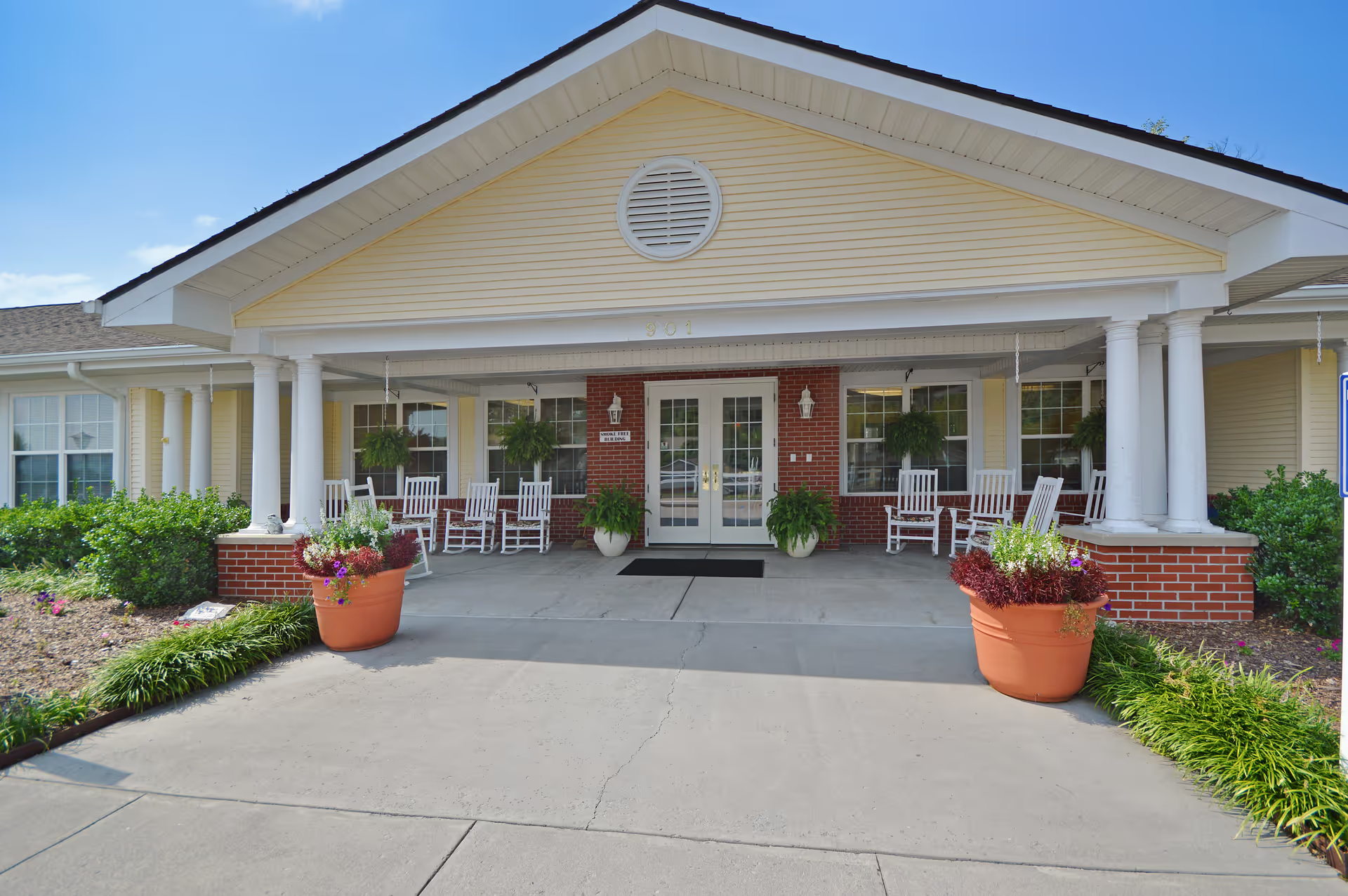
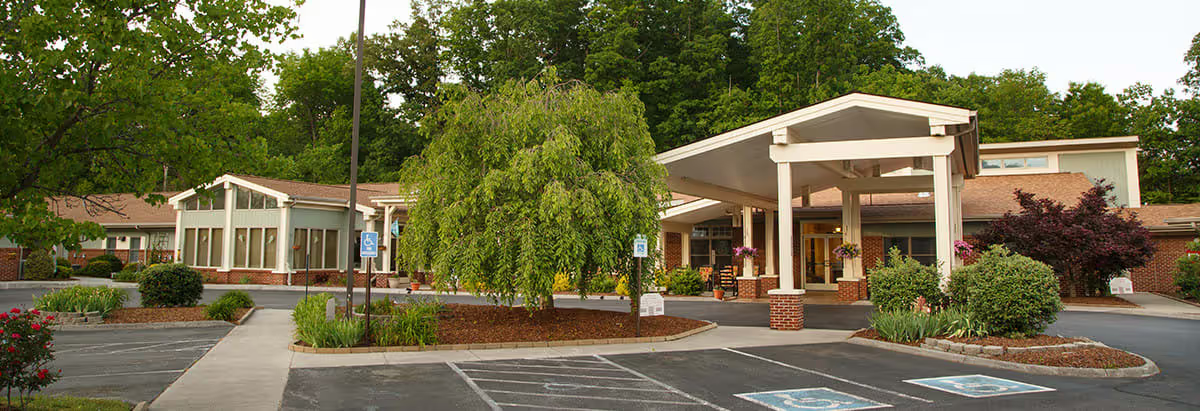
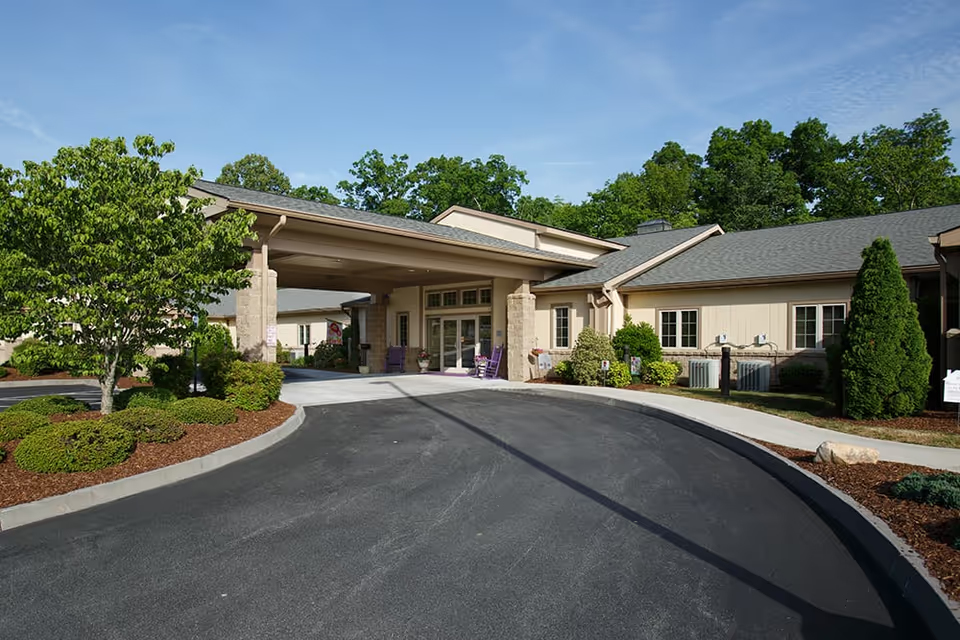
The Village at Allandale is described by many families as a small, home-like community with notable strengths in day-to-day living, cleanliness, and social programming. Reviewers commonly highlight a welcoming, family-style atmosphere, the ability to personalize rooms, and well-maintained common areas such as a gazebo and sunroom. The community offers both assisted living and a dedicated memory-care unit, with hospice services available, and is viewed as competitively priced and conveniently located for many families.
Care and staffing are a central theme. Numerous families praise compassionate caregivers, respectful treatment, and staff who engage residents in social activity. The community is also commended for active family communication—regular updates about medications and doctor visits were noted—and for routine housekeeping, laundry, and bedding services. At the same time, there is variability in experience: some accounts indicate a shift in atmosphere tied to leadership or staffing changes, and a few families expressed worry about current staff conduct and responsiveness. These contrasting impressions point to uneven staff consistency rather than uniform performance across the facility.
Dining and activities are generally strengths. The facility emphasizes home-style meals and has reorganized its dining area to promote social dining; many residents and families described good food and a variety of meal options. Activity programming appears robust, with offerings such as music, chair yoga, exercise, crafts, and outside entertainers that contribute to social engagement. Nevertheless, meal satisfaction is not uniform—some residents expressed occasional complaints about meals—so menu consistency and individual preferences may vary.
Facilities and accommodations receive positive mention: rooms are described as large, with private and semi-private options, and residents are allowed to bring personal furniture and hang pictures, which supports a personalized living environment. Cleanliness and maintenance are repeatedly highlighted, and the presence of a separate Alzheimer’s unit is seen as beneficial for families seeking memory-care-specific services.
Management and operations show mixed signals. Several families described attentive administrators and helpful nursing staff, while others reported less favorable tour experiences or rooms that were not fully prepared at move-in. There are also operational concerns implied by reported serious medical events: reviewers raised issues around fall-prevention and post-fall care protocols, and a few families reported dissatisfaction with how serious incidents and end-of-life transitions were handled and communicated. Finally, like many facilities, visitation restrictions during infection-control events (e.g., COVID) affected family access and were noted as a stressor.
Overall, the Village at Allandale presents as a clean, activity-rich community with strengths in compassionate day-to-day caregiving, family communication, and social dining. Prospective residents and families would benefit from observing current staff interactions, asking about recent leadership or staffing changes, reviewing fall-prevention and incident-communication protocols, and sampling meal service during a visit to assess fit and consistency.