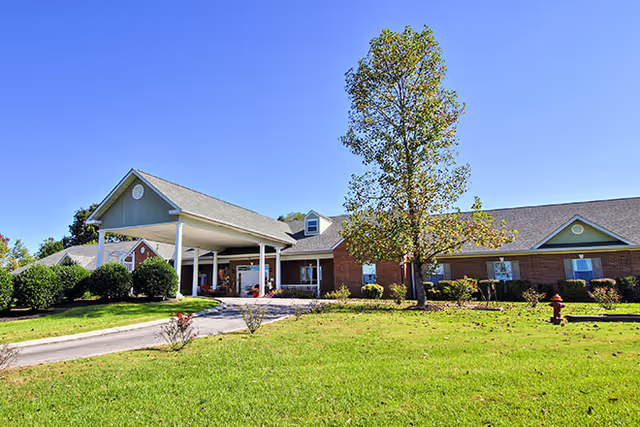
Jamestowne Assisted Living presents as a largely positive, family-oriented community with repeated emphasis on compassionate, resident-focused care. Reviewers consistently describe a warm, homey atmosphere and long-tenured leadership that contributes to continuity for many residents. Clinical strengths highlighted include attentive nursing, organized medication management, and a nursing administration described as accessible and responsive.
Dining and daily life are frequently praised. Multiple accounts mention excellent meals, active social programming, and hands-on activities (corn hole, seasonal festivals, and similar events) that encourage resident participation. The activity calendar appears varied and well attended, contributing to residents’ reported enjoyment and families’ peace of mind. Reviewers also note regular family communication, including sharing photos and updates, which supports engagement and reassurance for relatives.
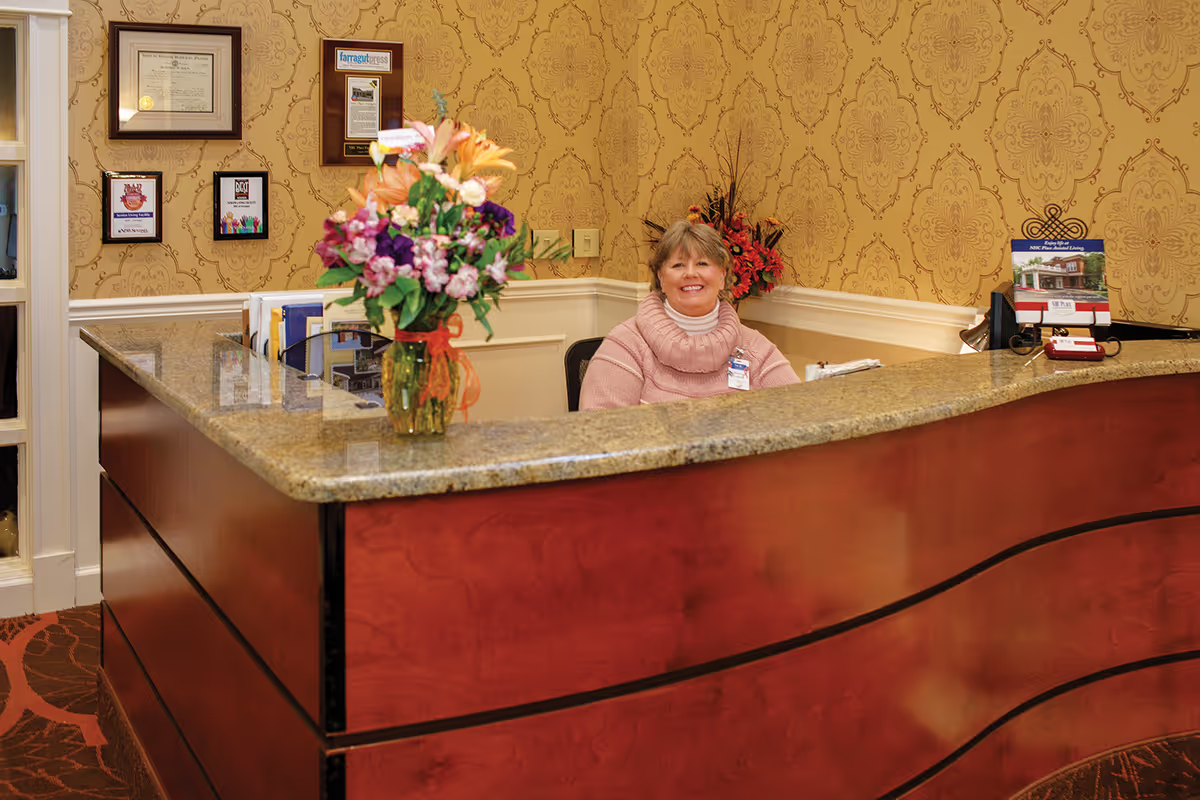
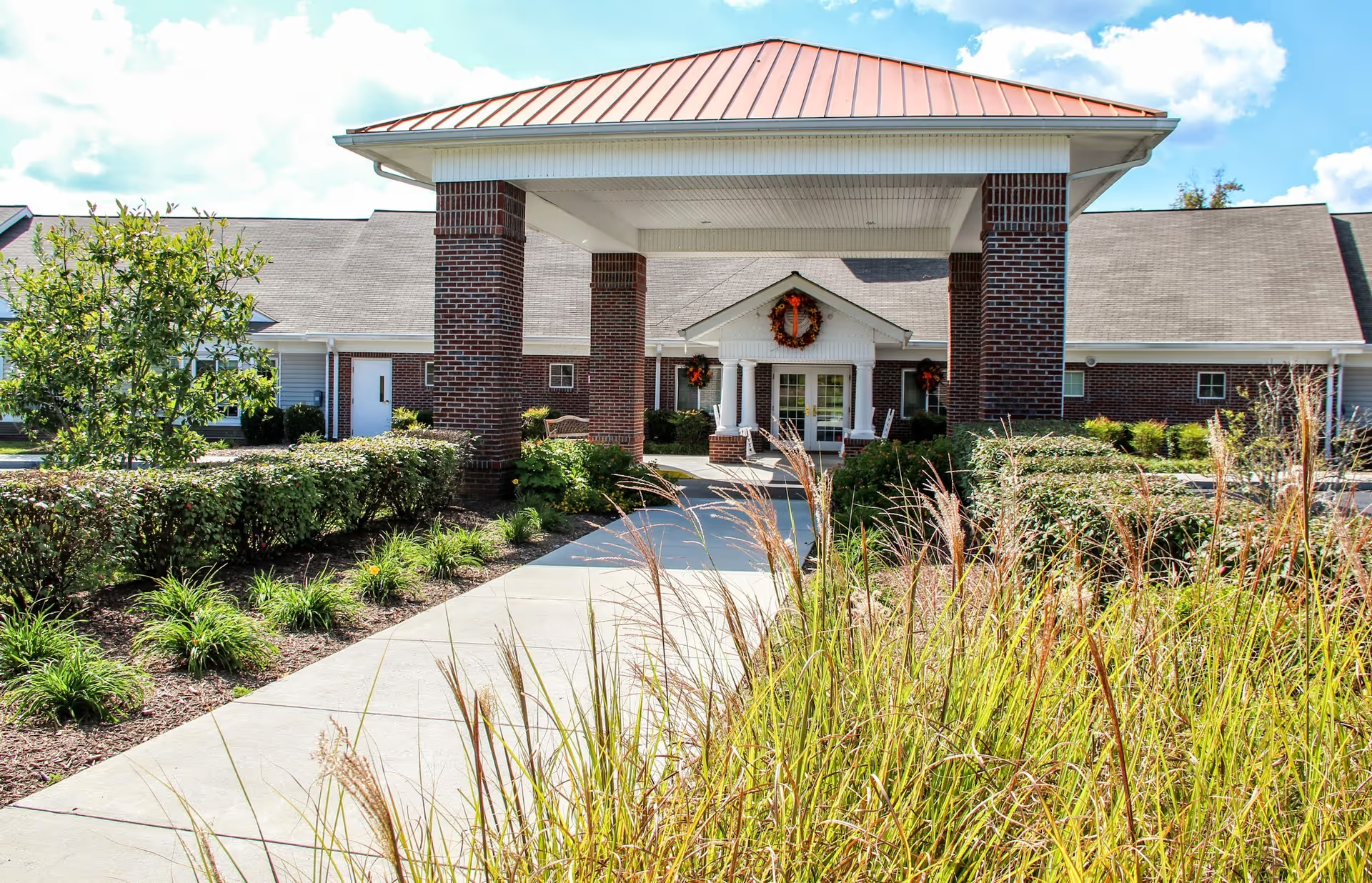
The facility environment and operations draw positive comment: clean, comfortable spaces, thoughtful attention to residents’ appearance and needs (for example, assistance with dressing and personal readiness), and an independence-focused approach to care. Families reported that staff often go beyond basic tasks to foster social connection and personal dignity. Director-level accessibility and supportive management were noted as factors in overall satisfaction.
A recurring operational pattern to consider is staffing continuity. While several reviewers emphasized long-tenured staff and low turnover, others described periods of staff change, dismissals, and consequent emotional stress for residents who form close bonds with caregivers. This yields two related themes: intermittent turnover that can disrupt continuity of care, and opportunities to strengthen transition-support processes when caregiver changes occur. Prospective residents and families may wish to ask about current staffing stability, procedures for handoffs and caregiver introductions, and the facility’s approach to minimizing disruption during staff transitions. Overall, the community is portrayed as well cared for, activity-rich, and management-oriented, with a specific area for ongoing attention around maintaining consistent caregiver relationships during staffing changes.