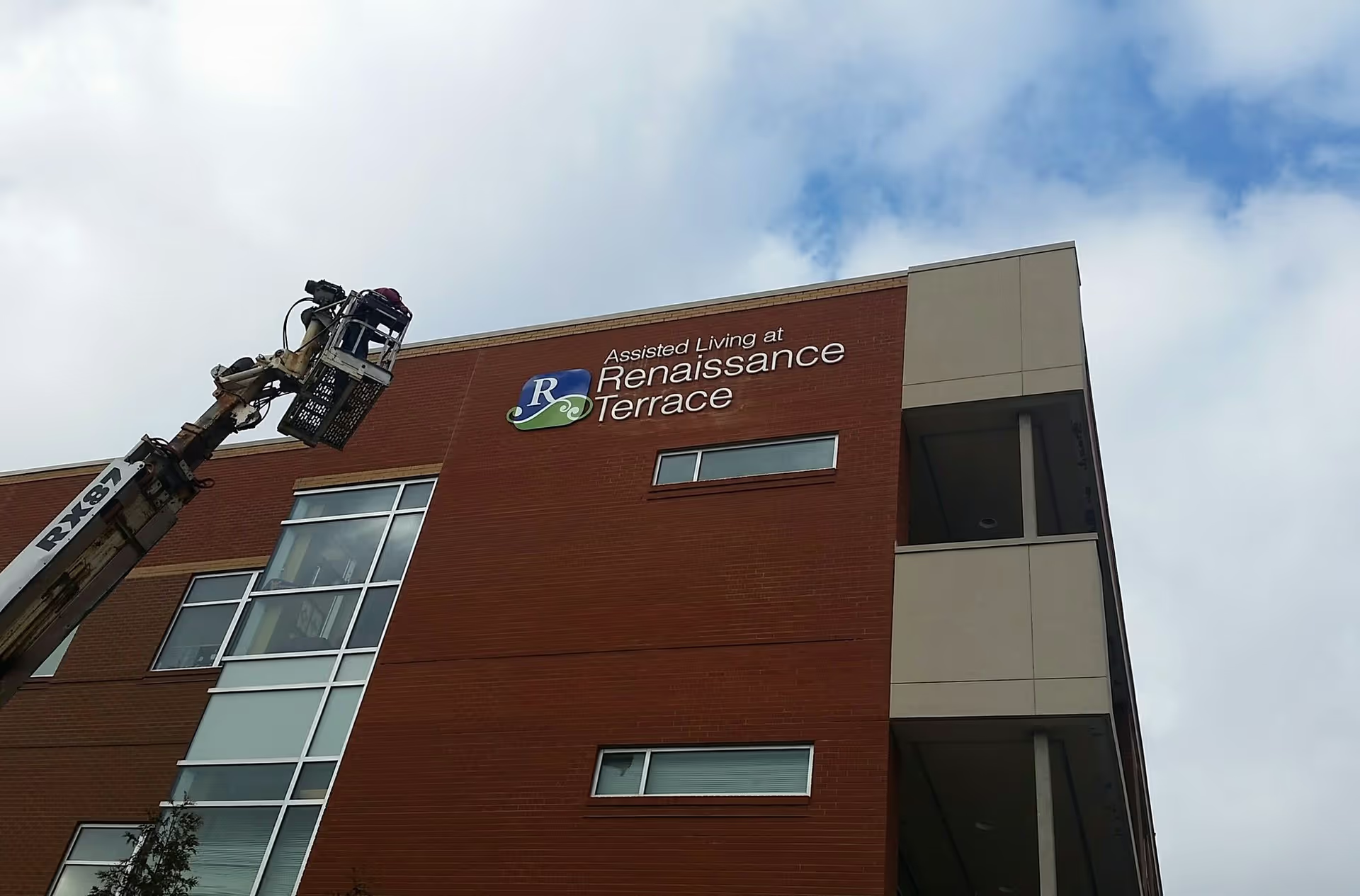
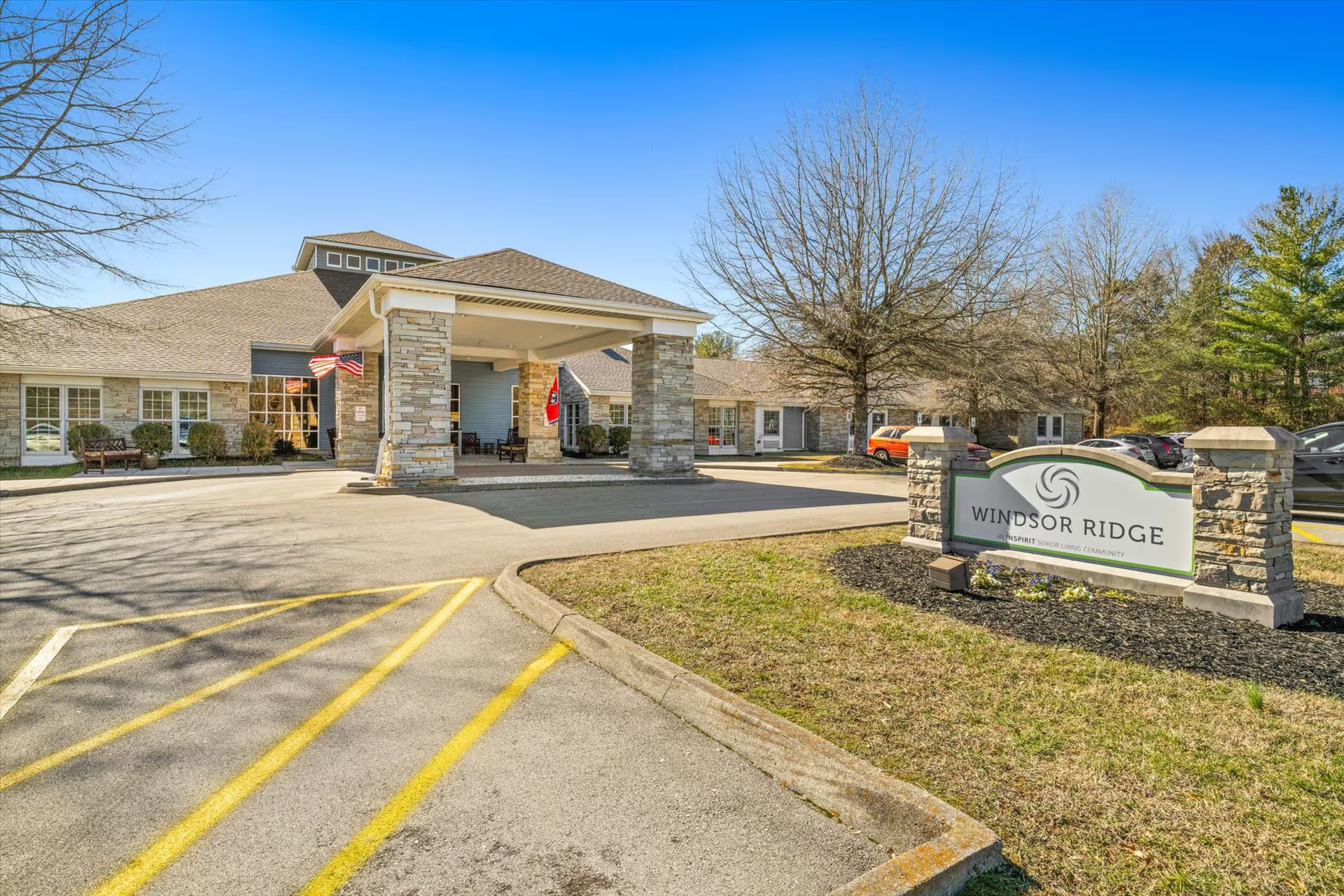
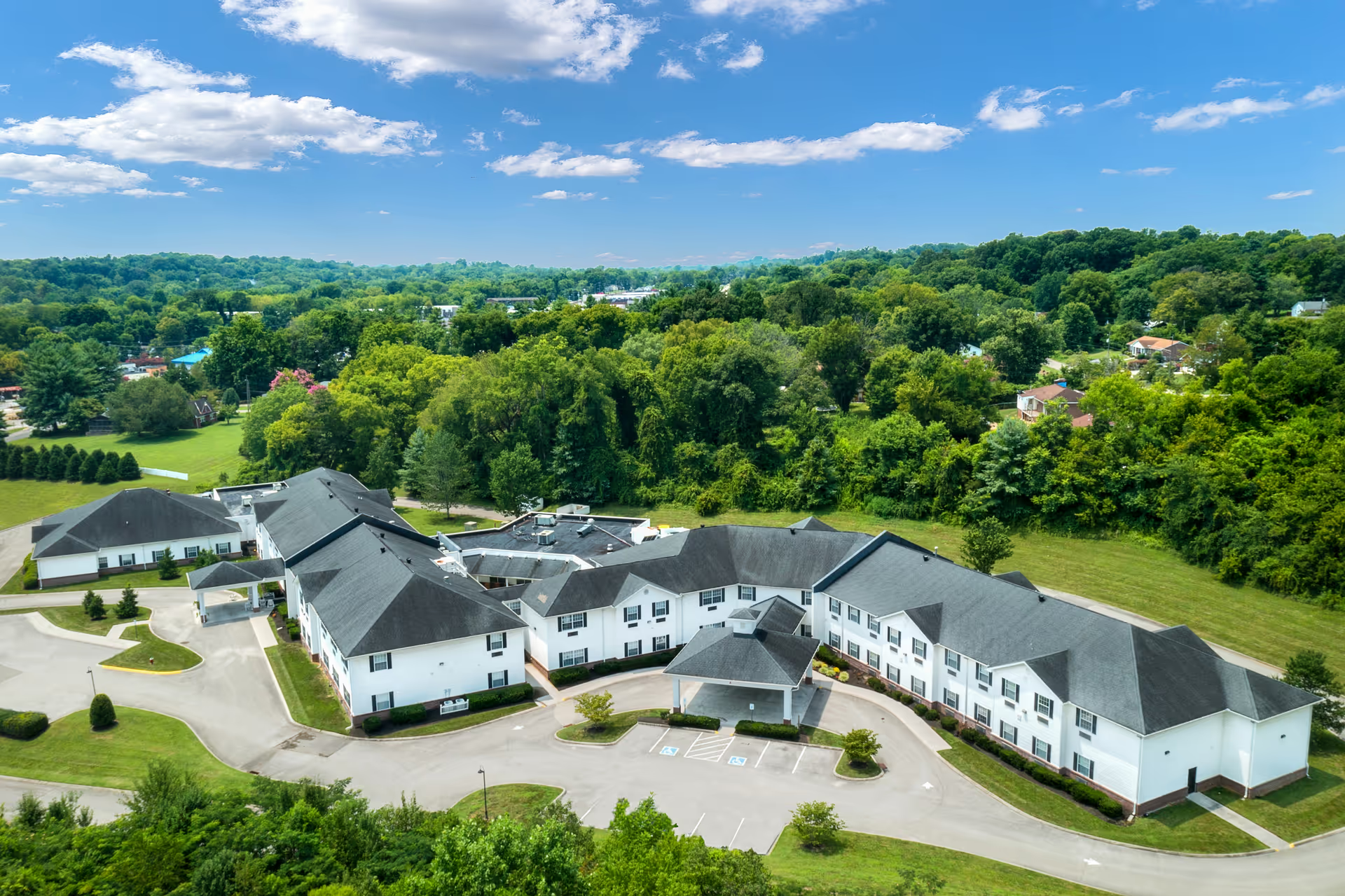
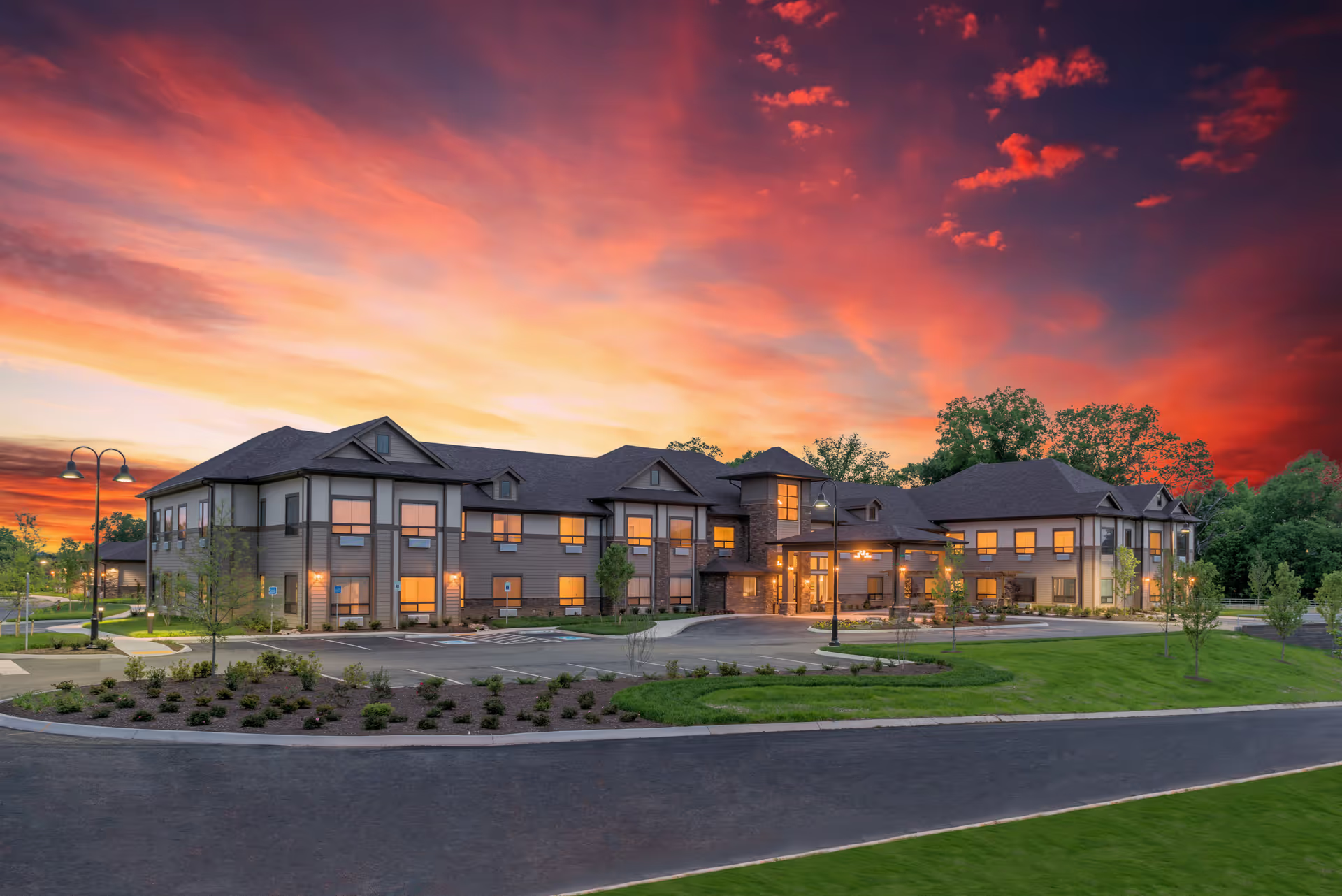
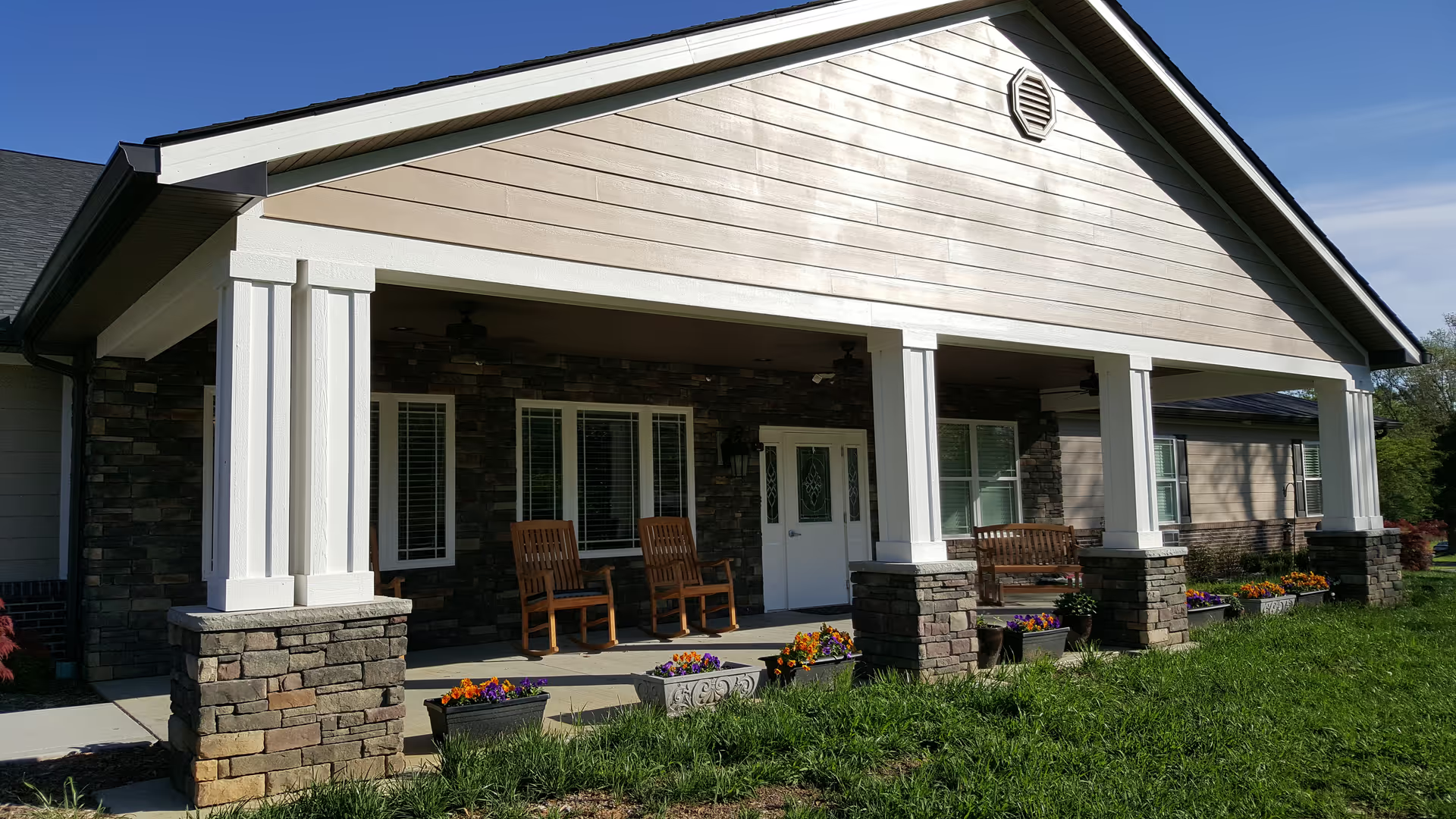
Oakwood Senior Living presents a clear physical and amenity strength: a newly renovated, architecturally distinctive building (converted school) with large, light‑filled rooms, high ceilings, wide corridors and accessible bathrooms. The community offers attractive common spaces, a hotel‑style entry, an on‑site beauty salon, and practical in‑room features such as refrigerators and adaptable furniture. Many families and residents appreciate the layout for mobility aids and the availability of studio and suite configurations under all‑inclusive pricing.
Staffing and direct care receive mixed but prominent attention. A substantial number of accounts praise compassionate, attentive caregivers, responsive nursing staff, and maintenance teams who act promptly. These comments emphasize individualized attention, strong communication, and a family‑like atmosphere. At the same time, other accounts describe operational challenges: high turnover, weekend and overnight coverage gaps, and uneven continuity among caregivers. There are recurring concerns about staff conduct and professionalism in certain instances; these concerns translate into a broader theme of inconsistency in day‑to‑day care quality and caregiver reliability.
Dining and activities are also areas of contrast. Many reviewers applaud the dining rooms and some describe meals as excellent or phenomenal, noting enjoyable menus and hotel‑quality presentation. Conversely, other reviewers find the food bland or inconsistent in quality and express frustration with limited flexibility around dining times. The activities program is frequently noted as robust — with an active director, scheduled events, and transportation to appointments and outings — but activity availability can be curtailed by infection‑control measures or staffing constraints, which has limited choices for some residents during lockdown periods.
Clinical and memory‑care capabilities appear uneven. Several reviewers highlight knowledgeable and compassionate nursing staff and workable clinical solutions for assisted‑living needs. However, other reviewers describe gaps in dementia and Alzheimer’s training, uneven support for memory‑care residents (for example, assistance with eating), and concerns about timely incontinence care. These indicate variability in the facility’s ability to meet higher acuity or specialized memory‑care needs consistently.
Management and operations show divergent impressions. Some families commend clear communication, collaborative management, stable long‑term staff, and administrative flexibility (for example, unit reconfiguration). In contrast, others raise concerns about administrative practices, admissions and documentation processes, and more serious allegations related to employment and regulatory matters. There are also perceptions among some residents and families that pricing does not always align with the level of care delivered.
Overall, Oakwood offers many features attractive to prospective residents: a newly refreshed physical plant, accessible design, strong social programming, and a base of dedicated caregivers. The notable patterns to weigh are inconsistency — in staffing continuity, housekeeping and sanitation, dining, and specialized memory‑care support — and uneven managerial performance. Prospective families should tour during typical service hours (including weekends), ask specific questions about staffing ratios, overnight clinical coverage, dementia training, meal flexibility, and admissions/documentation procedures, and seek references from current residents or families in the unit type they are considering to assess consistency for their particular care needs.