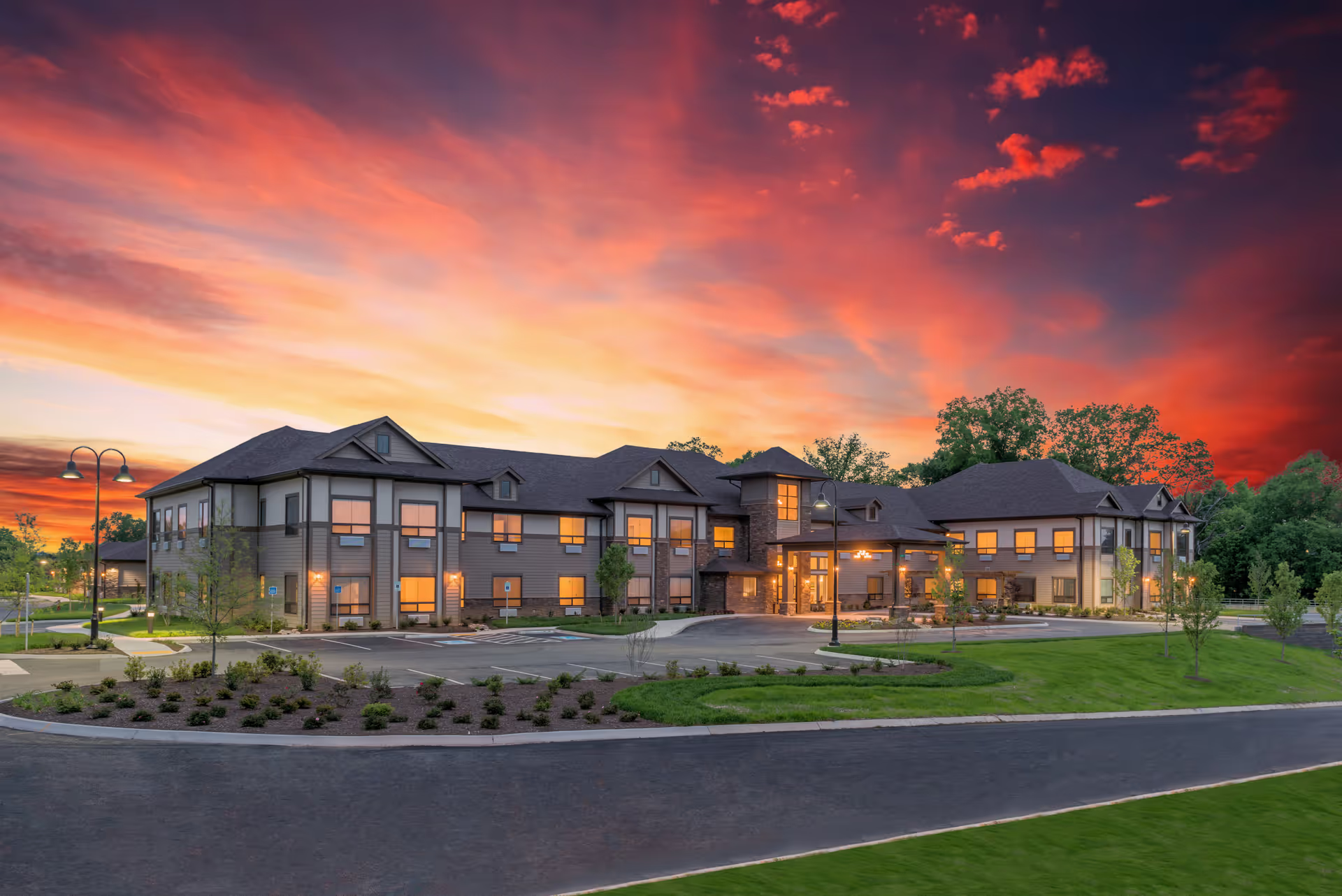
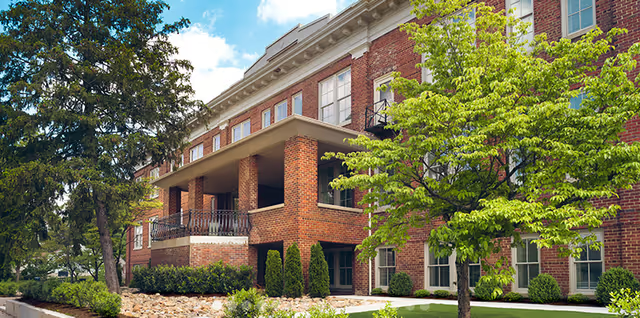
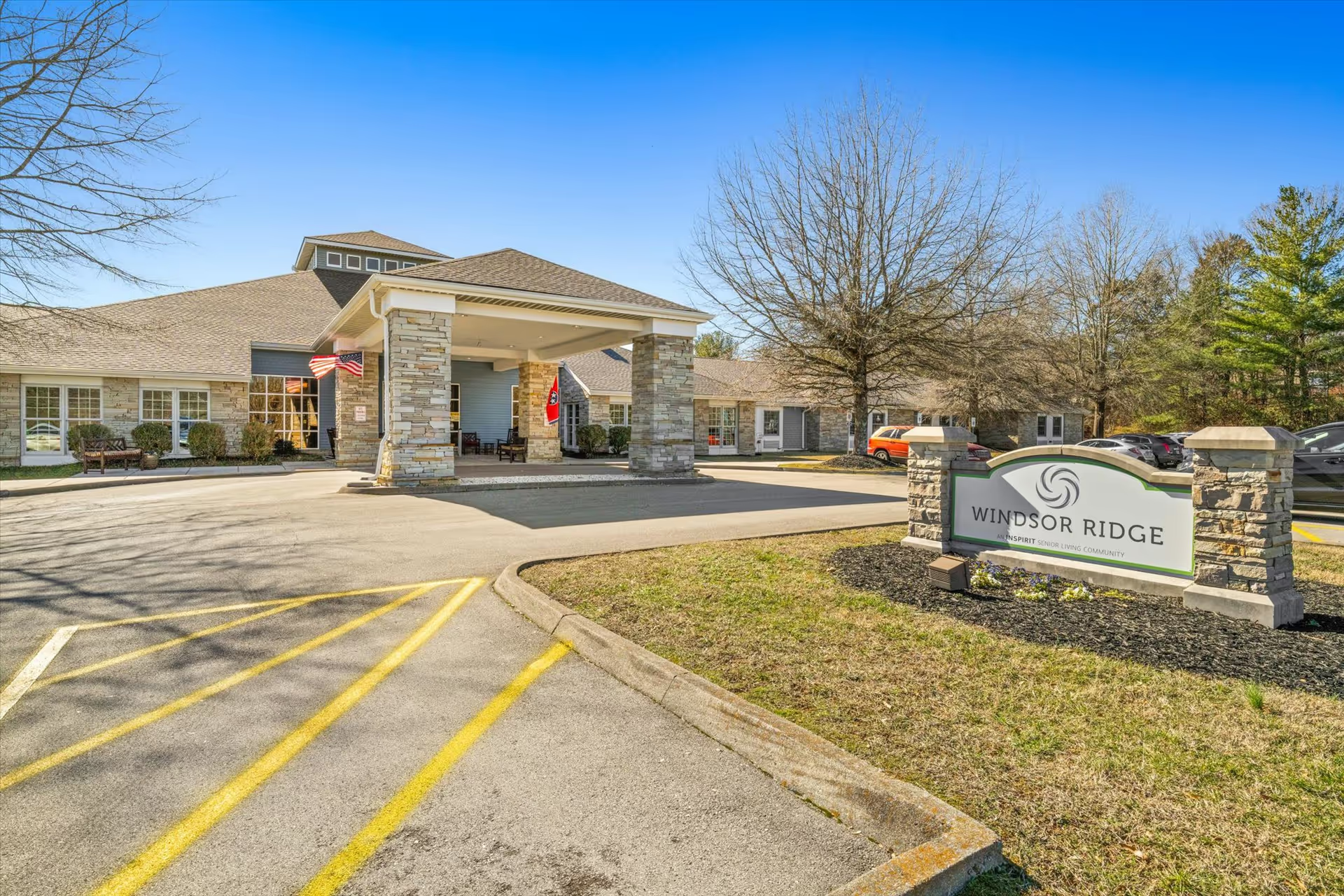
Trinity Hills of Knoxville earns frequent praise for its physical environment and social programming. Families and residents commonly describe a clean, well-kept facility with a home-like atmosphere, spacious apartment-style units that include kitchenettes and accessible bathrooms, and attractive public areas. Dining is a consistent strength for many: restaurant-style meals with menu choices, diabetes-friendly options, and attentive culinary staff are highlighted repeatedly. The community also offers a broad set of services—housekeeping, laundry, maintenance—and visible hospice and end-of-life supports.
Activity and social life are notable positives. The life-enrichment program includes bingo, bridge, live music, crafts, chapel services, a grand piano and fireplace area, and organized outings via shuttle. Many residents and families describe an engaged community, friendly peer interaction, and a family-like culture that helps restore or maintain social connections and independence for long-term residents.
Staff characteristics are described in mixed terms. Numerous accounts emphasize compassionate, courteous, and responsive caregivers, strong admissions responsiveness, and supportive administrative personnel who accommodate tours and questions. At the same time, a recurrent operational theme is staffing instability: reviewers point to high turnover, reliance on agency/temp personnel, and reduced coverage during nights and weekends. These staffing patterns are associated with reports of delayed assistance, inconsistent caregiver familiarity with residents, and family concerns about safety and clinical follow-through.
Clinical and management patterns warrant attention. Several reviewers raised concerns about medication management and changes after admission; one serious account led to a requested investigation. Families also describe occasions where promised services or levels of care did not align with expectations established during admission. Related issues include questions about billing transparency and small ancillary charges. Communication from leadership is praised in some cases for responsiveness, but other reviewers note inconsistent updates around care changes or prescription refills.
In summary, Trinity Hills presents as a well-maintained, socially active community with strong dining and many satisfied long-term residents. The principal operational weaknesses center on staffing consistency, reliance on temporary staff unfamiliar with residents, and occasional gaps in clinical oversight and communication. Prospective residents and families should weigh the facility’s strengths in environment, dining, and programming against these operational considerations, and clarify staffing patterns, medication oversight procedures, and contractual/billing terms during a tour and admission process.