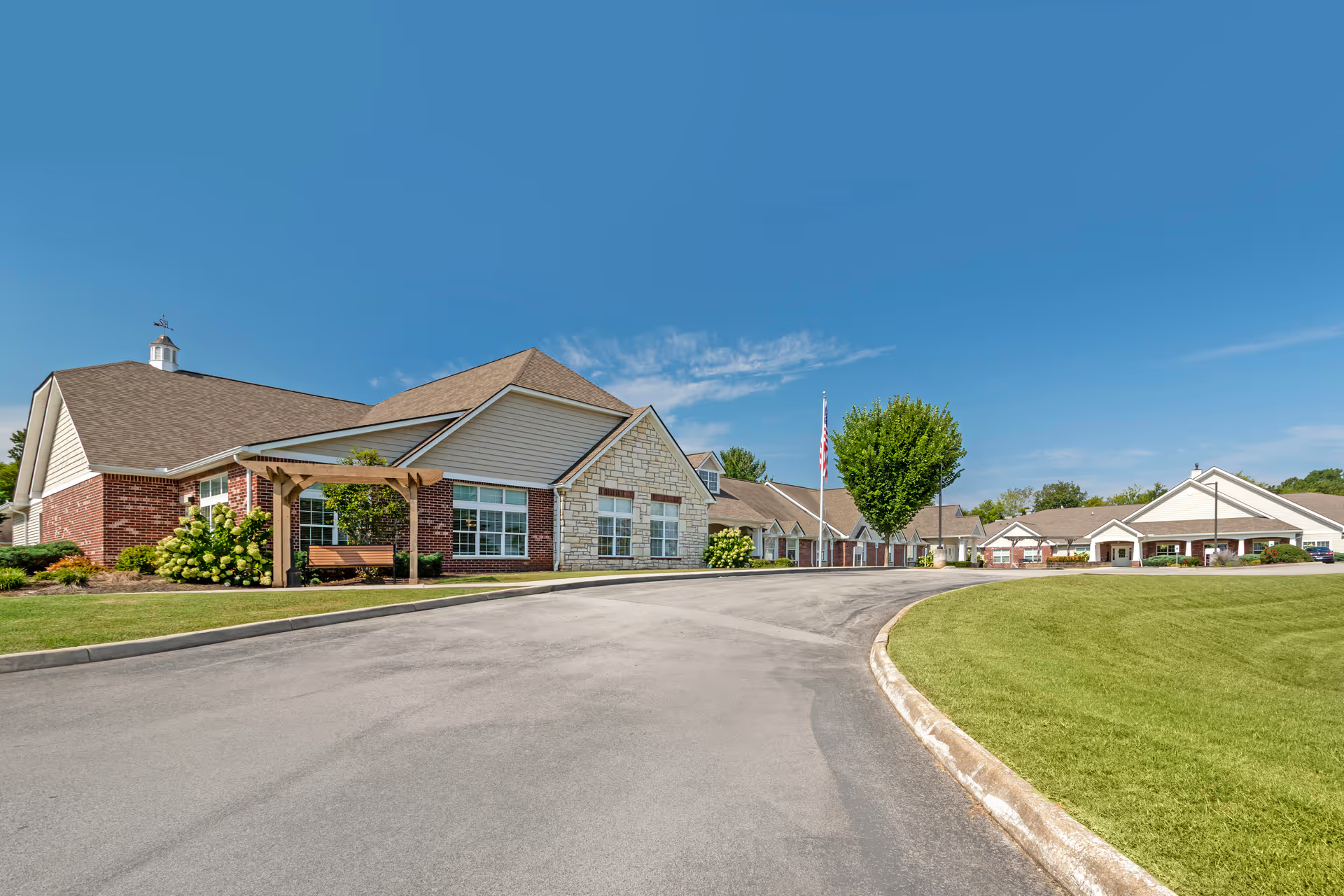
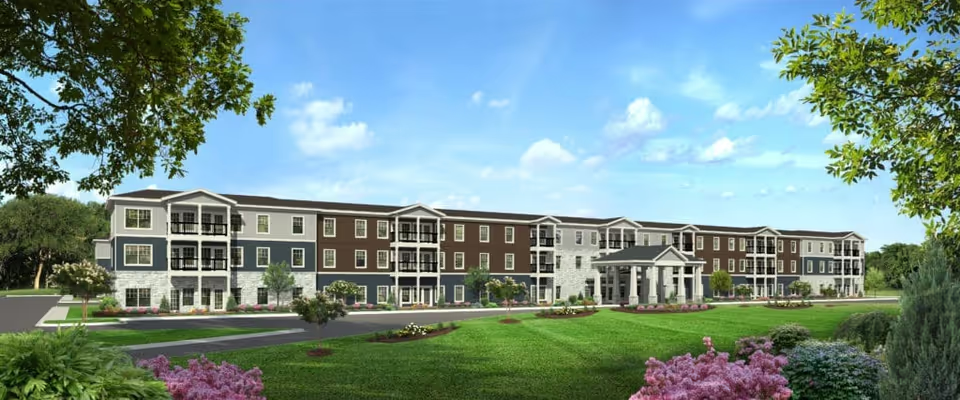
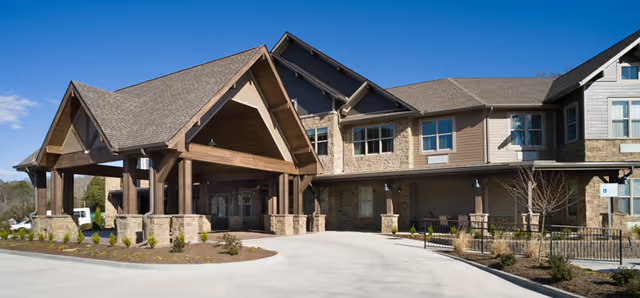
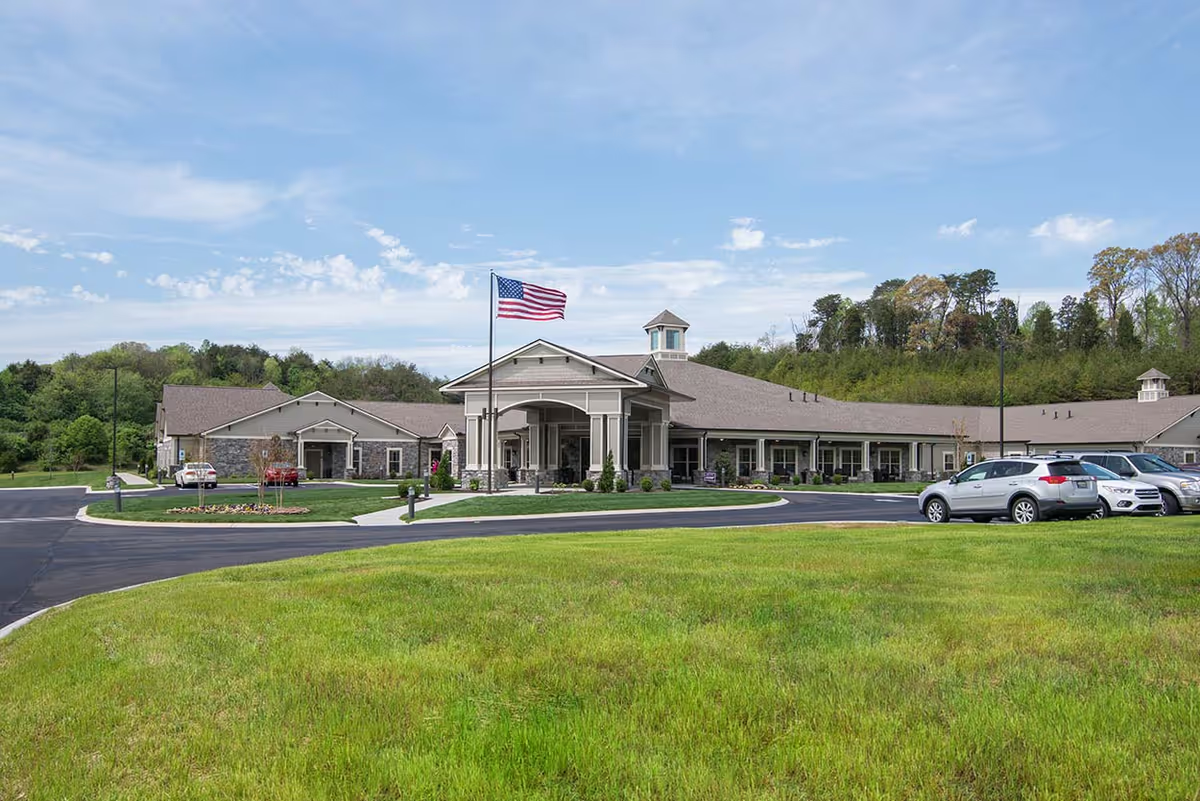
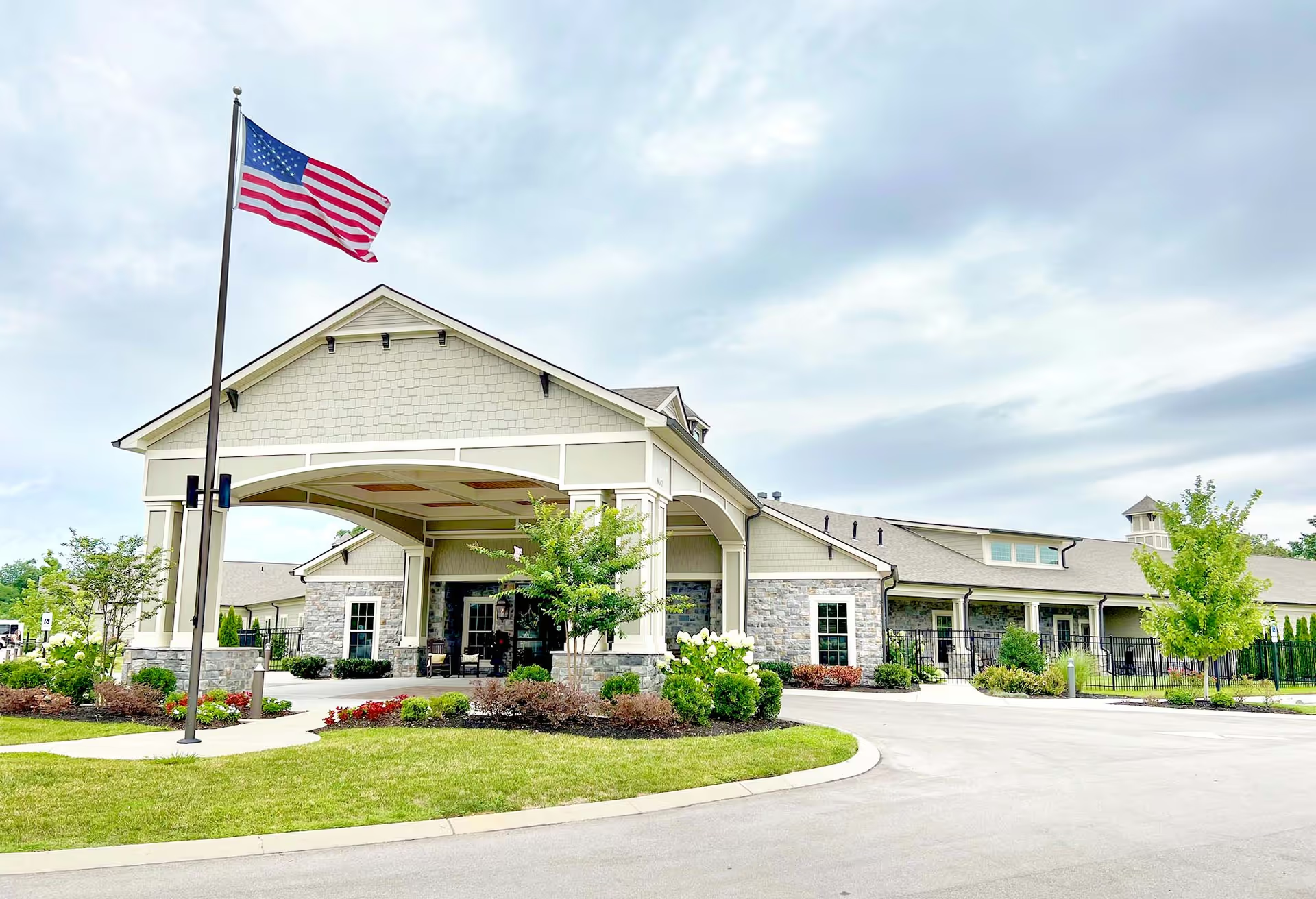
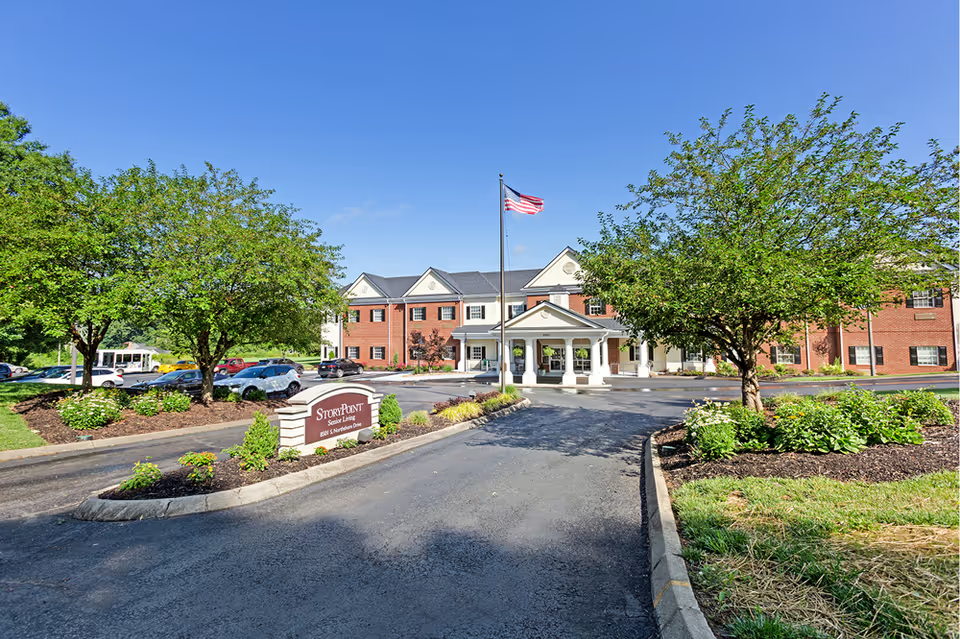
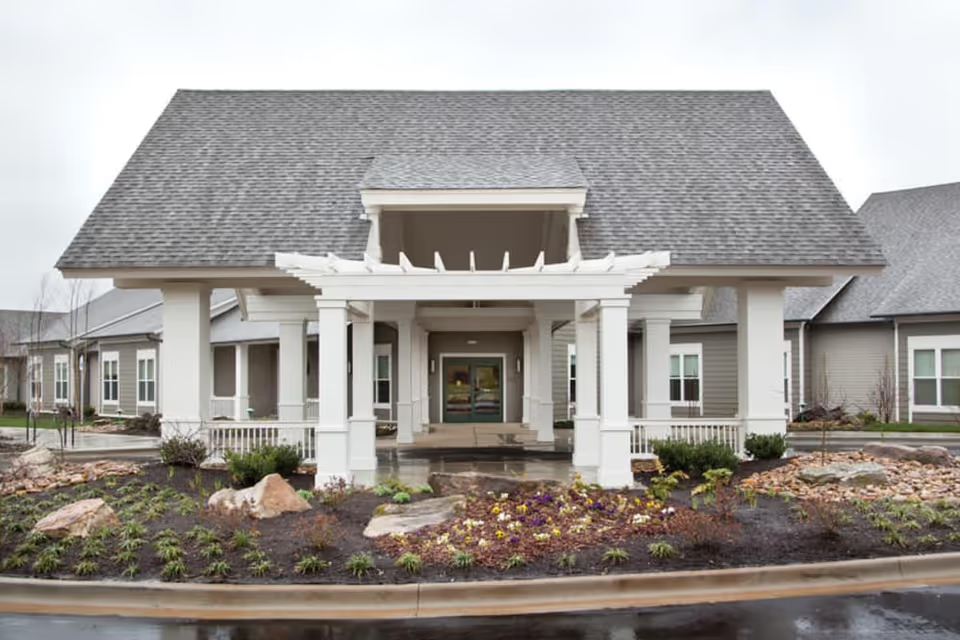
Clover Hill Senior Living is commonly described as a clean, new, and well-decorated community with an active social program and a visible clinical presence. Many families compliment the caring nature of the frontline team, a hands-on executive director, and weekly on-site medical coverage by a physician or nurse practitioner. The facility’s physical design — including a triangle layout with nurses’ stations positioned for hallway visibility, enclosed courtyards, raised gardening beds, and on-site salon and therapy services — is frequently cited as supportive of supervision, engagement, and resident comfort.
Care quality is generally characterized as attentive and respectful, with strengths in staff–resident relationships, hydration/snack practices, coordination with outside providers, and routine housekeeping. At the same time, reviewers have raised operational concerns about medication management and timely clinical responsiveness; these concerns have included missed or incorrect medications and delays in addressing acute clinical needs. Families should verify medication administration protocols, on-call clinical coverage, and escalation procedures during touring and contract discussions.
Staff and management are polarizing in the feedback: many reviewers praise a visible, involved administrator and compassionate direct-care staff, while a subset describe inconsistent communication, unfriendly or evasive interactions, and difficulties resolving complaints. This pattern suggests that interpersonal tone and complaint-resolution practices can vary by staff member and situation. Prospective families may wish to meet nursing leadership, ask how grievances are handled, and request recent examples of complaint follow-up.
Dining, activities, and engagement are prominent strengths. The community offers frequent daily activities, classes (art, cooking, pastry), church services, short trips and longer outings, music and animal-assisted programming, and consistent life-enrichment staffing. Dining is often described as chef-prepared with healthy choices and visible portioning; however, some reviewers noted variability in meal quality. Note also that certain excursions and optional services may carry additional fees despite the availability of an all-inclusive monthly rate.
Facility-level patterns that deserve attention include mixed-acuity placement (memory-care and assisted-living residents sharing areas), which some families found distressing for non-memory residents, and variability in staffing continuity across shifts. Tours can present a very positive picture; a number of families recommended observing daily routines and asking about the typical resident mix to ensure the community’s population and care model match a prospective resident’s needs.
Overall, Clover Hill appears well suited to families seeking an active, socially oriented community with visible clinical support and a strong life-enrichment program. However, the facility shows recurring operational themes—medication-management controls, staff communication consistency, cohorting practices, and fee transparency—that prospective residents and their families should discuss directly with leadership. Recommended pre-admission steps include meeting the clinical team, reviewing medication and incident protocols, clarifying visitation and complaint procedures, confirming what services are included in the monthly rate, and arranging to observe daily programming and mealtime routines.