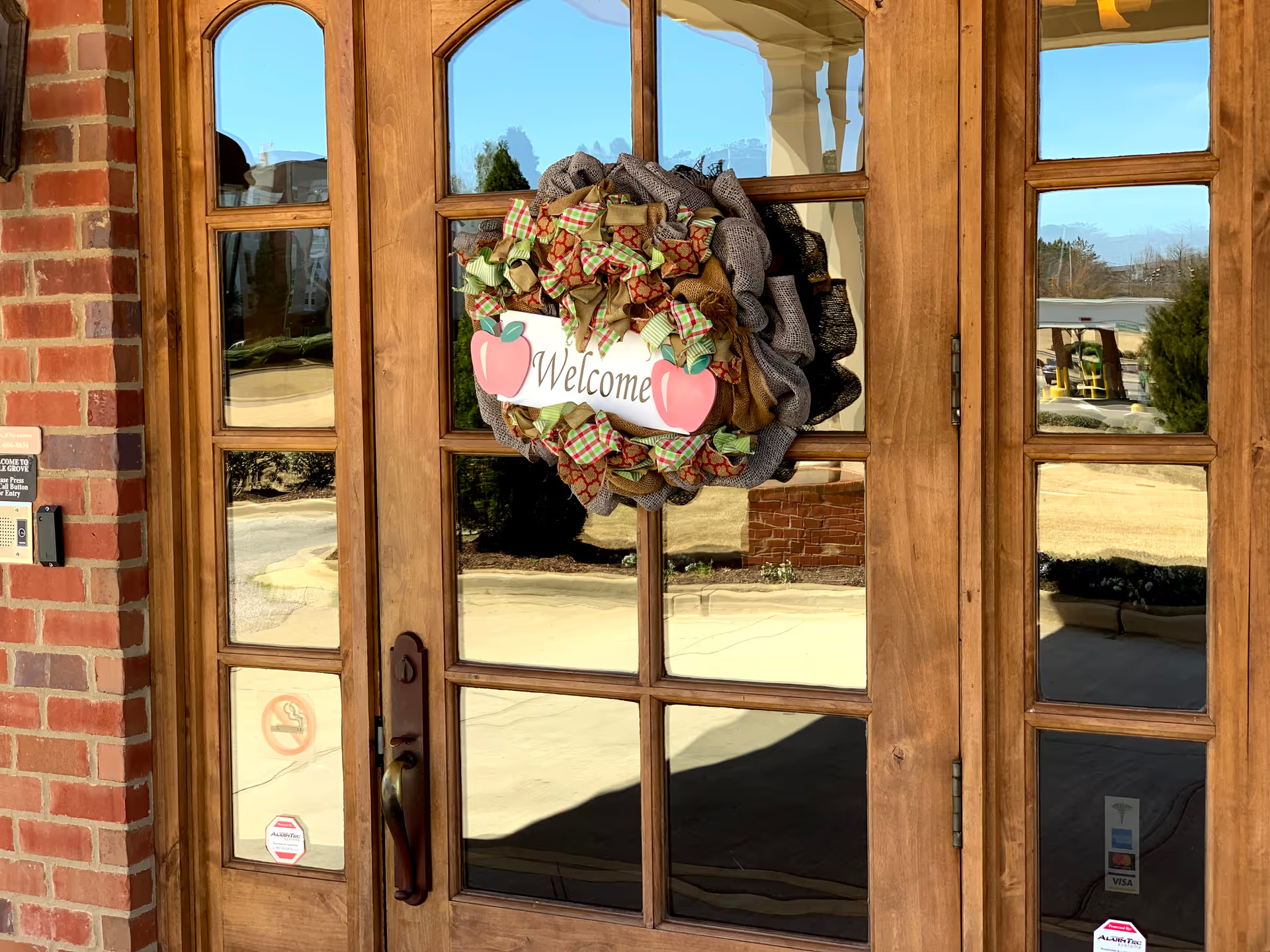
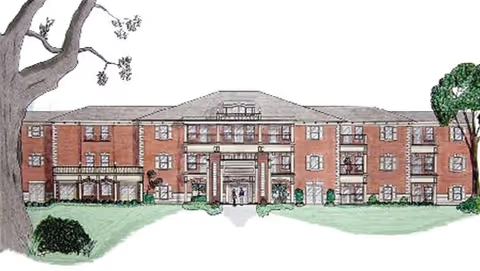
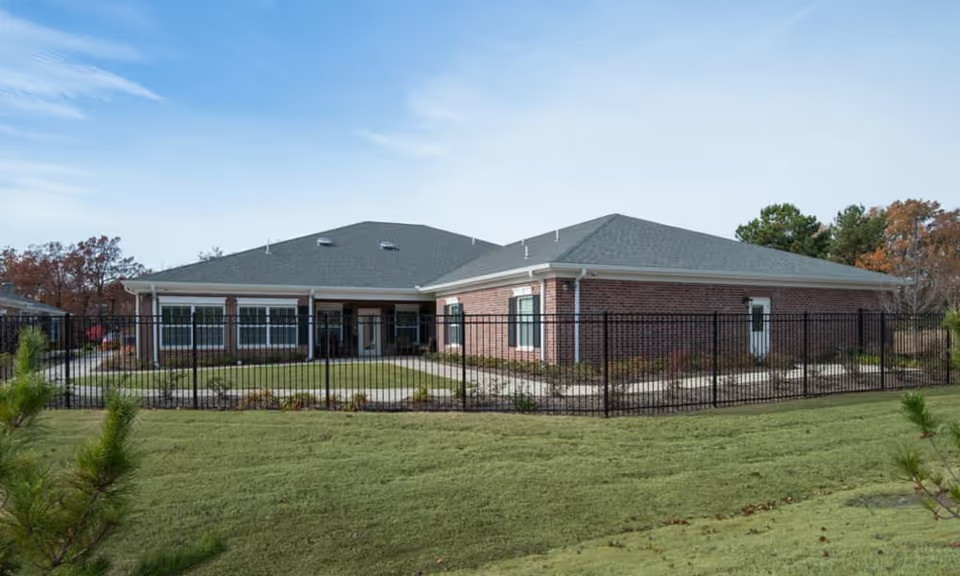
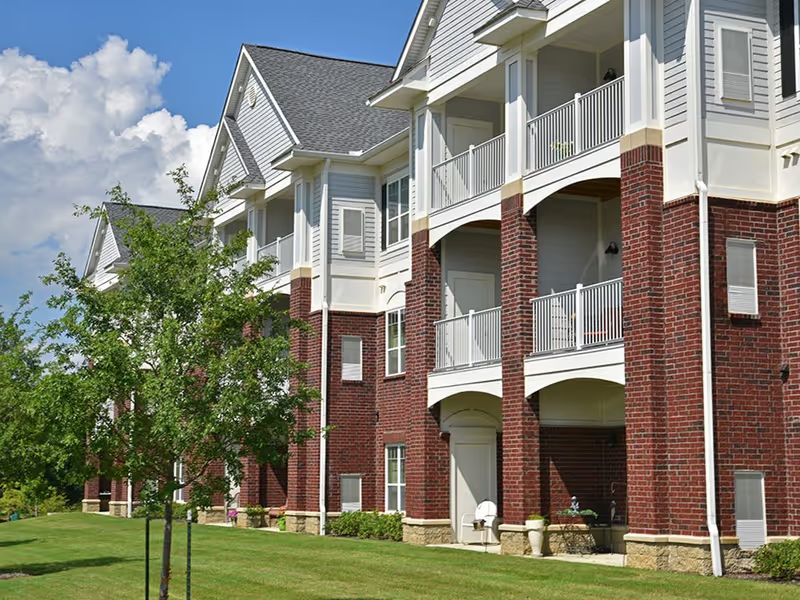
Sycamore Place presents as a modern, memory-care–focused facility with many operational strengths. The environment is consistently described as clean, orderly and hotel-like, with well-maintained grounds and multiple secure outdoor areas that support safe access to fresh air and walking. Rooms are often furnished and made personal for residents, and the building layout includes dementia-friendly features such as circular corridors and small indoor walking areas that help minimize disorientation.
Clinical and day-to-day care is a leading positive in the summaries: the facility emphasizes a memory-care model with 24/7 licensed nursing coverage, proactive care plans, and on-site clinical services (labs and x‑ray). Families commonly note attentive nurses and responsive medication adjustments; several accounts describe effective nursing follow-up when clinical issues arose. At the same time, there are indications of operational gaps around major clinical incidents—summaries point to opportunities to strengthen fall-prevention practices and the facility’s post‑incident communication and coordination with families.
Staff are frequently described as compassionate, upbeat, and family‑oriented. Many summaries praise hands-on caregivers, management presence, and specific administrative staff who facilitate transitions and family communication. Activity programming is another clear strength: the facility offers varied, seven-day programming and engagement opportunities tailored to memory-care residents. Housekeeping and room upkeep receive consistent positive mention, contributing to the overall impression of cleanliness and order.
Dining and ancillary services are mixed but generally favorable. The facility operates multiple dining rooms to preserve resident dignity and offers a varied menu; several families report good meals and a hair salon on site. At the same time, some reviewers found meal quality inconsistent or inferior to another assisted-living setting, indicating an area for quality standardization.
Operational weaknesses cluster around staffing stability, communication, and administrative processes. High staff turnover and intermittent communication lapses—such as inconsistent update frequency and occasional billing or administrative inconsistencies—appear as recurring themes. Infection-control periods (notably during the COVID-19 pandemic) prompted restrictive visitation policies and limited external therapy continuity; these policies were viewed as protective but also as a source of family frustration and reduced access. A subset of comments also suggests that, at times, staff workflows were perceived to take precedence over family access or convenience.
In summary, Sycamore Place demonstrates many attributes important for memory-care families: a clean, secure environment; round‑the‑clock clinical coverage; engaged caregiving staff; active programming; and transparent pricing structures. Prospective residents and families should weigh these strengths against the facility’s pattern-level issues—chiefly staffing stability, administrative/billing consistency, and communication practices—when assessing fit for an individual’s clinical and social needs. Visiting in person, asking about recent staff turnover, fall-prevention protocols, and the facility’s current visitation and therapy continuity policies will help clarify how well Sycamore Place matches a specific resident’s priorities.