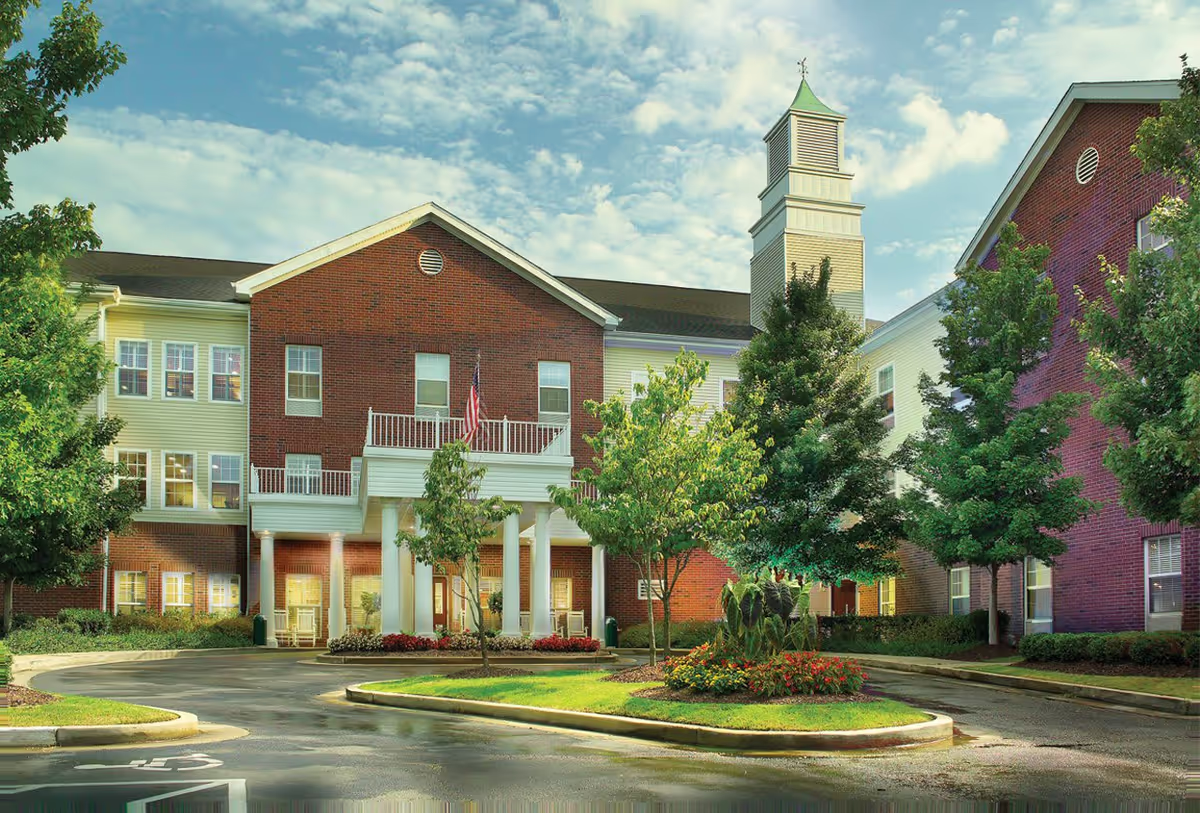
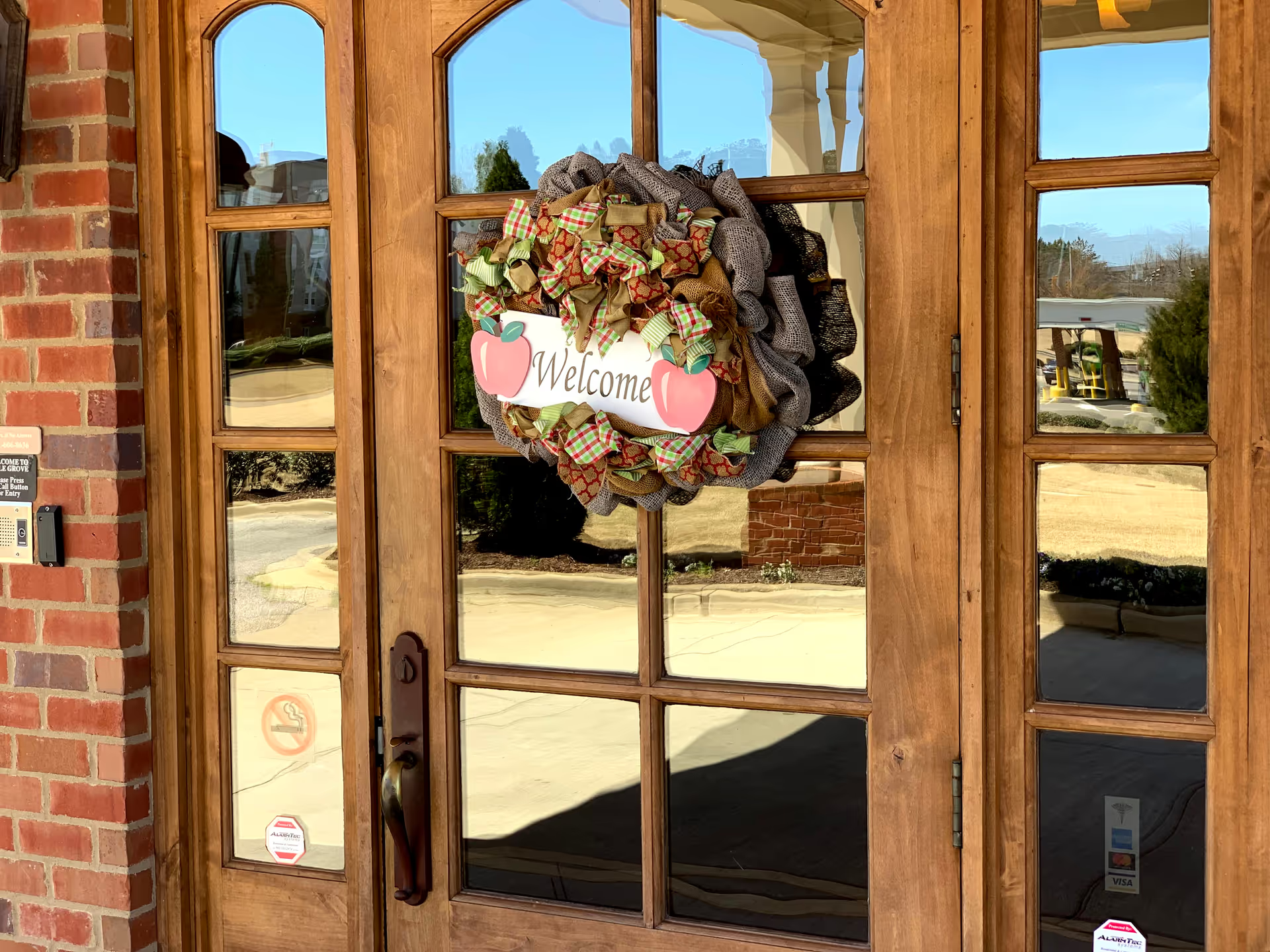
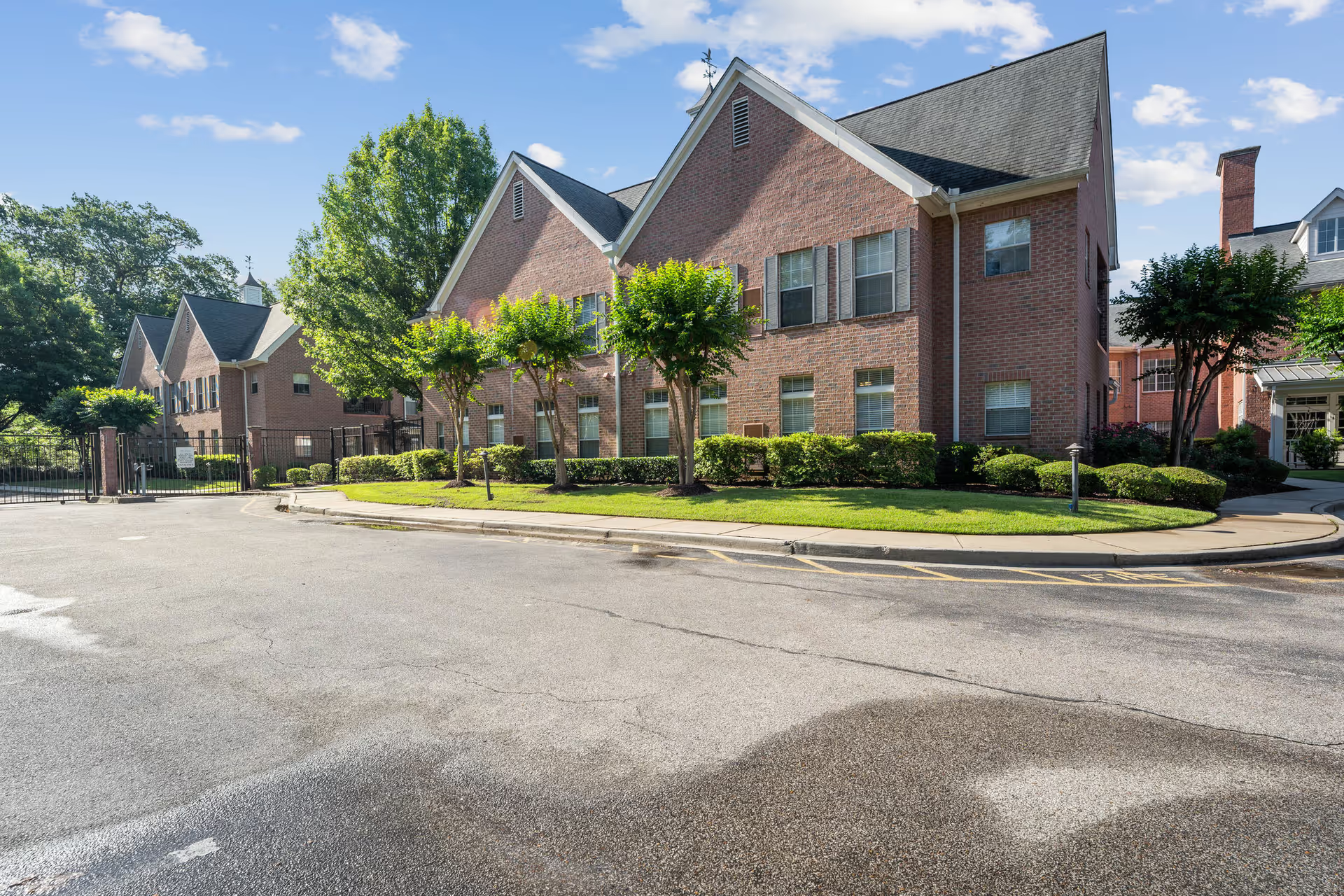
Overall impression: The Pointe at Kirby Gate presents as a small, home-like assisted living and memory-care community with a consistent emphasis on personalized attention and friendliness. Families frequently describe warm, engaged caregiving staff and a strong activities culture in the assisted-living side; the facility's courtyard, outdoor spaces, and regular housekeeping contribute to a generally clean and welcoming environment. The community’s scale supports familiarity between staff and residents, and many accounts highlight individualized care profiles, move-in assistance, and opportunities to personalize rooms.
Care and clinical oversight: Clinical experiences are mixed. Several families describe responsive nursing, timely transfers to higher care when needed, and on-site LPN or medication administration in the memory-care unit. However, reviewers also indicate operational gaps: inconsistent staffing levels, turnover, and an absence of around-the-clock nursing coverage at times. These operational issues are associated with delays in personal-care tasks (for example, bathing schedules), isolated incidents of skin-integrity concerns and post-fall hospitalizations, and family frustration with clinical follow-up. There is also repeated commentary about the need for enhanced dementia-specific training and stronger fall-prevention practices in the secured unit.
Staff and management: Staff warmth, compassion, and specific individuals (activities directors, nurses, CNAs) are frequently cited as strengths. At the same time, administrative consistency has been uneven. Reviewers report a history of management turnover; multiple families noted substantive improvements after new executive leadership arrived, including better communication and expanded activities. Persistent weaknesses include billing and accounts-payable responsiveness, communication breakdowns between shifts, and occasional adversarial billing interactions. There are a small number of serious complaints referencing financial and billing issues that families characterized as improper, which have heightened concerns about administrative oversight.
Dining and activities: Dining receives polarized feedback. Many families praise the cook, regular meal service, and the social dining environment, while others describe repetitive menus, small portions, or occasional service interruptions that affect meal availability. Activities are a clear strength in assisted living: an energetic activities director organizes frequent programs, special events, outings, and therapies. In contrast, activity offerings in the secured memory-care unit are described as more limited and less consistent, with families asking for greater inclusion of memory-care residents in meaningful programming.
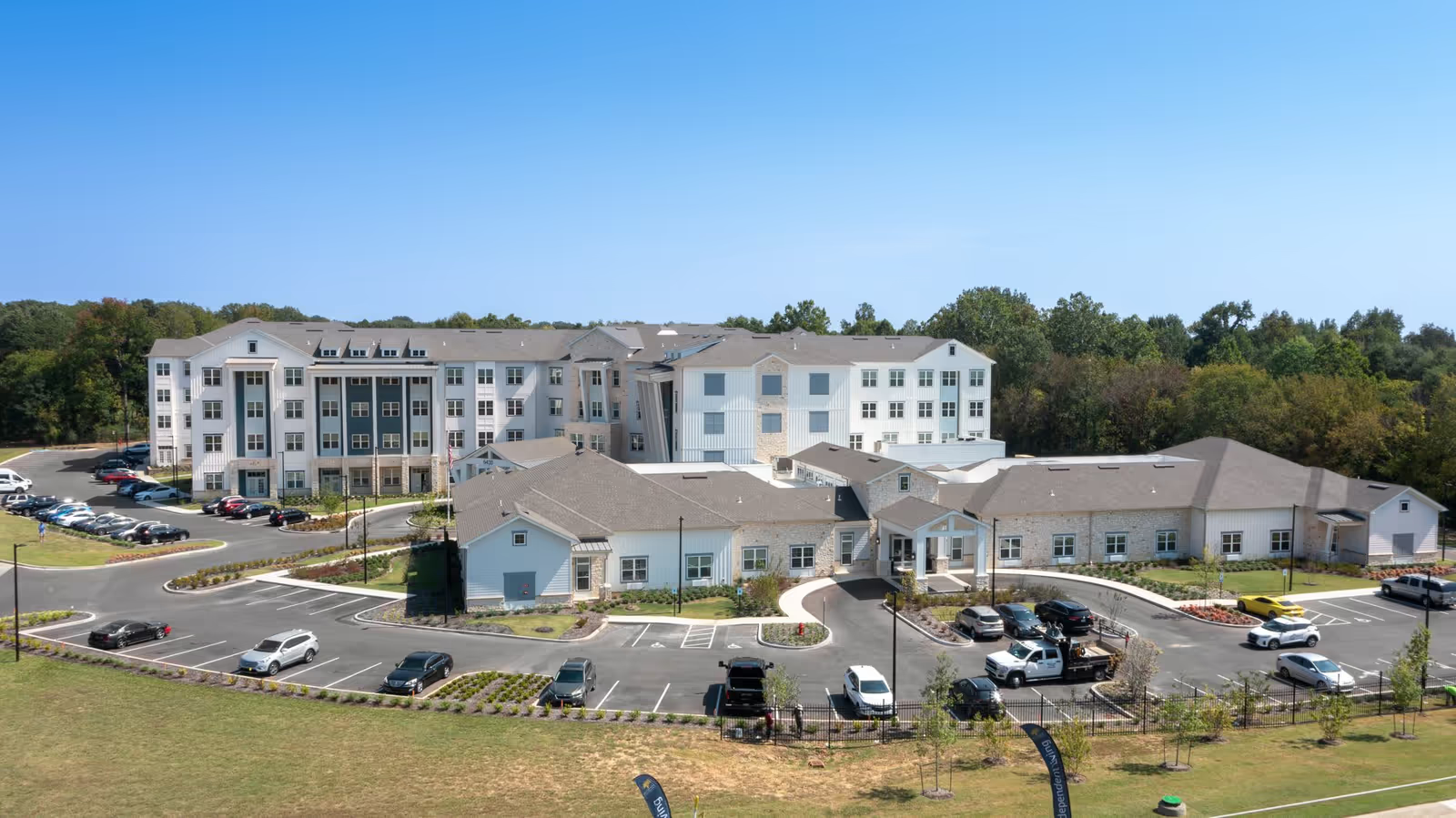
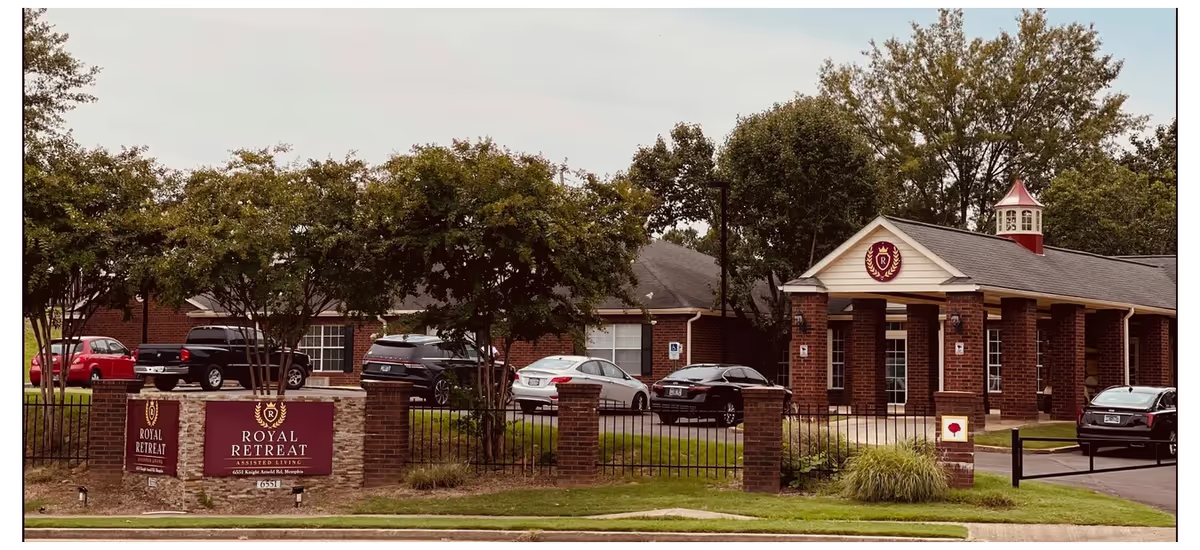
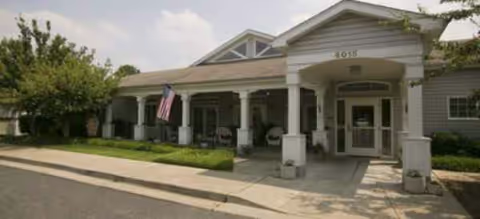
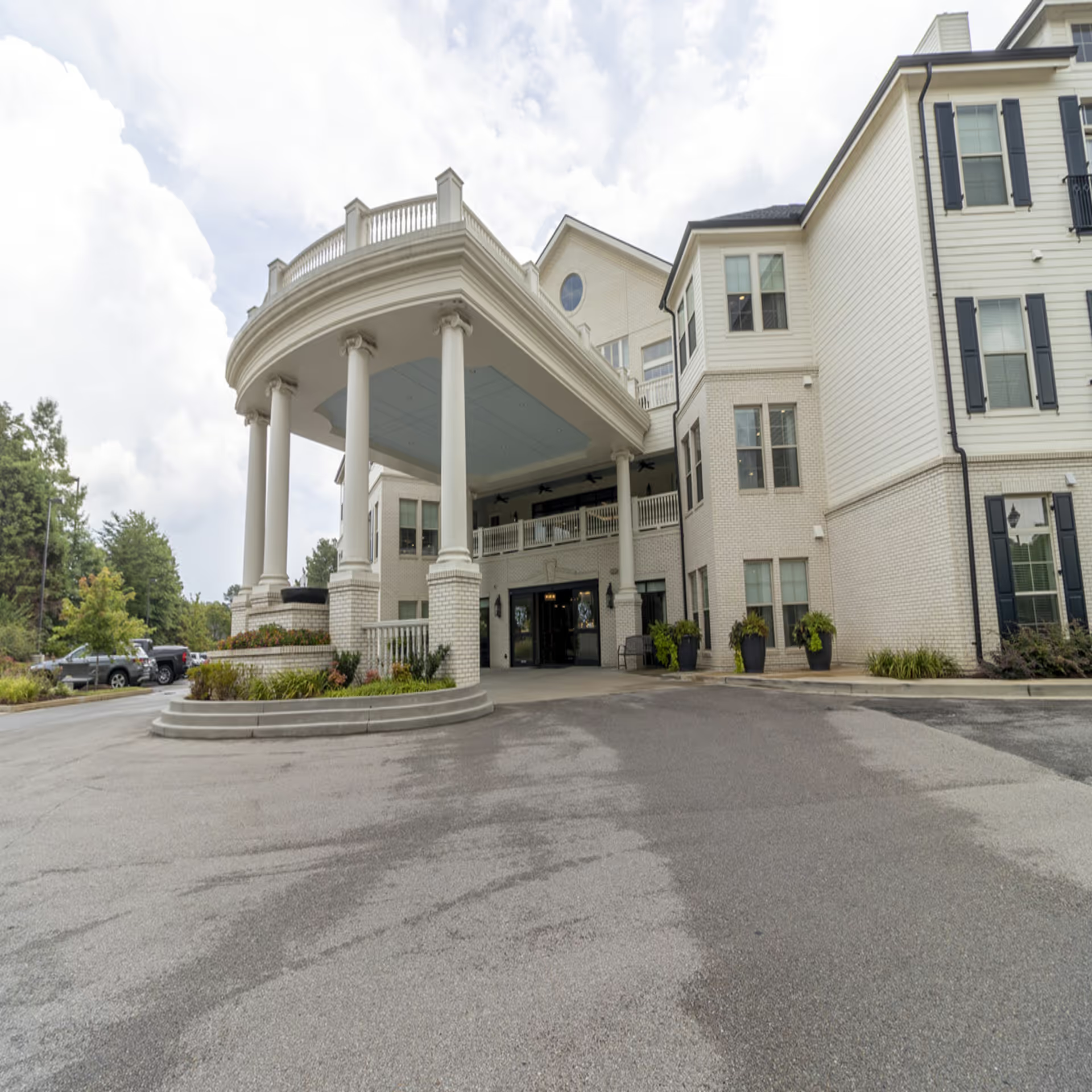
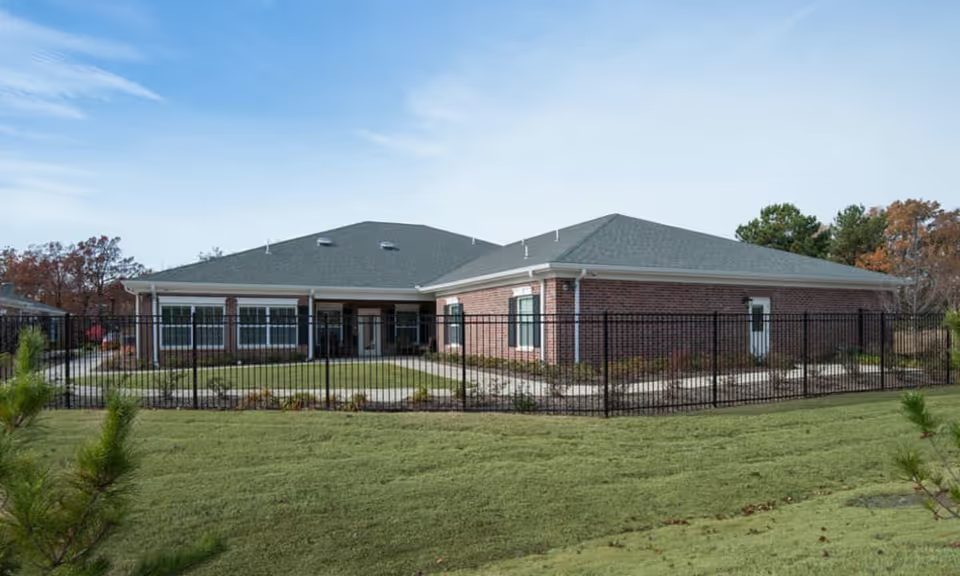
Facilities and logistics: The physical plant is generally described as clean, bright on the assisted-living side, and well-maintained, with several room-size options and secure outdoor areas. Some rooms are noted as small or having constrained floor plans that may be unsuitable for couples. Ongoing renovations and accessible features have been reported positively. Visitor access and parking can be constrained by gated/locked entry systems and limited parking spaces, which family members found inconvenient during frequent visits.
Notable patterns and decision points for families: The Pointe at Kirby Gate may be a good fit for families seeking a smaller, community-oriented facility with engaged frontline staff and a robust assisted-living activities program. Prospective residents and families concerned about higher-acuity memory-care needs should evaluate staffing levels, clinical coverage, and dementia-care training closely. Ask for specifics about 24-hour clinical availability, fall-prevention protocols, bathing and personal-care schedules, meal-service continuity plans, and written billing policies before committing. Also inquire how the current leadership has addressed past administrative and clinical concerns and request recent references from families with memory-care placements.