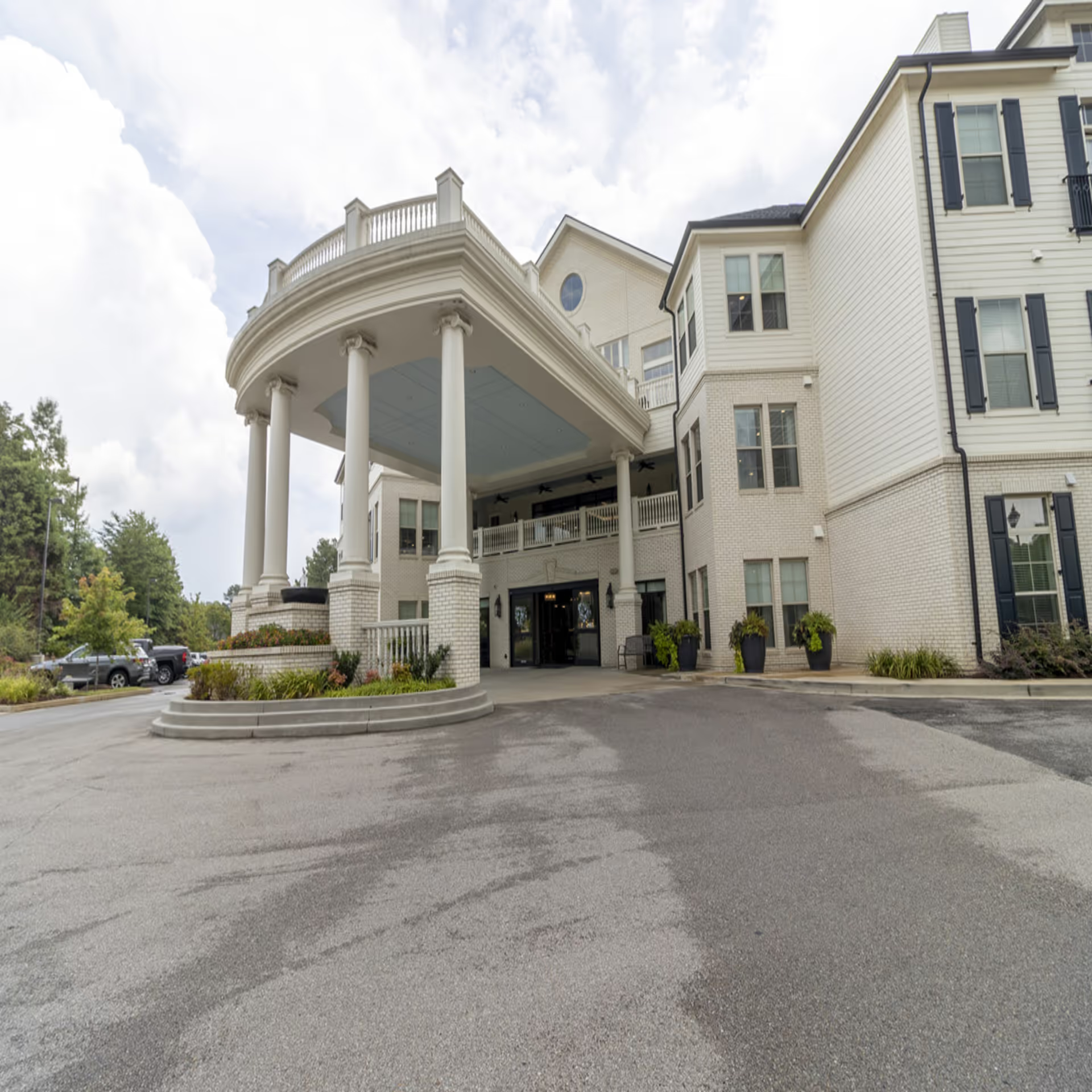
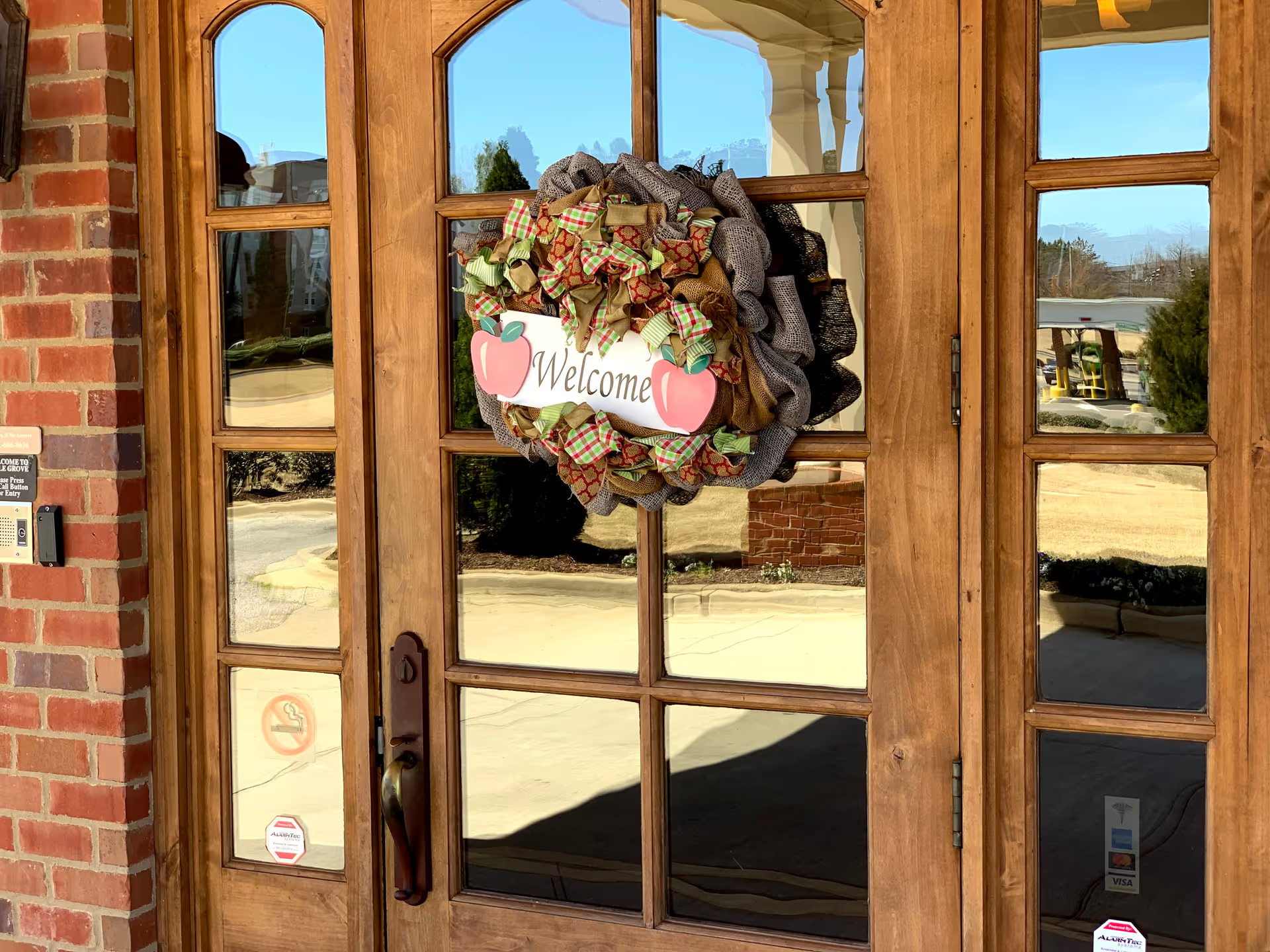
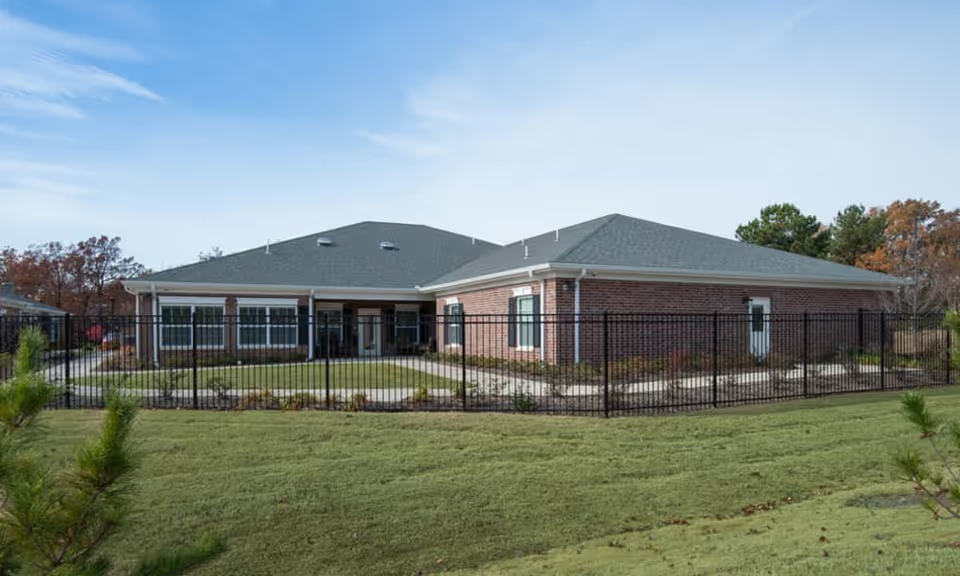
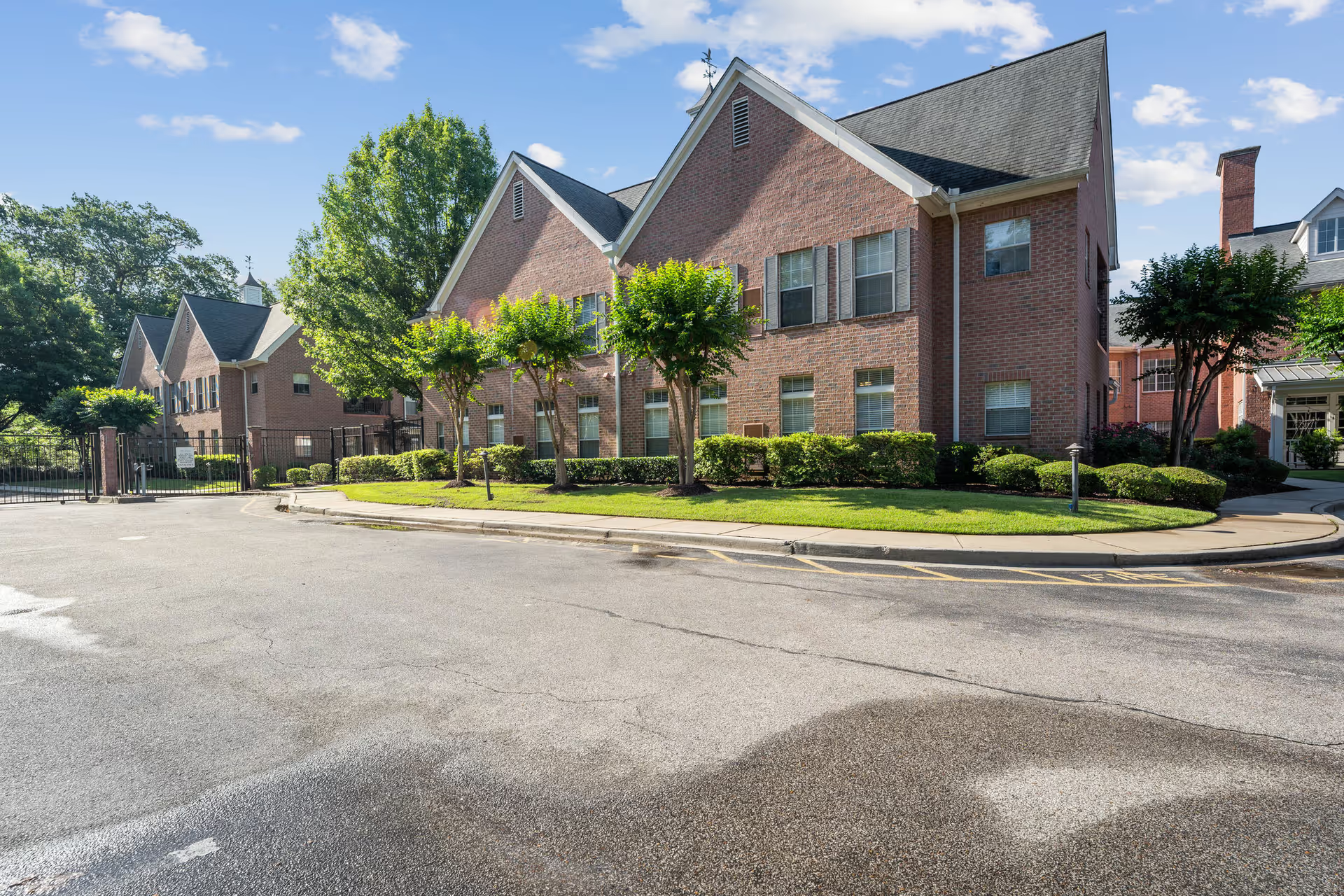
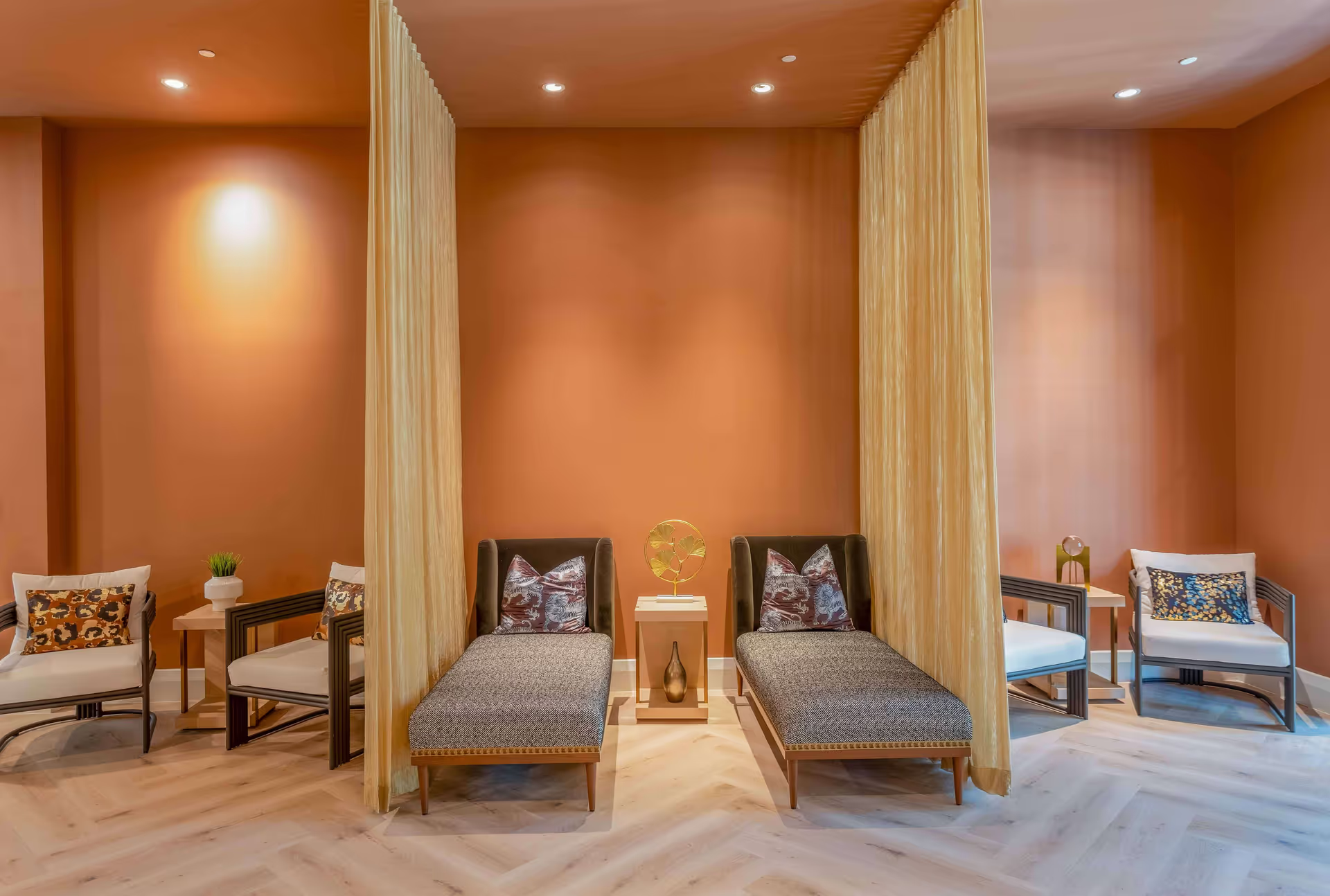
The Summit of Germantown presents as a modern, amenity-rich senior living community with many strengths but also several operational caveats to evaluate. The physical plant and grounds are frequently described as new, clean, and well‑maintained; apartments are bright and spacious with wide hallways, and the site offers desirable amenities such as a gym, pool, on-site washer/dryer, pet-friendly outdoor areas, a gated campus, and visitor accommodations. The community supports aging-in-place with independent, assisted, and memory-care options, and residents commonly cite a welcoming, home‑like atmosphere and active social life.
Staff quality is a central positive theme: numerous comments highlight caring, compassionate, and attentive front-line team members, strong move-in coordinators, and personable sales/tour staff who facilitate transitions. The activity program is robust, with a varied calendar that includes live music, shuttle transportation, classes (bingo, painting), and social events that promote engagement. Dining is often praised for flavor and variety, and a professional culinary staff receives specific commendation; several reviewers described meals as a highlight of community life.
However, reviewers also describe several consistent operational weaknesses. Staffing levels and availability are variable; shortages—particularly on weekends or after management changes—appear to affect dining service, housekeeping, and clinical responsiveness. Meal service continuity is inconsistent in some cases (delays, cold plates, limited options or missing servers), and housekeeping follow-through can be unreliable. Independent living units lack built-in medical-alert systems and on-site clinical staff, and grab bars and similar in-room safety features are not standard without additional installation. Memory-care operations raise particular concern about supervision and fall-risk management; descriptions of delayed assistance and emergency-response lapses indicate potential gaps in clinical oversight and staffing patterns.
Communication and administrative transparency are recurring themes. While move-in coordination and many sales staff are praised for professionalism and individualized attention, other accounts point to aggressive sales approaches, insufficient paperwork explanation, unexpected pricing changes, and incentives that may shift with occupancy and management turnover. Families would be prudent to confirm contract terms, dining credit details, housekeeping schedules, and the status of any promotional pricing. Clinical documentation and family communication around emergent events and advance directives were also described as inconsistent in some cases, suggesting prospective residents should ask how care plans, DNRs, medication management, and emergency notifications are handled and audited.
In sum, The Summit of Germantown offers a high-quality physical environment, a lively activity program, and many devoted staff members who contribute to resident well‑being. Prospective residents and families should weigh these strengths against operational concerns: verify current staffing levels and weekend clinical coverage, clarify in-room safety options and med-alert availability for independent living, review dining service expectations and housekeeping schedules, and obtain clear, written contract and pricing details. An on-site visit focused on these operational elements will help determine whether the community’s experience matches the aspects most important to the prospective resident.