Overall impression: Reviews convey a generally positive experience with day-to-day care and living conditions at Wesley Fountain Place. Families and residents repeatedly describe the community as clean, quiet, and home-like, with compassionate direct-care staff and a professional clinical team. Dining, social programming, and room size are highlighted as particular strengths, while operational and management areas show patterns of concern that may affect long-term satisfaction and continuity of care.
Care quality and staff: Care is described as warm and attentive, with staff characterized as friendly, compassionate, and knowledgeable about dementia care. Reviewers specifically praised dementia-informed staff and named individual caregivers as effective; the presence of modern clinical equipment was also noted. At the same time, reviewers raised concerns about the number of certified staff available and low frontline compensation. These workforce issues suggest potential staffing constraints and turnover risk that could influence response times and continuity of care over time.
Dining and activities: Dining receives strong positive comments — meals are described as tasty, varied, and served in a restaurant-style setting. Recreational programming is active and includes bingo, church services, trips, and organized outings; many residents participate and benefit socially from these offerings. Some reviewers indicated that not all residents engage in activities, pointing to variability in participation and the need for differentiated engagement strategies to reach less-involved residents.
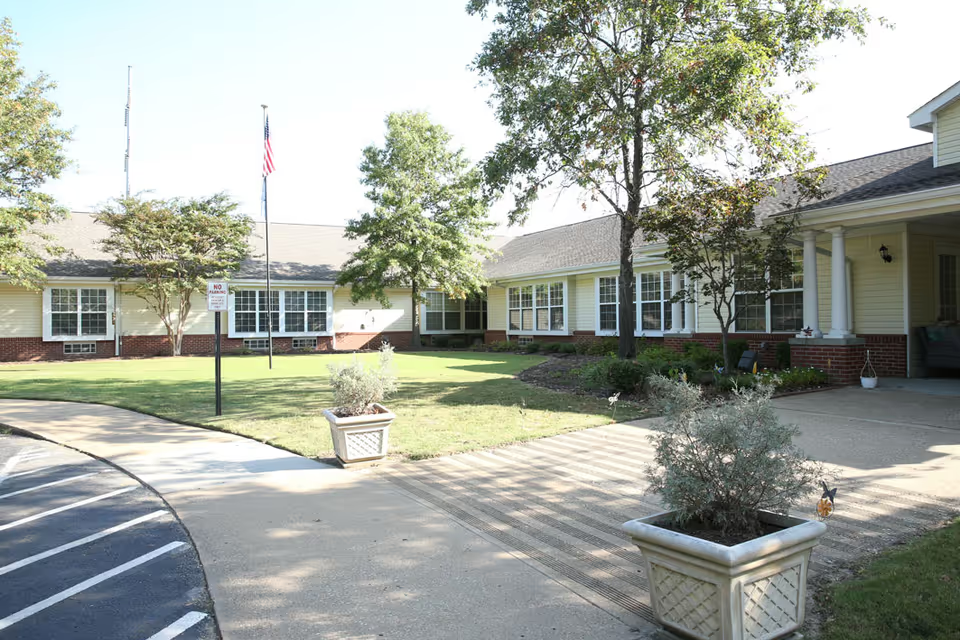
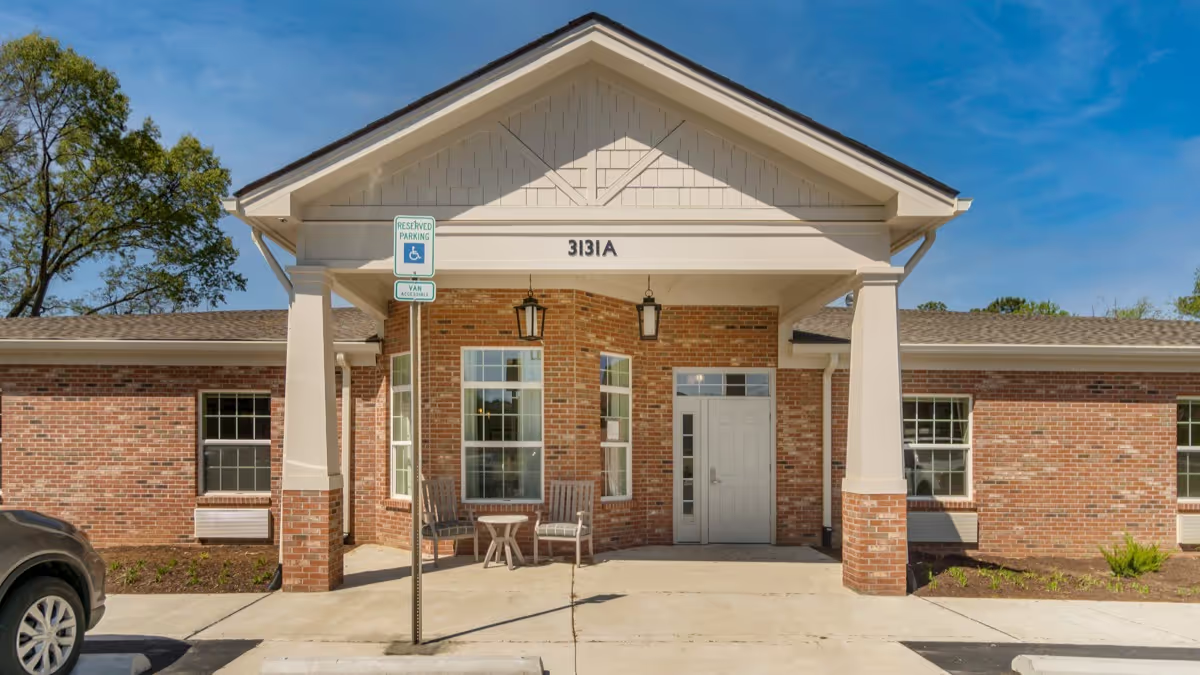
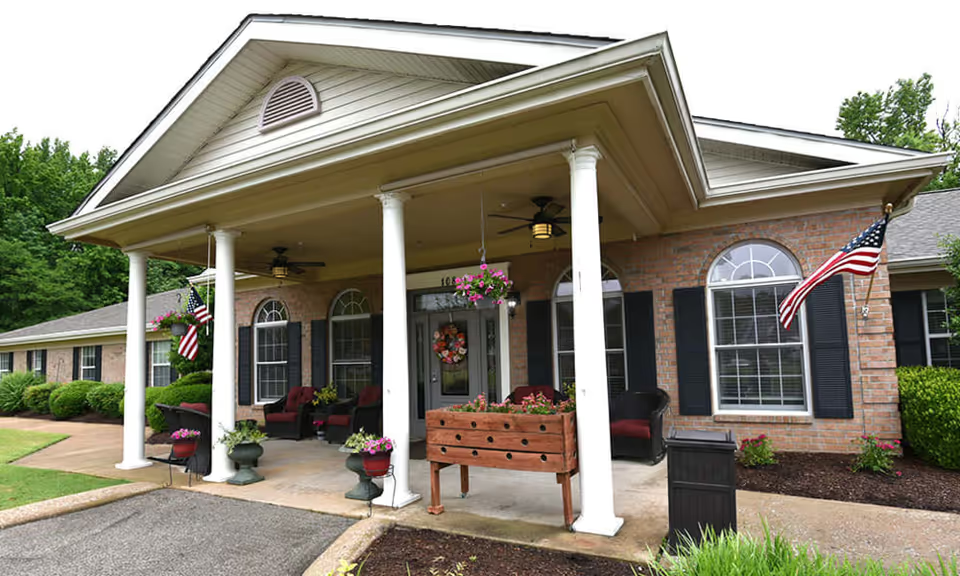
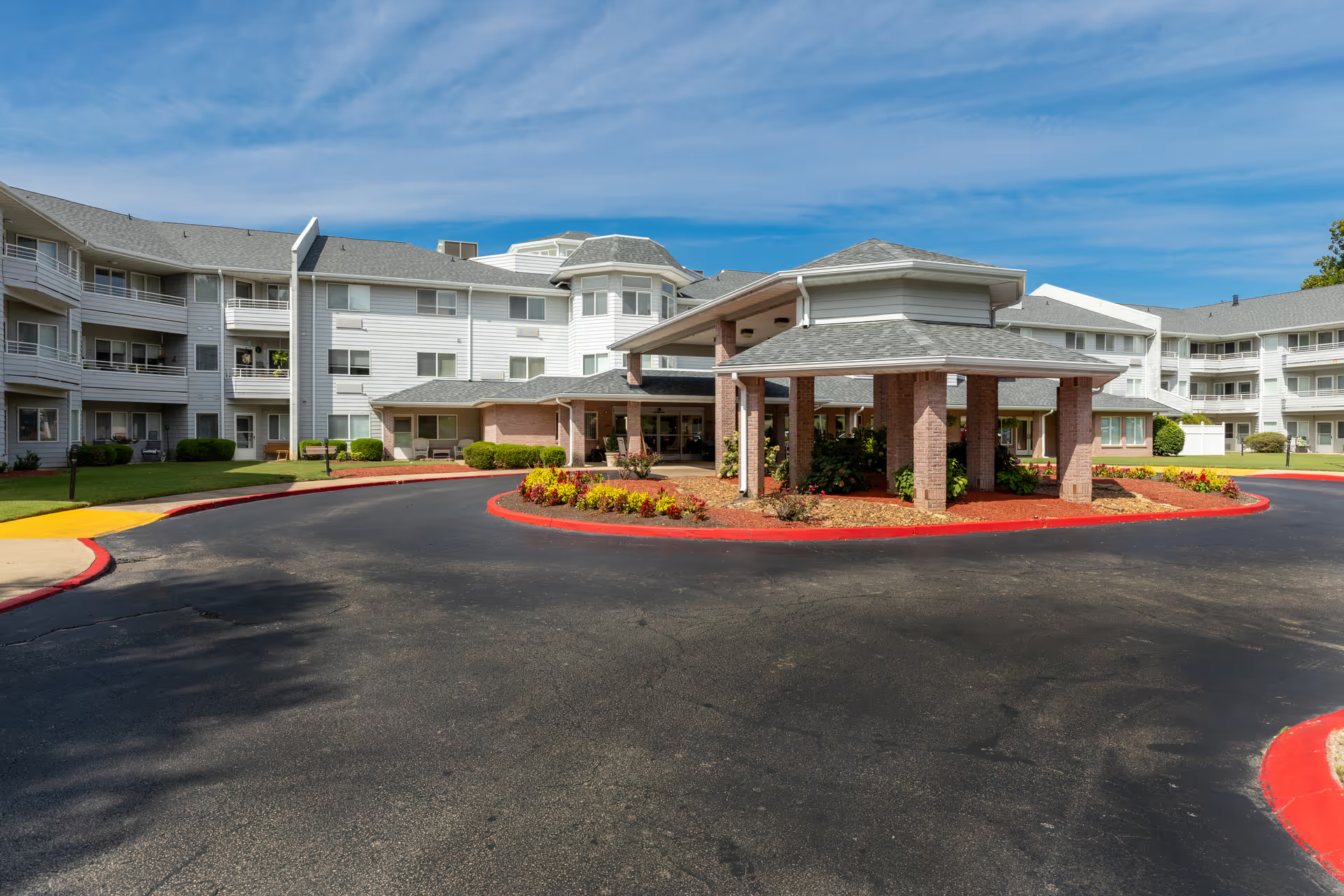
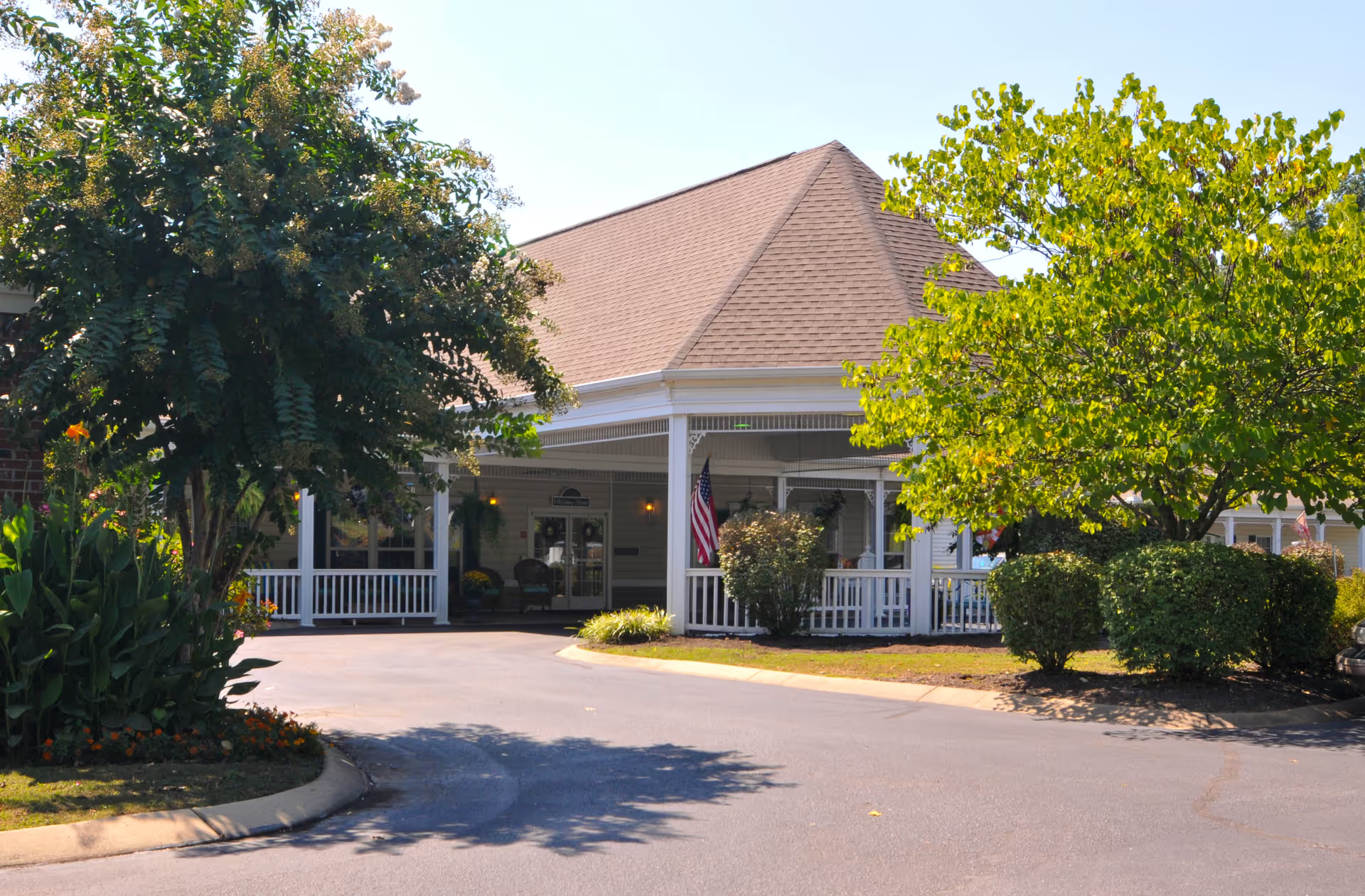
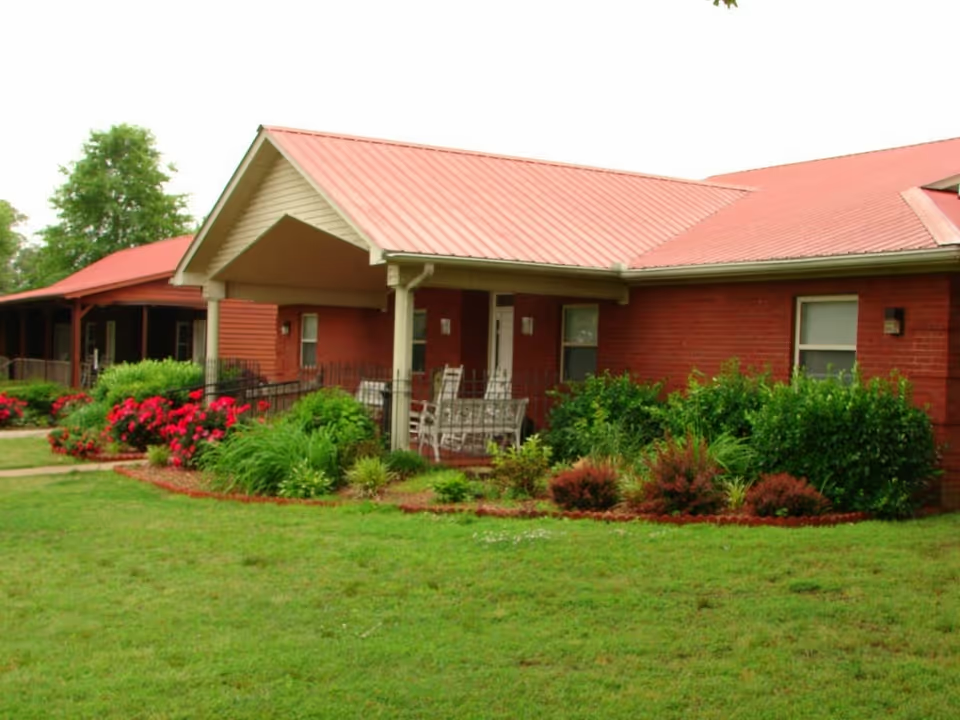
Facilities and accommodations: The physical environment is frequently described as clean, organized, and well-maintained, with attractive grounds and a peaceful atmosphere. Rooms are noted as large, private, and customizable with personal furniture. Infection-control measures (for example, mask use and physical barriers during the pandemic) were implemented and mentioned positively. However, there are also comments indicating deferred maintenance and repair needs in some areas, which suggests uneven upkeep in parts of the facility.
Management and communication: Several reviews identify weaknesses in corporate-level communication and family notification practices, particularly related to resident moves and other administrative actions. These communication gaps, combined with concerns about staffing levels and compensation, represent the primary operational issues raised by reviewers. Addressing transparent family communication protocols, maintenance backlog, and certified-staff capacity would likely improve overall confidence among residents and families.
Notable patterns: Strengths center on direct-care interactions, dining, and an inviting physical environment. The most consistent operational concerns involve corporate communication, staffing capacity/compensation, and selective maintenance needs. Prospective residents and families should weigh the facility’s strong hands-on care and programming against the potential implications of staffing and administrative challenges; direct questions about staffing ratios, maintenance plans, and family-notification policies are recommended during visits.