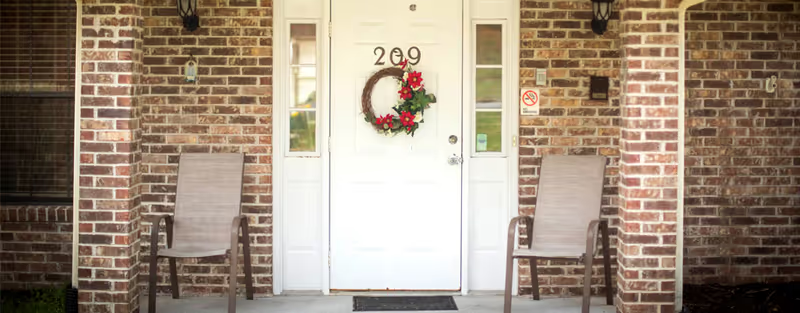
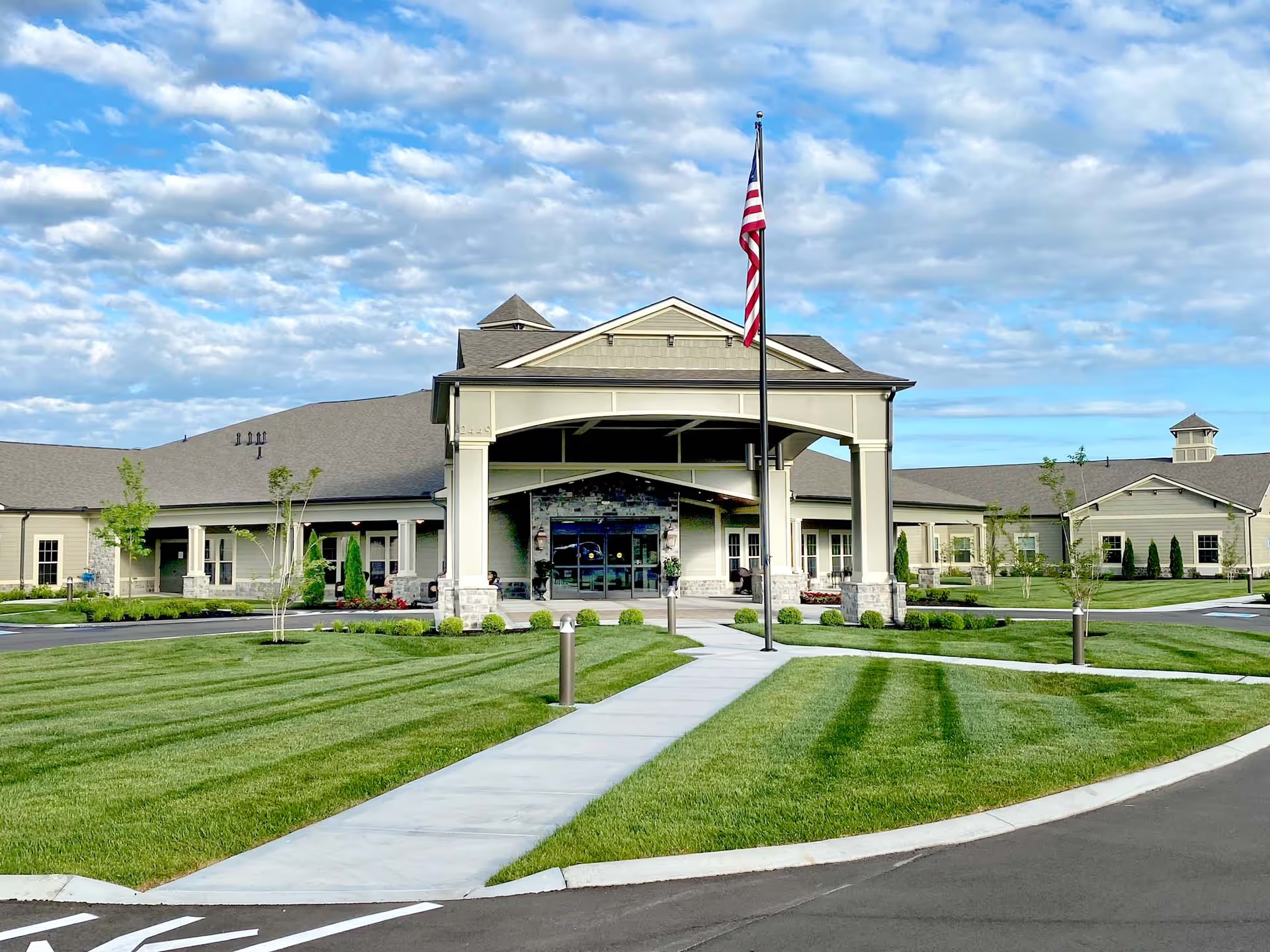
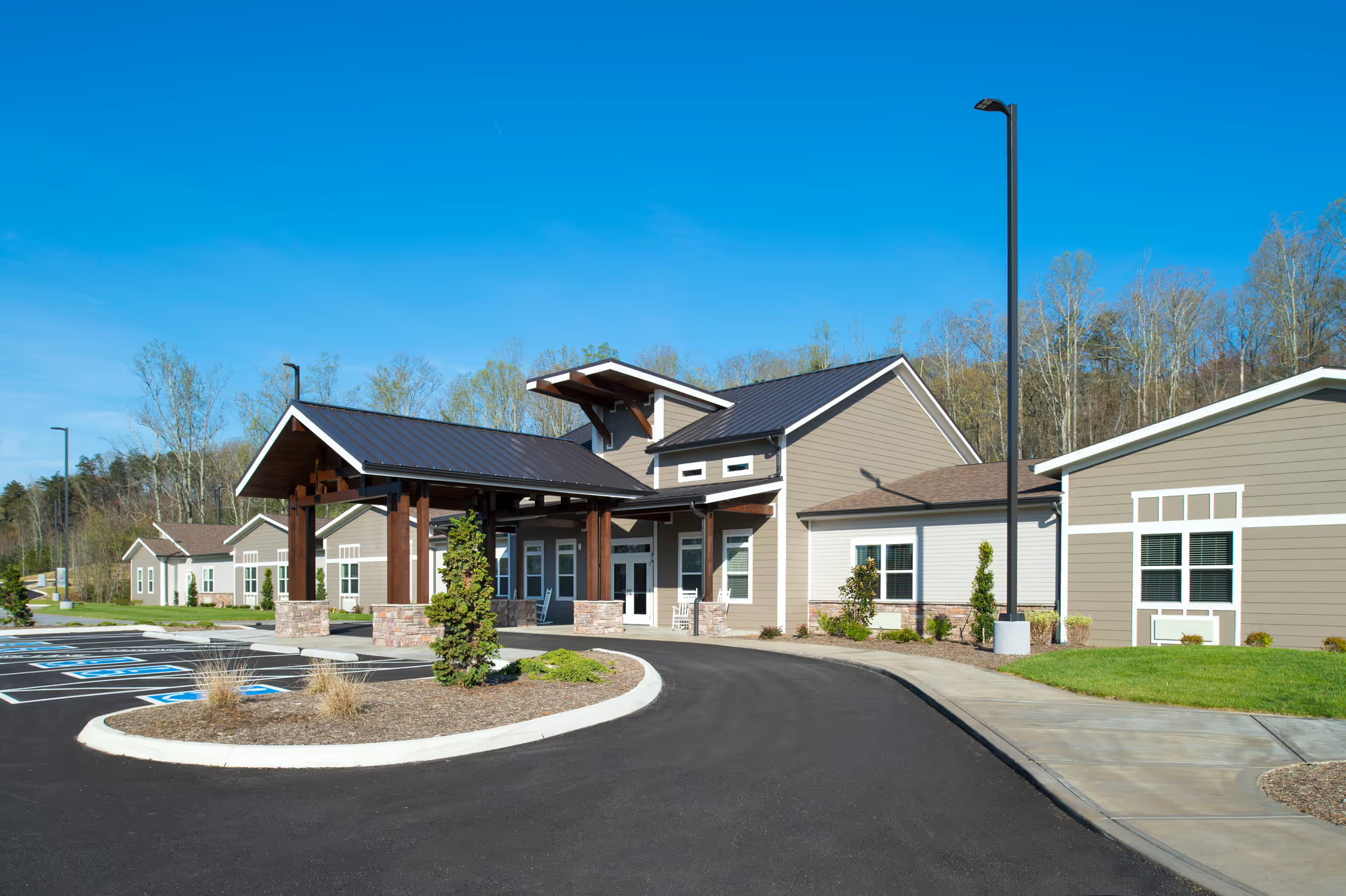
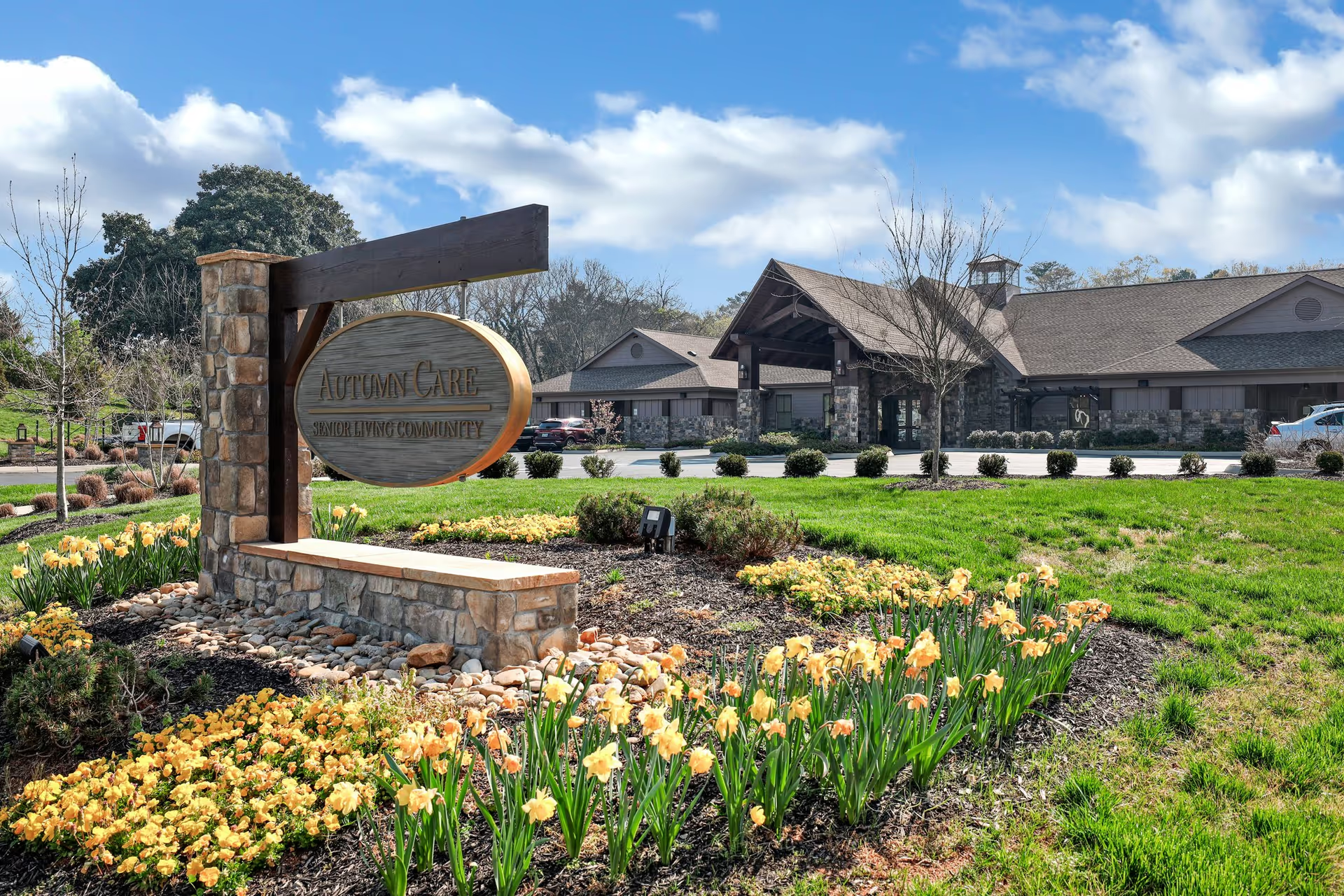
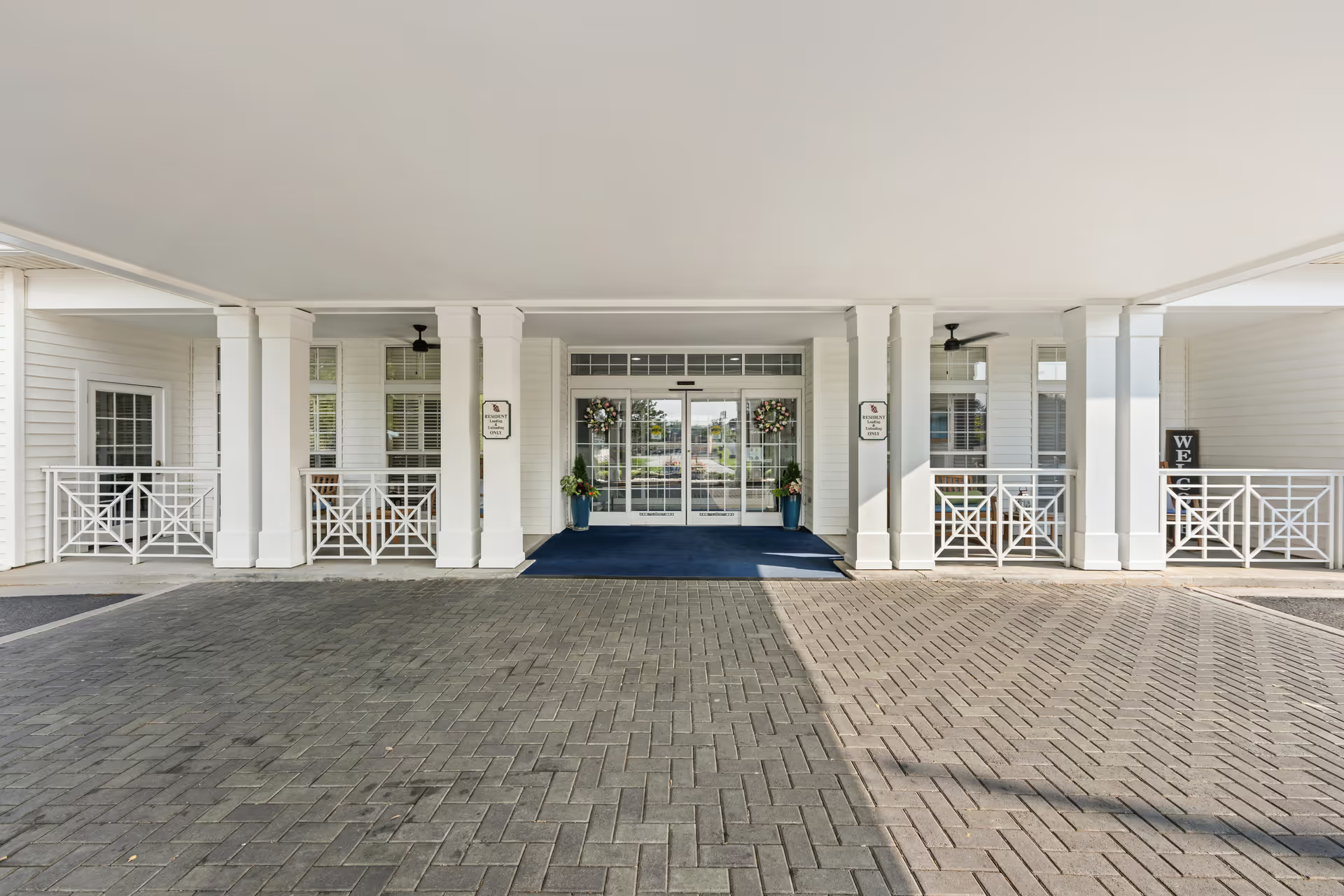
The Groves at Oak Ridge presents a mixed but generally positive picture across many dimensions commonly assessed by families. Strengths repeatedly noted include a compassionate, hands-on caregiving culture, experienced nursing and therapy staff, and a clean, well-maintained physical environment. Residents and families frequently praise the one-floor layout, spacious apartment options with small kitchen amenities, multiple courtyards, and a pleasant dining room. The community’s Life Enrichment programming, regular outings, on-site therapy services, and a visible family-like atmosphere are clear advantages for social engagement and rehabilitation needs.
Care quality and staffing are areas of relative strength in many accounts: reviewers emphasize attentive RAs, knowledgeable nurses, and therapists who work well with families. Long-tenured staff and strong maintenance/administrative responsiveness contribute to continuity of care and a sense of safety. At the same time, there is notable variability in operational consistency. Several accounts point to irregular housekeeping and room-cleaning schedules, delays in clearing dishes, and occasional sanitation or odor concerns in common spaces. Staffing variability and periodic shortages are cited as factors that can affect day-to-day service continuity.
Dining and clinical operations show mixed patterns. Many families describe enjoyable meals and a varied menu, while others note repetitive breakfasts and uneven food quality. The practice of charging extra for in-room meal delivery and some perceived billing opacity have raised questions. Clinically, reviewers mention gaps in medication-management documentation and intermittent communication challenges with nursing leadership or providers; these translate into family concerns about timely medication refills and follow-up. There are also discrete but serious items: litigation and regulatory inquiries have been referenced, and at least one account raises allegations of staff misconduct. These legal and regulatory issues warrant direct inquiry during a tour and discussion with administration.
Activity programming and social life are frequently highlighted as strengths: exercise groups, music, outings, and resident committees are in place and well regarded. Some residents, however, and their families express a desire for more cognitively stimulating or individualized activities, particularly for higher-functioning residents. Memory care is offered and many families describe it as secure and supportive, but others note restricted outdoor access for memory-care residents and limited private visiting space overall.
Management and communication receive mixed feedback. Several reviewers praise an engaged director and responsive admissions staff, citing smooth transitions and good family support. Conversely, some families report inconsistent communication from clinical staff and slower responses from certain providers. Given the breadth of feedback — ranging from high satisfaction with compassionate daily care to serious, isolated legal and clinical-management concerns — prospective residents and families should prioritize an in-person tour, request written answers on staffing ratios, medication-administration and documentation practices, pest-control protocols, housekeeping schedules, and specifics about billing for meals or room service. Verifying the current status of any regulatory inquiries or litigation and speaking with current families during a visit can help clarify whether the operational inconsistencies described have been addressed.