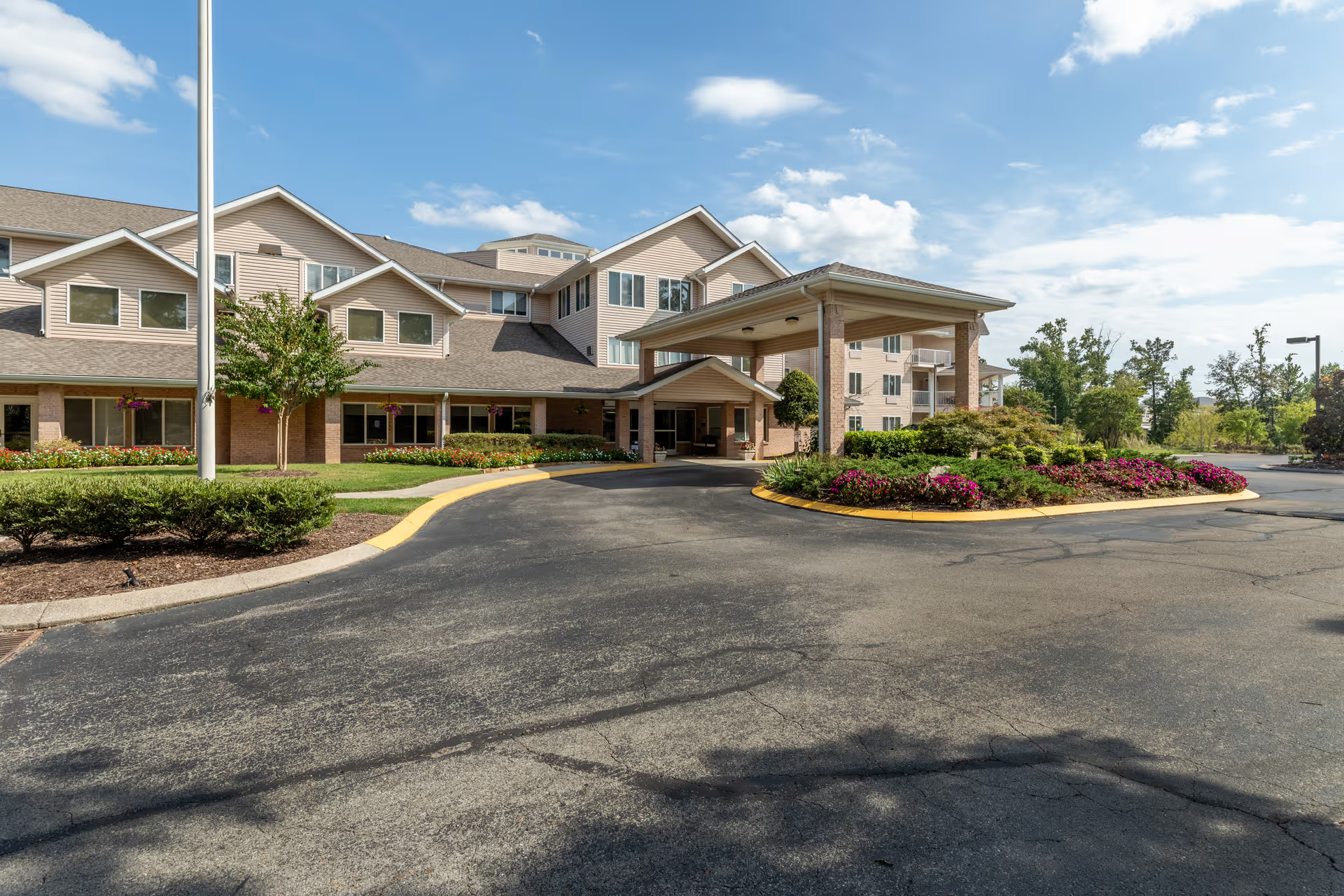
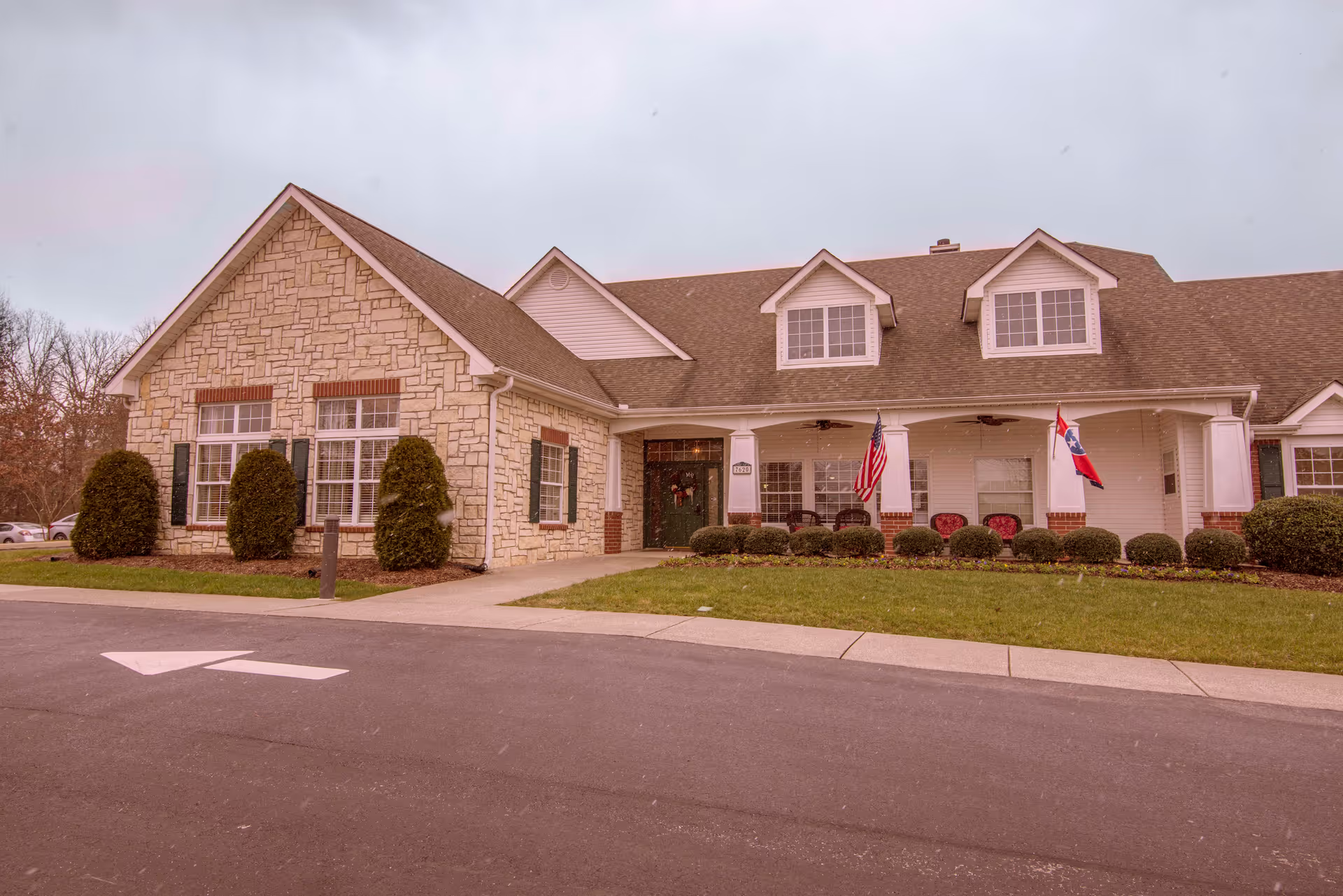
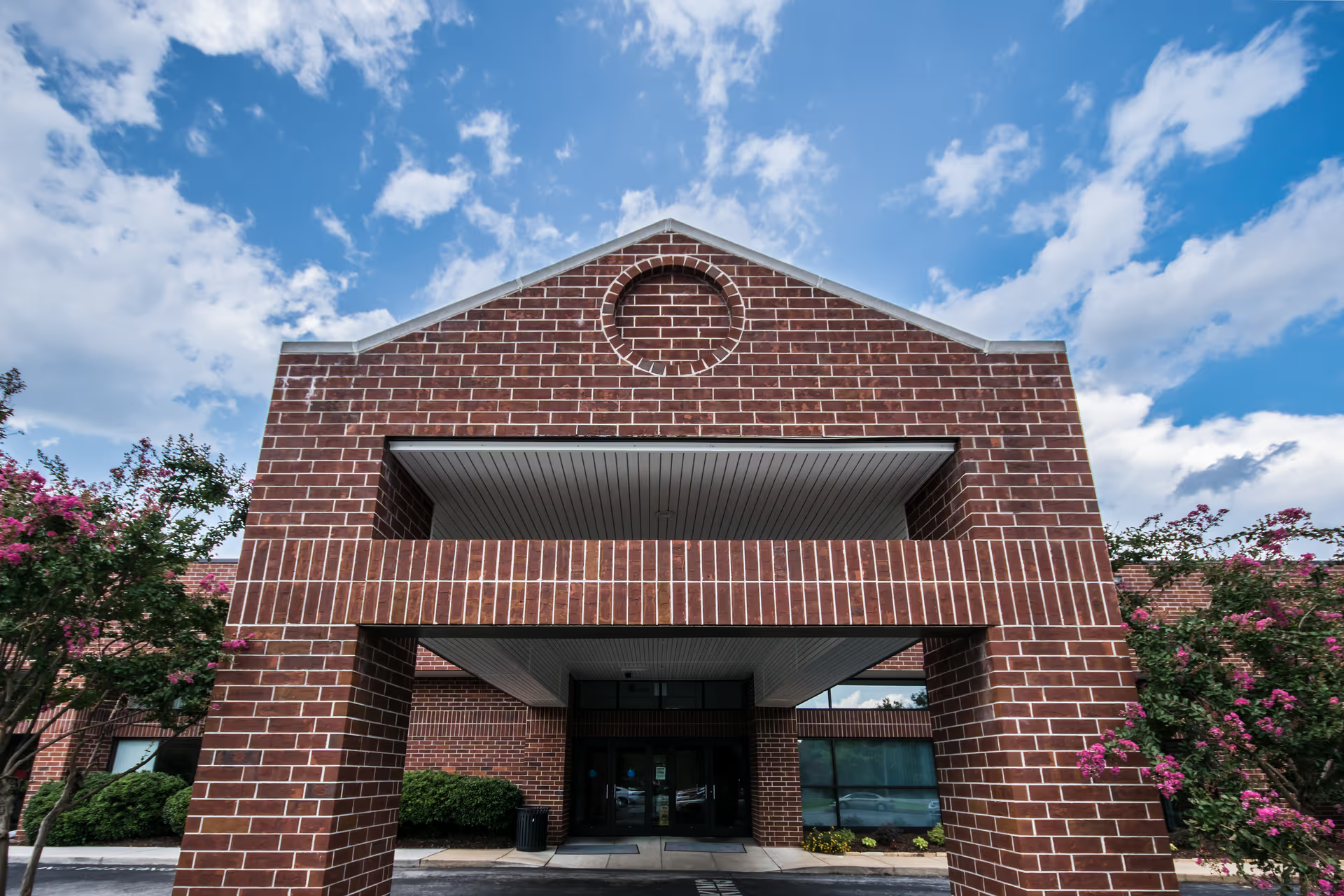
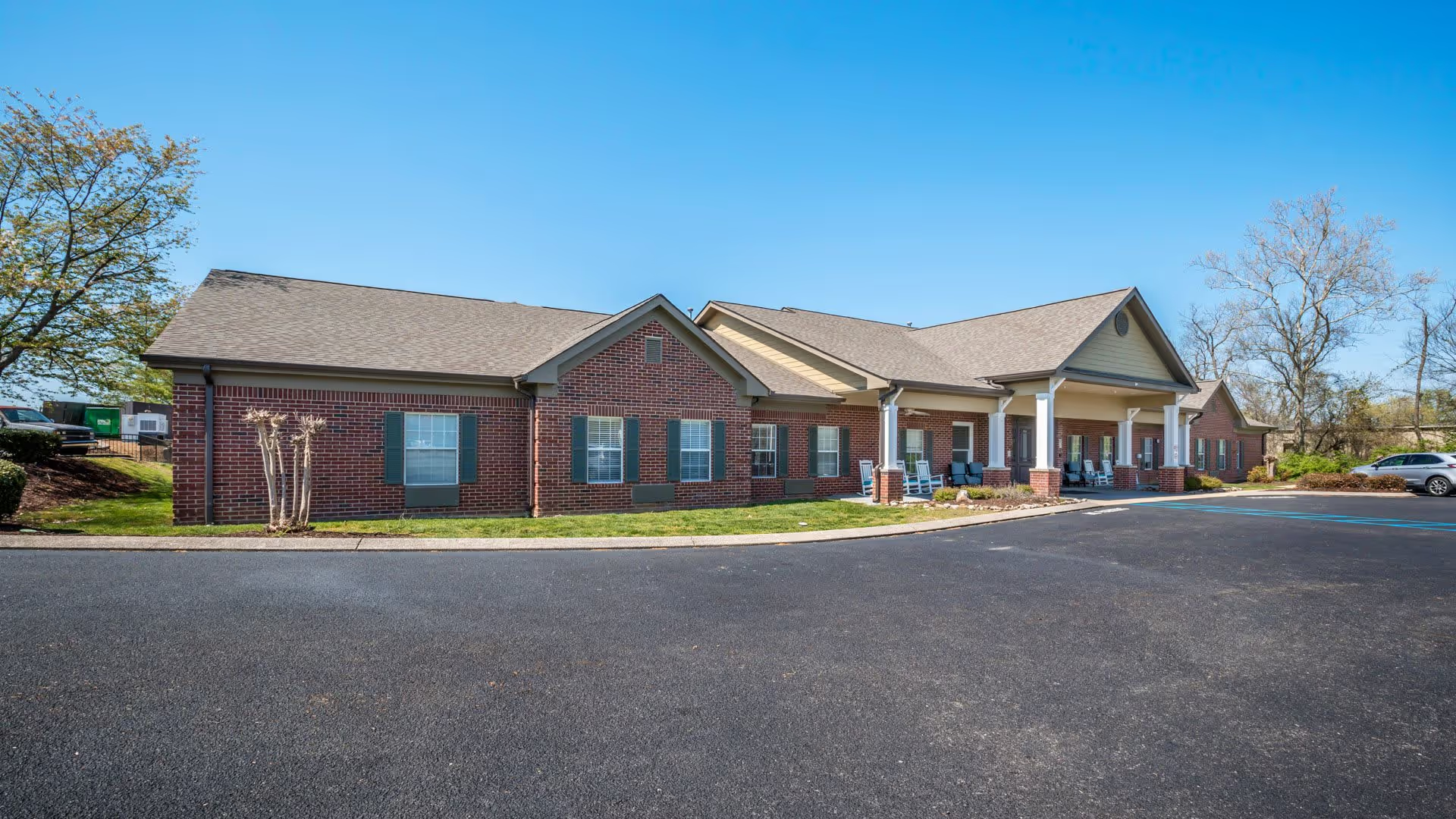
Overall impression: Reviews portray The Bridge at Ooltewah as a well-appointed, resort-like assisted living community with a pronounced emphasis on compassionate, resident-focused care. Families and residents consistently note a warm, family-style culture, clean and bright interiors, and an extensive slate of on-site amenities — from salon services and in-room diagnostics to multiple social spaces and landscaped courtyards. Clinical supports are a clear strength: the community maintains 24-hour nursing coverage, on-site medical providers, therapy services, and prompt safety-response practices that contribute to a sense of security.
Care and staff: Staff interactions are a recurring strength. Caregivers, nurses, and front-line employees are described as attentive, respectful, and willing to go beyond baseline duties. Leadership presence and responsiveness are also repeatedly highlighted, which reviewers link to proactive problem-solving and family communication in many cases. At the same time, reviewers indicate operational stressors consistent with the sector: intermittent staffing shortages and variable responsiveness during infection-control events have impacted perceptions of reliability at times.
Dining and activities: Dining is frequently praised for a restaurant-like atmosphere, menu selection, chef visits, and accommodating kitchen staff; many families report dietary variety and second portions as positives. However, some reviewers cited inconsistent food quality and a few noted that meal experience can vary. The activities program is another strong element — reviewers point to a dedicated Activities Director, a broad calendar (games, music, outings, Bible study, and special events), and meaningful social opportunities. There are also notes that a subset of residents remain less engaged and that programming depth is variable for certain interests.
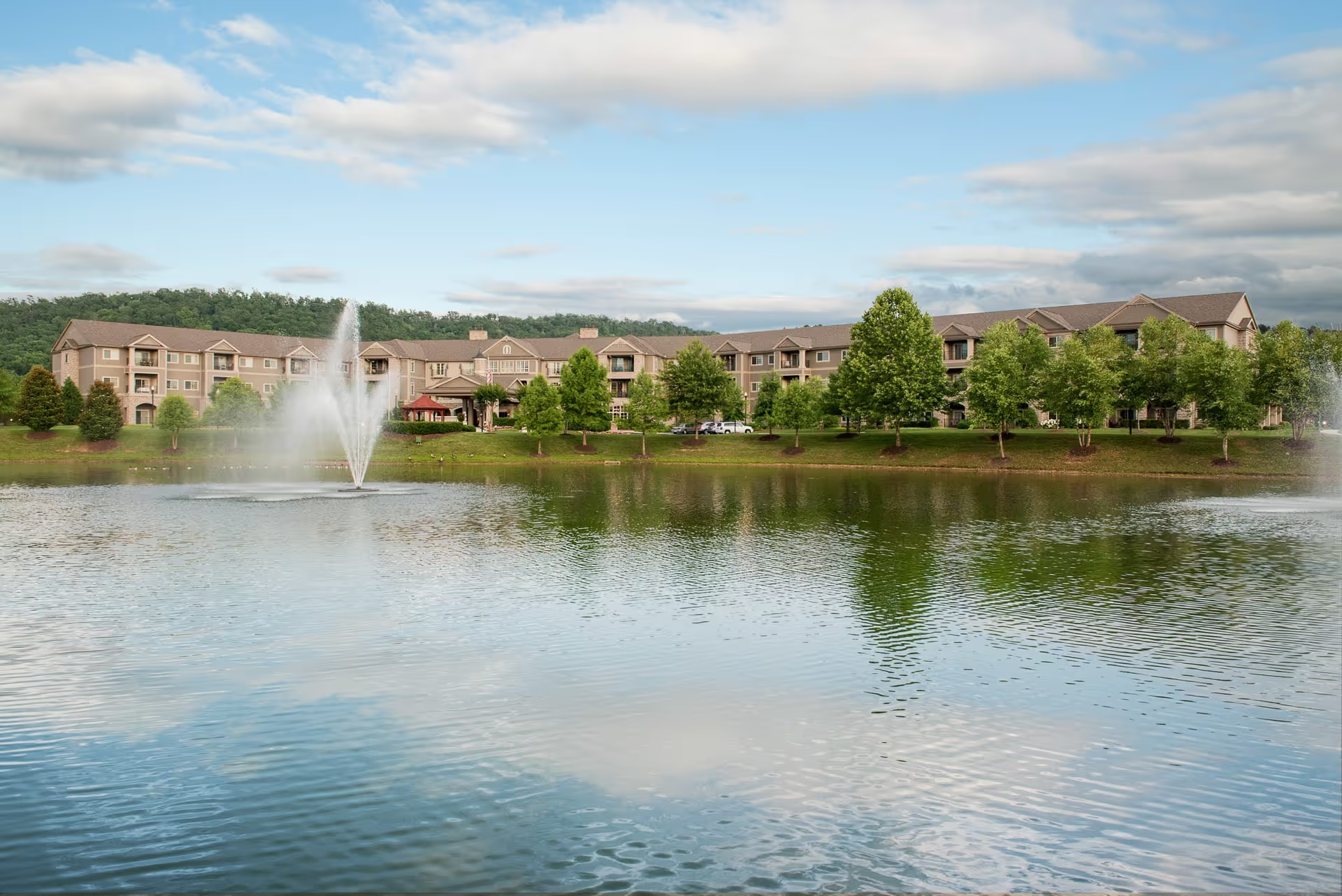
Facilities and operations: Physical assets receive uniformly positive commentary: spacious, well-decorated apartments, multiple communal rooms, clean dining areas, and salon/therapy spaces. Housekeeping, laundry, and maintenance responsiveness are strengths that support a hotel-like environment. Operationally, some families raised concerns about cost and financial transparency, including perception of high pricing and occasional contract or billing discrepancies. Additional operational issues mentioned include complexity around medication packaging processes, dining-room capacity during busy periods, and inconsistent administrative communication. Infection-control practices during the COVID period were described as challenging in places, with mixed views on timeliness and proactivity.
What to watch for: Prospective residents and families should weigh the clear clinical and hospitality strengths — round-the-clock nursing, engaged staff, robust amenities, and an active social calendar — against operational considerations such as staffing variability, food consistency, contract/billing clarity, and pricing. Visiting at a mealtime and attending an activity are practical ways to assess current dining quality and program engagement. Asking targeted questions about staffing ratios, medication-handling procedures, contract terms, and recent infection-control practices will help clarify whether the facility’s operational performance aligns with your expectations.