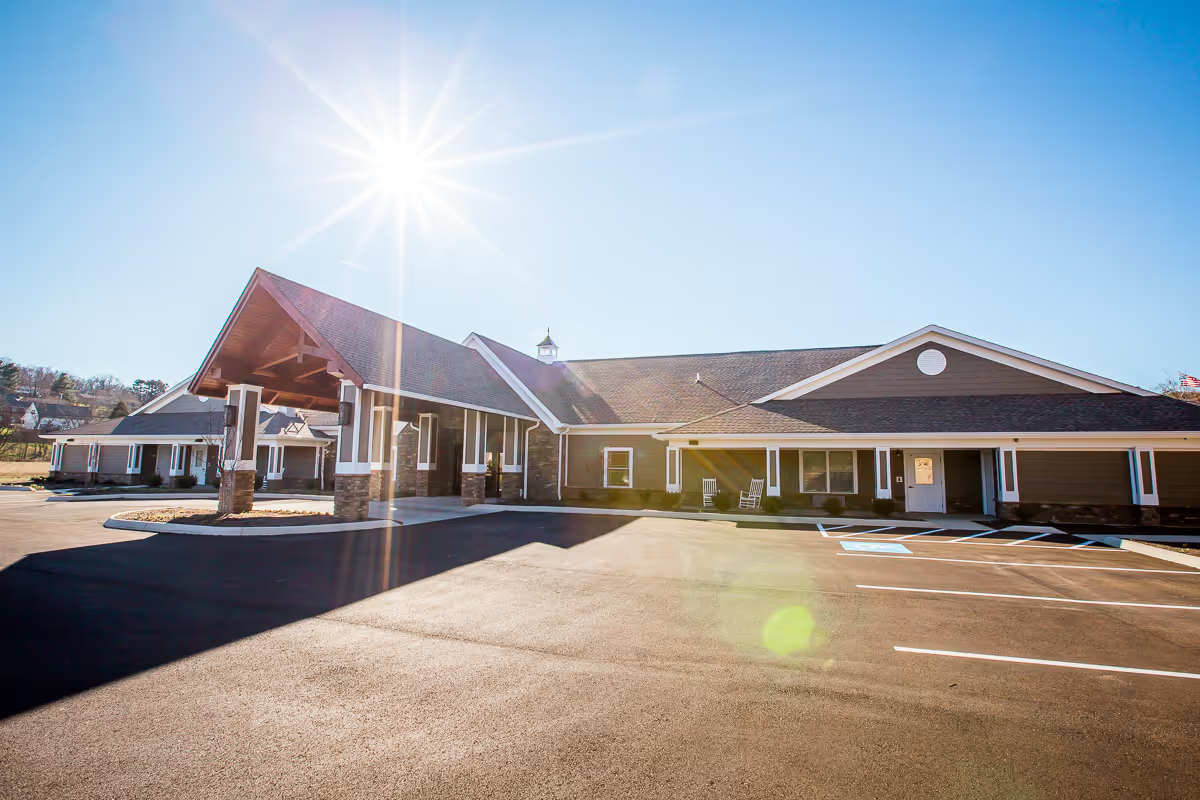
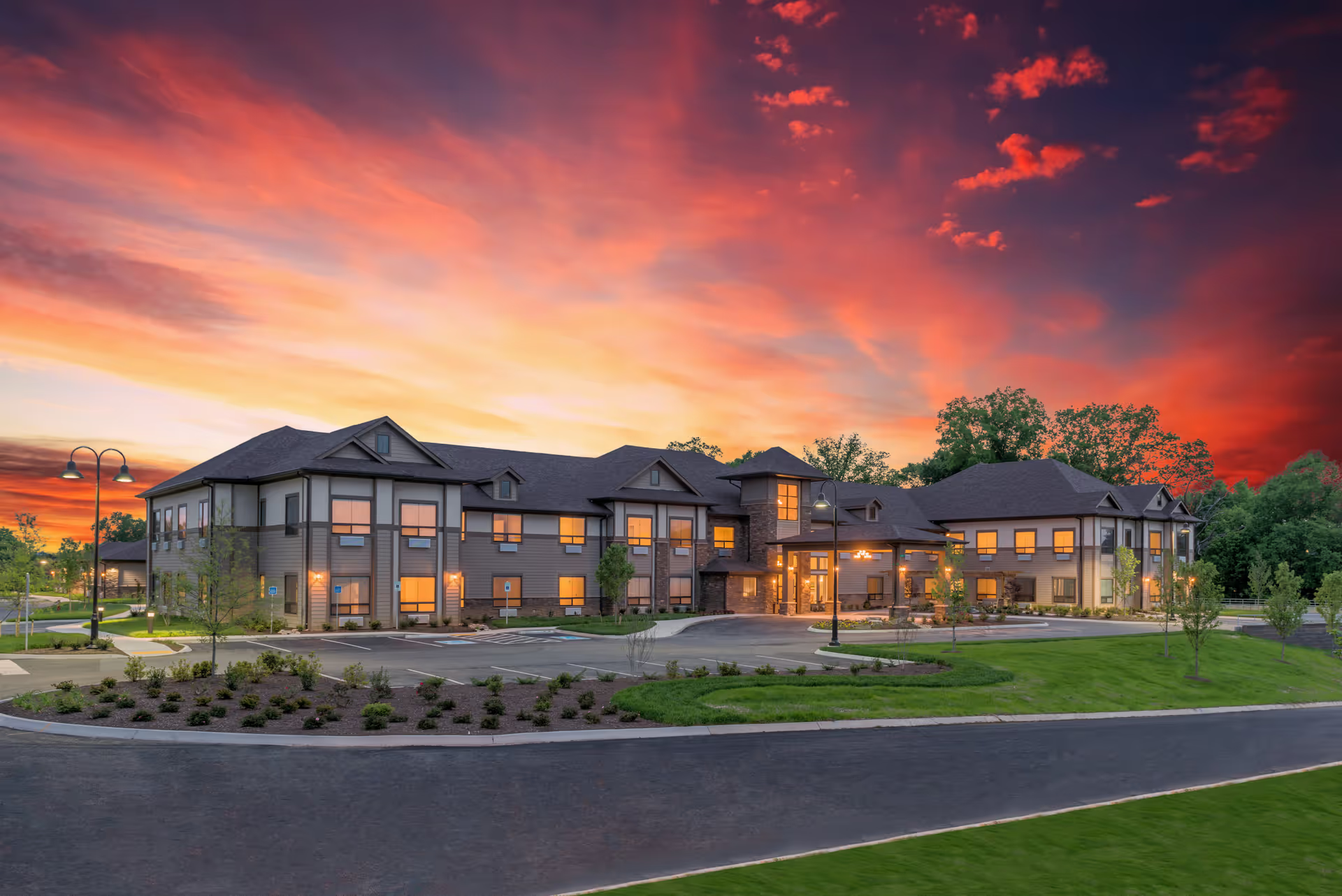
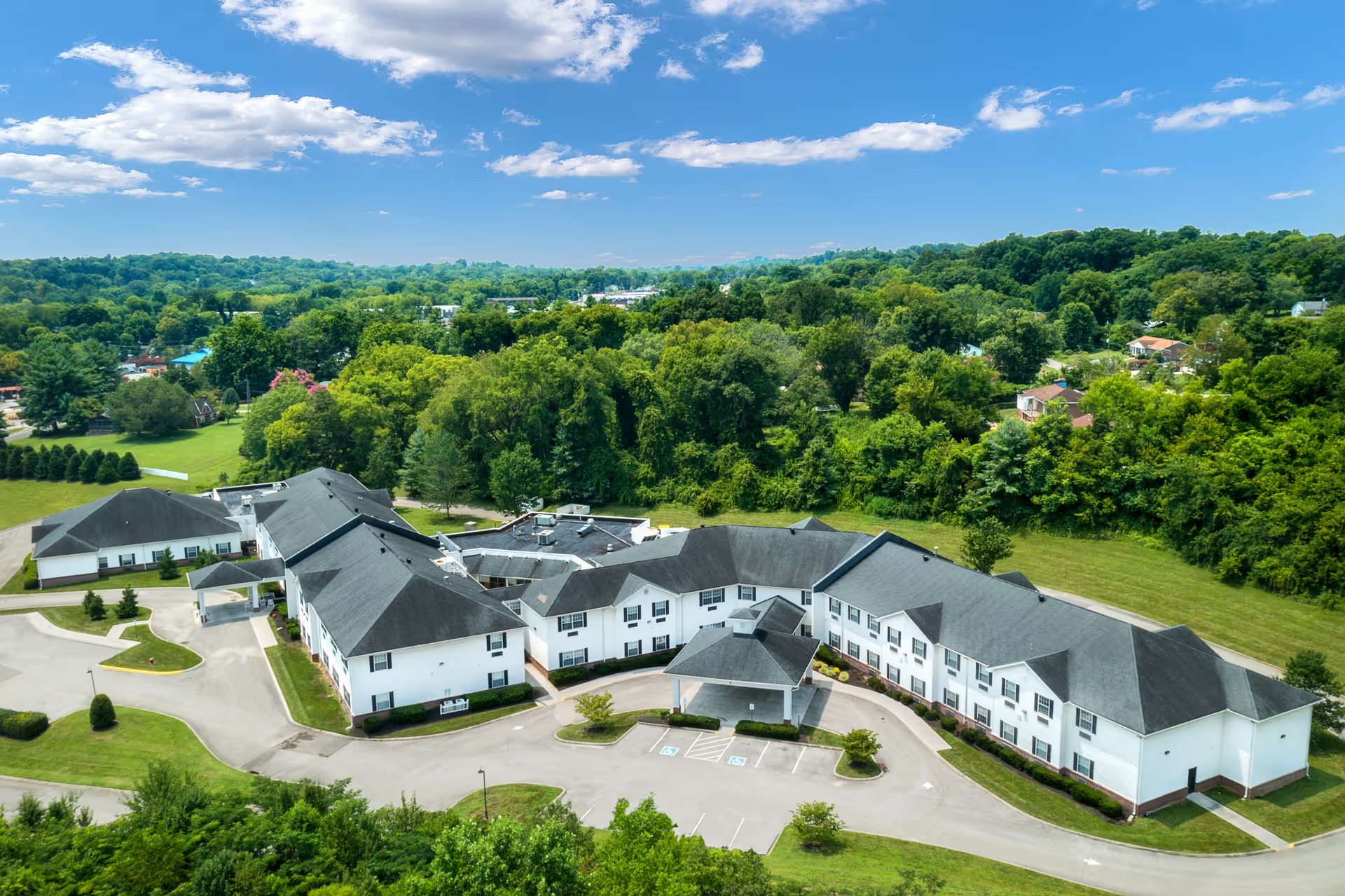
The reviews for Ridgeview Terrace of Life Care present a mixed but distinct pattern. Many families describe positive day-to-day experiences: staff are repeatedly characterized as compassionate, attentive, and family‑oriented, and several accounts highlight strong short‑term rehabilitation outcomes and successful clinical recoveries. The facility itself is frequently described as clean and well maintained, with a welcoming atmosphere and an admissions team that communicates effectively and appears knowledgeable. These strengths make Ridgeview Terrace attractive for families seeking rehabilitation or longer‑term care with a personable staff presence.
At the same time, a consistent set of operational concerns appears across reviews. The most prominent issue is unreliable resident telecommunication and internet access, with accounts of residents being unable to call or text for extended periods. This problem is especially consequential for non‑ambulatory or bedridden residents who reportedly have less access to communication devices, creating a perception of unequal access to basic communication resources. Relatedly, reviewers described episodes where staff responsiveness and follow‑through were inconsistent, and where the facility’s readiness to manage acute clinical changes or to transfer residents to higher‑level care was questioned. These reports suggest gaps in escalation protocols and in capacity for higher‑acuity needs.
Other areas of concern involve variability in personal‑care practices and overall care consistency. While many families praised specific staff members by name for respectful, diligent care, there are also individual accounts indicating lapses in dignity during routine care tasks and disagreements about appropriate clinical decisions (for example, decisions around hospital transfers). This produces a polarized experience for families: some report excellent, trust‑building interactions and good outcomes, while others report delays or dissatisfaction with clinical decision making and responsiveness.
Information about dining and activities is limited in the available summaries; neither consistent strengths nor systematic weaknesses in these areas were clearly described. Facilities-wise, aside from the telecommunication issue, the physical environment is generally praised for cleanliness and a lack of pervasive odors. From a management perspective, admissions and front‑line administrative personnel are often singled out positively, but operational inconsistencies between admissions/administration and clinical operations are suggested by the divergent family experiences.
For prospective residents and families considering Ridgeview Terrace, useful due diligence would include asking about current internet and phone reliability for residents (and redundancy plans), clarifying transfer and escalation protocols for acute changes in condition, inquiring about how communication access is provided to non‑ambulatory residents, and discussing personal‑care dignity standards and oversight. Also consider requesting recent examples of rehabilitation outcomes and speaking with staff members involved in daily care to assess consistency of responsiveness. Overall, the facility shows clear strengths in staff compassion, rehabilitation capability, and a clean environment, but families should verify operational controls around communication, acute‑care readiness, and consistency of personal‑care practices before making placement decisions.