Freedom Senior Living elicits strongly mixed impressions: many families praise the facility for its caring, attentive staff and for creating a warm, family-like atmosphere, while other accounts describe operational weaknesses that have affected clinical reliability and family trust. The facility's strengths center on interpersonal care — staff are frequently described as compassionate, individualized in their attention, and effective at keeping families informed. Memory-care programming and staff in that area receive consistent positive mentions for patience and kindness. Several families attribute improved wellbeing and peace of mind to the community's daily caregiving and the emotional support provided by the team.
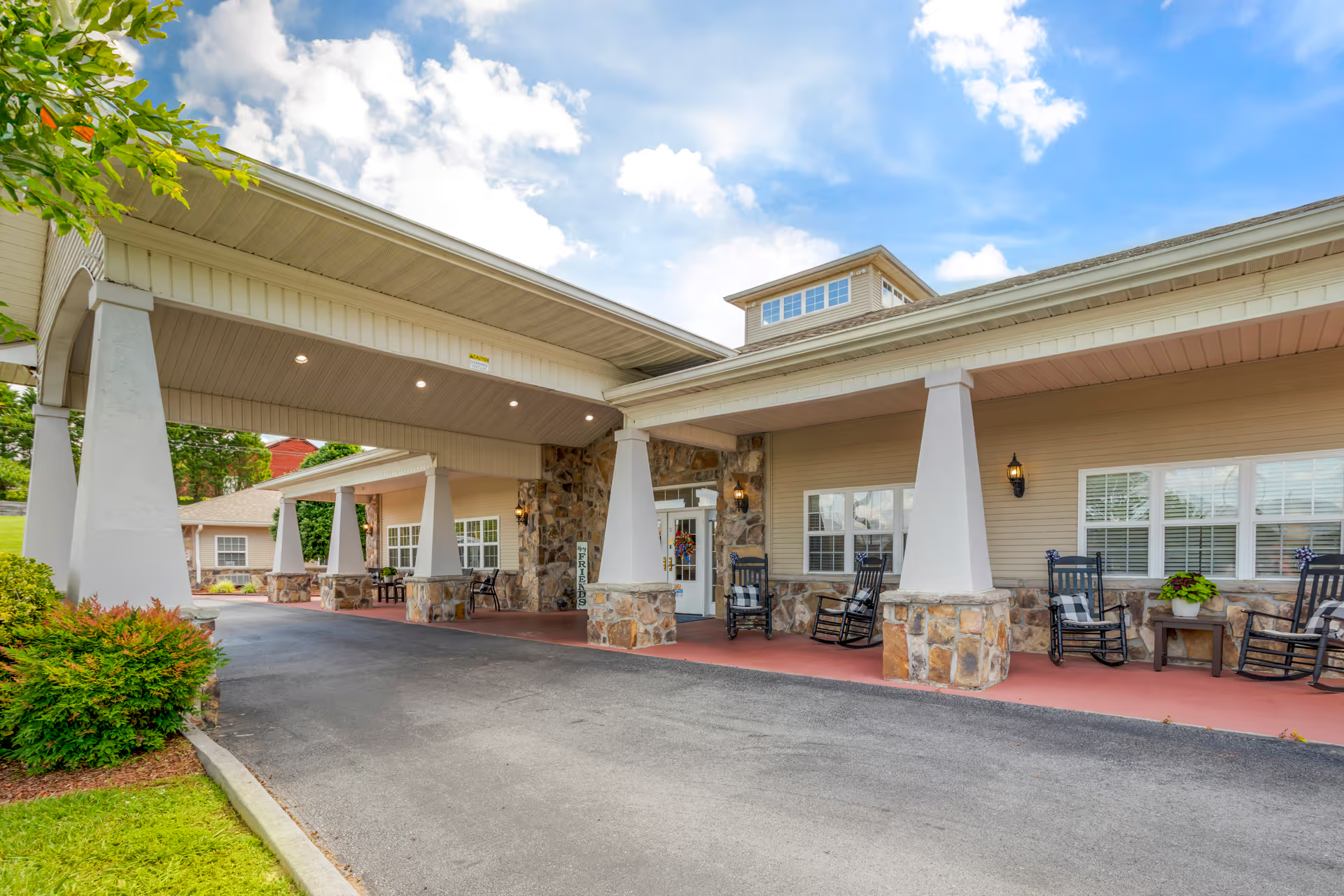
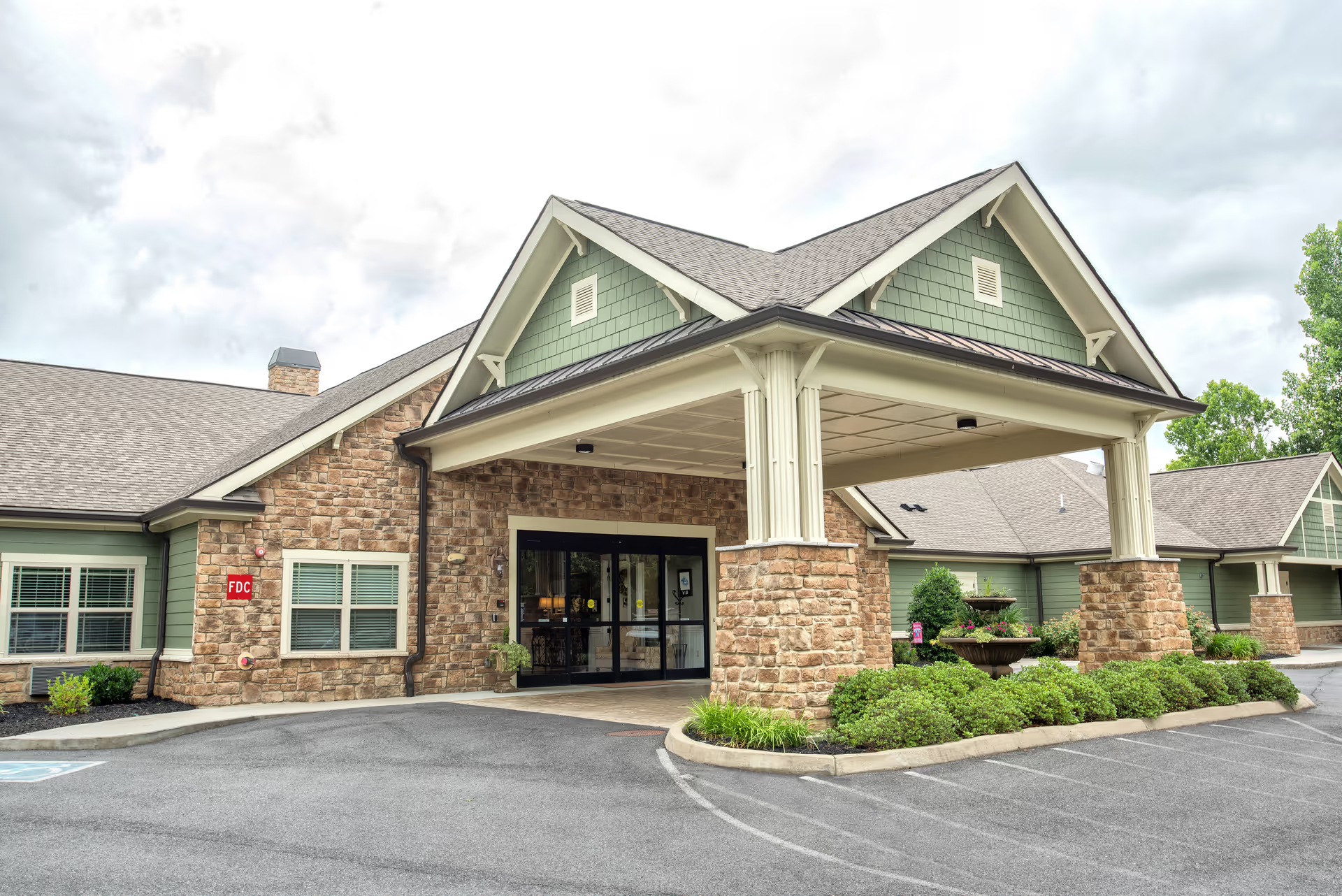
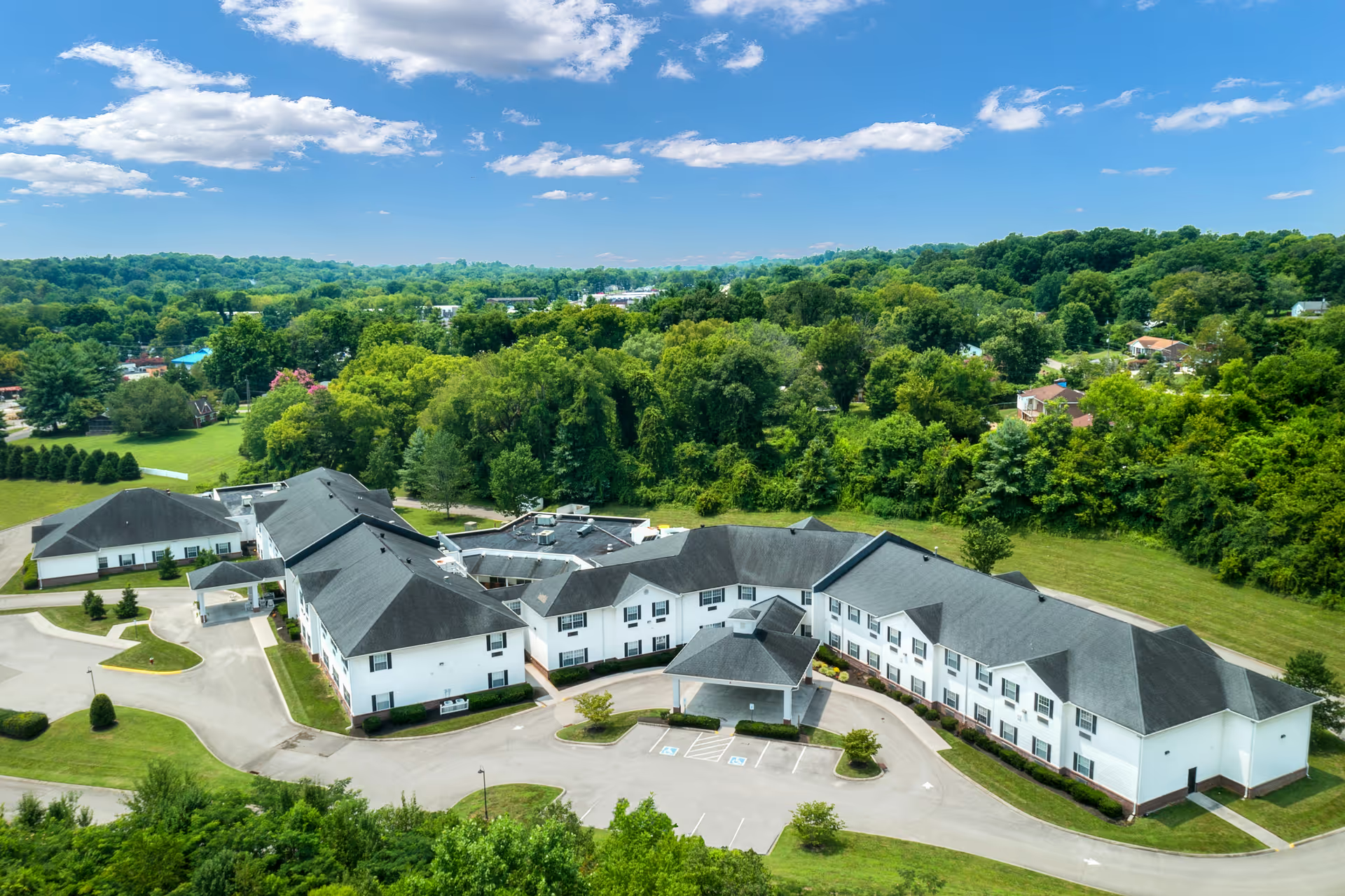
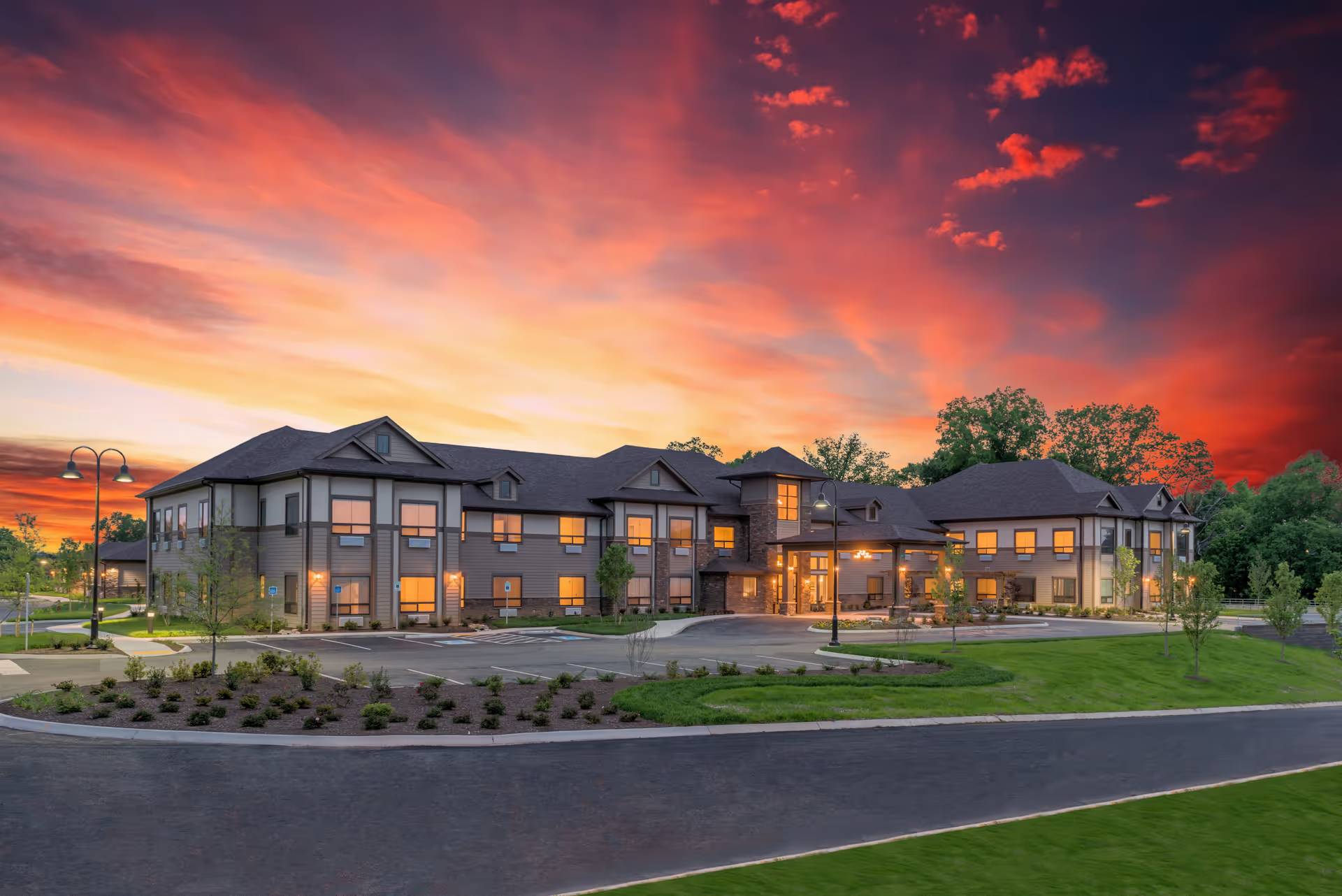
Dining and activities are another point of contrast. Positive experiences highlight high-quality, flavorful meals, a rotating monthly menu, and engaging activities such as bingo and nail-painting that contribute to a lively social environment. The building itself is described as clean, attractive, and recently constructed, with private rooms and en-suite bathrooms noted as desirable features. The facility's local ownership and hands-on leadership receive praise from multiple families, and some reviewers specifically commend the director of nursing and management for responsiveness and clinical oversight.
However, a recurrent pattern of operational concerns appears in the feedback. Staffing consistency and turnover are cited as ongoing issues that correlate with delays in attending to resident needs and variability in day-to-day care. Several families reported problems with medication timing and accessing medications after hours, indicating potential weaknesses in medication-administration protocols and after-hours clinical coverage. There are also accounts suggesting gaps in clinical assessment and follow-up in certain situations, which has affected some families' confidence in care continuity.
Communication and workplace-culture issues further temper the positive impressions. While many families describe helpful and transparent interactions, other accounts point to inconsistent communication from leadership, occasional unprofessional conduct at reception, and instances where families felt leadership was not fully forthcoming. Concerns about staff morale and a challenging workplace environment were raised, and these issues may contribute to turnover and variability in service. In a few cases, families experienced restricted visitation or altered procedures during infection-control events; responses to those events and clarity of communication varied across experiences. Lastly, a small number of comments indicate lapses in resident privacy and supervision that prospective families should consider.
For prospective residents and family members, the overall picture is one of strong relational caregiving and attractive, modern facilities paired with some operational risks tied to staffing, medication access, and leadership communication. When evaluating the community, ask specific questions about current staffing levels and turnover, medication-administration protocols and after-hours coverage, clinical-assessment procedures, visitation policies for infection-control events, and recent family references. These targeted inquiries will help to confirm whether the facility's strengths align with your priorities and whether the operational concerns have been addressed.