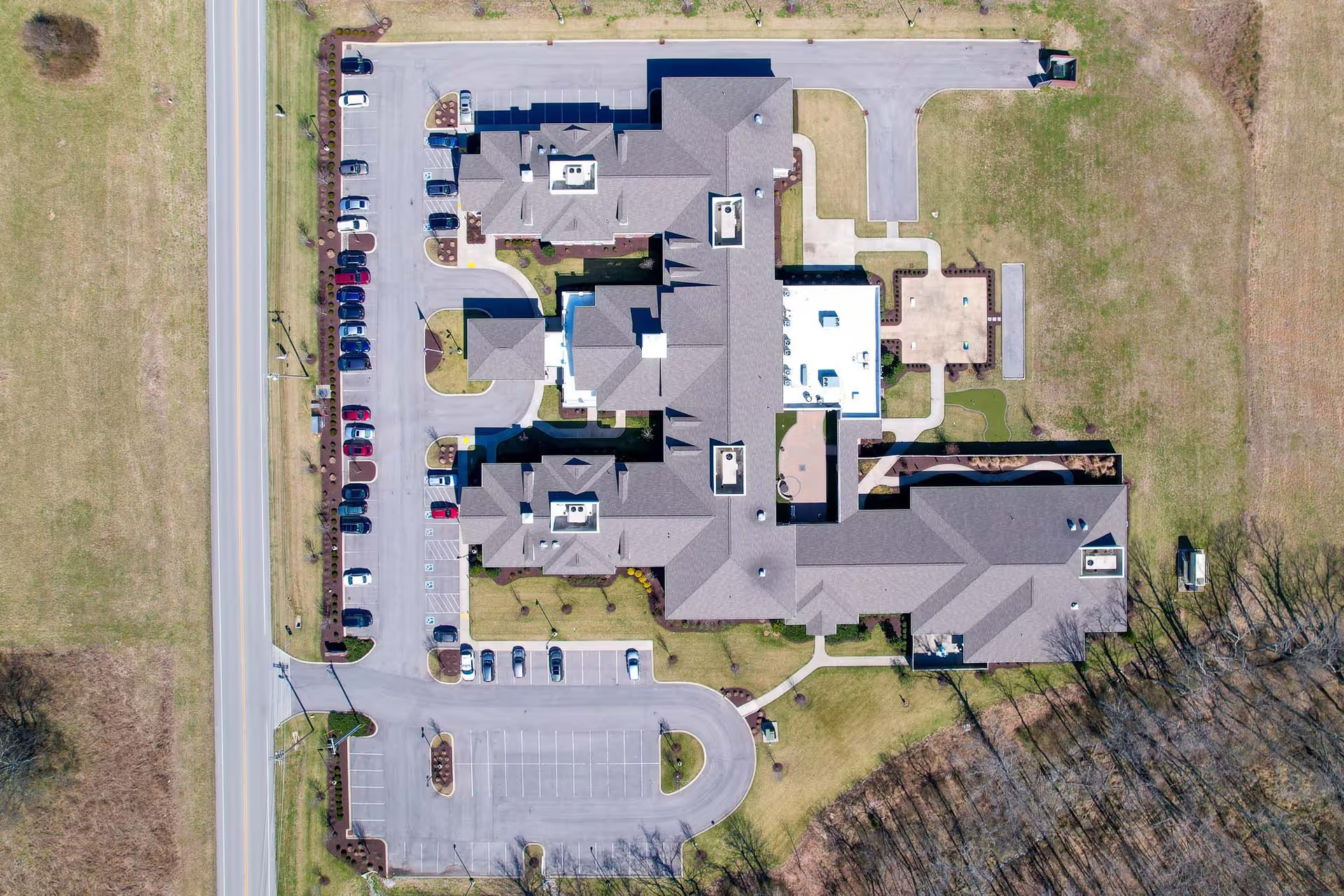
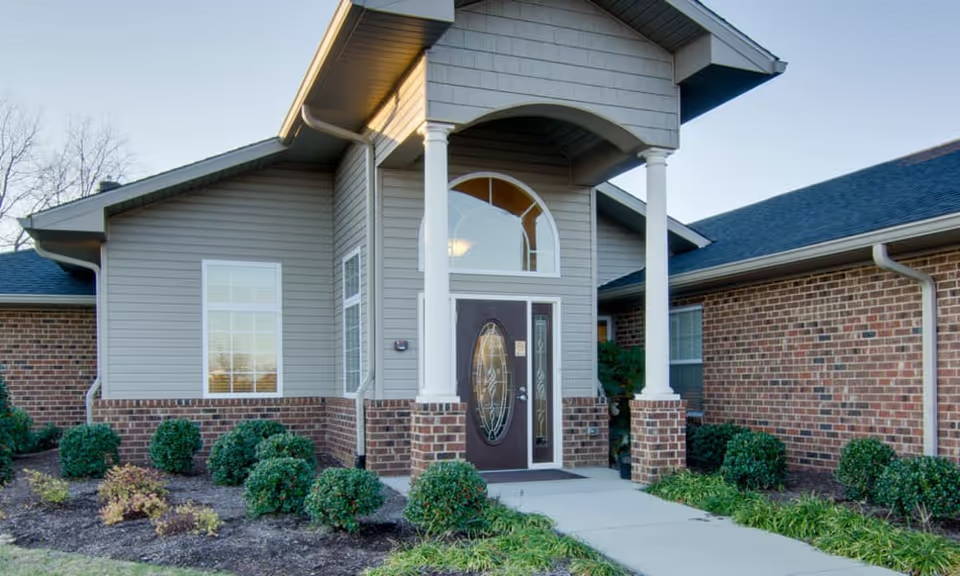
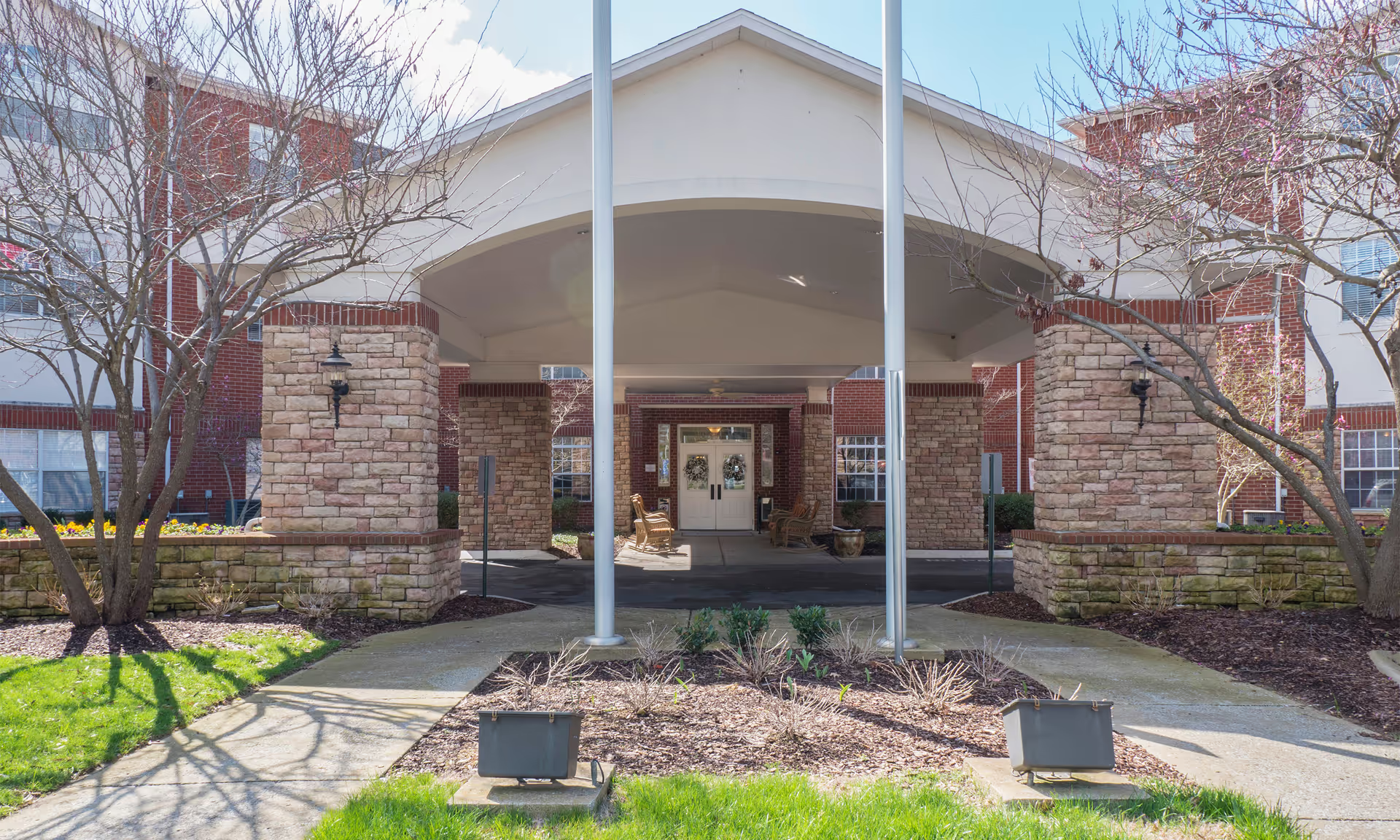
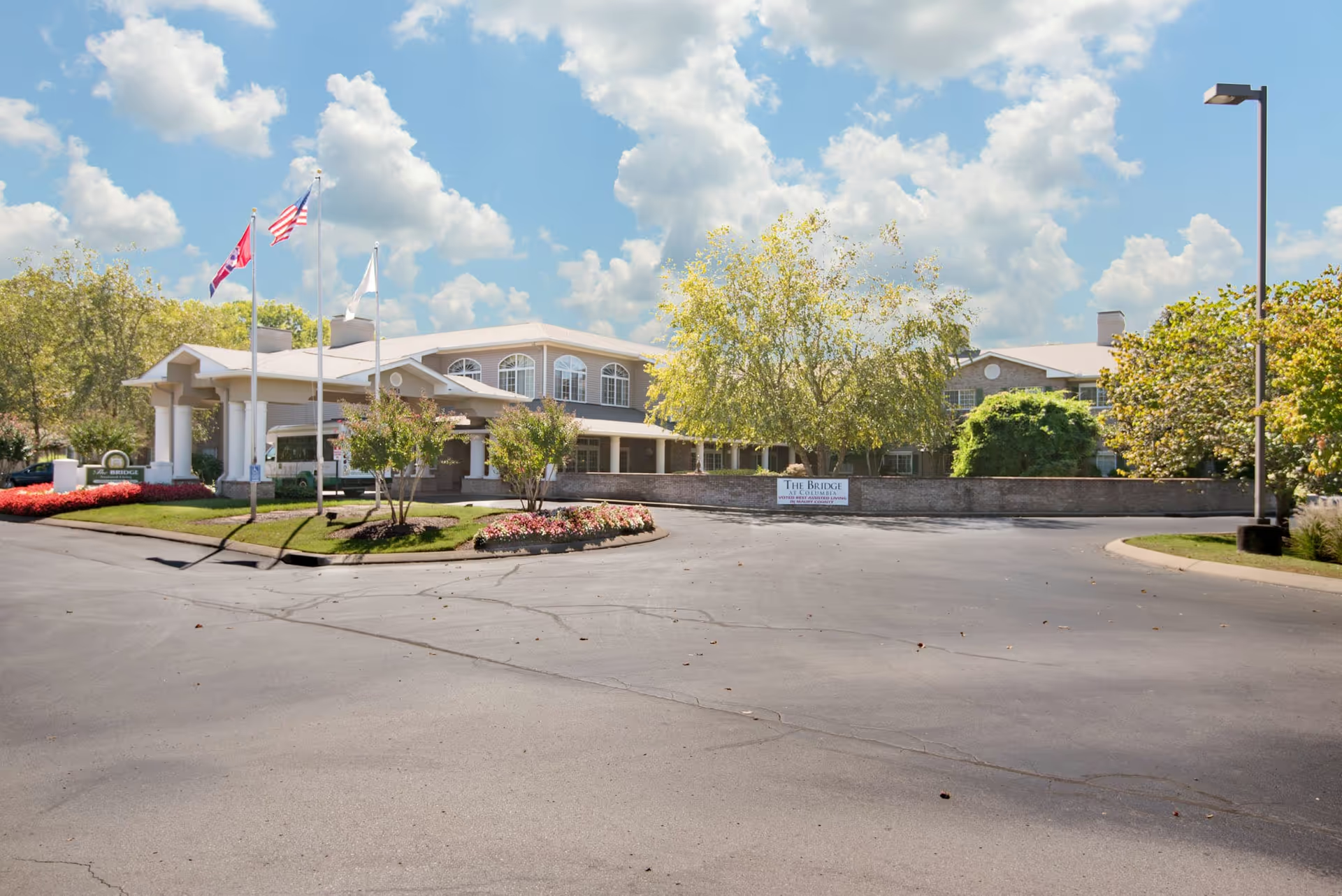
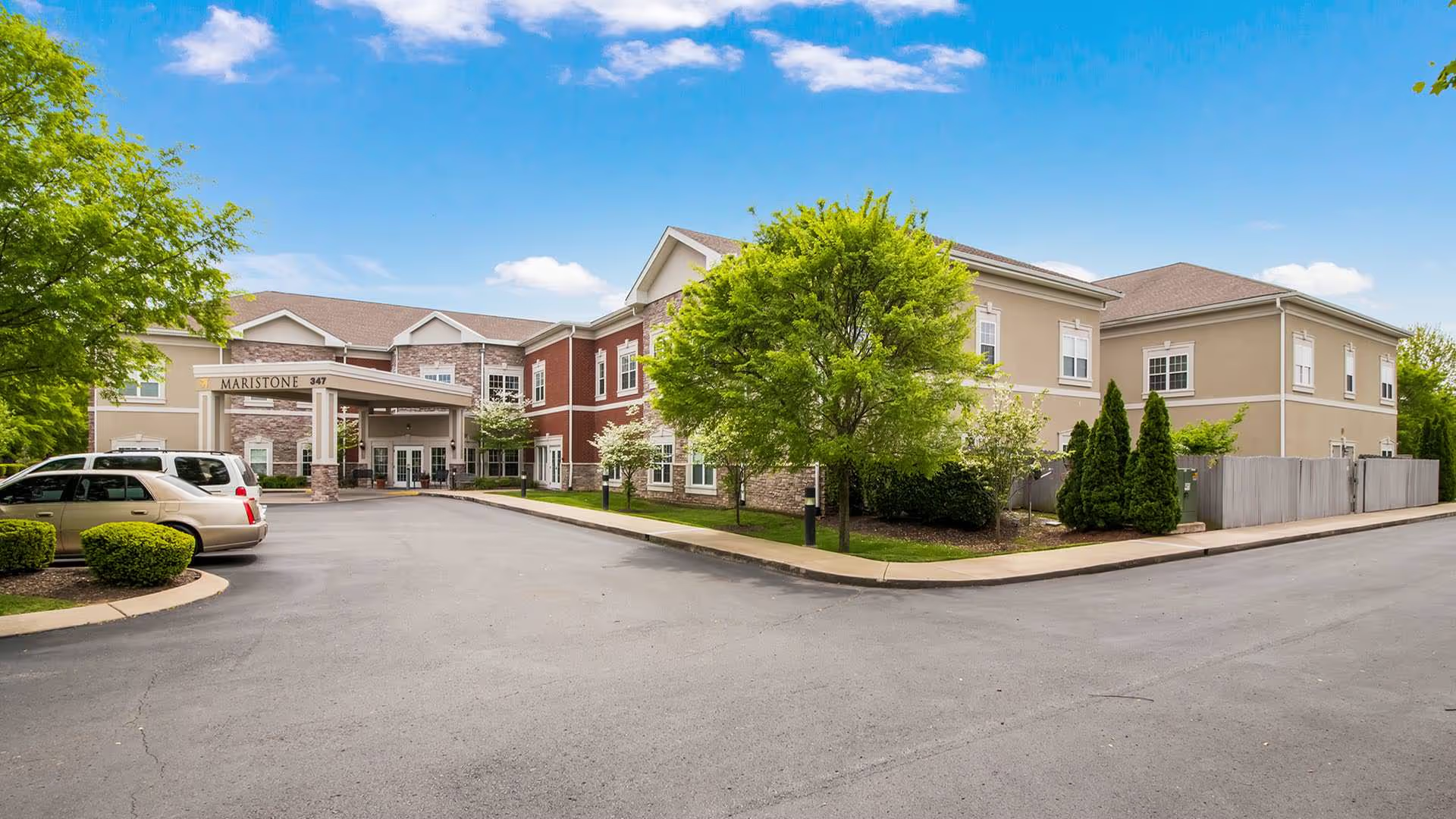
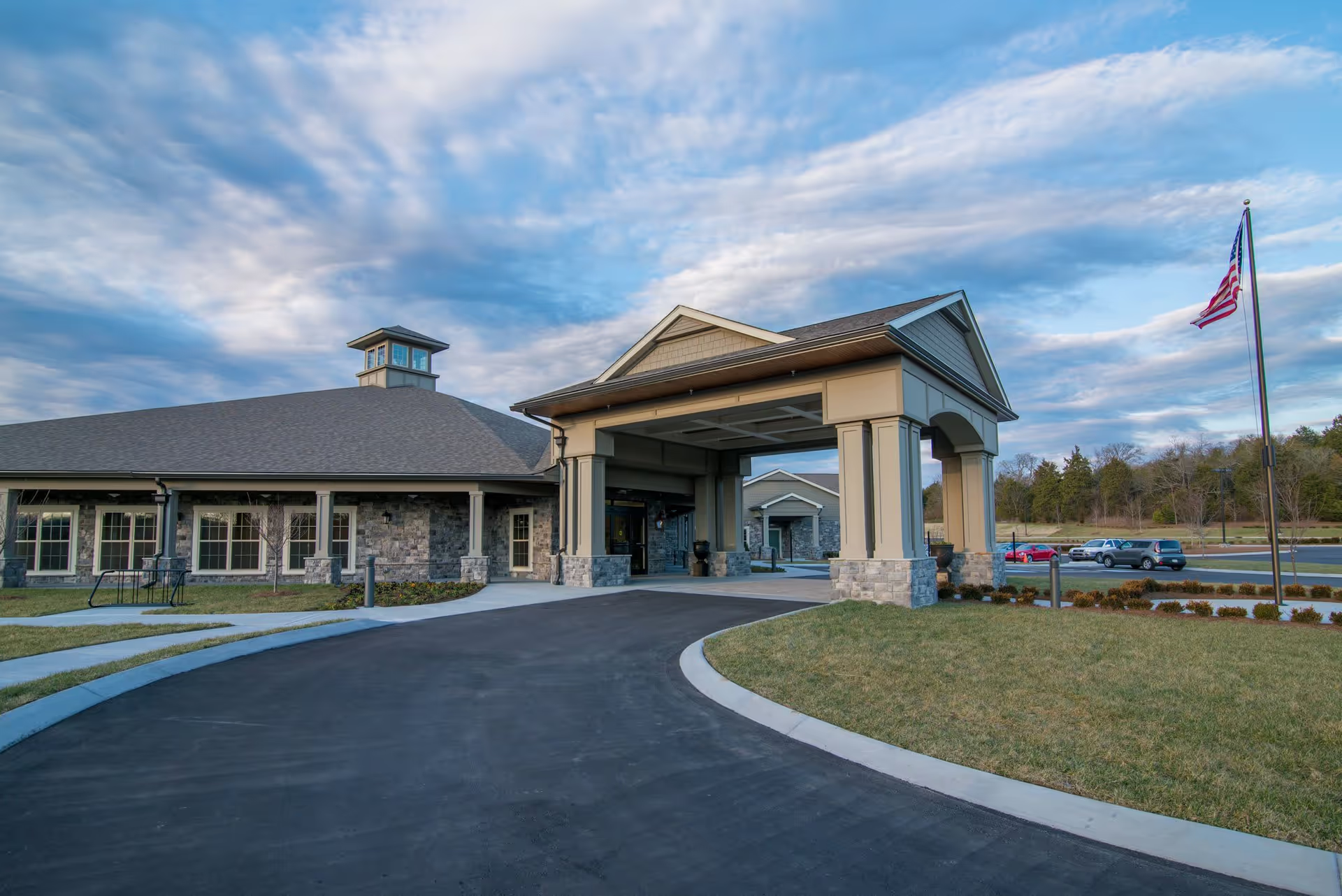
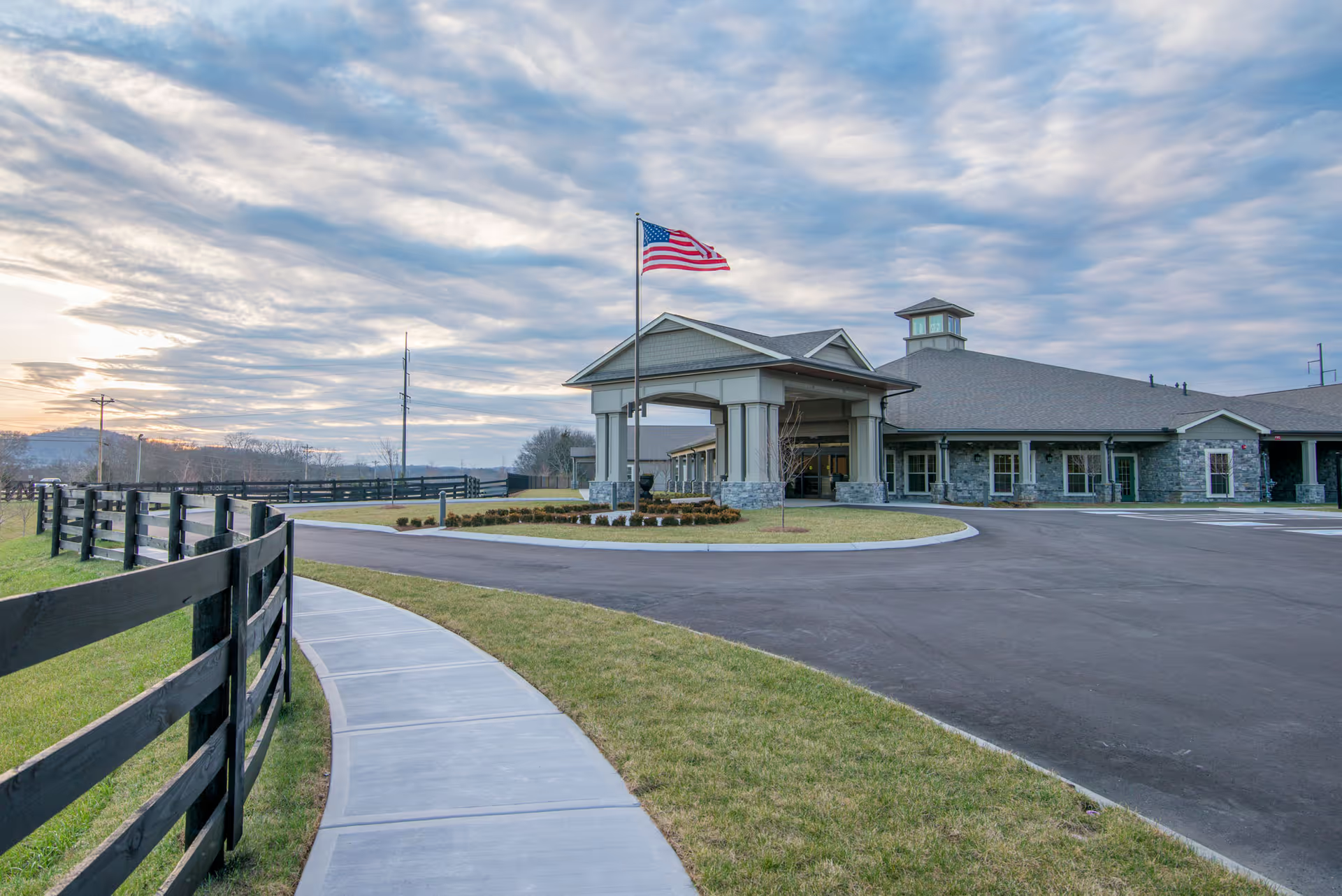
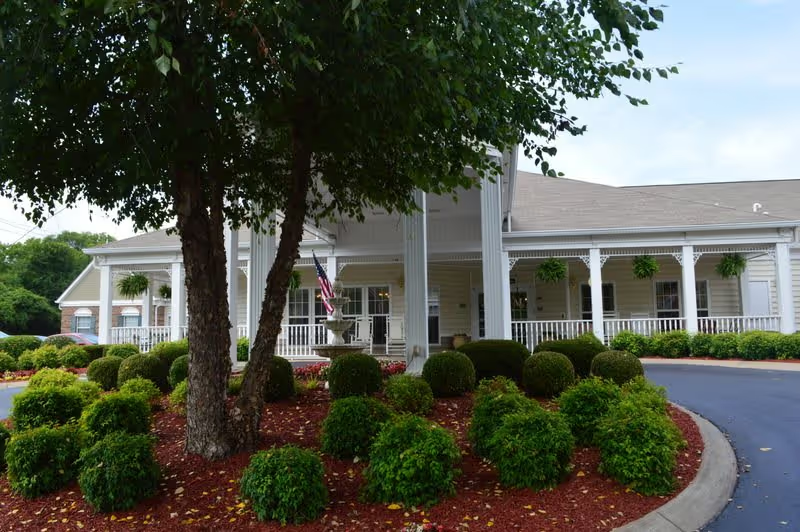
Morning Pointe of Spring Hill is frequently described as a clean, modern, and accessible memory-care community with a strong emphasis on social programming and family communication. Reviewers consistently note a welcoming, home-like environment: bright, well-appointed rooms (including suites with living areas when available), courtyard and patio spaces, walking trails, and a Main Street–style hallway that supports resident engagement. The facility’s activity calendar is robust, with frequent programs (bingo, crafts, holiday events, trunk-or-treat, outings) and staff who actively encourage participation. Transportation to appointments and organized excursions have been valued features.
Clinical and caregiving strengths are a recurrent theme. Many families praise attentive, compassionate caregivers and nursing staff who provide regular updates on eating, mobility, and general wellbeing. Campus leadership is highlighted by name in several comments, with families citing visible involvement from the director and director of nursing. Therapy services and 24-hour memory-care availability are also noted as positives that support resident stabilization and independence.
Despite these strengths, there are important operational concerns that prospective families should consider. Several reviews describe lapses in care coordination and medication-management, including delayed medication deliveries and incorrect placement decisions (assisted living versus memory care) that contributed to clinical escalation in at least one case. These accounts point to the need for clear intake assessment protocols and stronger clinical handoffs. Staffing instability — characterized by high turnover and periodic shortages — is another recurring issue that can affect consistency of care and continuity of assignments.
Service-level inconsistencies appear in other operational areas as well. While many reviewers praise the dining as restaurant-quality, a number of families found meal quality to be inconsistent. Laundry service reliability and charges for extra laundry have been reported as problematic, including garment damage concerns. Some families also experienced variability in staff tone or responsiveness during transitional events (move-in or move-out), and there are limitations on two-bedroom availability. Finally, a few reviewers described slower corporate-level responsiveness even when campus leadership was engaged and communicative.
Overall, Morning Pointe of Spring Hill presents as a generally well-kept, socially active community with many families reporting peace of mind and strong relationships between staff, residents, and visiting relatives. However, the pattern of operational weaknesses — particularly around staffing stability, medication and clinical coordination, laundry services, and occasional variability in food quality and staff conduct — suggests that prospective residents should ask targeted questions during tours. Recommended inquiries include current staffing ratios and turnover, specific medication-administration and handoff protocols, laundry policies and fees, unit availability, and examples of how the campus handles escalation of behavioral or psychiatric symptoms. These clarifications will help families weigh the facility’s strong community and caregiving culture against the operational risks noted by reviewers.