Overall impression: Reviews describe a facility with clear strengths in hands-on caregiving and facility upkeep, but with recurrent operational concerns that affect clinical continuity and family trust. Many narratives praise individual nurses, CNAs and floor staff for being caring and attentive, and several accounts describe meaningful rehabilitation progress (including weight gain and improved mobility). At the same time, multiple accounts describe service inconsistency and administrative shortcomings that prospective families should evaluate closely.
Care quality: Clinical reports are mixed. Positive accounts emphasize recovery-oriented therapy and steady improvement for some residents. However, several reviews describe gaps in basic clinical monitoring (for example, absence of in-room vital-sign devices and limited vital checks in rooms), inconsistent pain-management practices, and instances where meal assistance was not provided as expected. These items point to variability in day-to-day clinical processes rather than a uniformly high or low standard of care.
Staff and culture: The facility receives frequent praise for compassionate and attentive frontline caregivers; many families characterize nurses and CNAs as kind and responsive. At the same time, there are repeated descriptions of inconsistent professionalism—examples include unwelcoming nursing leadership, curt reception interactions, and long waits on hold. This suggests variability in staff communication style and a need for stronger front-office consistency and training in family engagement.
Dining and activities: Dining feedback is mixed. Some families link the facility’s nutrition to positive rehabilitation outcomes, while others described unsatisfactory meal quality. There is limited commentary about organized social or recreational activities in the available summaries, so activity programming cannot be characterized reliably from these reviews alone.
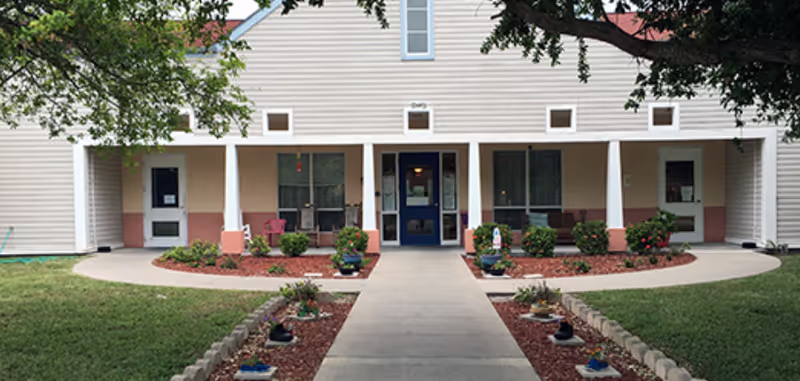
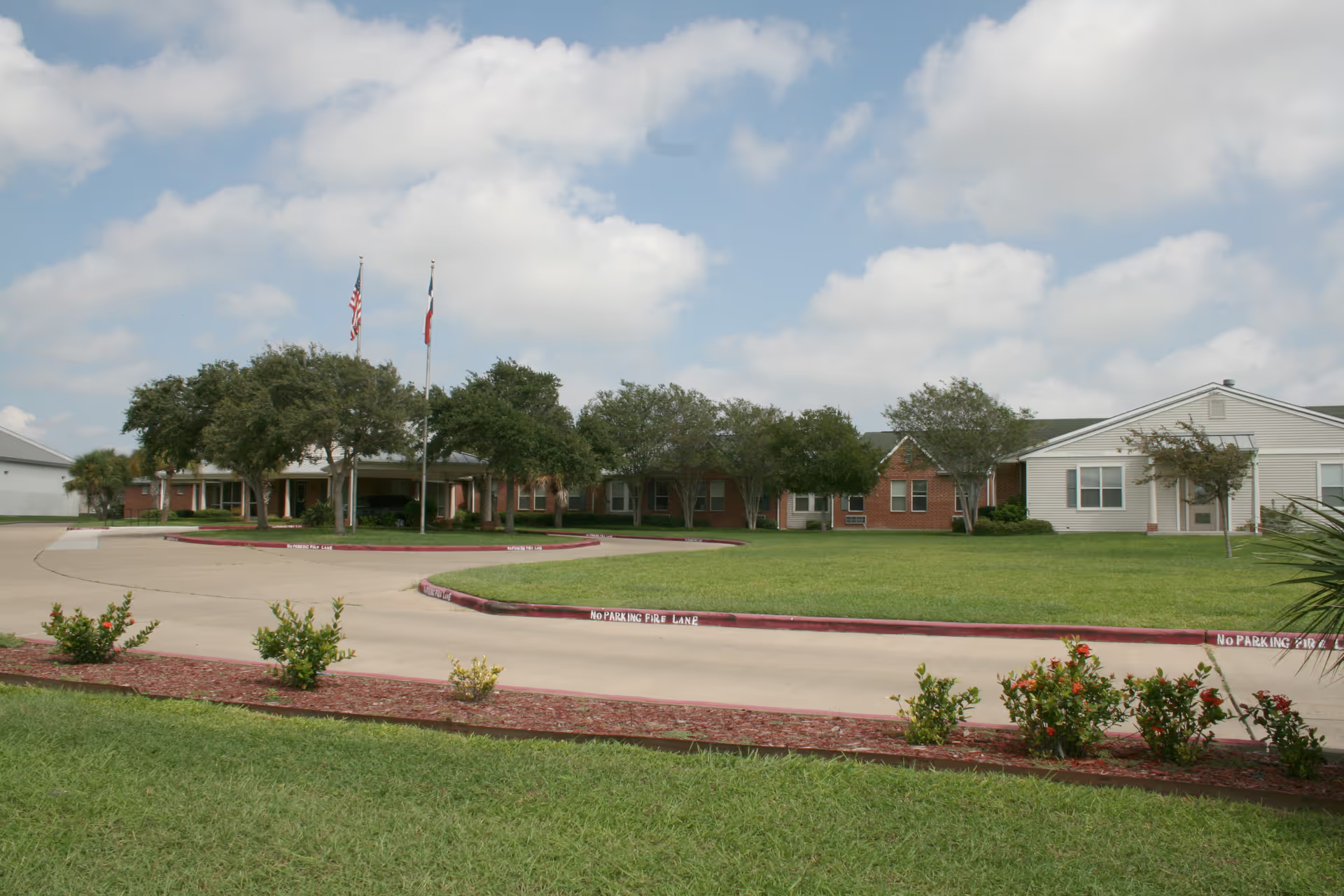
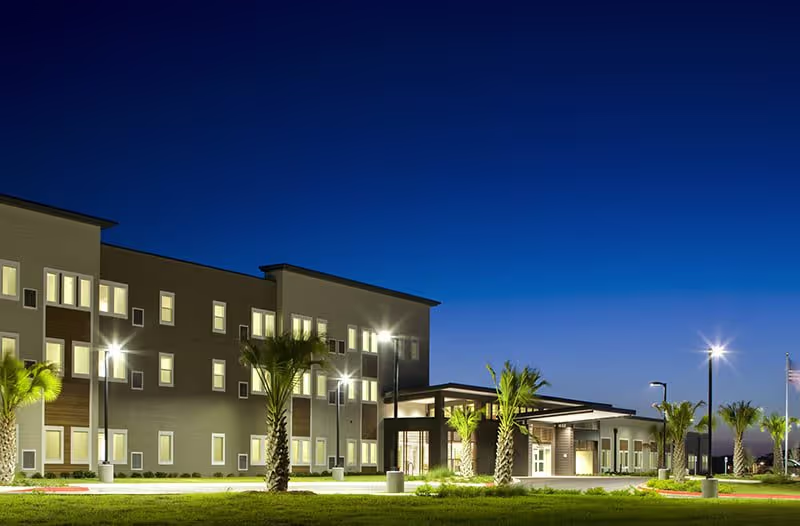
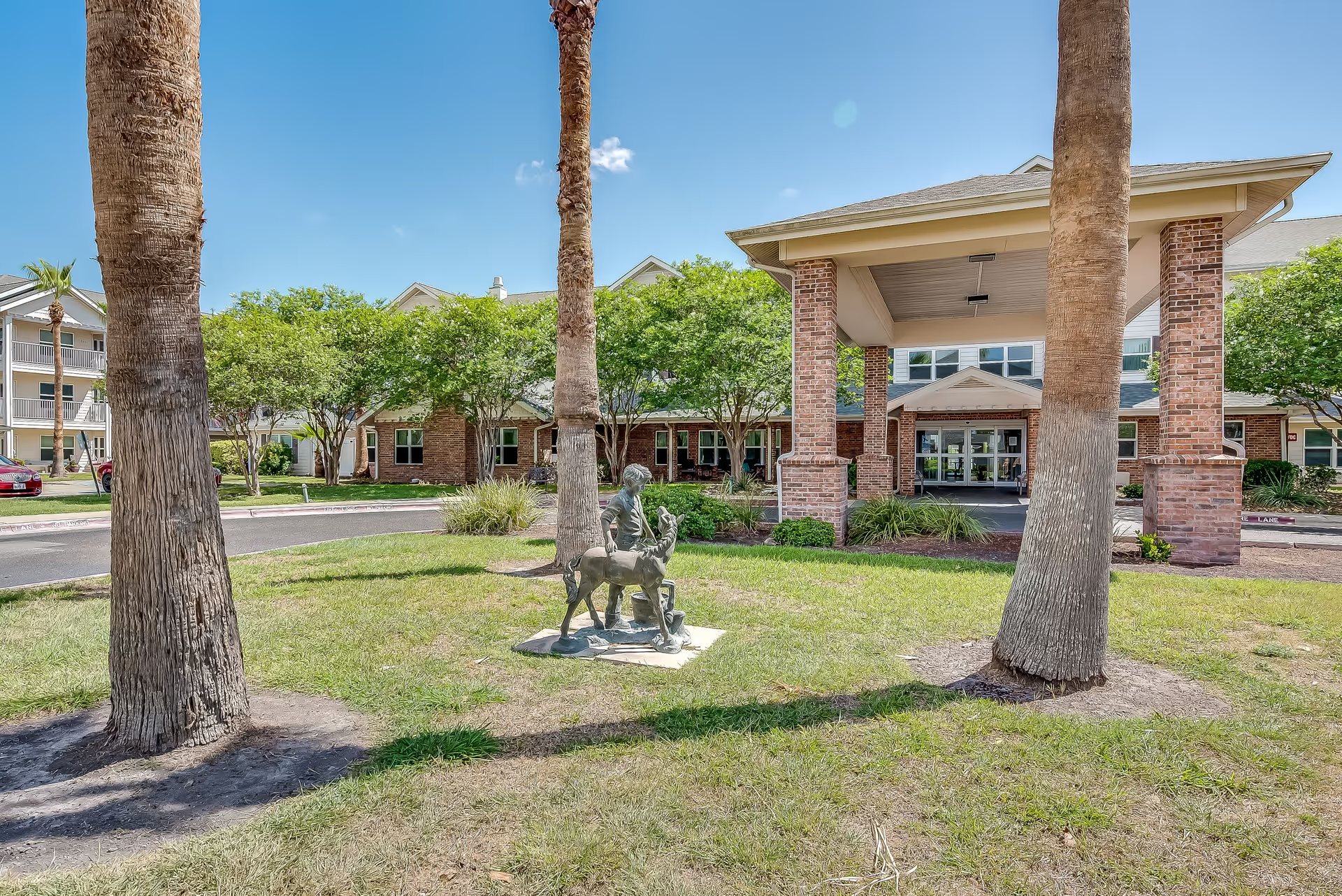
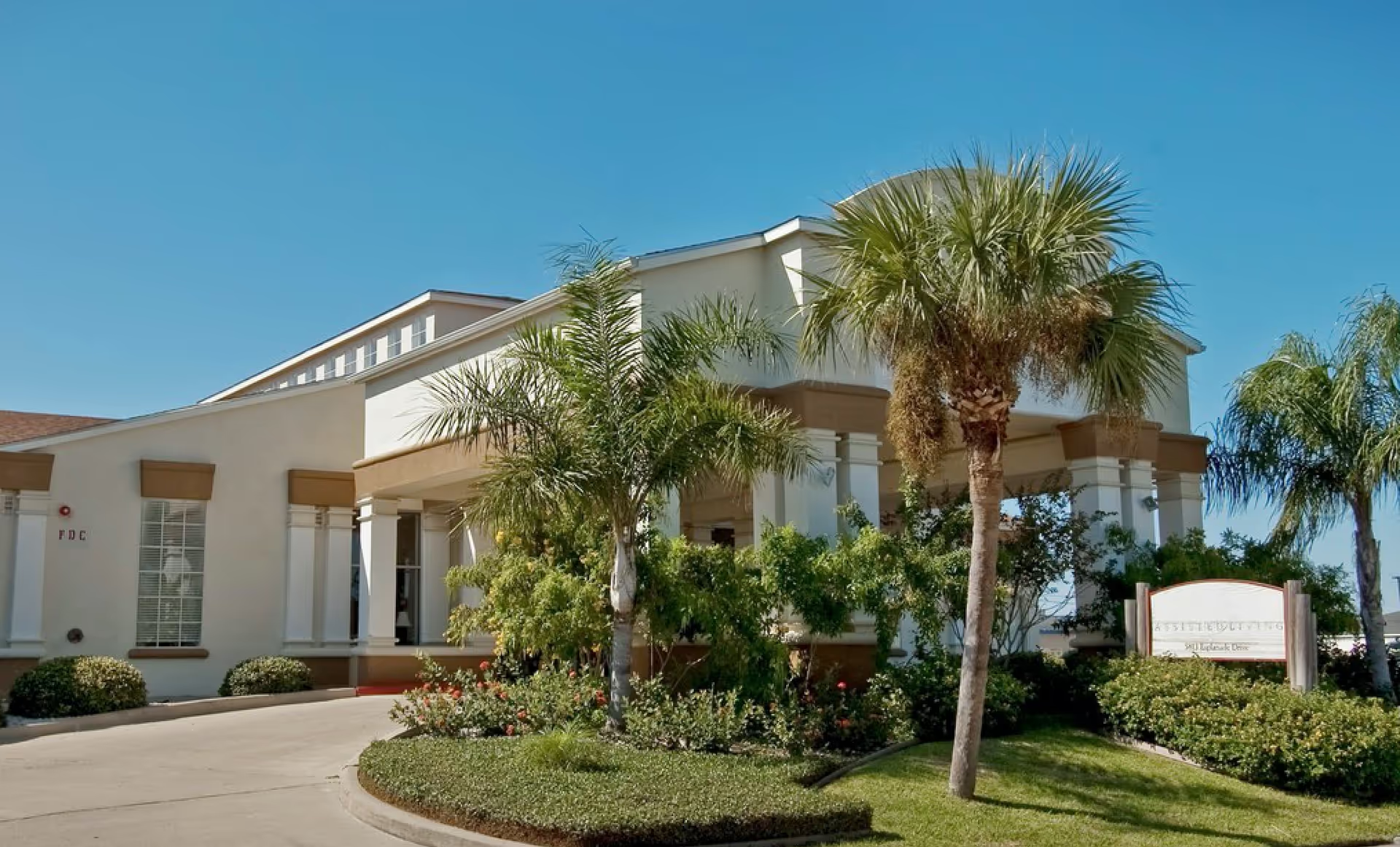
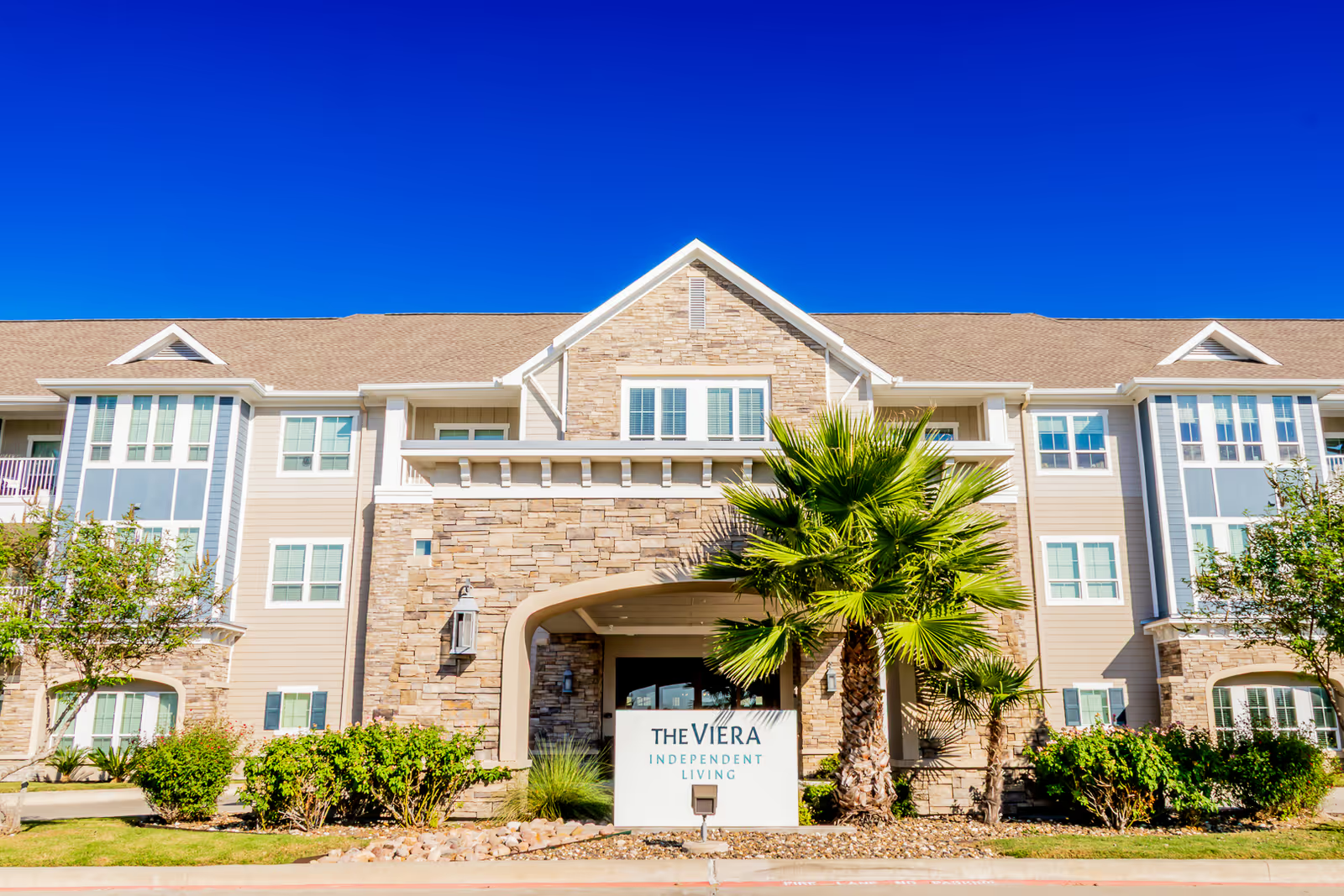
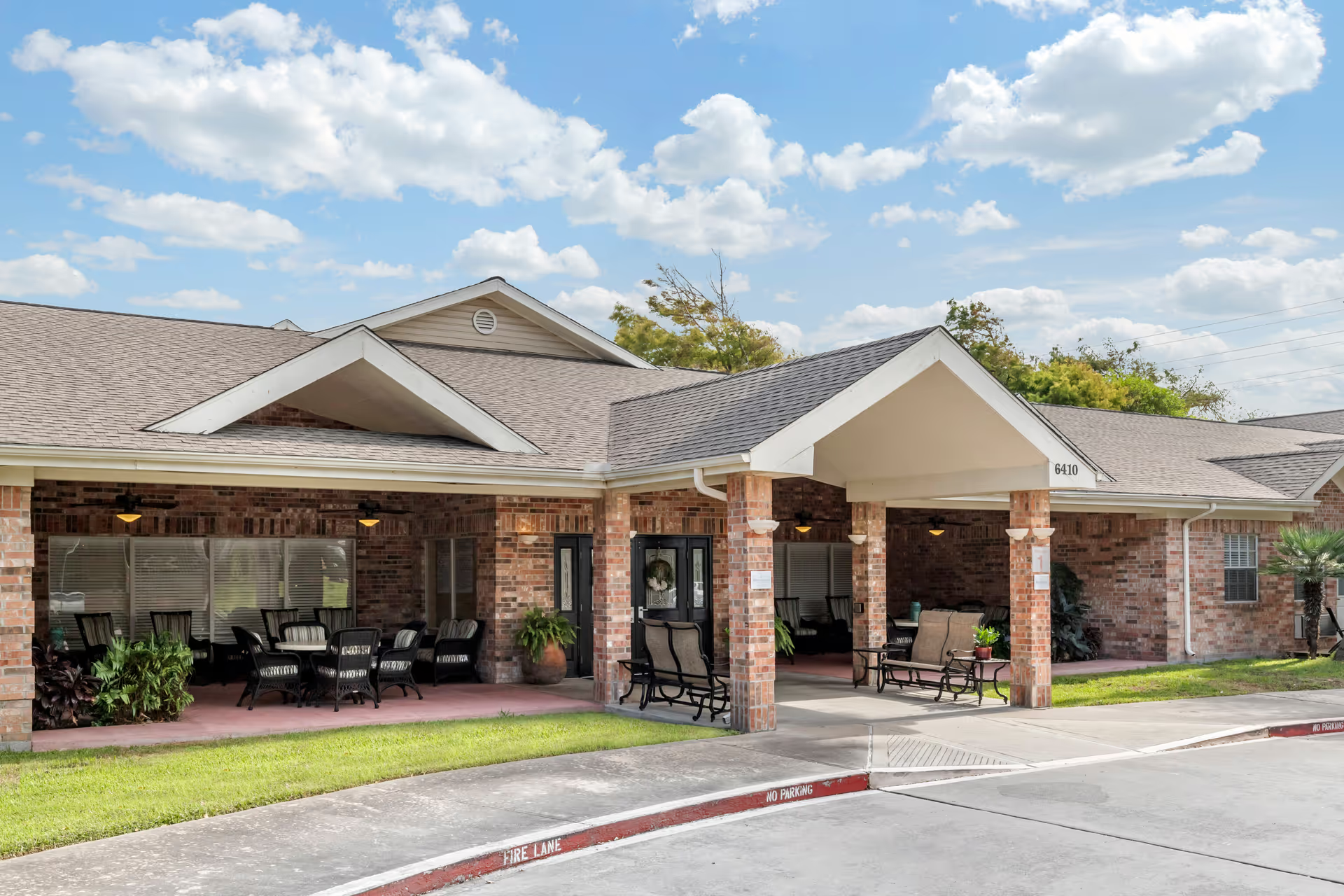
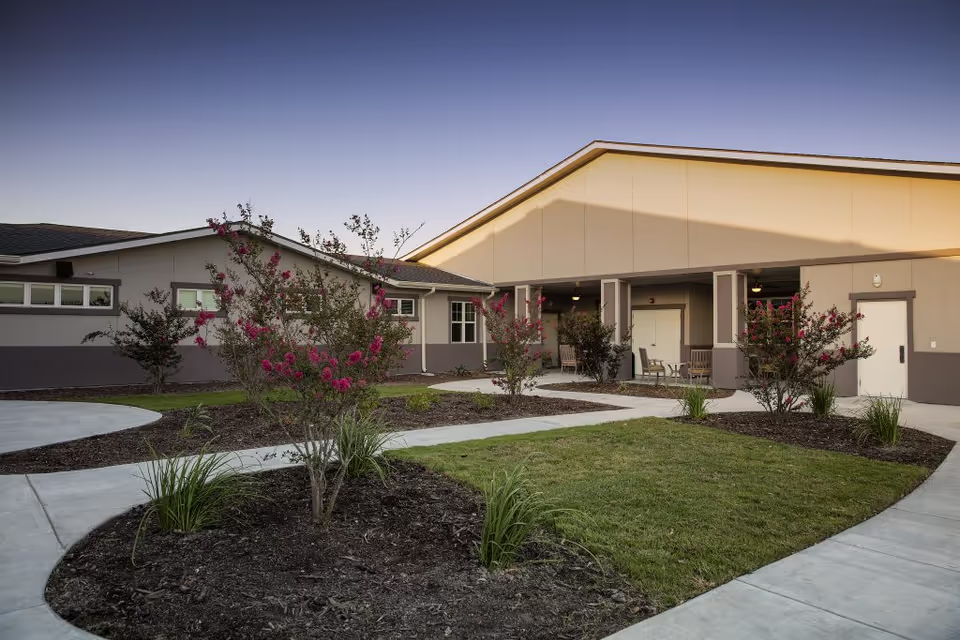
Facilities and infection control: The physical environment is frequently described as clean and well-kept. Nevertheless, reviewers raised infection-control concerns after a COVID-19 outbreak; that sequence indicates potential vulnerabilities in outbreak prevention or containment procedures that warrant direct inquiry during a tour.
Management and communication: Administrative and communication weaknesses are a prominent theme. Complaints include slow or unresponsive HR and administrative staff, long verification and authorization turnaround times, and perceived difficulty getting timely documentation or answers. There are also reports of family concerns following a resident’s unexpected death, which underscore the importance of clear clinical-incident response protocols and family communication pathways.
Notable patterns and guidance for families: The reviews display a clear split between strong direct caregiving and inconsistent operational processes. Prospective residents and families should verify specific operational items during a visit: how vital signs are monitored in rooms, protocols for pain management, staffing ratios and contingency plans, meal-assistance procedures, current infection-control policies and recent outbreak responses, and the facility’s process for family communication and escalation. Ask for recent quality or inspection reports, examples of rehabilitation plans and outcomes, and a point-person for administrative questions to assess whether the facility’s strengths align with your loved one’s needs.