Overview The Waterford on Cooper elicits strongly polarized impressions. Many families and residents describe a warm, home-like setting with compassionate direct-care staff, active social programming, and attractive physical spaces. At the same time a substantial set of reviews point to operational shortfalls—chiefly staffing instability and inconsistent clinical and housekeeping practices—that can materially affect daily care for residents with greater needs.
Care quality and clinical oversight Care quality is described as highly dependent on staffing levels and individual employees. Numerous accounts praise CNAs, nurses, and named staff who provide attentive, personalized support; several families credit the facility with improved stability and regained weight or mood for their loved ones. Conversely, reviewers cite inconsistent medication administration, missed or delayed assistance after call-button activation, and gaps in follow-up after hospital transfers or incidents. There are also recurring concerns about staff ability and training for safe transfers and fall prevention. These patterns suggest variability in clinical oversight and that the facility may struggle to meet higher-acuity care needs reliably.
Staff and management Staff performance receives a wide range of comments: many reviews name long-tenured, compassionate employees and highlight engaged activities and nursing leadership. However, a significant theme is chronic understaffing and turnover, which reviewers link to slower responses, lower morale, and uneven care. Management impressions are mixed; some reviewers report transparent, responsive leadership and improvements after meetings, while others describe unresponsive administration, billing/renewal friction, and inconsistent follow-through on concerns. Overall, leadership stability and communication appear to be decisive factors in individual experiences.
Dining and nutrition Dining is another mixed area. Several reviewers praise the dining rooms, presentation, and certain meal offerings, describing a restaurant-like experience. At the same time, others report inconsistent meal quality, temperatures that indicate delayed service, menu deviations, and limited variety—particularly for residents in the memory-care unit. Nutrition and meal-service consistency may fluctuate with staffing and kitchen processes.
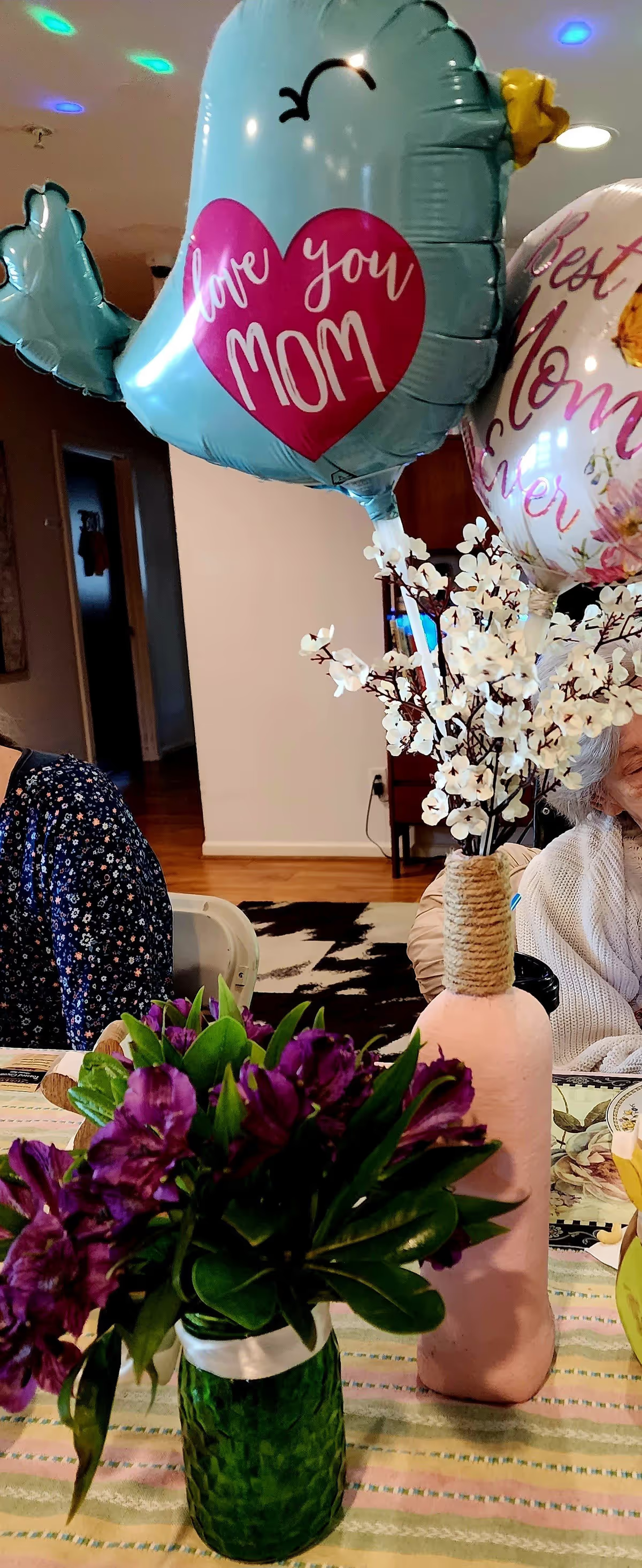
Activities and memory care programming Activity programming is a clear strength when staffed and led by motivated directors; reviewers repeatedly note organized events, outings, exercise, and personalized engagement that benefit resident well-being. That said, activity frequency and quality are uneven across units. Memory-care programming is specifically flagged as inconsistent: some families report robust engagement every 30 minutes, while others describe minimal interaction and limited organized activities in the memory-care unit. This variability points to reliance on individual activity staff and staffing levels rather than standardized programming across the campus.
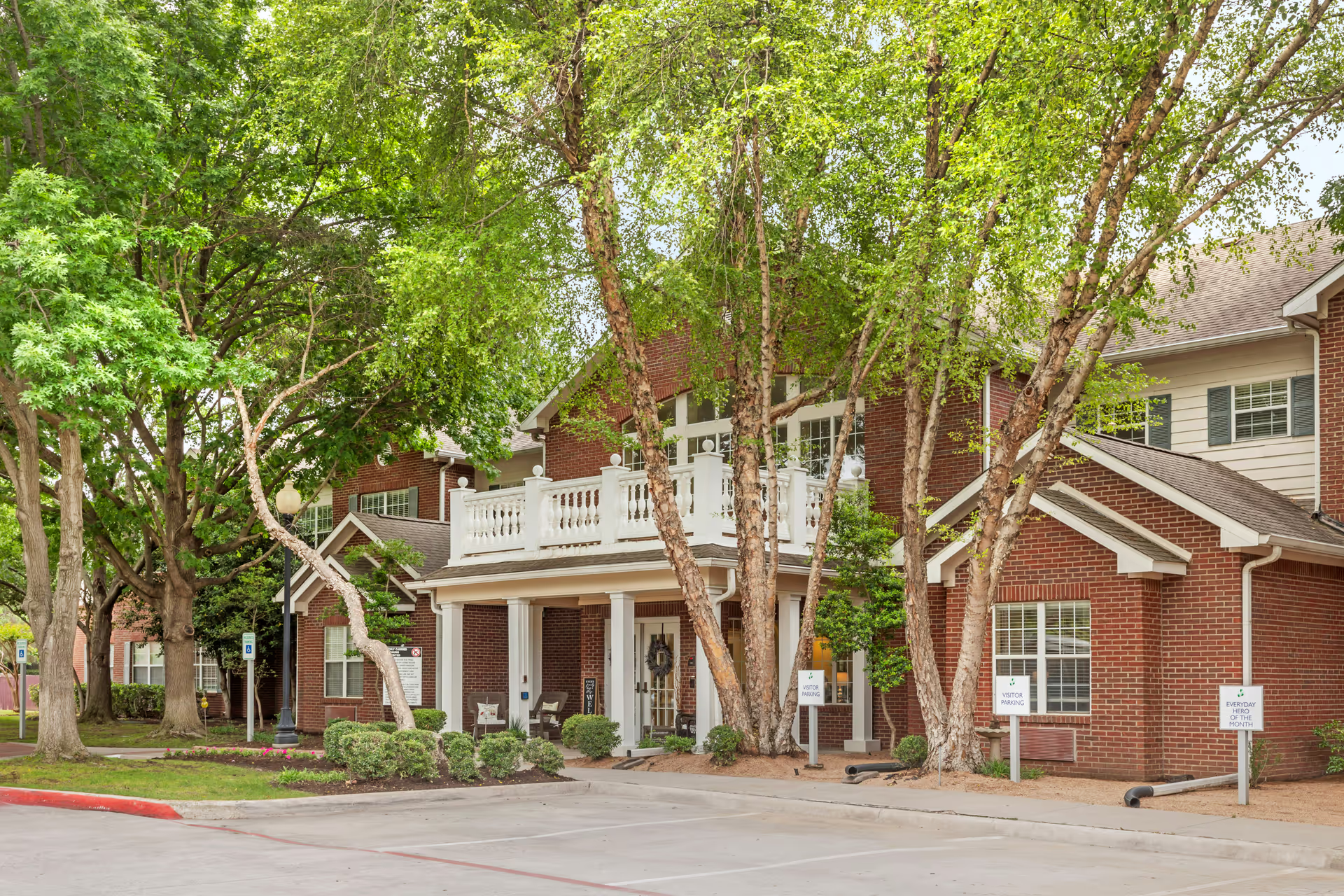
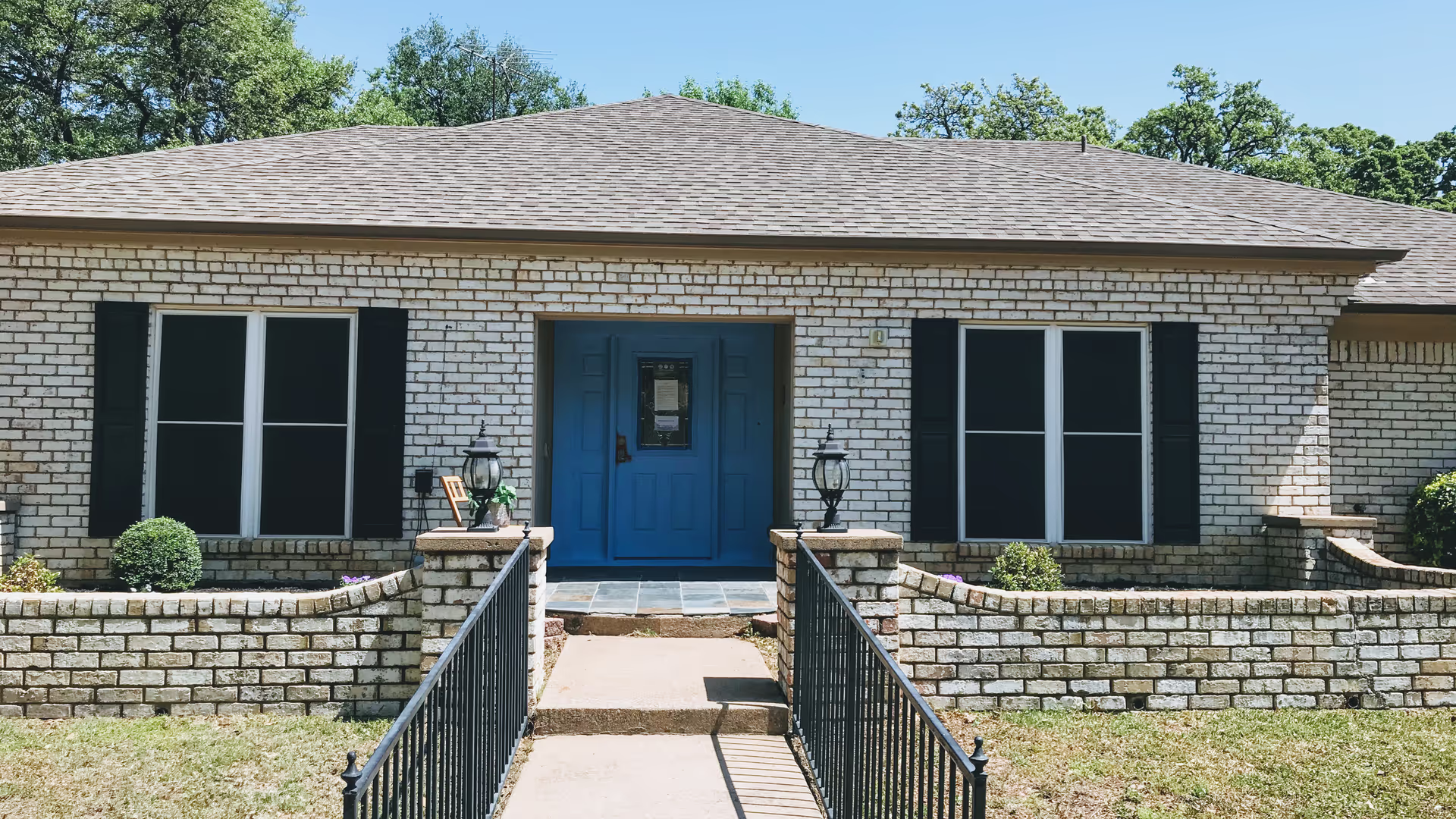
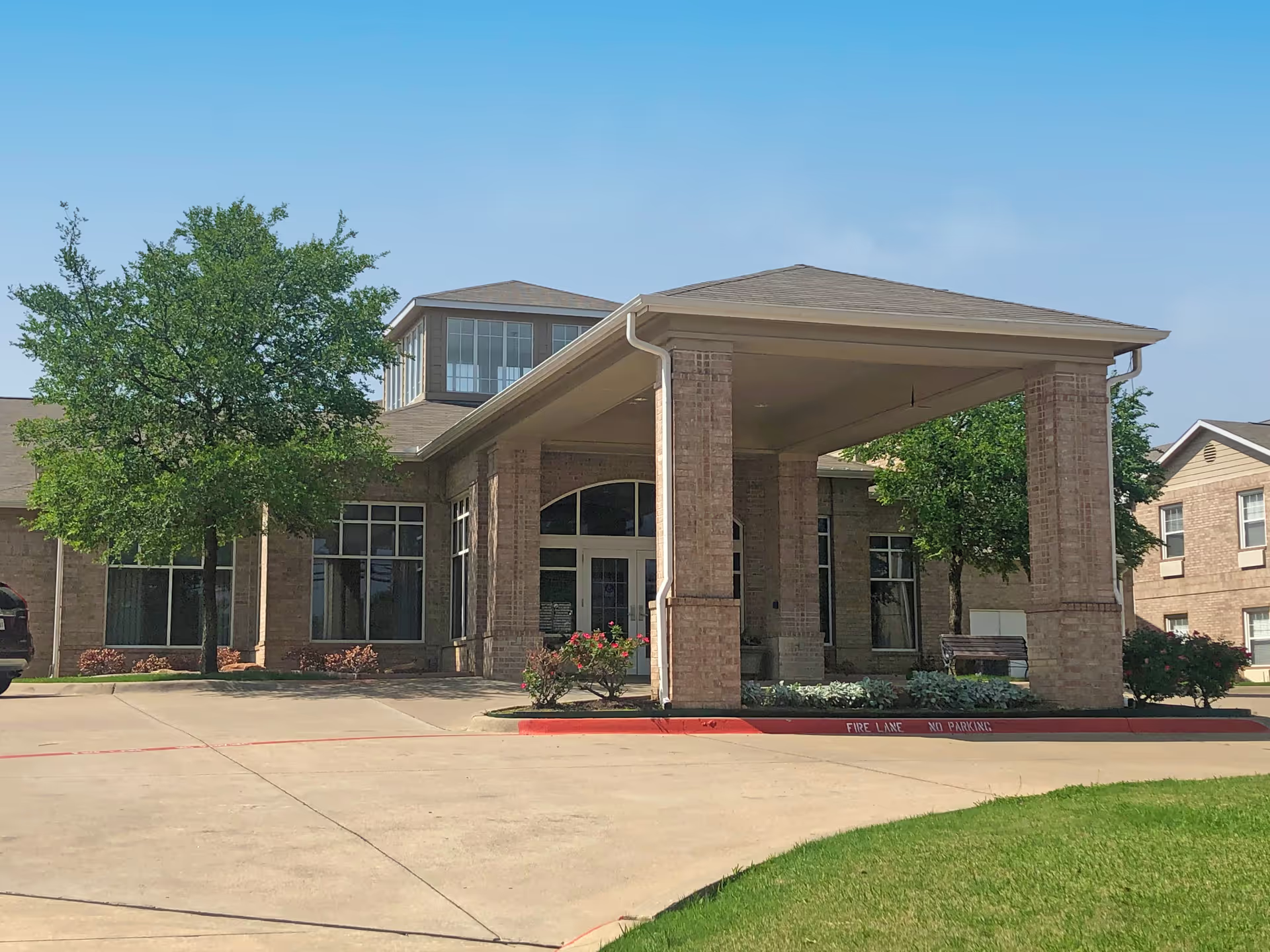
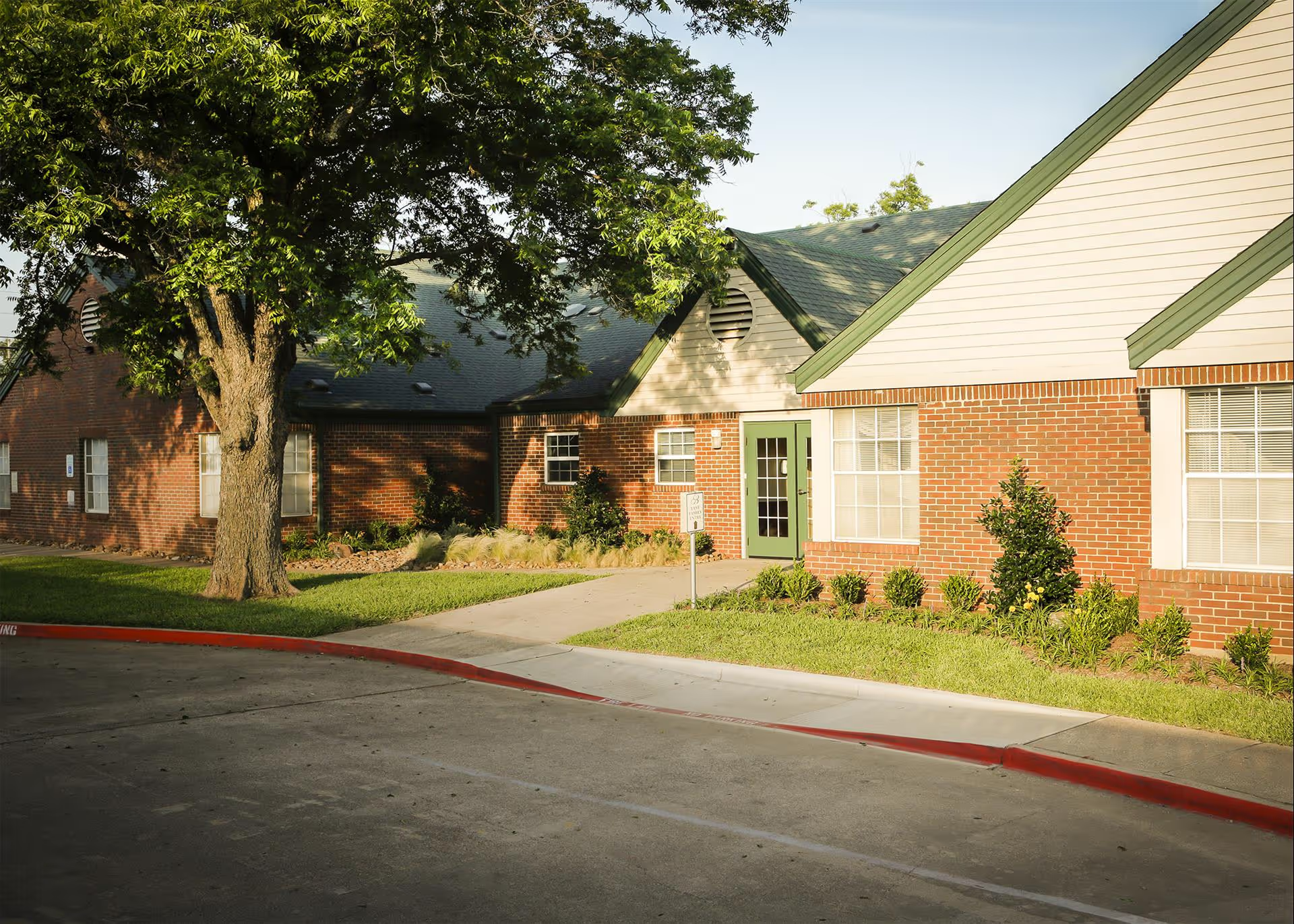
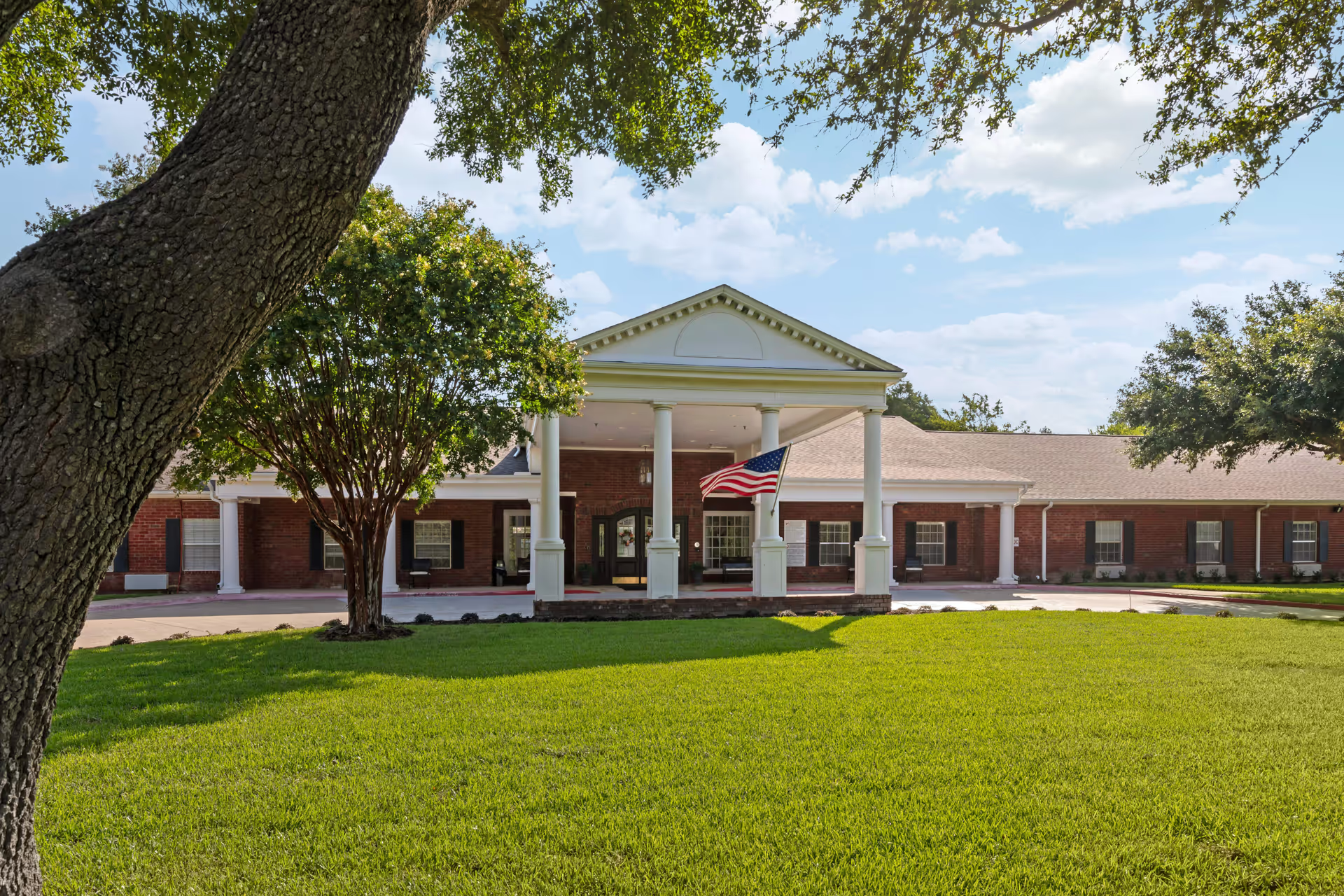
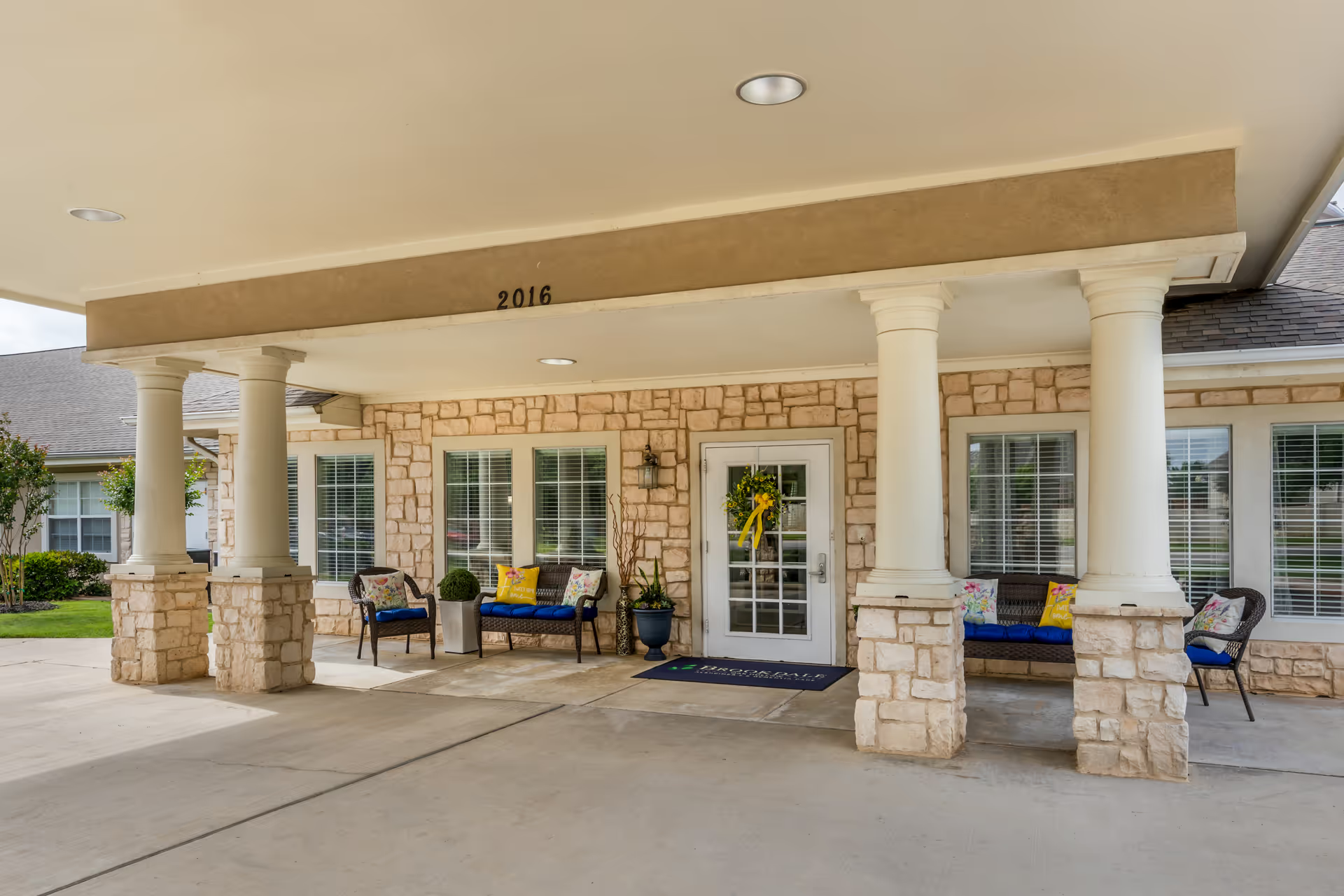
Facilities, housekeeping, and safety Physical facilities are generally described as attractive, well-maintained, and secure, with spacious apartments, kitchenettes, and a pleasant courtyard. Many reviewers praise housekeeping and maintenance responsiveness. Counterbalancing this, there are recurring sanitation and laundry concerns in select resident areas (including carpeting and some bathrooms), odor concerns tied to incontinence-care delays, and mentions of pest-control issues in memory-care. Reports of lost personal items and denture/hearing-aid problems indicate weaknesses in property controls and inventory practices.
Notable patterns and guidance for families The overall pattern is one of variability: when well-staffed and led, Waterford delivers a high-quality, engaging, and comfortable environment; when staffing strains or administrative weaknesses surface, residents with higher care needs are most likely to be affected. Prospective residents and families should prioritize discussions about current staffing ratios, turnover, medication management protocols, fall-prevention and transfer training, memory-care activity schedules, property safeguards, and fee/renewal terms. Ask for examples of recent quality-improvement efforts, inspection history, and how the facility handles post-hospital transitions and call-button response metrics. Touring multiple times, meeting direct-care staff, and speaking with families of current memory-care residents can help clarify whether the facility’s current operational state aligns with a prospective resident’s care needs.