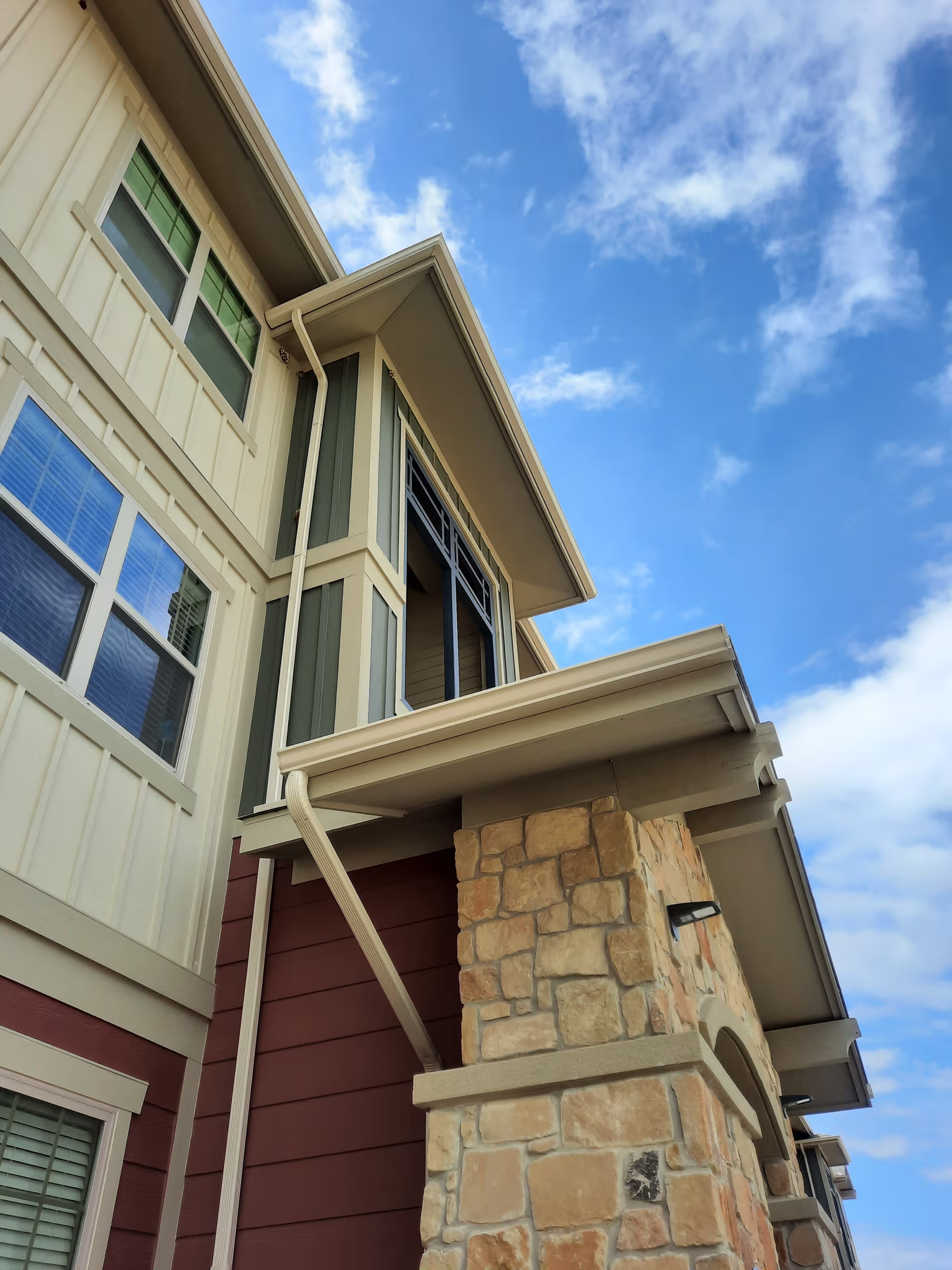
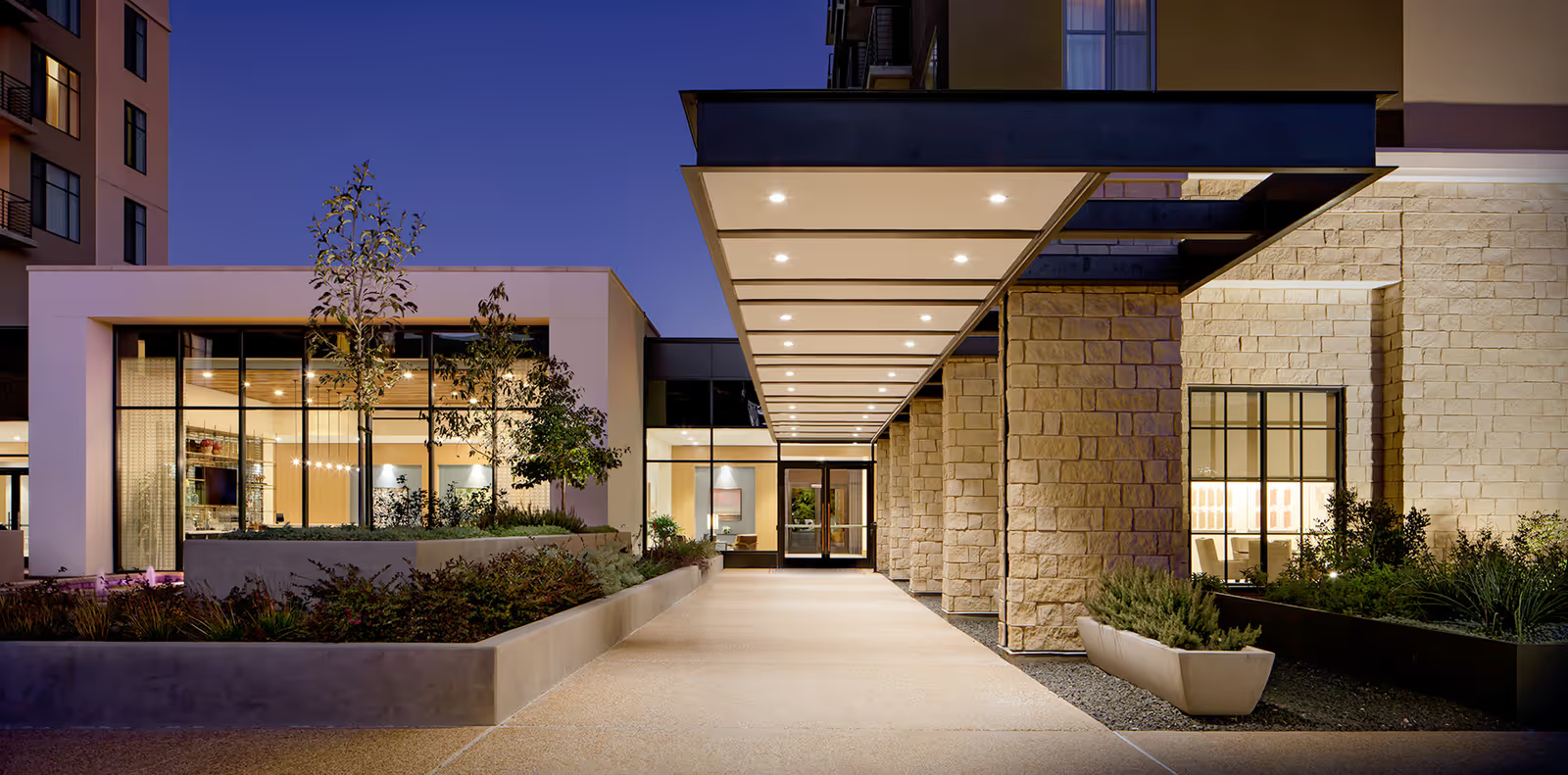
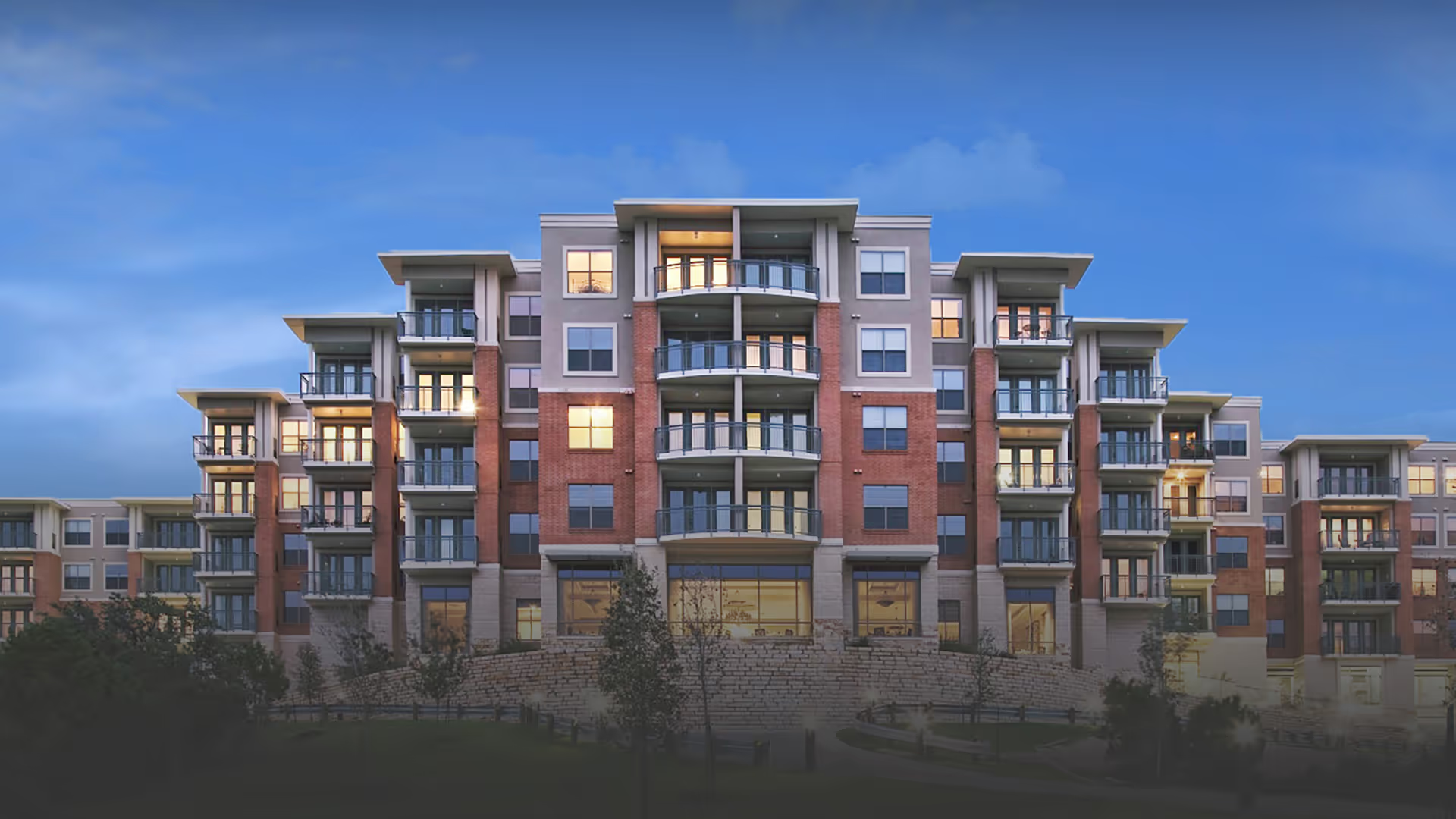
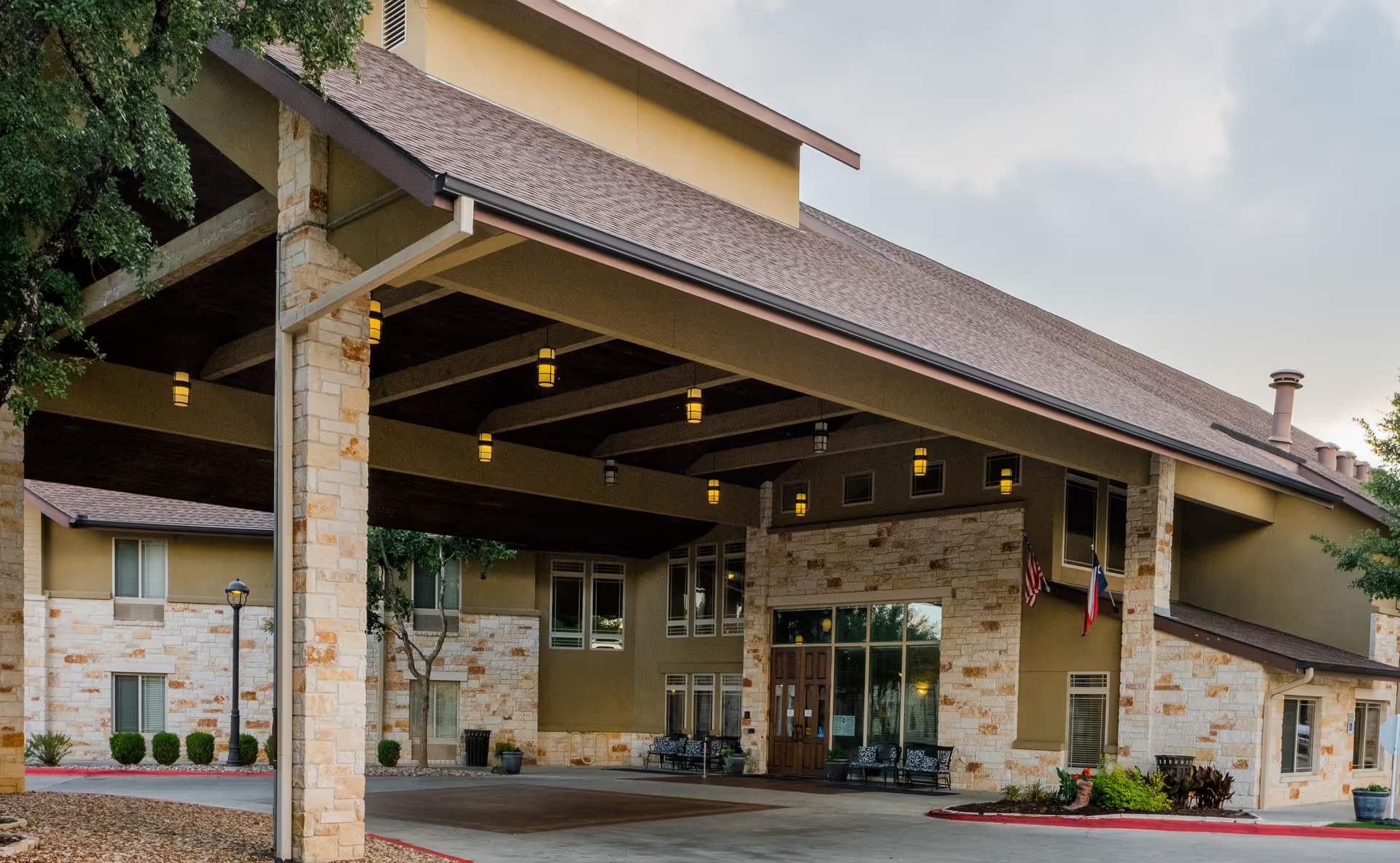
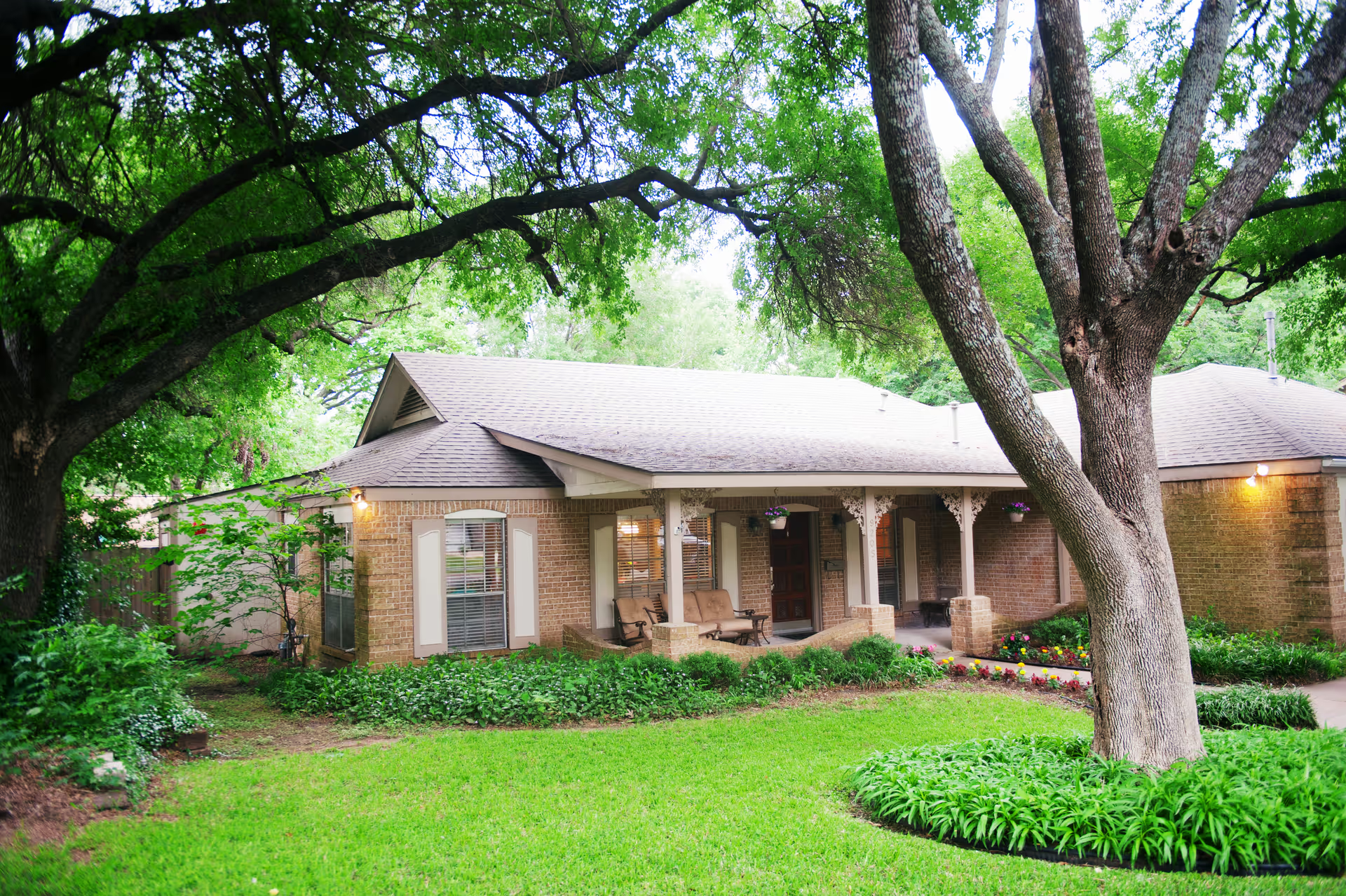
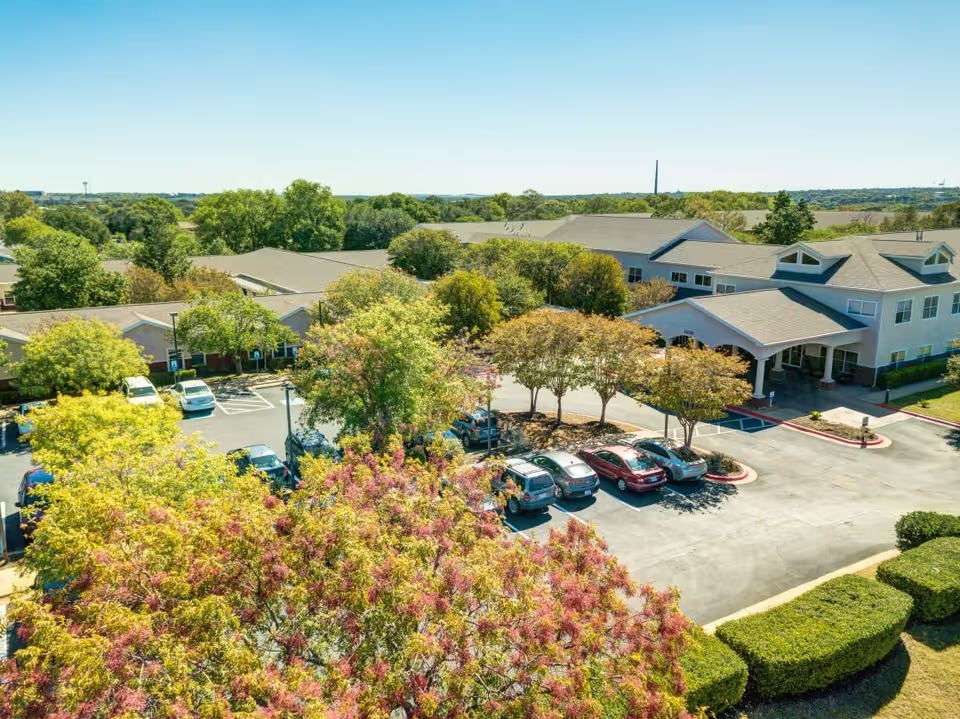
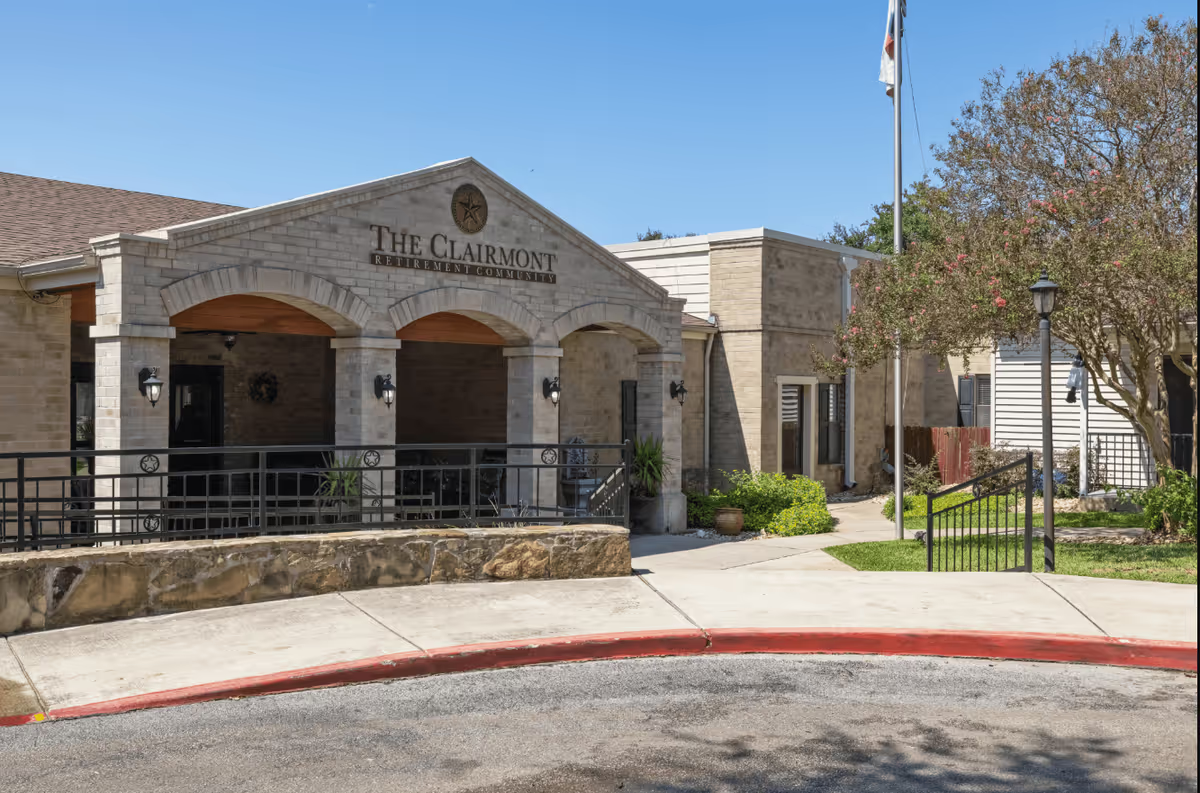
Clearwater at the Arboretum presents as a new, upscale assisted-living community with well-maintained facilities and a wide range of amenities. Review content repeatedly emphasizes the modern, bright design and spacious apartment layouts with attractive views. On-site features frequently mentioned include a salon, gym, movie/theater room, library, arts-and-crafts space, outdoor patio, and multiple communal dining areas, supporting a resort-like environment for residents.
Care quality is generally described as strong. Families and visitors highlighted compassionate, attentive caregiving and a relatively low caregiver-to-resident ratio, along with on-site clinical supports (nurses, therapists, and visiting physicians). The community is positioned as a continuum-of-care option that allows residents to age in place, and reviewers described personalized care planning, proactive follow-up, and coordinated move-in processes that eased transitions. Memory-support programming and activities were characterized as engaging and well-staffed in most accounts.
Staffing and leadership receive consistent praise: reviewers singled out an empathetic admissions and management team and described staff as responsive, professional, and warm. Admissions and move-in coordination, including after-hours availability in some cases, were commonly noted as strengths. The dining program was a particular highlight — the chef and dining leadership were repeatedly commended for high-quality, varied meals and thoughtful presentation.
Activities and social programming are robust, with frequent events and weekly outings cited as contributing to residents' social engagement. Reviewers described a lively calendar of offerings, from organized outings to internal arts, fitness, and entertainment programs, which supports an active community life.
Notable patterns of concern appeared in a smaller set of comments and are operational in nature. Several reviewers described an inconsistent approach to clinical assessment for residents with communication impairments (for example, aphasia), which in at least one case led to an inappropriate level-of-care determination. A few comments raised concerns about intermittent staffing and coverage gaps or about administrative responsiveness during particular interactions. Because the community is relatively new and actively growing, reviewers also described some variability associated with the ramp-up phase; program maturity and consistency may continue to evolve. Finally, while pricing is described as reasonable by many, a subset of families indicated that cost can be a limiting factor for more budget-constrained households.
For prospective residents and family decision-makers: tour the community during active service times, sample a meal, observe staffing levels in common areas, and ask specific questions about assessment protocols for communication-impairment diagnoses and shift coverage. Request written information on pricing, fee structure, and the specific continuum-of-care services included, and inquire how the community manages staffing and program consistency as it continues to grow. These steps will help align the community's strengths — facilities, dining, and personalized caregiving — with each resident's clinical and financial needs.