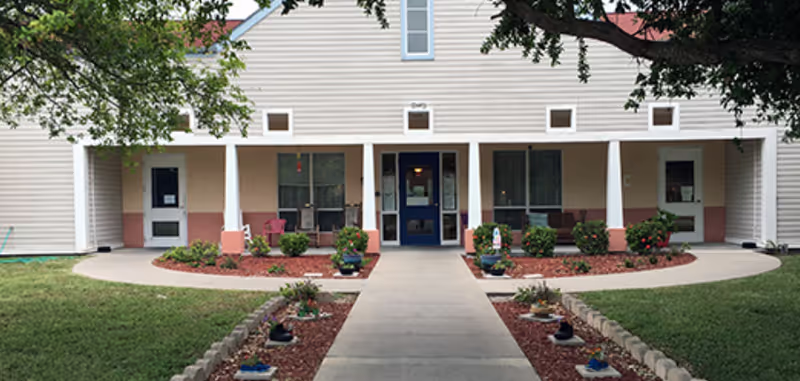
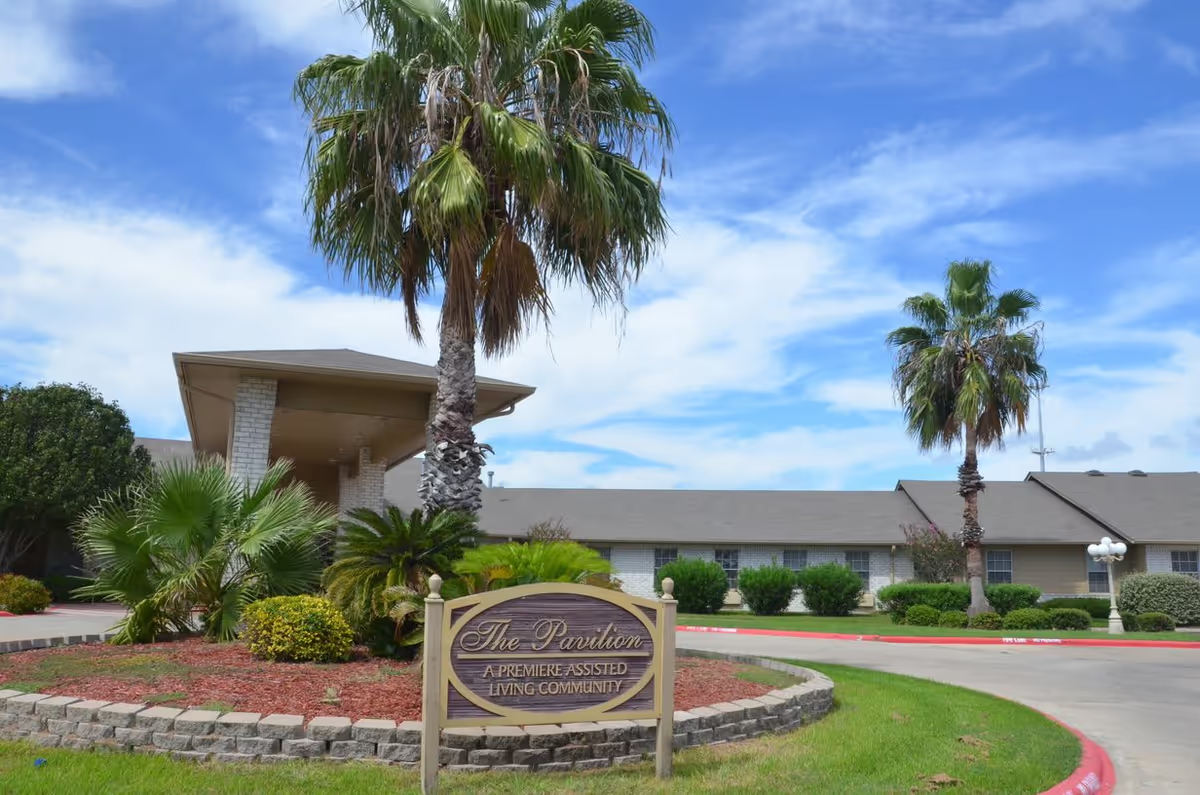
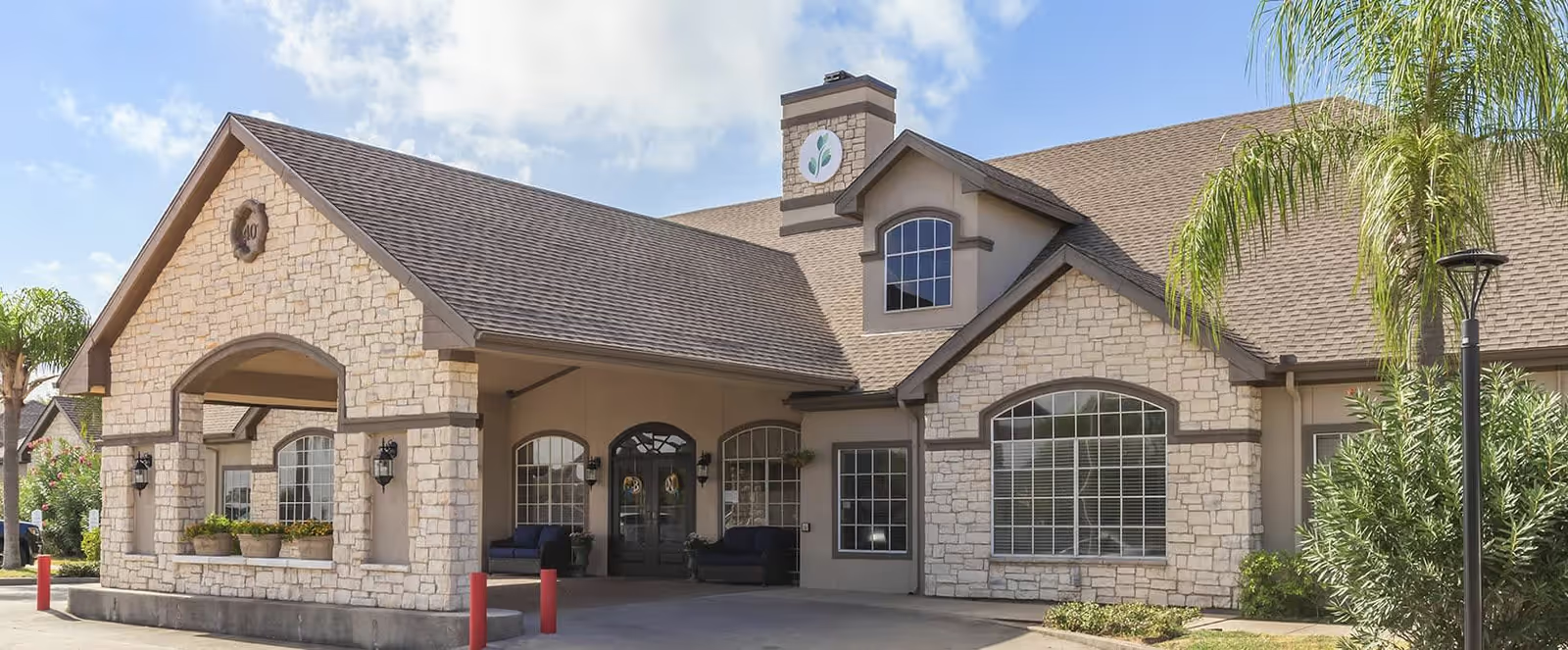
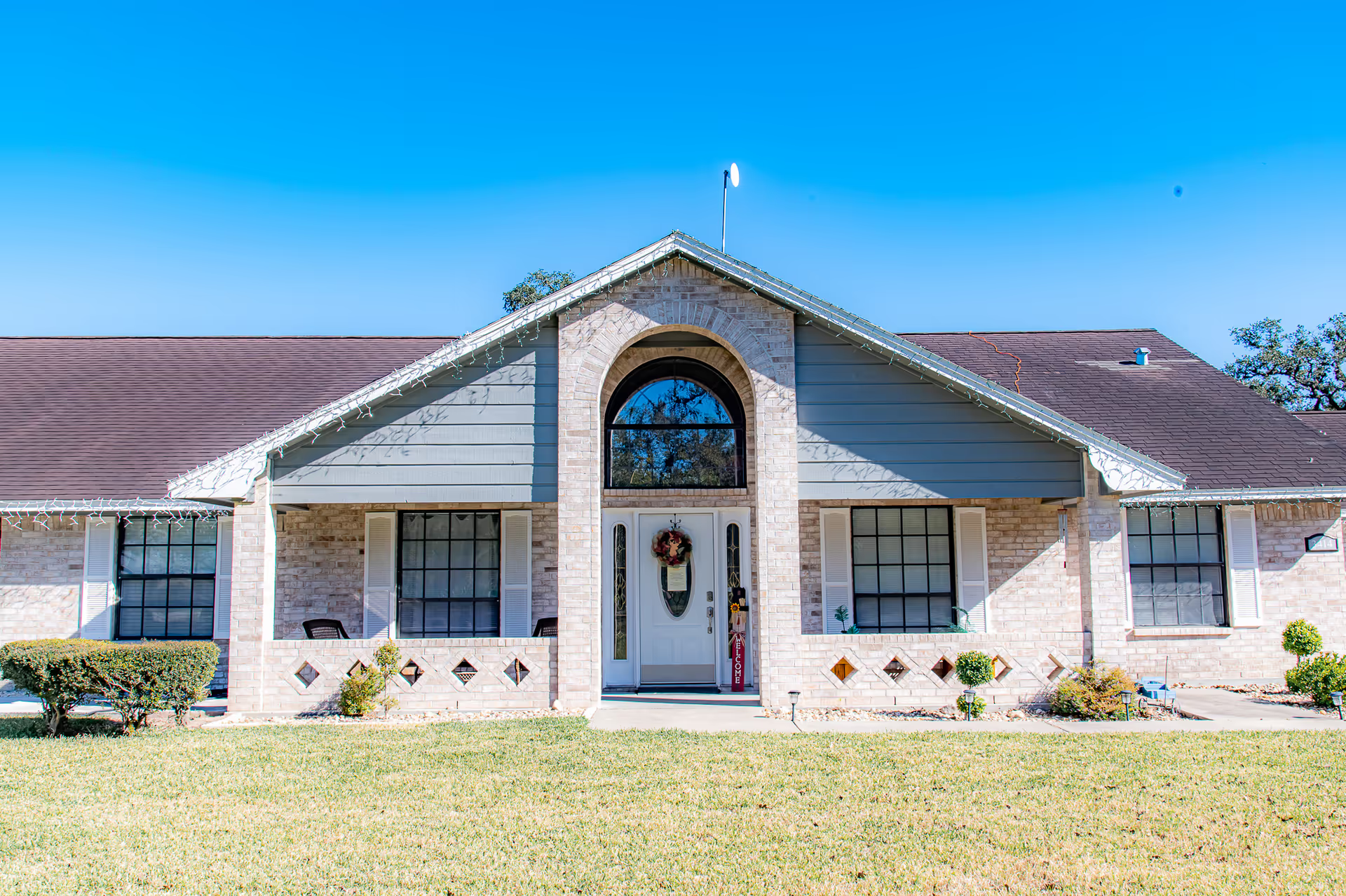
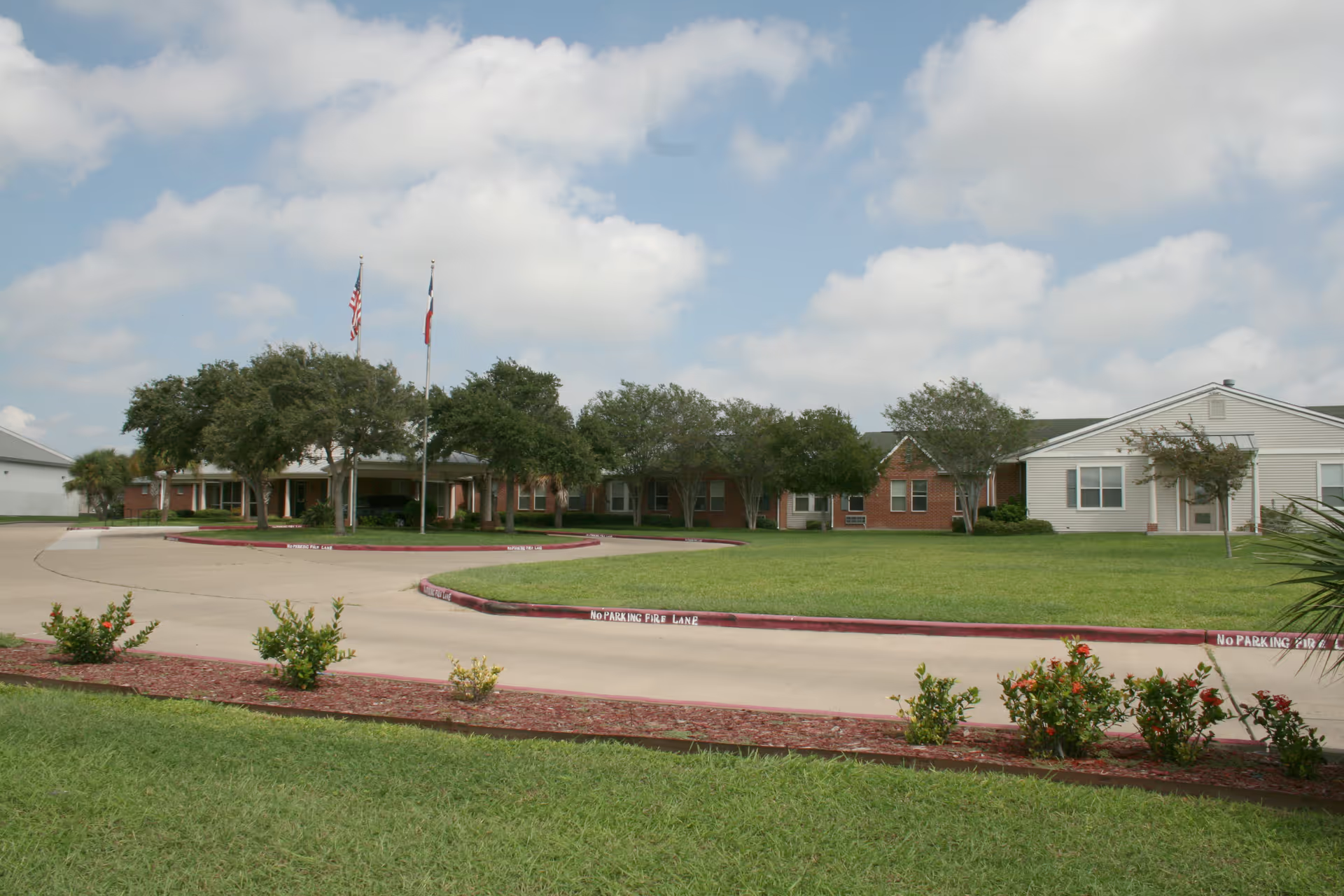
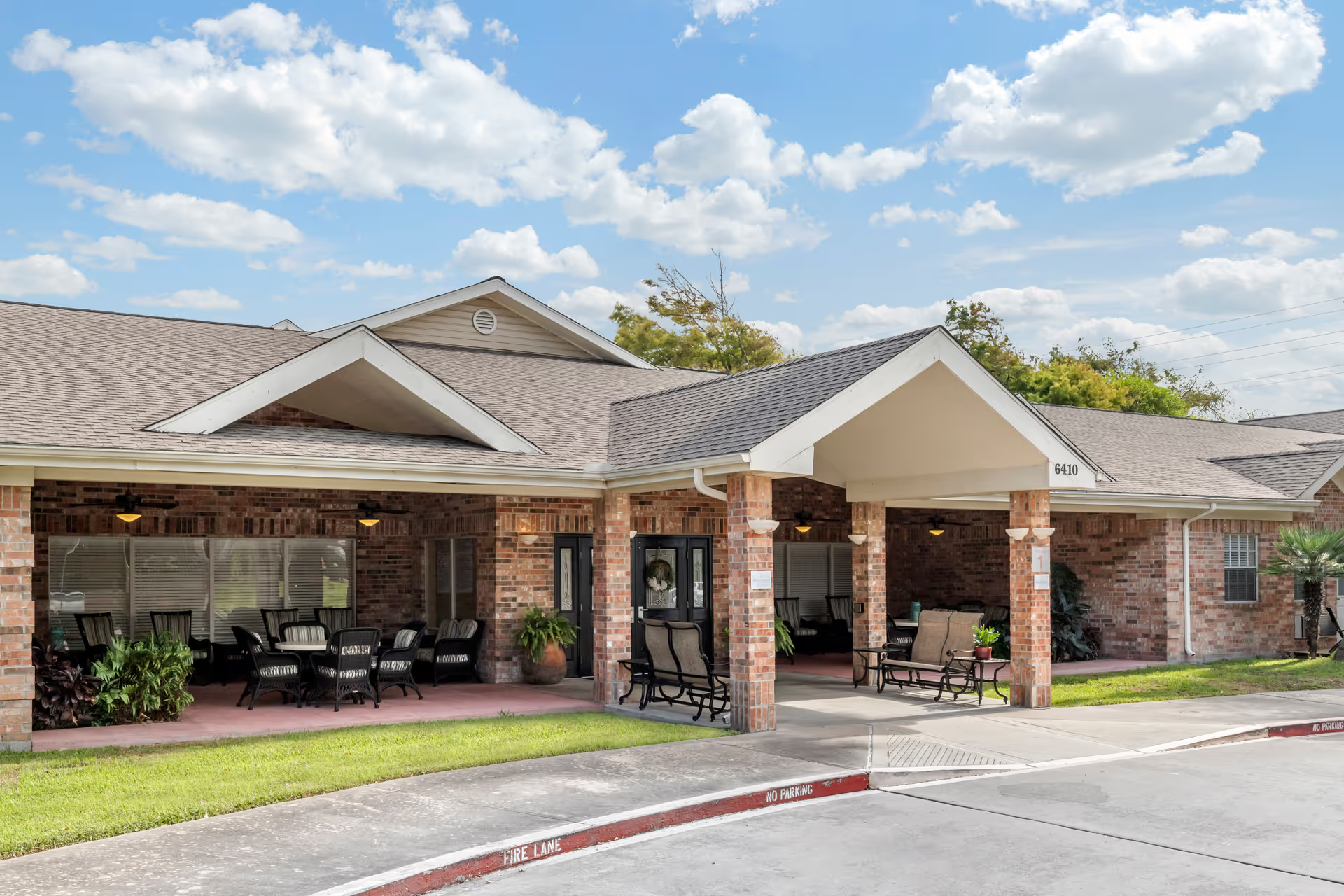
The reviews present a highly mixed picture of Birchwood of Beeville, with strong positive experiences alongside serious operational concerns. Several families describe the facility as having compassionate, engaged caregivers, a capable nursing team, useful therapy offerings, and a memory-care neighborhood that feels comforting and home-like. Some reviewers specifically credited staff for personalized meal accommodations, consistent involvement from therapy staff, and an overall team-oriented culture, with a few noting improvements after recent ownership changes.
Conversely, a number of reviews identify repeat themes that point to systemic weaknesses. Communication and trust between families and management is a recurrent concern: relatives describe difficulties getting clear answers, inconsistent follow-up on issues, and adversarial interactions in some cases. Relatedly, reviewers raised concerns about inconsistent staff professionalism and conduct, which they say ranges from attentive caregiving to dismissive or discourteous interactions. Several accounts describe gaps in adherence to clinical and dietary orders, which suggests variability in care-plan implementation and clinical oversight.
Dining and daily living received mixed feedback. Positive comments highlight individualized meal preferences being accommodated and active therapy programs that support residents’ routines. Negative comments emphasize inconsistent meal quality, limited variety, and problems with beverage and meal presentation that reduce mealtime satisfaction for some residents. Reviewers also raised pest-control and sanitation concerns in resident areas and dining spaces, indicating a need for more consistent environmental maintenance and pest-management practices.
Operational issues extend to personal-property handling and unit management. Families reported instances of lost or misidentified items and blankets with incorrect labeling, which points to resident property-management and identification process gaps. Memory-care quality was described as uneven: while some families praised the neighborhood and staff there, others felt that supervision and program delivery did not consistently meet expectations. Several reviewers referenced serious incidents that they felt were not handled transparently; a subset alleged loss of personal items and described contentious conversations with leadership, with some families expressing intent to pursue legal remedies.
Management and reputation are additional areas of concern. Criticisms include perceived weak nursing-leadership oversight, inconsistent follow-through on care issues, limited transparent incident reporting, and questions about the authenticity of online ratings. At the same time, a number of reviews portray a reliable, caring staff and cite positive day-to-day experiences, suggesting variability across shifts, units, or leadership periods.
For prospective residents and families: arrange an in-person tour that includes the memory-care neighborhood, ask for current staffing levels and supervision practices, request written examples of how the facility documents and follows clinical and dietary orders, review pest-control and housekeeping protocols, inquire about property-management and labeling procedures, and check recent state inspection and complaint histories. Speaking directly with families currently using the facility and observing multiple meal times and staff interactions will help assess whether the aspects praised in some reviews or the operational gaps noted in others are more representative of current practice.