Overall impression Hacienda Oaks Nursing & Rehabilitation Center receives substantial praise for its interpersonal atmosphere and therapy capabilities. Many reviewers emphasize a warm, hospitable environment driven by staff who are described as friendly, kind, and engaged. Administrative presence and hands-on management are highlighted, with several families noting active follow-up from leadership and specific staff who assisted with admissions and paperwork. The facility appears to perform well for short-term rehabilitation: therapy teams and rehabilitation groups are credited with measurable functional gains and successful discharges.
Care quality and staff Care experiences are mixed but lean positive. Numerous accounts describe attentive medication management, compassionate nursing, and custodial and therapy staff who take pride in residents. That said, there are repeated operational concerns about inconsistent responsiveness—examples include missed or delayed attention to resident needs, missed activity wake-ups, and variability in staff availability. Reviewers identify understaffing as a likely contributor to those inconsistencies, which can affect day-to-day routines and family satisfaction. There are also specific concerns about staff conduct and handling of resident property or food that merit direct inquiry during a tour.
Activities and dining Activity programming is a clear strength. Families note a lively calendar with culturally relevant games, holiday meals, seasonal events (ice cream day, watermelon day, Thanksgiving lunch), haircuts, and other social programming that support resident engagement. These events are described as meaningful to residents and families. Dining is mentioned positively in the context of holiday and social meals, though there are no extensive comments on daily menu quality beyond these events.
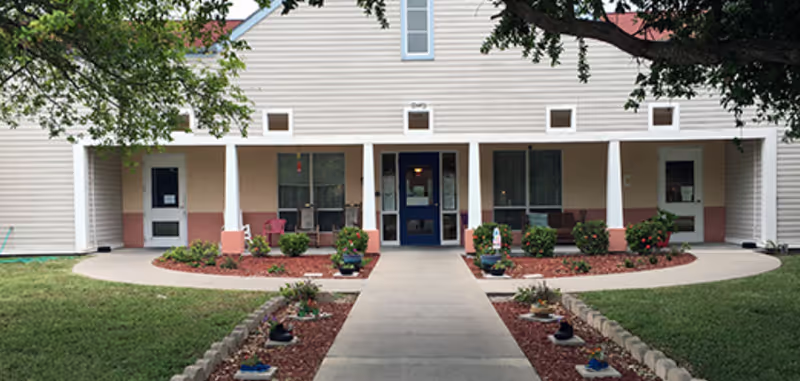
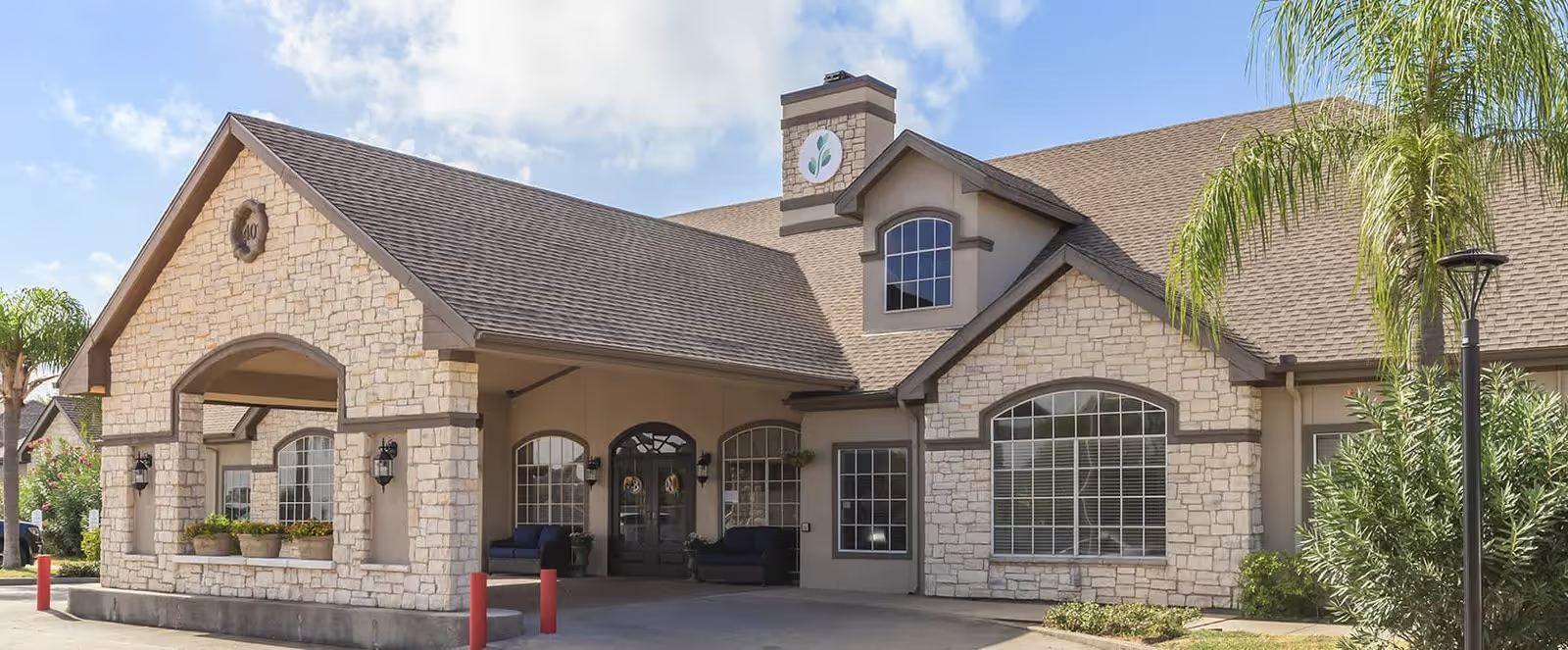
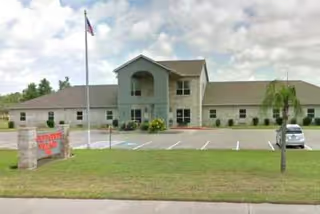
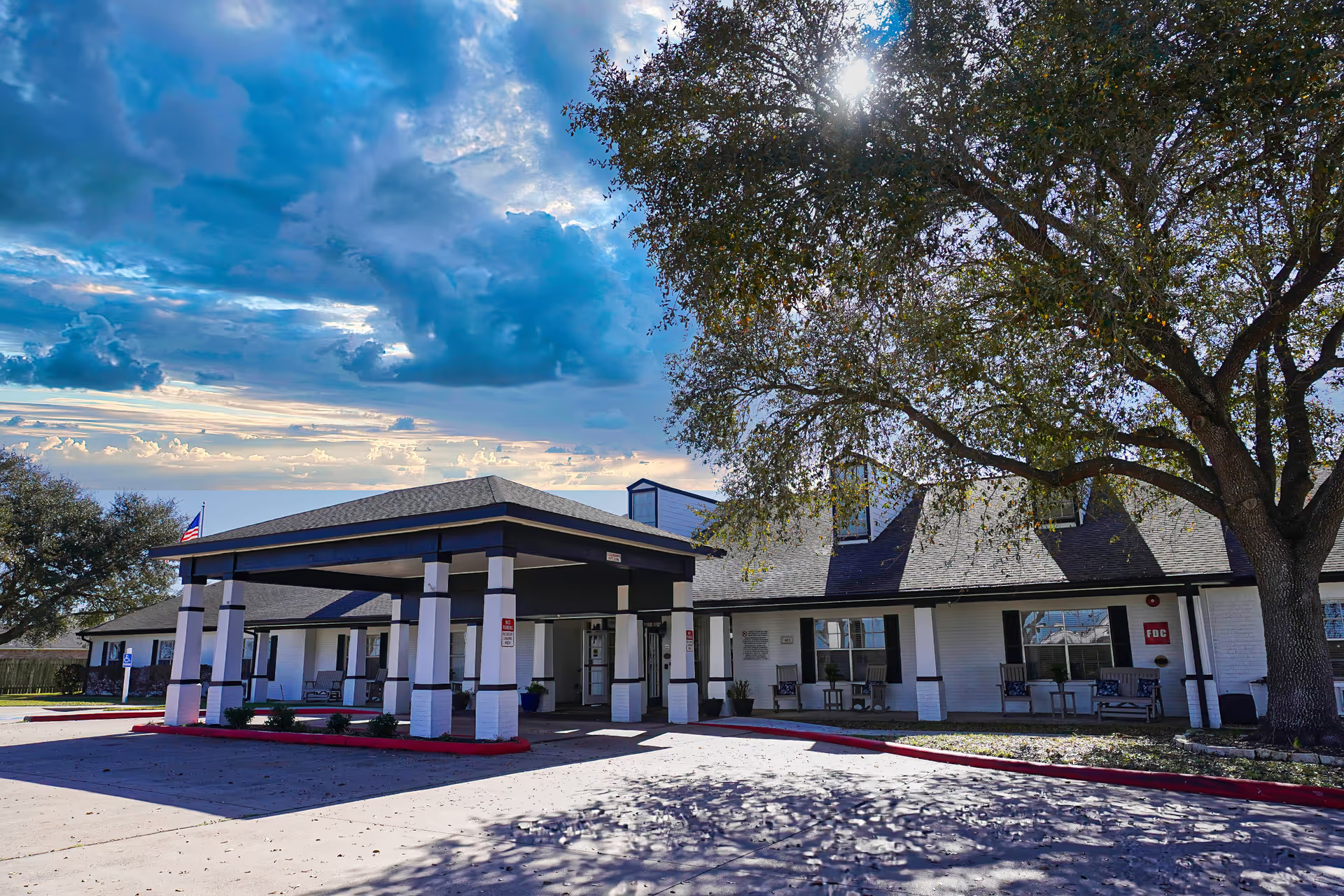
Facilities and cleanliness Common areas are frequently described as neat, cozy, and well-maintained, and the facility’s secure entry procedures are appreciated. The admissions check-in process and kiosk are reported as efficient. However, several reviewers raise room-level sanitation concerns—instances of inadequate housekeeping in individual rooms were noted alongside otherwise clean communal spaces. Prospective families should ask about housekeeping schedules and room inspection practices.
Management and communication Management is seen as active and accessible by many reviewers, with staff who assist with paperwork and discharge logistics. Positive family–staff communication is reported in multiple accounts, though there are also notable complaints about inconsistent communication during clinical events and at end-of-life transitions. Given these mixed experiences, families may wish to discuss communication protocols, escalation pathways, and how the facility handles critical incidents before placement.
Notable patterns and considerations The facility appears to be a strong option for short-term rehabilitation and residents who benefit from active programming and personable staff. At the same time, recurring themes—variable responsiveness, understaffing effects, room-level cleaning inconsistencies, and isolated but serious concerns about conduct and property handling—suggest areas to probe on a visit. Recommended points of inquiry include staffing ratios on the intended unit and shift, housekeeping and sanitation audits, visitation and property-handling policies, activity schedules and wake-up routines, and the facility’s process for communicating during clinical changes or end-of-life events. These checks will help families weigh the facility’s evident strengths against the operational inconsistencies noted by reviewers.