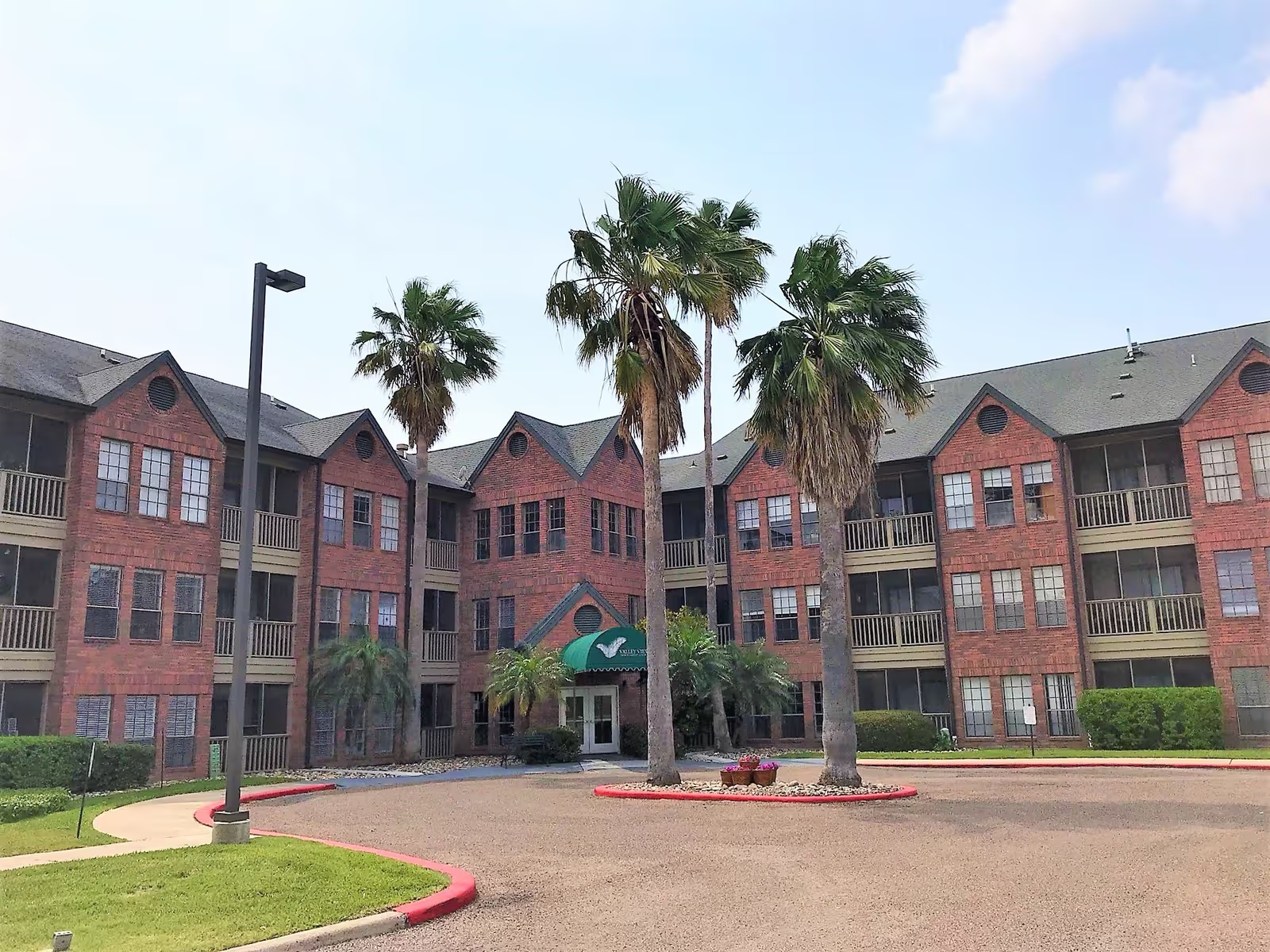
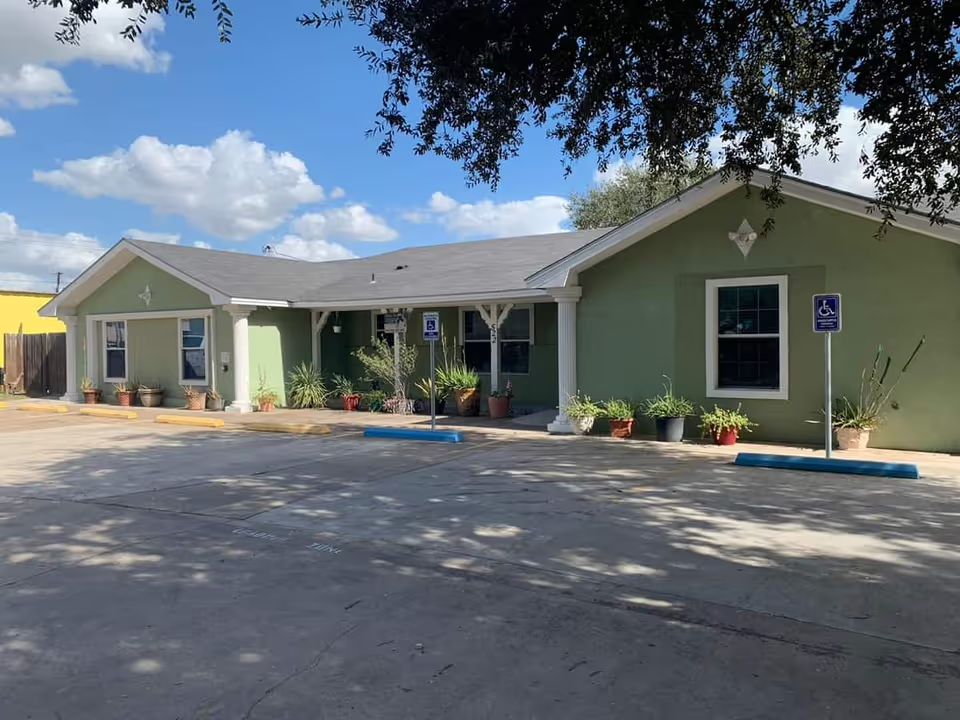
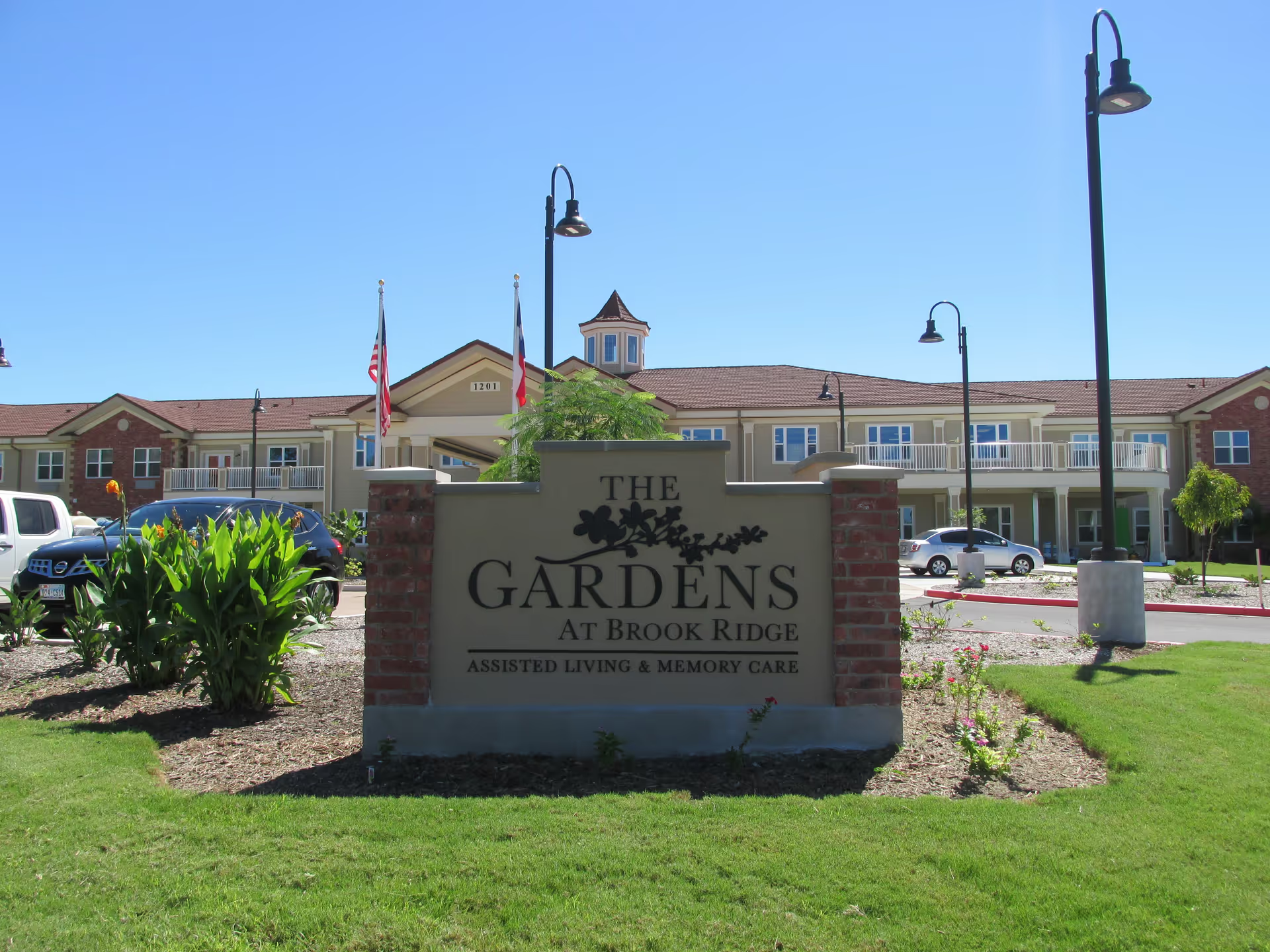
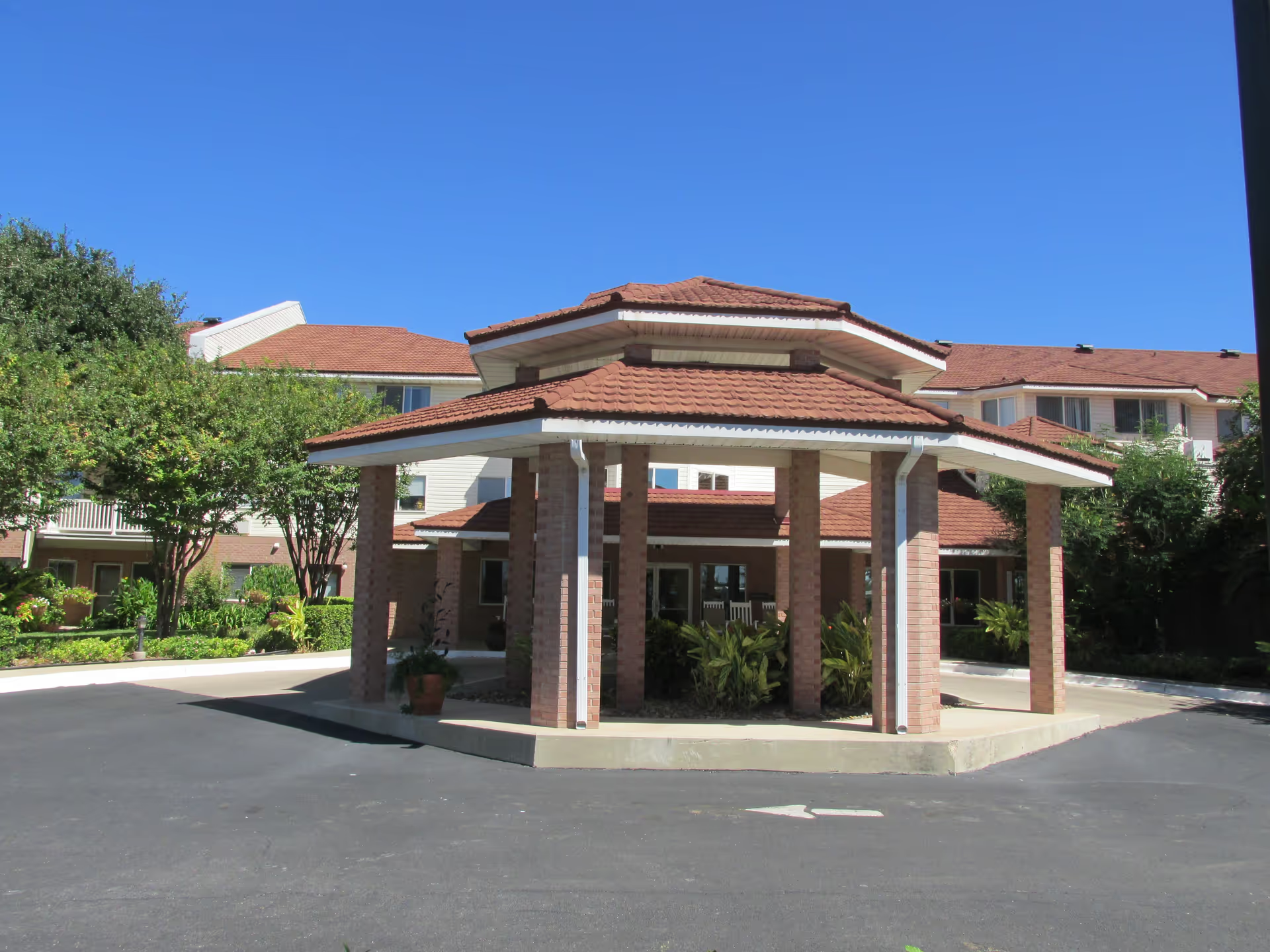
Overall impression: Reviews reflect a facility with strong strengths in hospitality, rehabilitation, and daily living supports alongside operational gaps that families should weigh. Many family members and visitors describe a welcoming, well-kept campus, with several staff members—nurses, therapists, CNAs, housekeeping and dining teams—praised for compassion, professionalism, and clear communication. Therapy outcomes and discharge planning are commonly cited as effective, and the dining program and outdoor spaces receive positive remarks.
Care and staff: Clinical and direct-care staff receive consistently favorable comments for empathy, patience, and hands-on skill. Skilled-therapy services (physical and occupational therapy) are highlighted for producing measurable progress for some residents. At the same time, reviews indicate variability in staff performance across shifts and units. Persistent staffing shortfalls are described, and those shortages appear to contribute to delays in responding to residents’ needs and to inconsistent follow-through on routine care tasks.
Operations and safety: Review content suggests operational weaknesses tied to workforce capacity and consistency. Staffing shortages and variable accountability correlate with cited problems such as incontinence-care inconsistencies and uneven housekeeping in certain rooms. A small number of accounts describe adverse clinical events and hospital transfers; collectively these point to opportunities for stronger clinical-incident prevention, documentation, and family communication following events.
Activities, transportation, and mental health: The facility’s activity schedule, outings, and social programming are often praised for being well organized and engaging. However, there are also reports of limited transportation availability and missed or unfulfilled outing requests, including civic trips. Several families noted a lack of accessible onsite mental-health resources or limited behavioral support for residents who may need it.
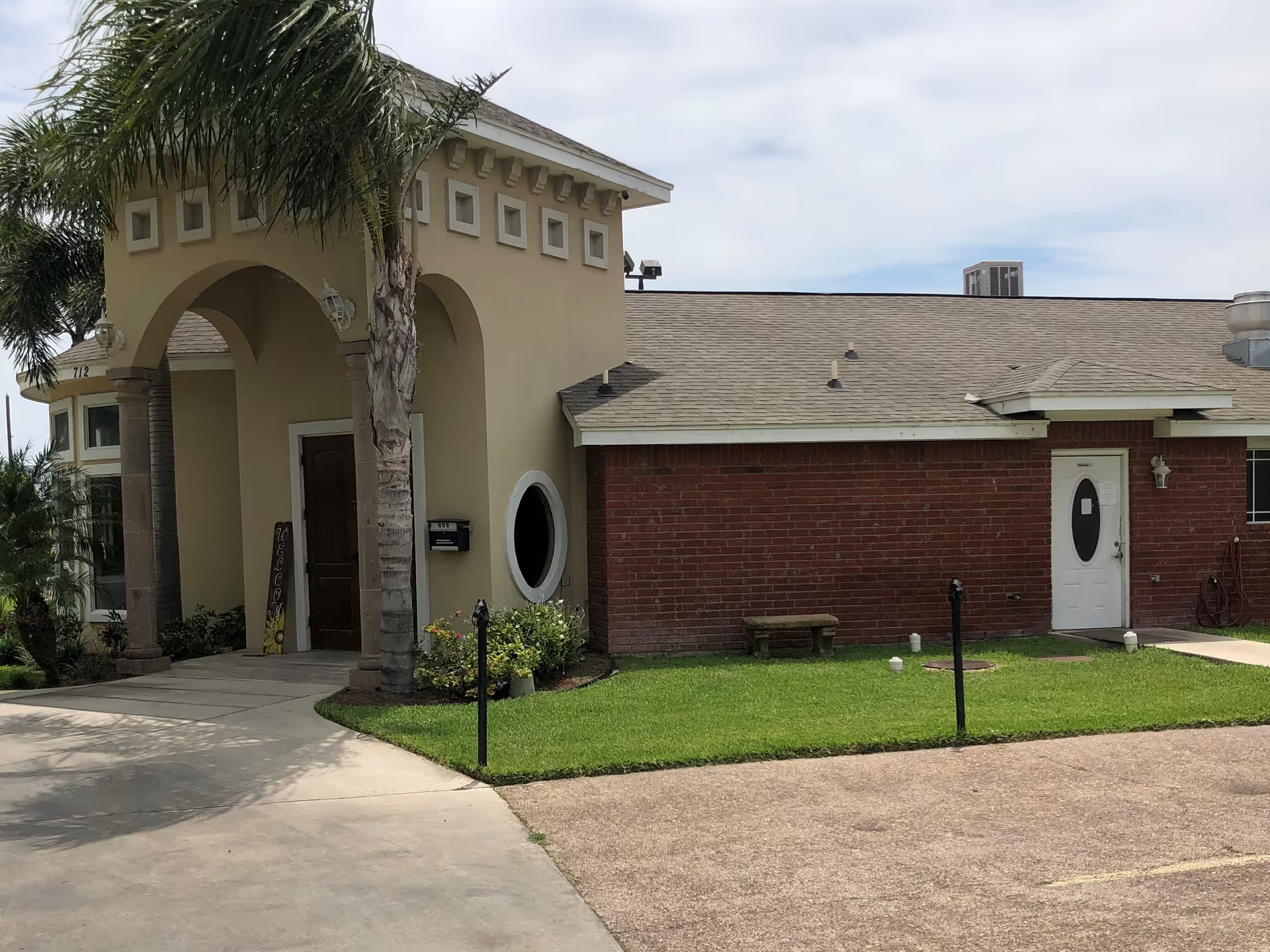
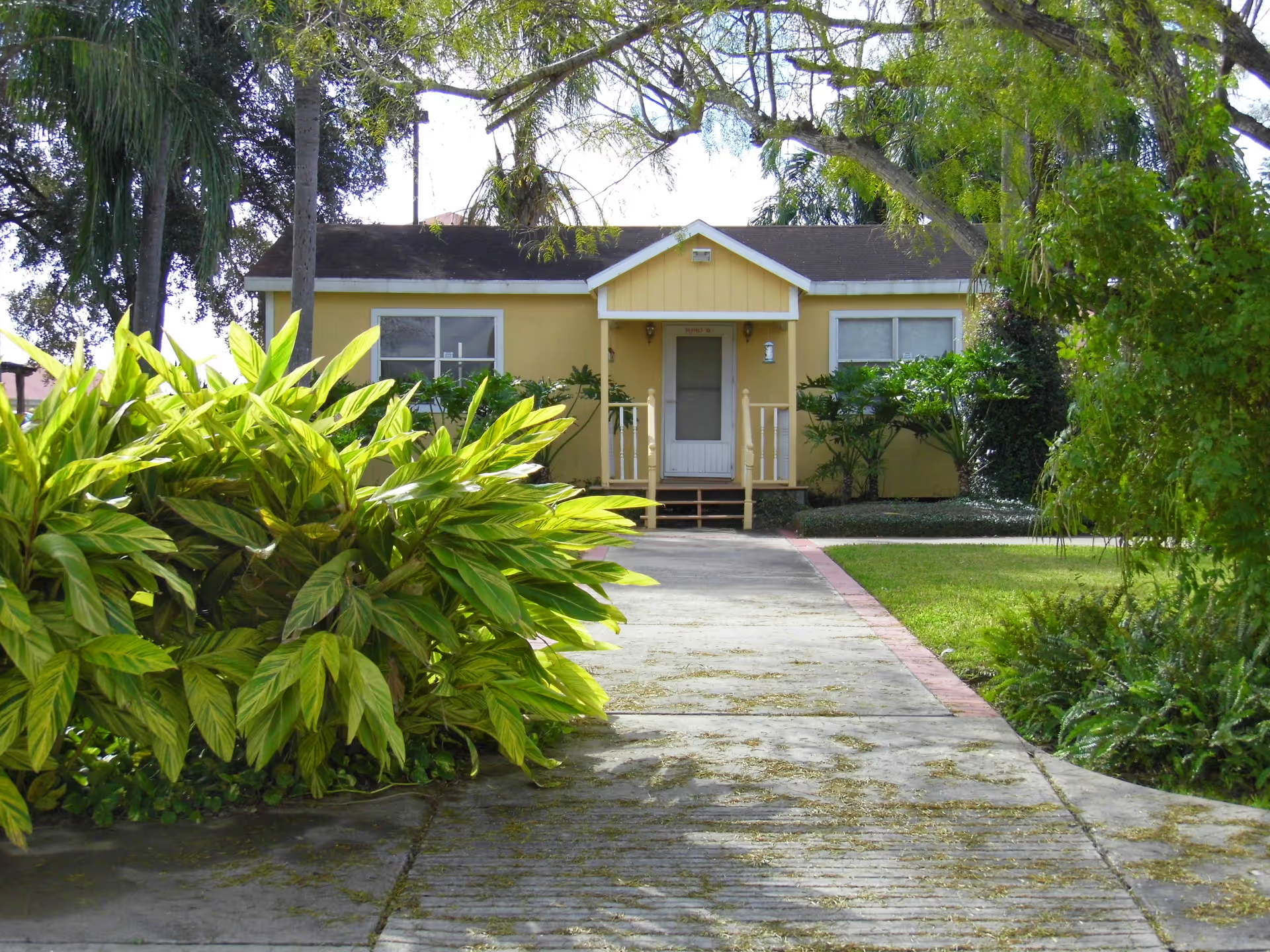
Facilities, dining, and admissions: Physical plant, meal service, and front-desk reception are frequent strengths. The building, grounds, and communal spaces are described as attractive and well maintained; many families report positive impressions on admission and during discharge planning. Dining receives multiple positive mentions for variety and quality. Yet the combination of unit-level sanitation inconsistencies and staffing pressures suggests that housekeeping and in-room service quality can vary.
Management and communication: Leadership and administrative staff receive positive feedback for transparency, coordination, and supportive transition planning in many accounts. At the same time, families raised concerns about responsiveness to specific requests—particularly transportation and some care concerns—indicating room for improvement in operational responsiveness and follow-through.
Bottom line: Las Alturas Brownsville presents as a generally well-appointed facility with strong therapy, dining, and many compassionate staff members and administrators. Prospective residents and families should balance those strengths against documented operational patterns—staffing variability, inconsistent unit-level sanitation and incontinence care, limited mental-health offerings, and transportation constraints—and ask targeted questions about staffing ratios, incident protocols, and availability of behavioral-health and transportation services during touring and admission discussions.