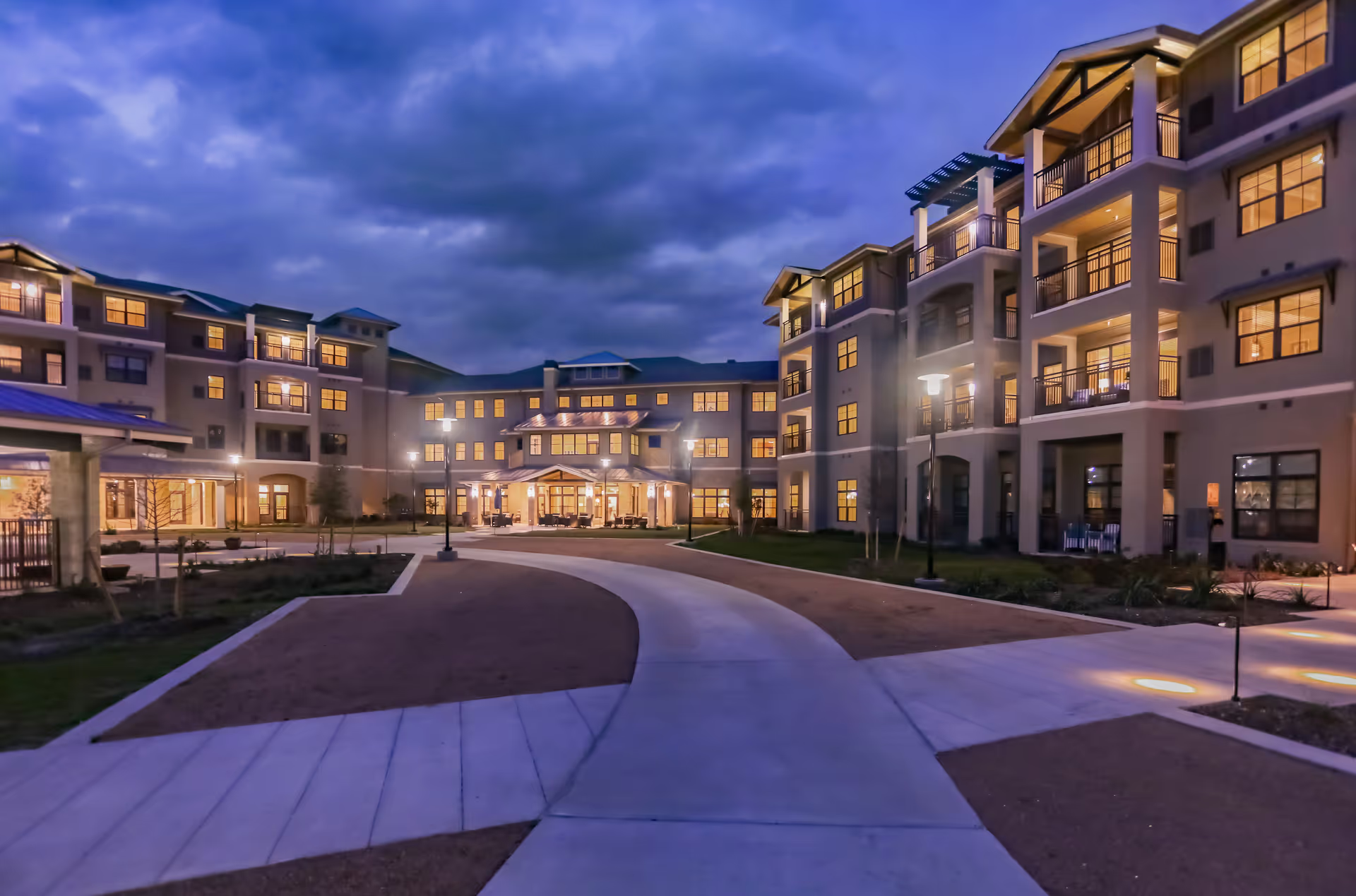
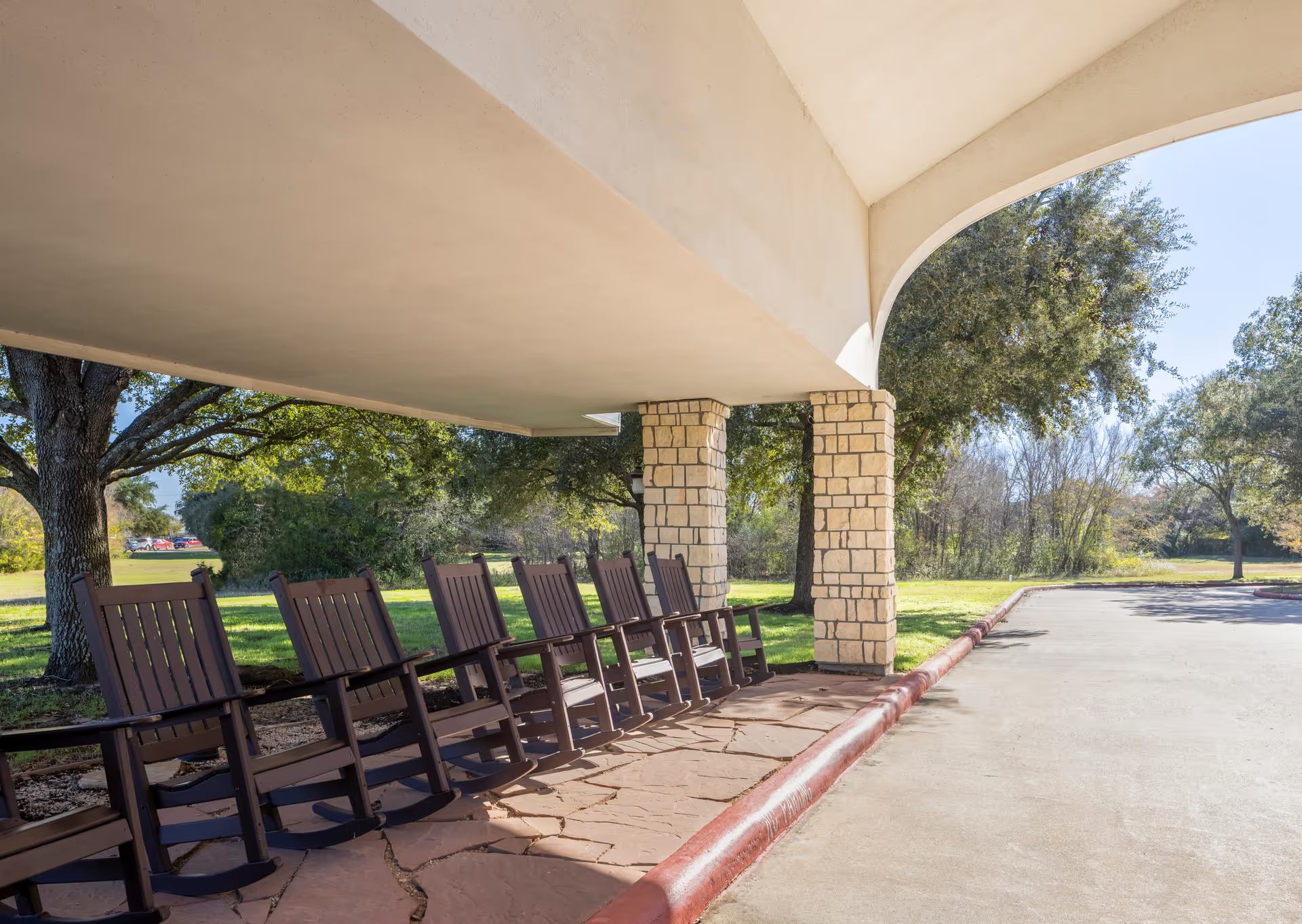
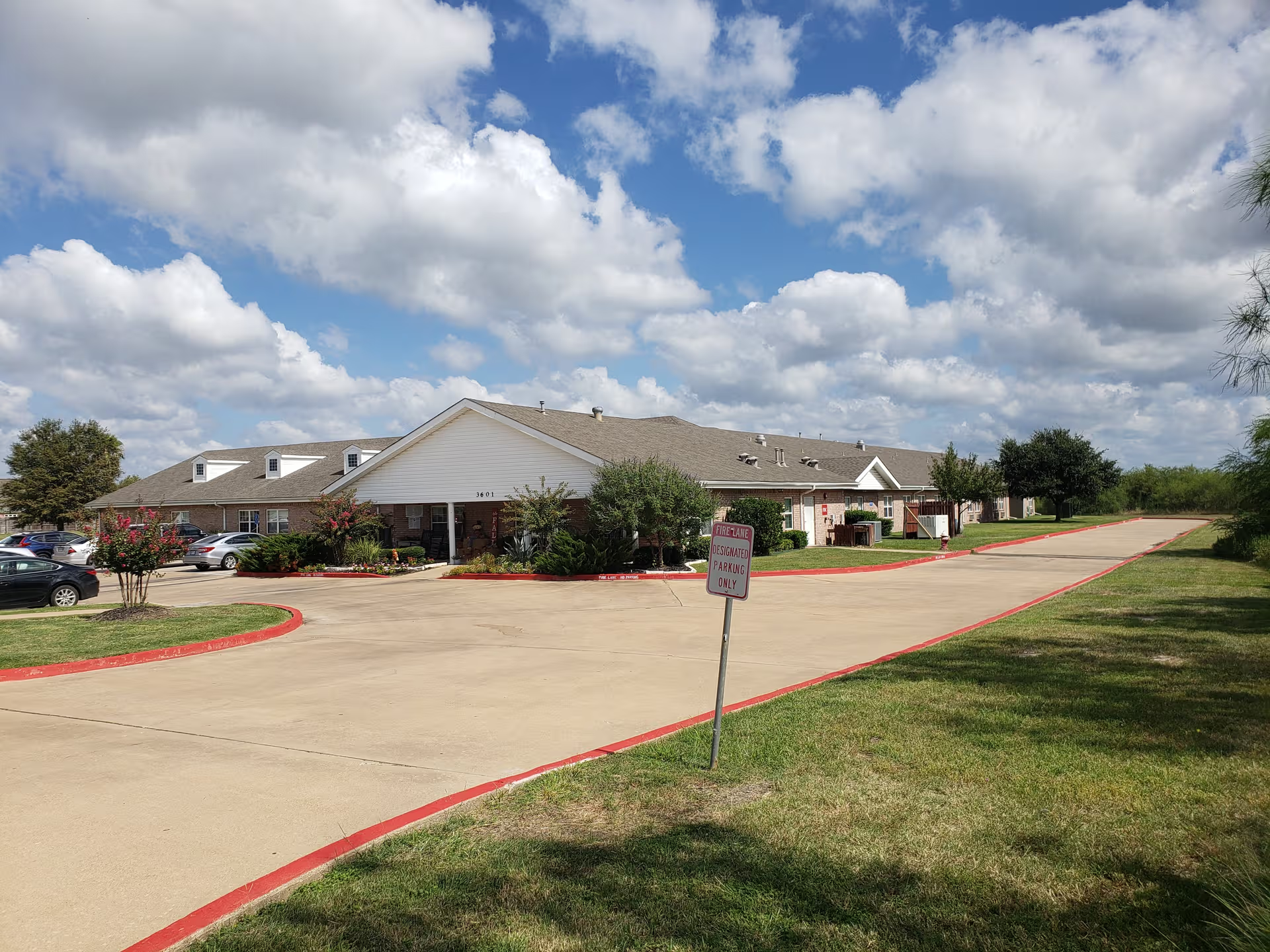
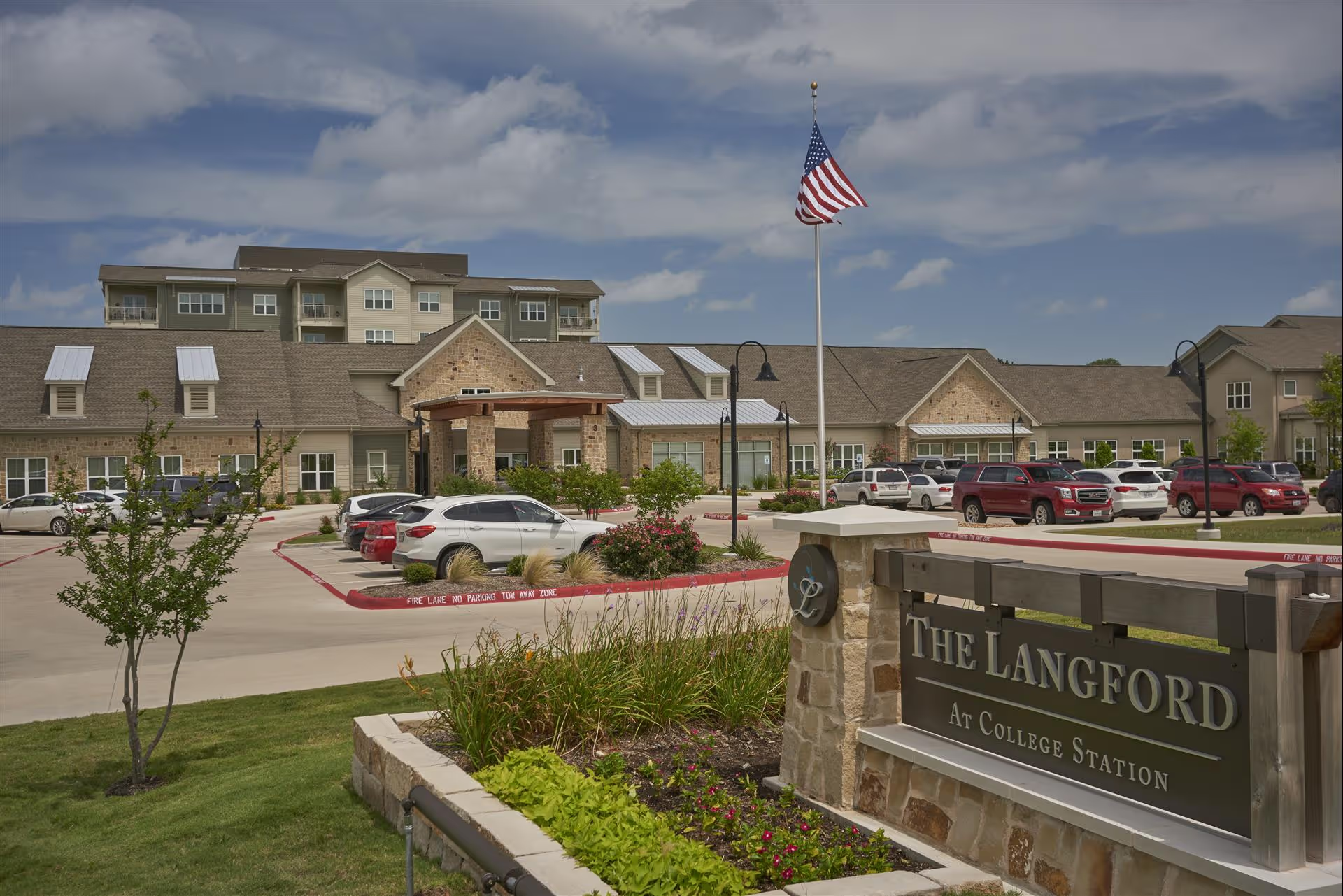
Crestview Retirement Community presents as an upscale, well-managed nonprofit community with a broad continuum of services and an extensive amenity set. The property is described as modern and elegant, with apartment-style residences, spacious common areas, and on-site offerings such as a gym, heated outdoor pool, library, chapel, salon, and multiple social rooms. Location is a consistent strength: the campus sits adjacent to a hospital and reviewers highlight rapid emergency transport and convenient access to medical appointments and shopping.
Clinical services and staff receive predominantly positive descriptions. Reviewers consistently note attentive caregiving, long-tenured nurses and aides, on-site physician coverage, 24-hour nursing, hospice coordination, and a robust rehab team that achieves documented short-term therapy successes. Admissions and transitions within the campus (independent to assisted or to skilled care) are described as smooth by many families, and the community emphasizes clear care-level pricing and an internal transition pathway.
Dining and activities are cited as strong points. The dining program is often characterized as chef-driven with high-quality meals; several families specifically praised food samples and meal service. The activity calendar appears active and varied, with frequent social and therapeutic programming, volunteer-led events, and multiple dedicated spaces for resident engagement. Housekeeping, maintenance, and groundskeeping are consistently described as thorough, contributing to an overall impression of cleanliness and high upkeep.
Notable operational limitations emerge across reviews. Pricing is described as premium relative to peers, and several service items (salon, some laundry, and other extras) may incur additional fees beyond base rent. Insurance acceptance is not universal, creating potential payor limitations for some prospective residents. The campus scale and layout—while offering many amenities—can be challenging for residents with significant mobility limitations; reviewers mentioned difficulty navigating long corridors or large common areas. Related to safety, reviewers raised questions about emergency egress and drill procedures tied to elevator dependence on upper floors, which suggests families should inquire specifically about evacuation plans and drill frequency.
Clinical-level concerns are limited in number but notable in content. There are references that imply gaps in clinical oversight within the skilled-nursing unit (for example, pressure-ulcer/wound-care concerns) and instances of limited skilled-nursing bed availability. A small number of comments point to variability in responsiveness or professionalism among therapy staff and to reduced staff visibility in some common areas or shifts. These items indicate areas where prospective families should ask for current quality metrics, staffing ratios, wound-care protocols, and therapy-staff supervision practices during a tour.
Overall, Crestview is portrayed as a high-quality, amenity-rich community that emphasizes compassionate care, rehabilitation success, and a robust social environment. The primary trade-offs are cost, occasional limitations in skilled-nursing capacity and some aspects of clinical oversight, plus the practical implications of a large campus for very frail residents. Prospective residents and families would be well advised to tour the skilled-nursing unit, review emergency-evacuation procedures, confirm insurance acceptance, and request up-to-date staffing and clinical-outcome information to align the community’s strengths with individual care needs and budget constraints.