Overall impression: Reviews present a mixed but clear pattern of strong frontline caregiving in combination with notable operational weaknesses. Many families emphasize warm, personalized attention from direct-care staff, prompt updates to family members, and a generally pleasant communal environment with bright, spacious common areas and active programming. At the same time, reviewers describe recurrent operational problems that affect clinical continuity, housekeeping, and resident security.
Care quality and clinical issues: Direct caregivers are frequently described as kind, respectful, and attentive; some families reported improvements in mobility and individualized assistance with activities of daily living. However, there are repeated examples of inconsistent clinical staffing (shift variability and turnover) and delays in medication orders or administration. These operational gaps have been associated with missed or delayed medications and concerns about skin integrity and follow-up care. The pattern suggests gaps in clinical handoff processes, medication reconciliation, and pharmacy coordination that require targeted process improvements.
Staff and culture: Staff interactions are a prominent strength for many reviewers — caregivers are called respectful, dignified, and engaged. Conversely, other accounts describe variable professionalism, including curt communication, unresponsiveness, and an authoritarian tone in some departments. High staff turnover and reports of inadequate orientation point to training and retention challenges. Management presence is uneven: some administrators are described as accommodating and receptive, while other supervisory roles are perceived as overwhelmed or lacking clinical oversight.
Dining and activities: Dining experiences are described inconsistently. Several reviewers praise the food and the opportunity for family meals, and activity schedules and resident engagement are often highlighted as positives. At the same time, other reviewers cite poor food quality, presentation issues, and staffing problems in the kitchen. Activity programming appears robust when staffing and scheduling permit, though COVID-related visitation and activity reductions were mentioned.
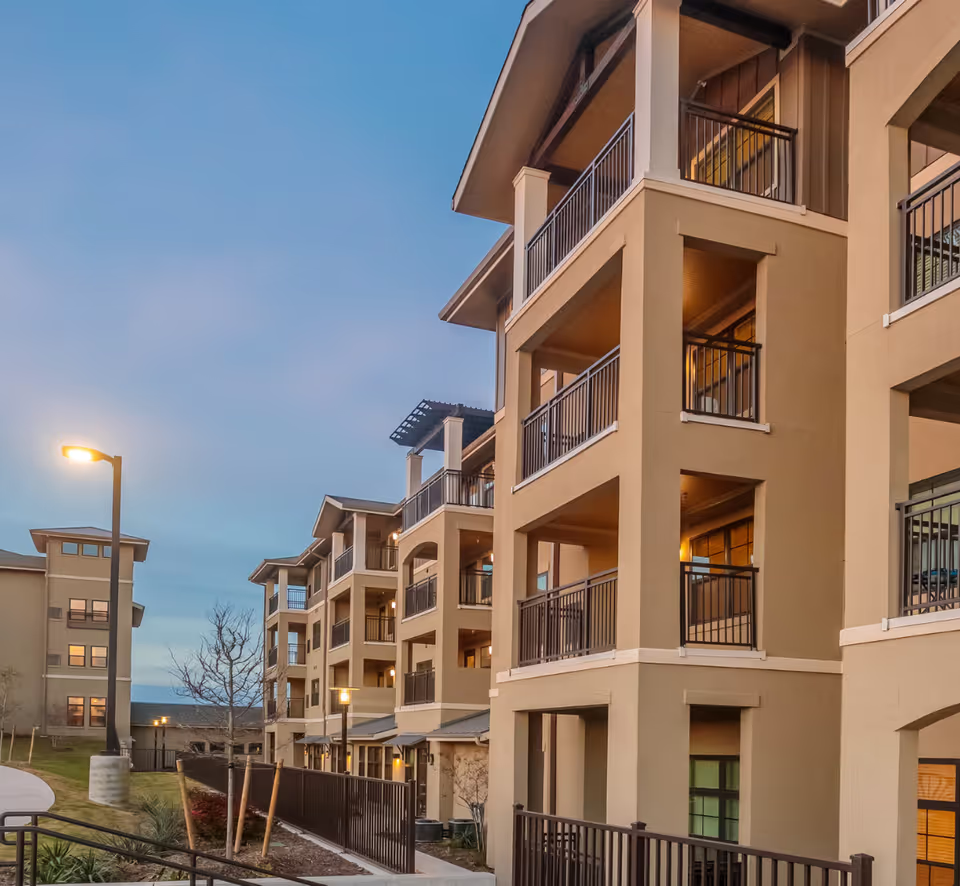
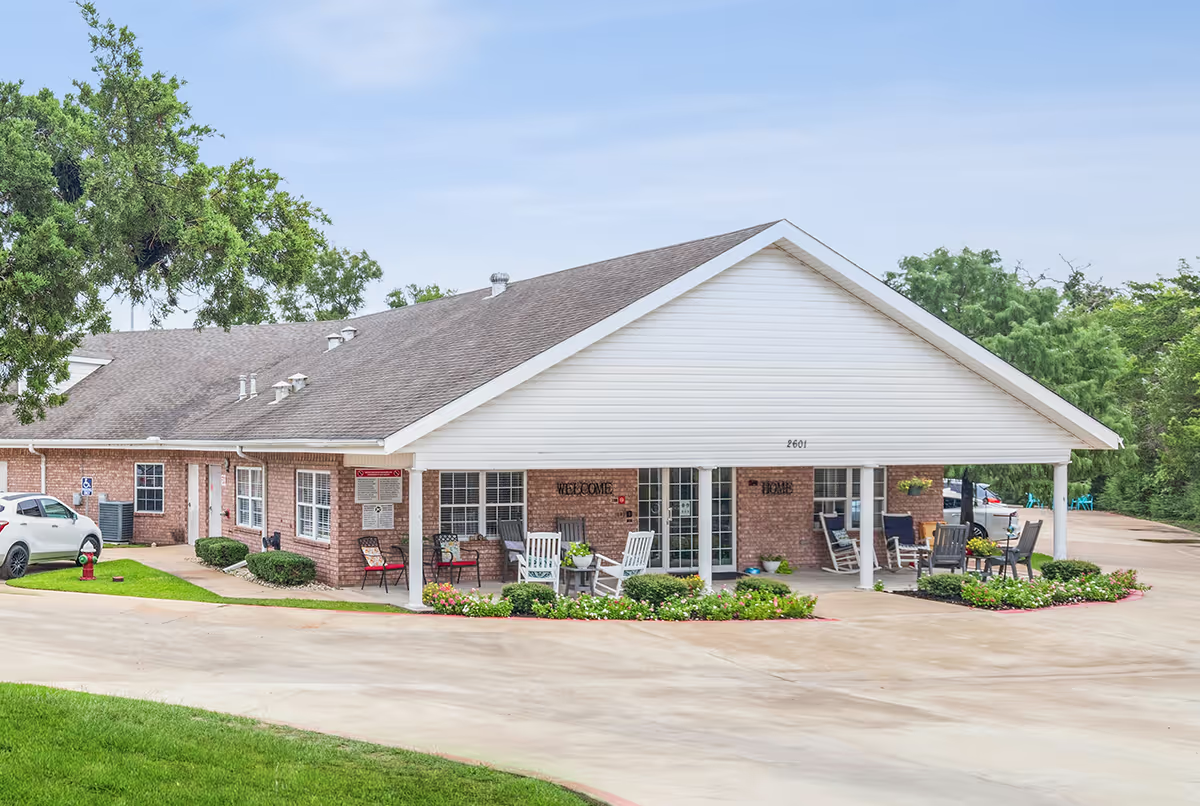
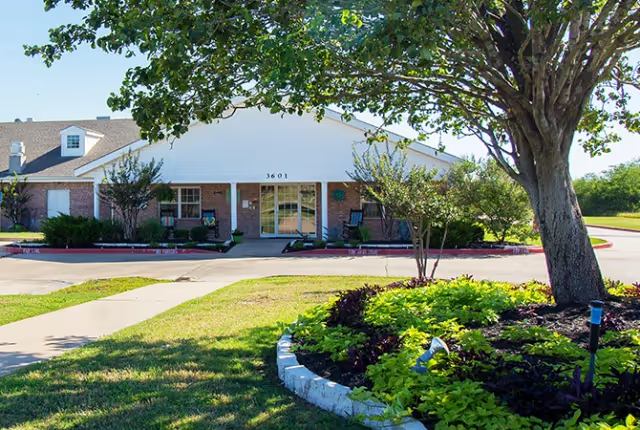
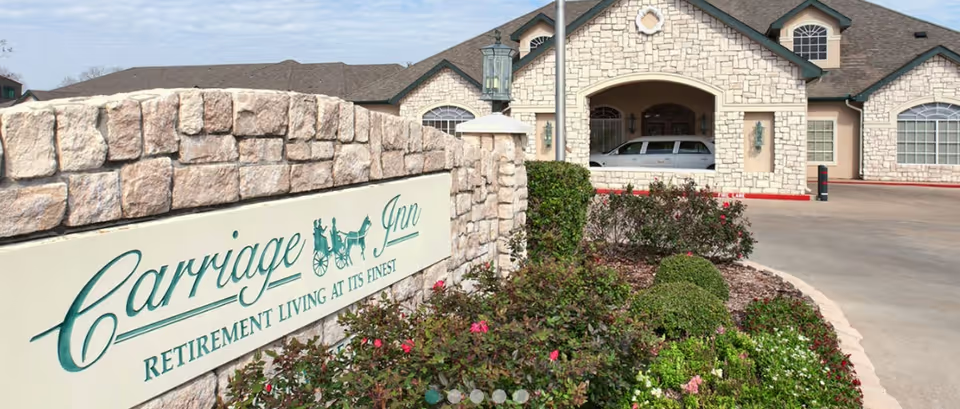
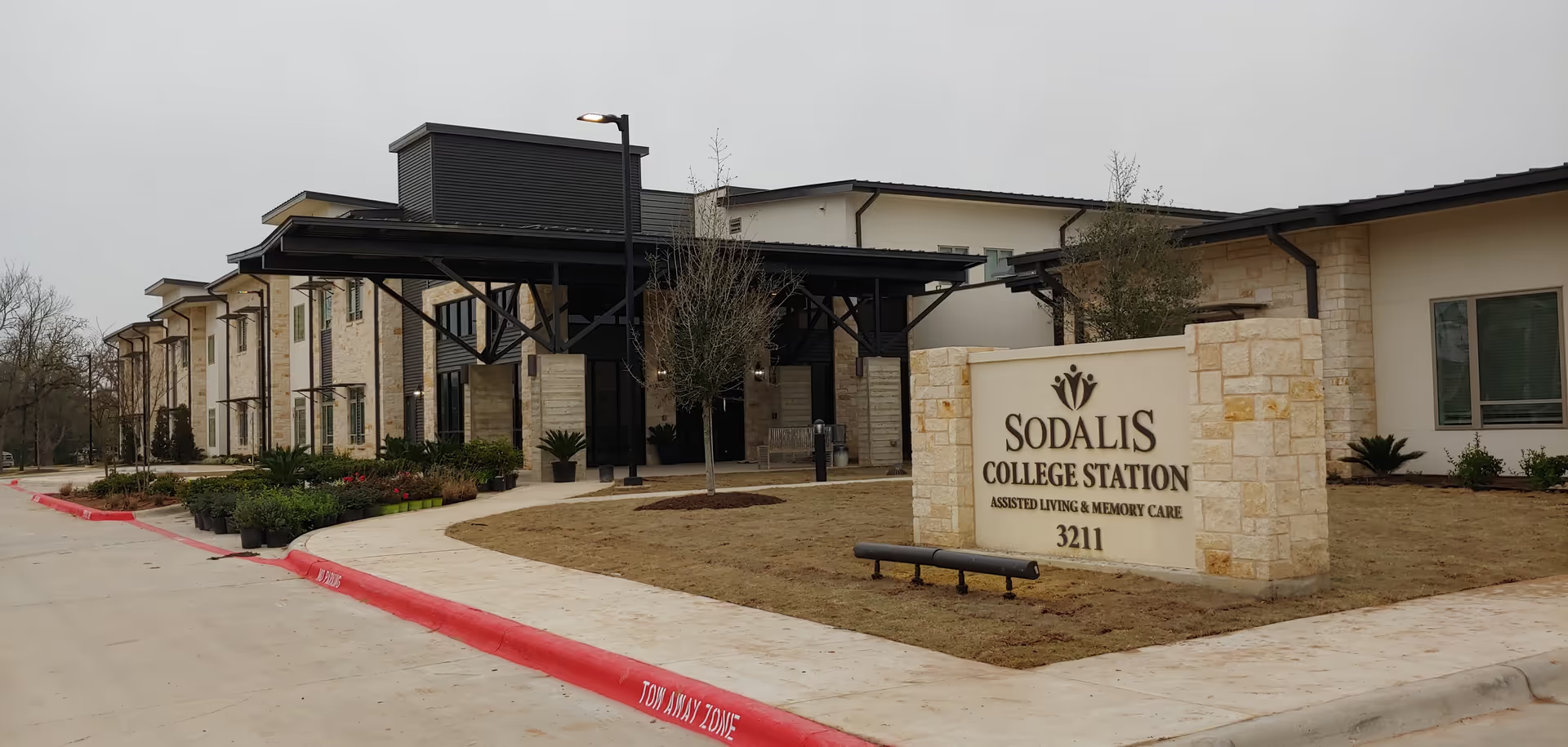
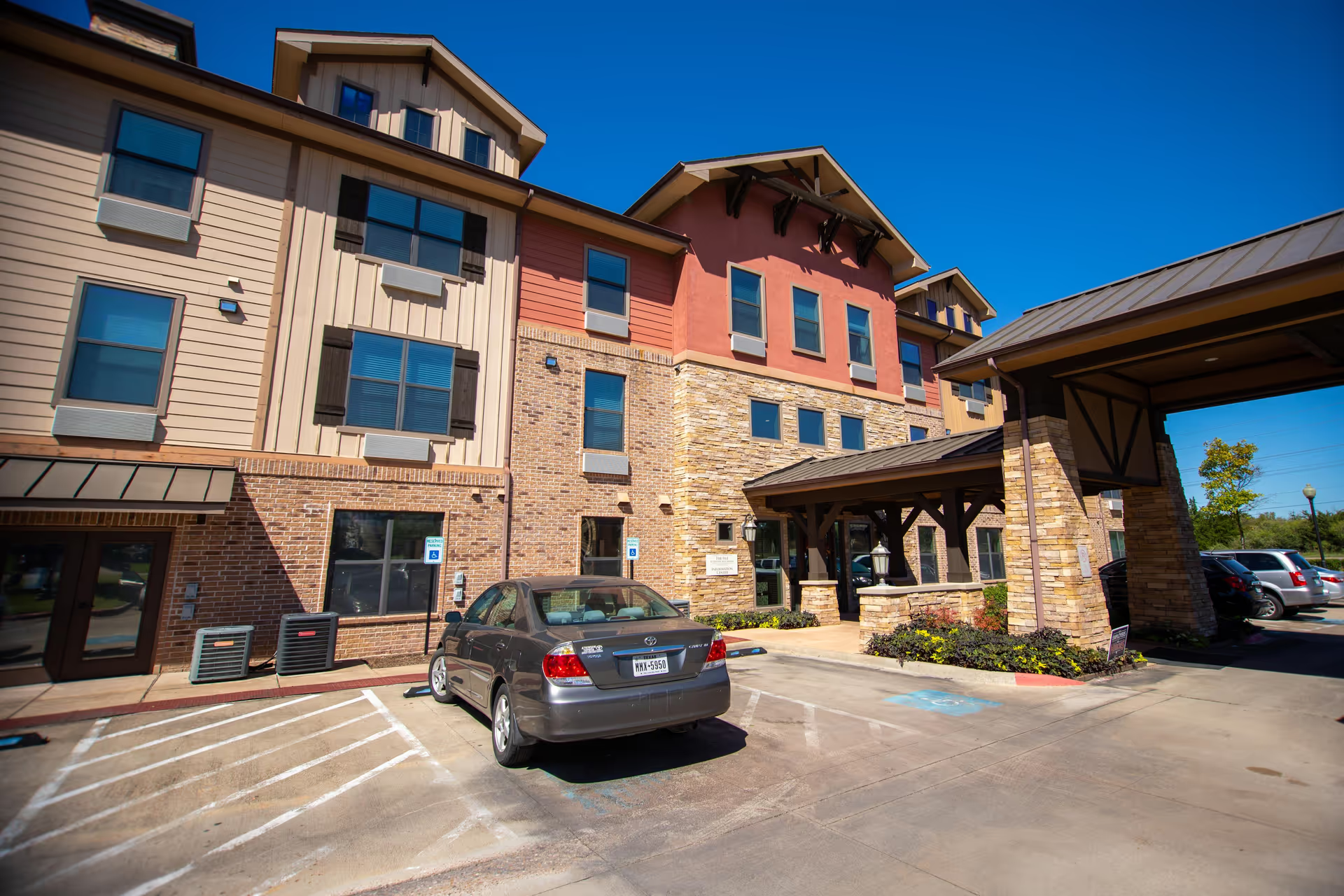
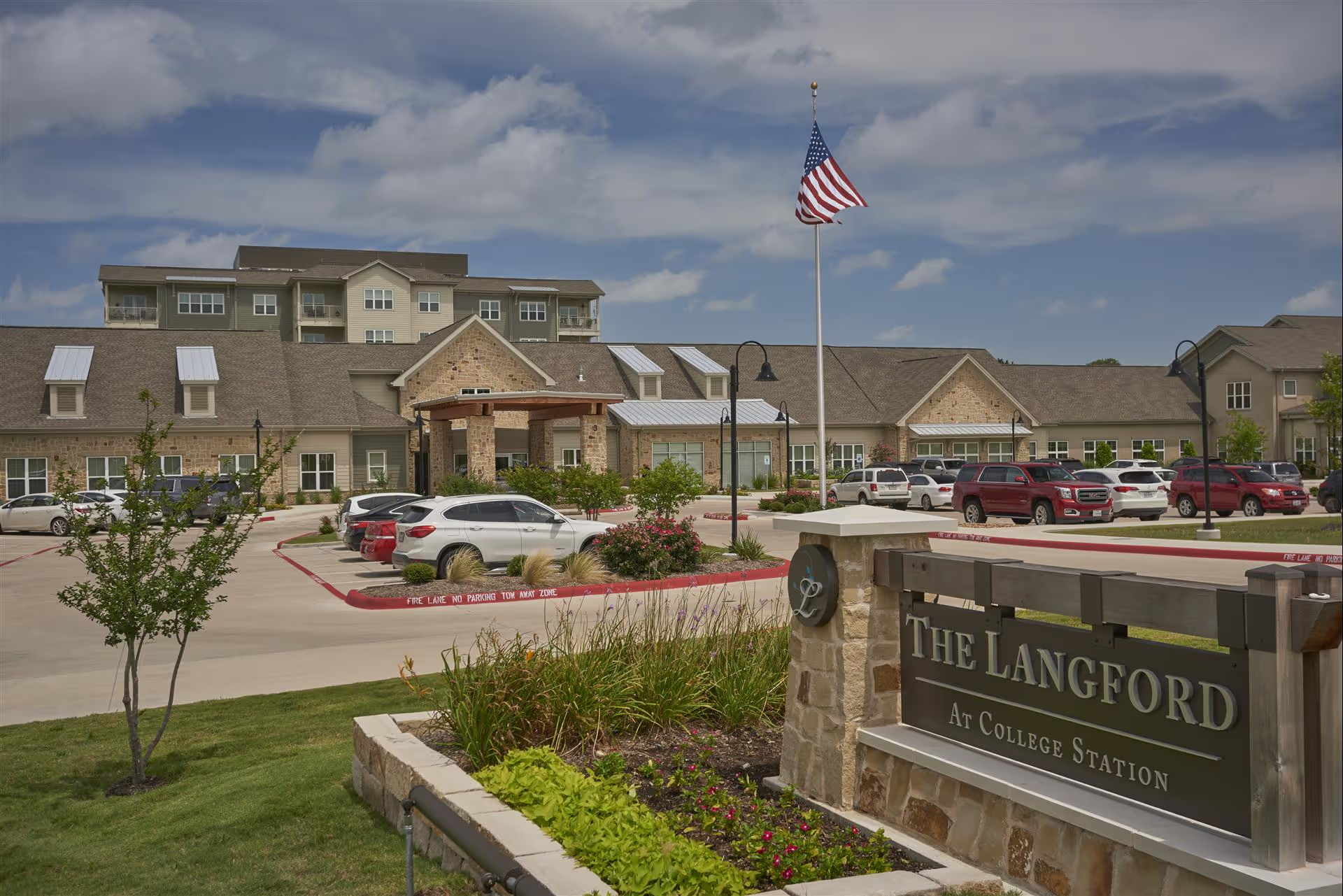
Facilities, housekeeping, and security: The facility’s common areas are described as bright and generally well maintained, but the building is also characterized as aging and in need of renovation. Housekeeping and sanitation standards appear inconsistent across units; some families note acceptable cleanliness while others raise sanitation and incontinence-care concerns. There are also allegations of missing personal items and theft, indicating a need to strengthen property controls and resident security procedures.
Management and notable patterns: Recent ownership change and some engaged administrators are seen as opportunities for improvement; a number of reviewers noted a stated commitment to change. However, reviewers also point to weak accountability, insufficient corporate oversight, and gaps in interdepartmental communication (including transport coordination and phone responsiveness). Taken together, the reviews suggest that the facility’s strongest asset is its direct-care staff and the resident-facing culture they create, while its primary risks are operational: staffing consistency, medication and clinical-process controls, housekeeping reliability, and property security. Addressing these areas through strengthened training, supervision, medication/pharmacy protocols, and facilities investment would align operational performance with the positive aspects families repeatedly cite.