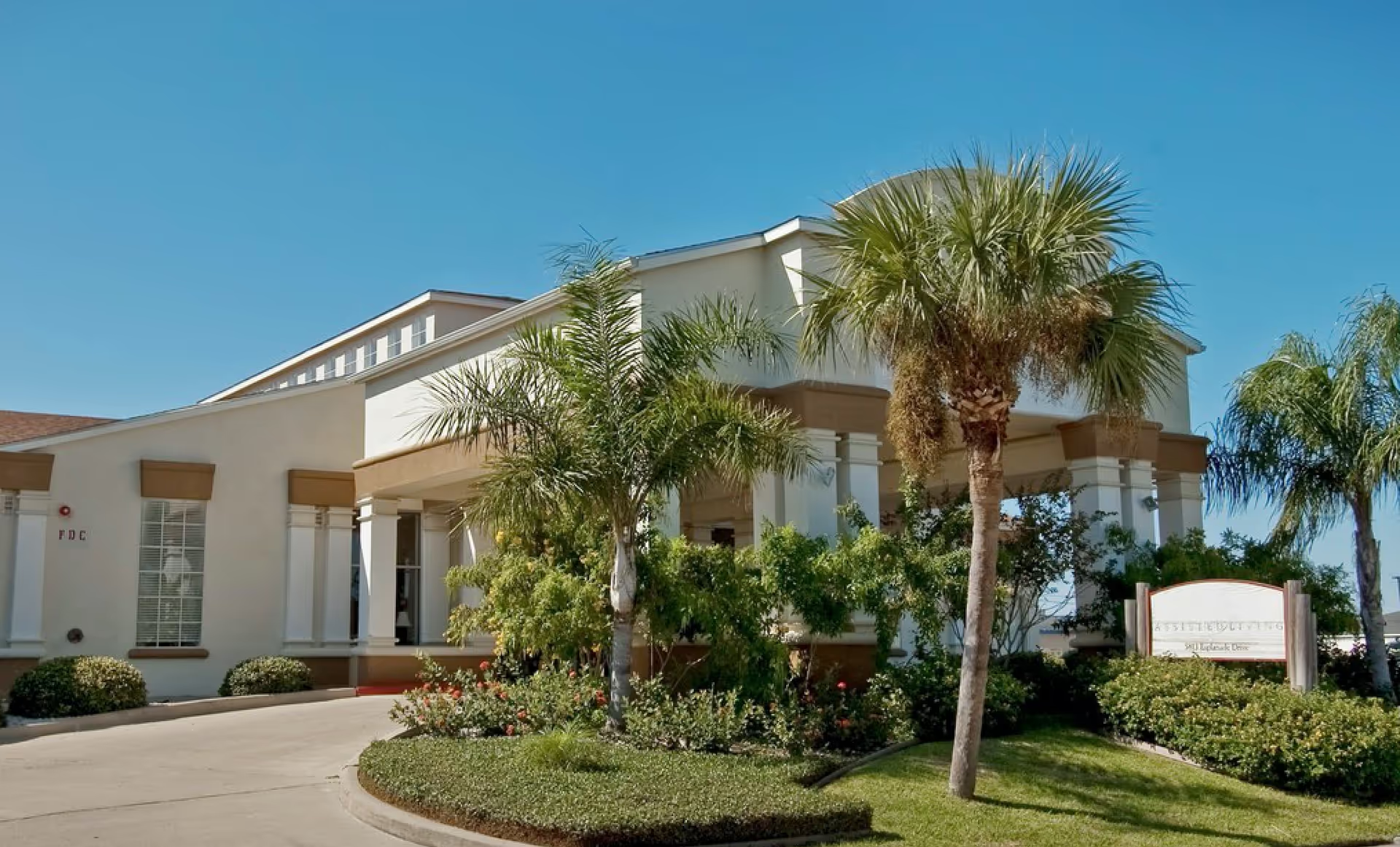
Brookdale Trinity Towers presents a mixed but instructive profile for prospective residents and families. Strengths commonly cited include a large, active campus with waterfront views, spacious apartment options (many with kitchens and private baths), an array of on-site amenities (salon, fitness center, library, beauty/barber shop), and robust rehabilitative services. The community offers a broad activities calendar—fitness classes, arts, outings, faith-based programming and frequent social events—that many residents and families find engaging and beneficial to quality of life.
Staff and care quality are a primary area of positive feedback as well as the source of the most pronounced variability. Numerous accounts praise individual caregivers, nurses, and managers for compassion, responsiveness, and going beyond expectations; several staff members are named and commended for supportive communication and clinical effectiveness. At the same time, reviews indicate recurring operational issues: inconsistent staffing levels and turnover, delayed responses to call buttons, and instances of medication or care-plan errors. A number of families describe significant clinical lapses that required emergency care or specialty attention; these reports suggest gaps in clinical care coordination, medication administration controls, wound-care follow-through, and timely escalation. These are presented here as patterns of concern rather than universal practice.
Dining and daily living receive generally favorable marks for portion sizes, variety, and special dining events, but reviewers also note variability in meal quality and occasional dissatisfaction with specific menu items. The facility provides multiple dining options, including room service and special-event dining, which many appreciate. Transportation services and social outings are considered strengths for maintaining community connection, though a few accounts cite punctuality problems for critical trips (for example, dialysis transport).
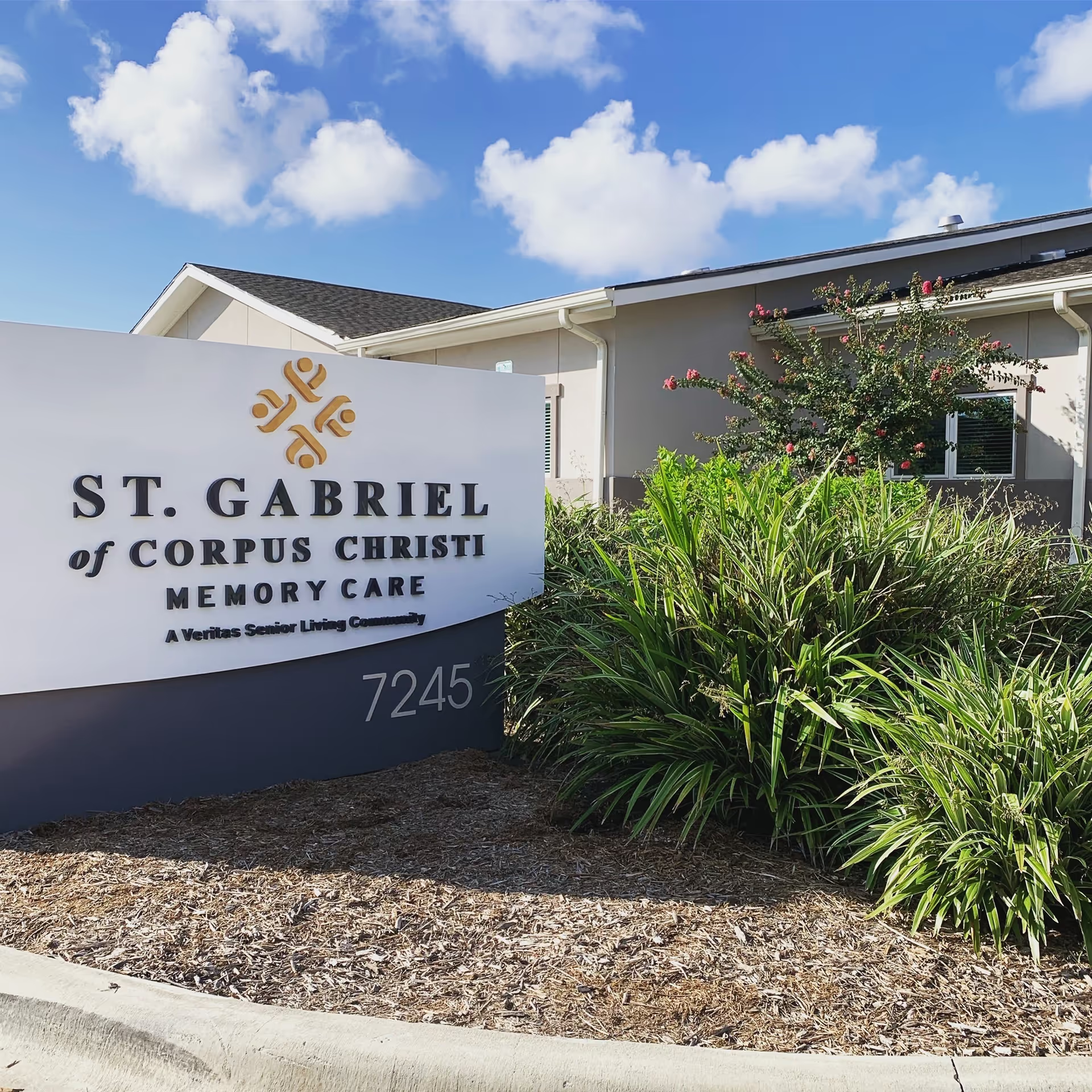
Memory care and long-term nursing services are highlighted positively by several families who describe individualized programming, strong activity staff, and a safe, secure memory unit. Conversely, other families raise concerns about suitability assessments and perceived inconsistencies between marketing and the level of care required for some residents. This points to variability in how well the memory-care program aligns with more complex clinical needs.
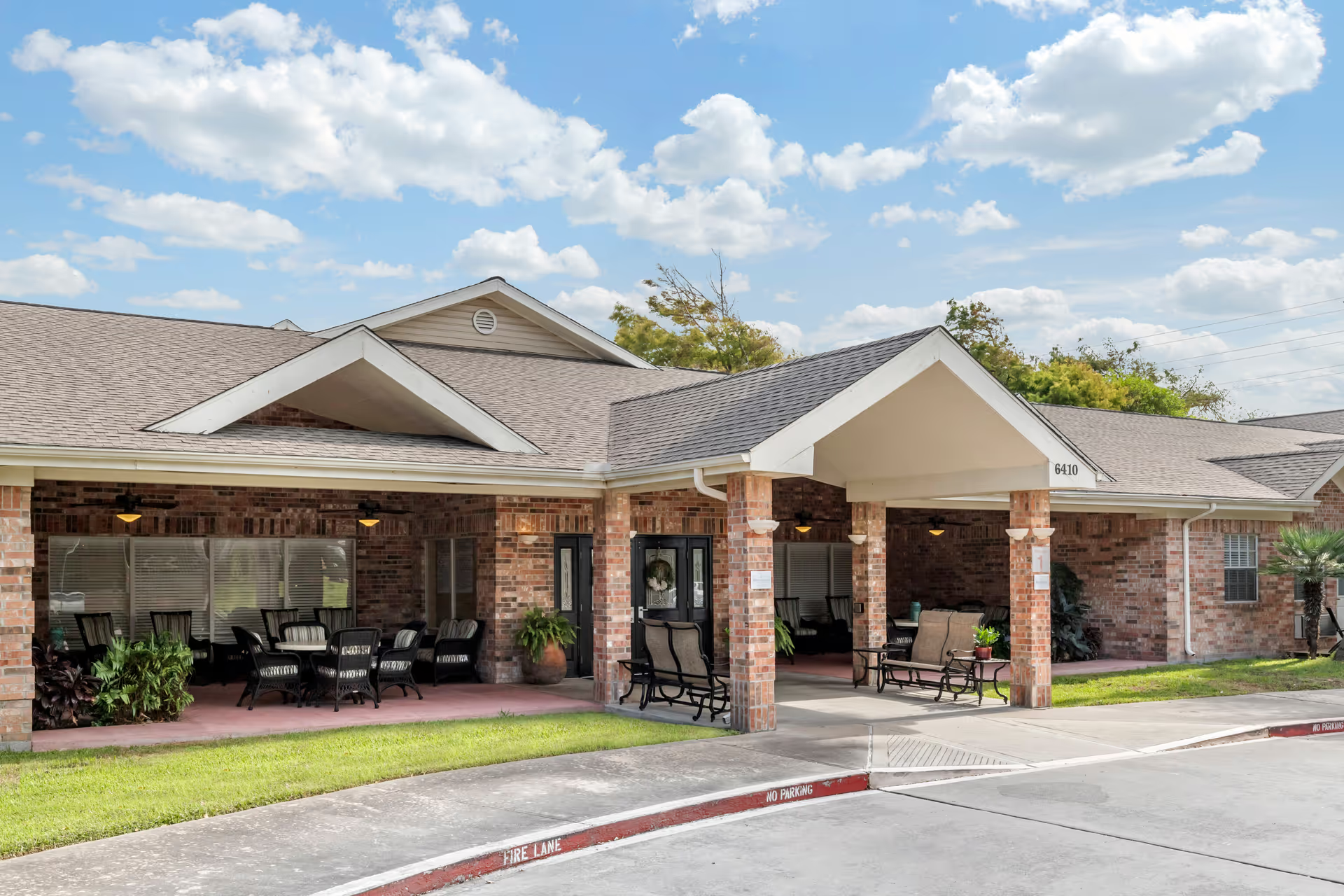
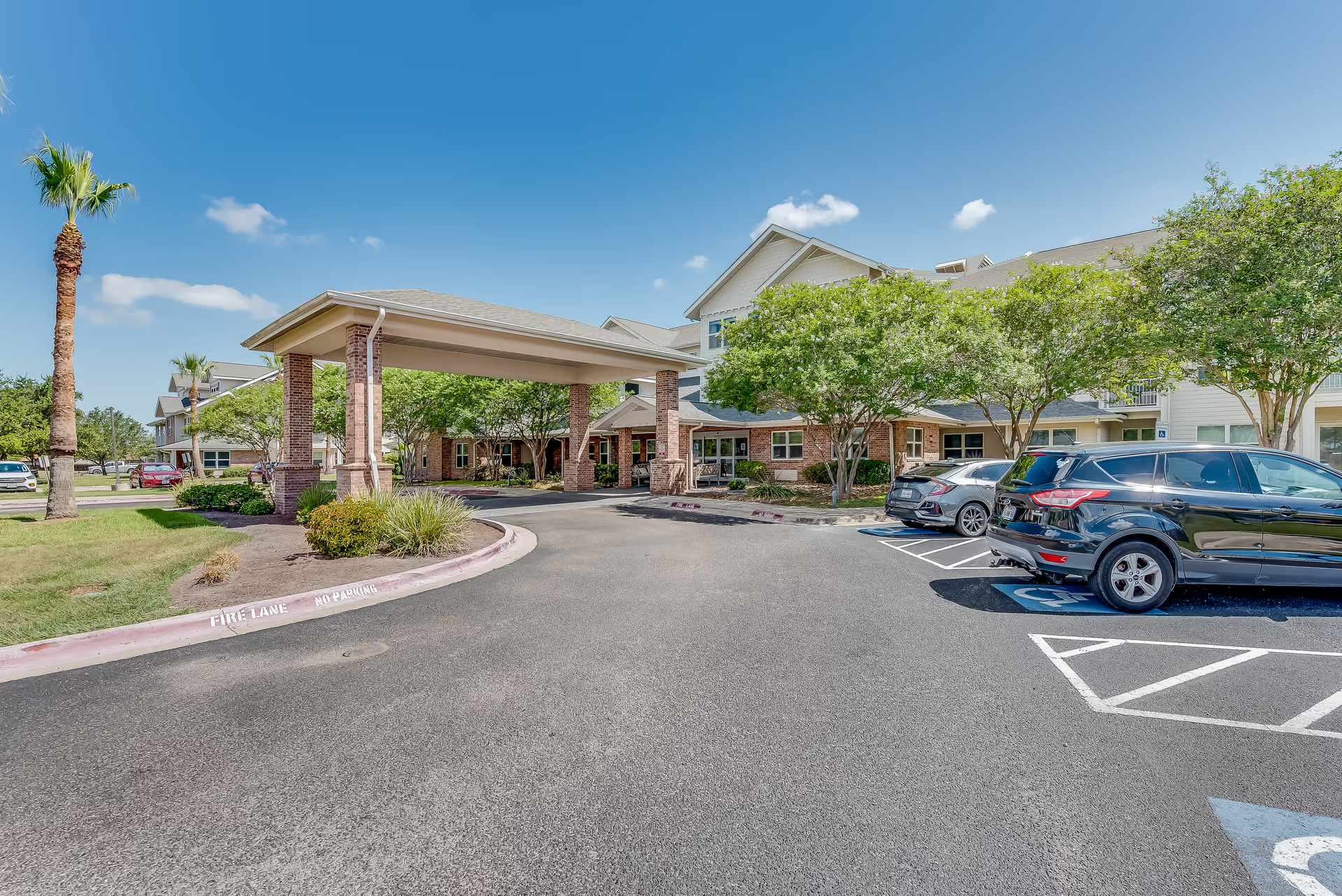
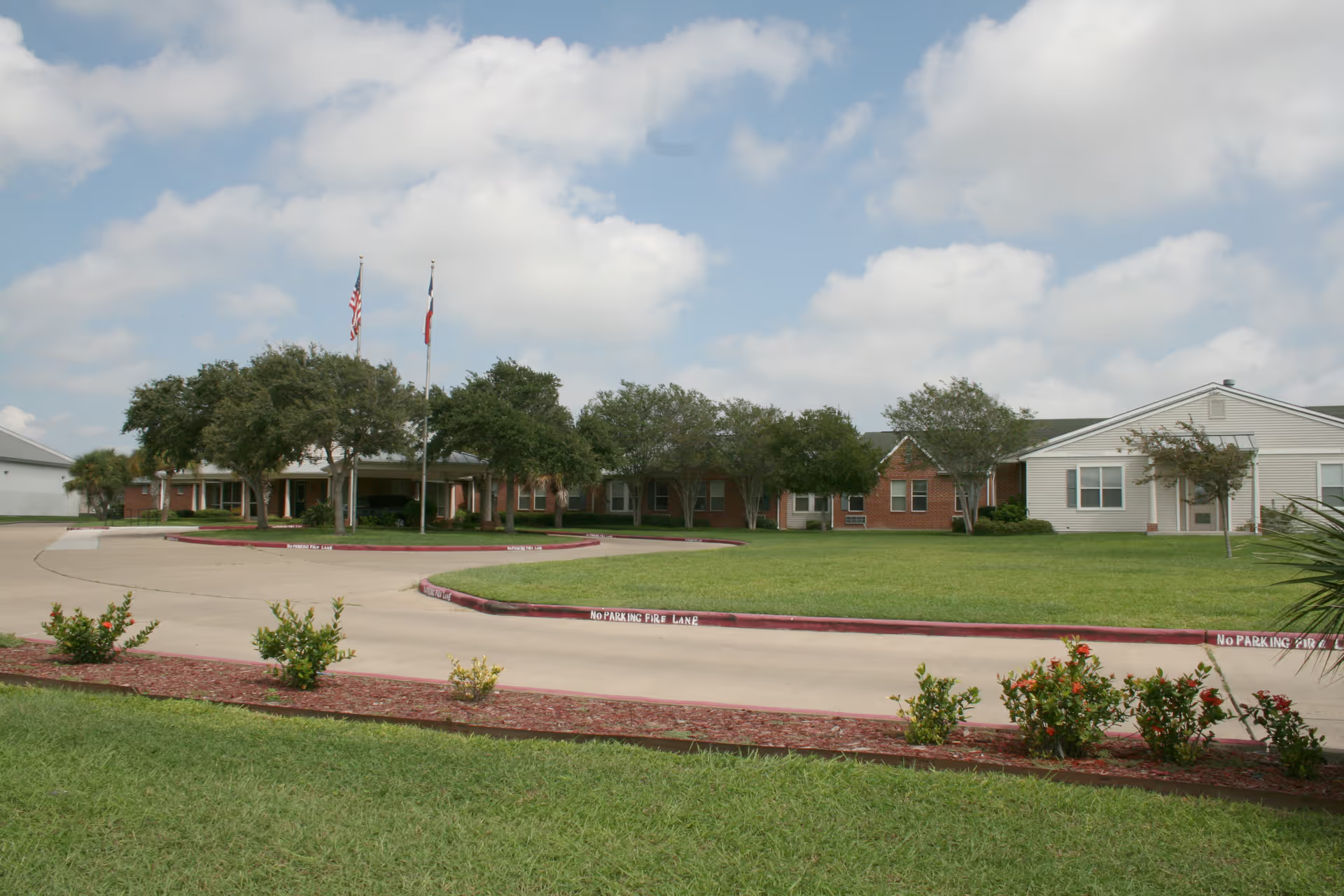
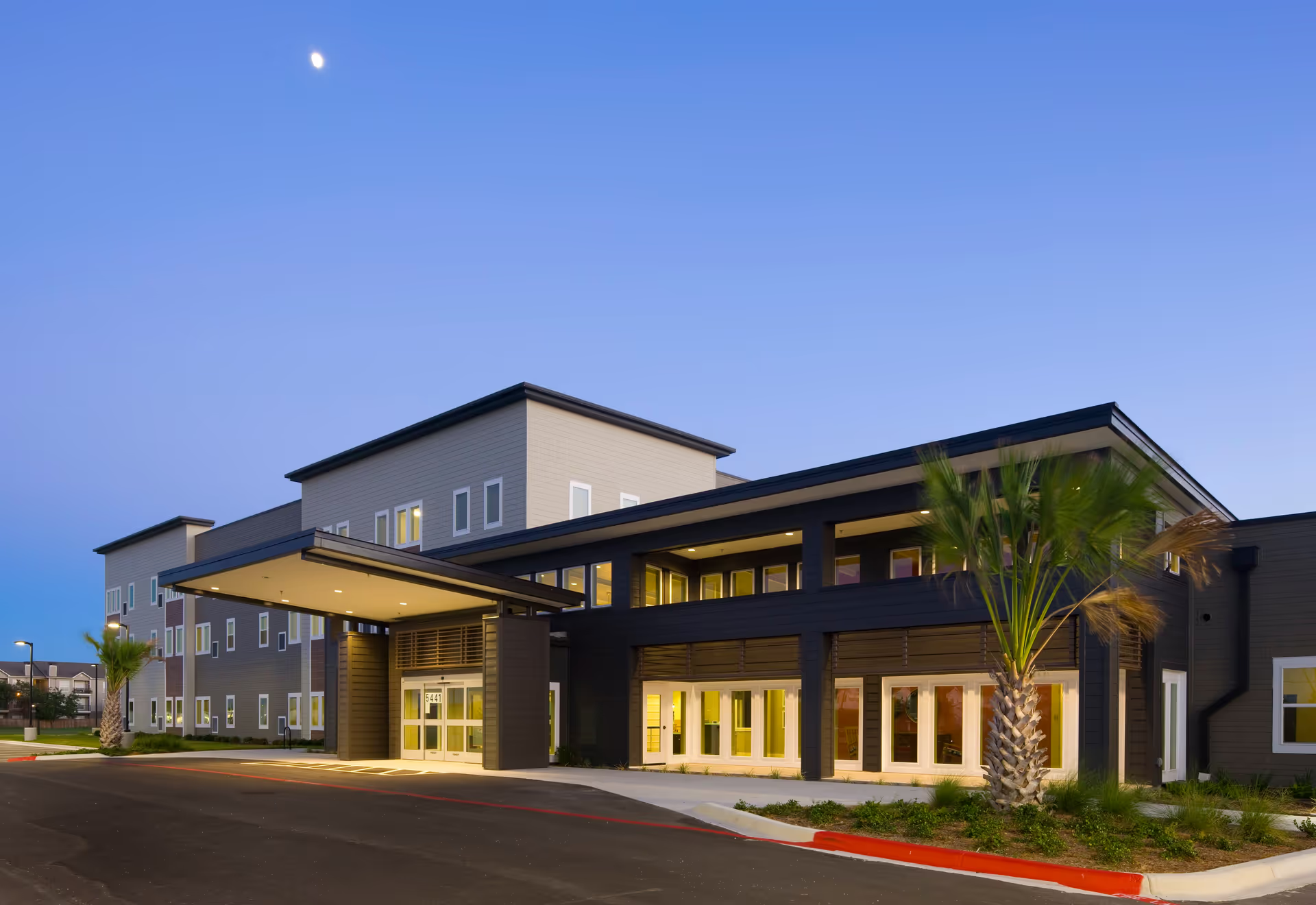
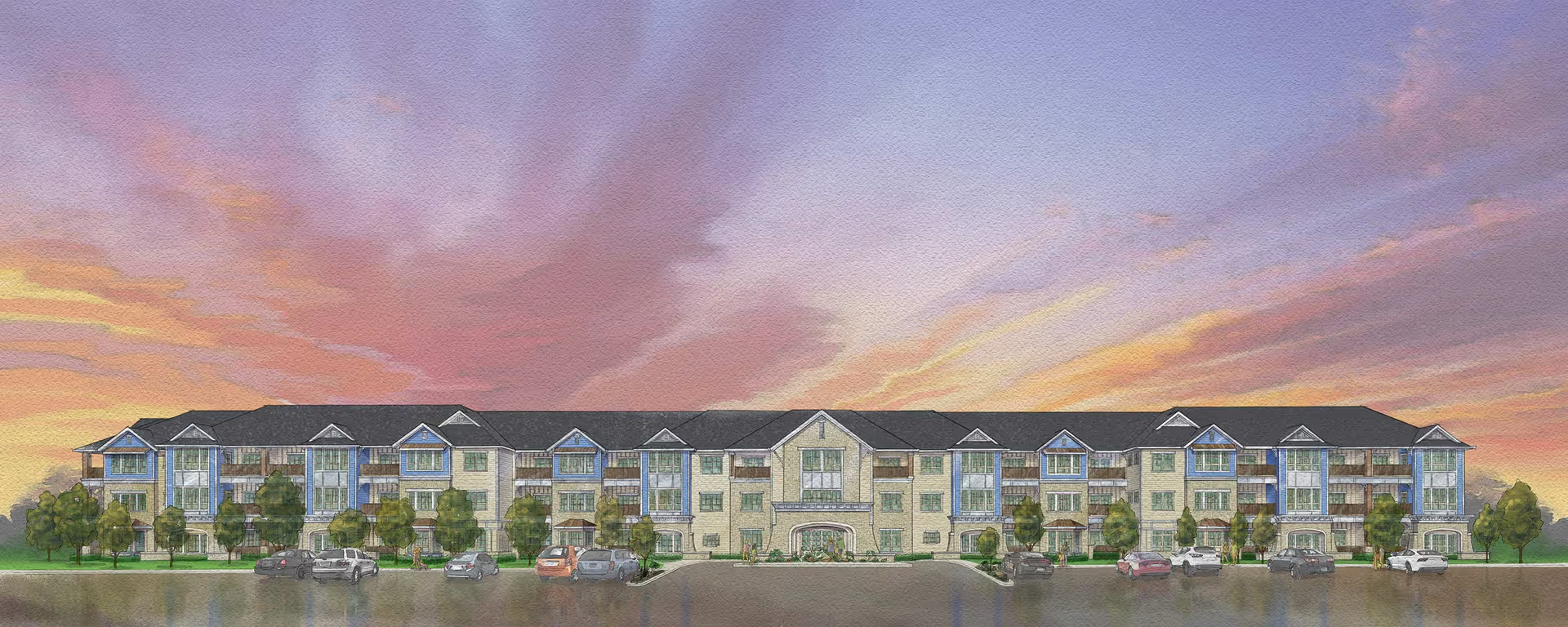
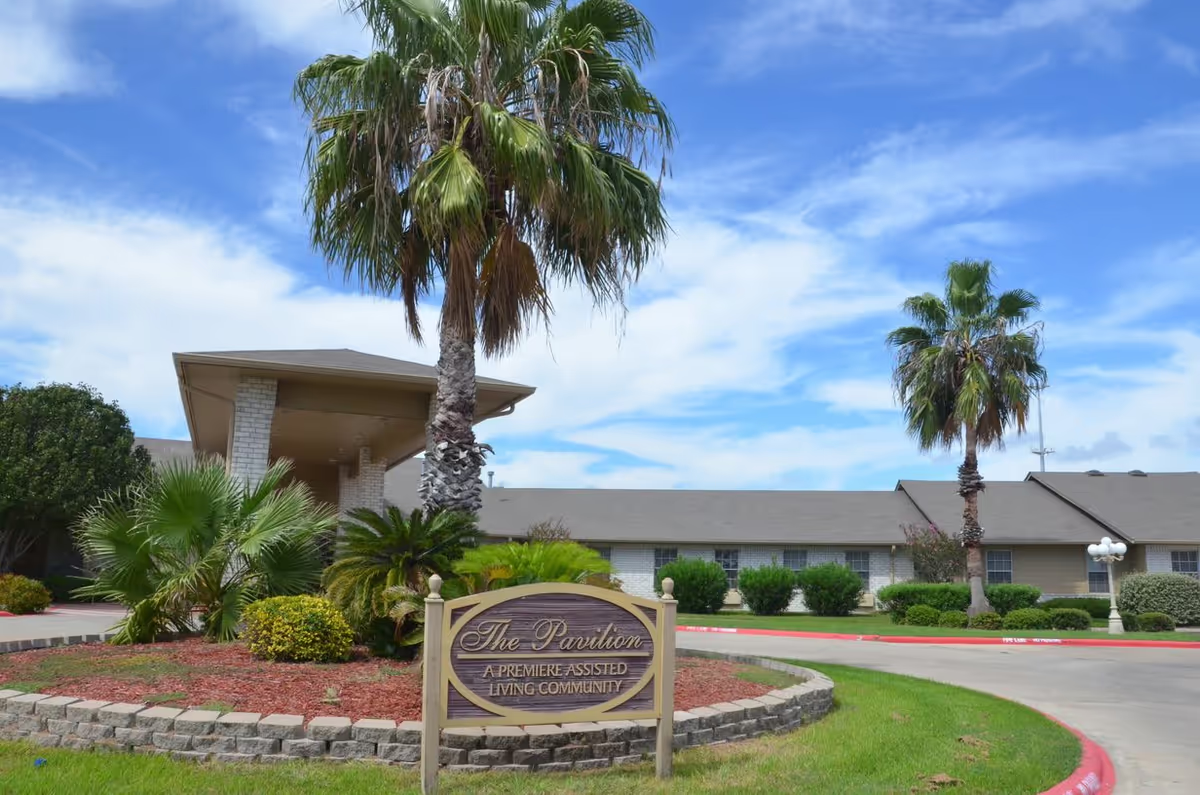
Facility condition and management present a mixed picture. Many reviewers value the clean, well-maintained interior common areas, recent interior upgrades, and the overall curb appeal of waterfront-facing units. At the same time, comments reference an older exterior, uneven maintenance across units, and amenities that are still being updated in places. Security and access-control are described positively by some (24-hour presence, locked memory-unit doors), but others report lapses such as unsecured doors or concerns about resident accountability during emergencies. Cost is another recurring theme: the community is often described as relatively expensive with periodic rent increases, and some reviewers question value relative to service consistency.
A clear pattern emerges: the community delivers strong social programming, useful on-site therapies, and many highly regarded staff members, but it experiences operational variability that can have clinical and safety implications. Families considering Trinity Towers should weigh the facility’s amenities, activity levels, and rehabilitative services against the documented concerns about staffing consistency, clinical oversight, food consistency, security practices, and cost. When evaluating the community in person, useful questions focus on staffing ratios, medication-administration safeguards, incident escalation and family-notification protocols, sanitation and incontinence-care processes, emergency/evacuation procedures, recent maintenance projects, and the community’s policy on rent increases and extra fees.