Overall impression: Reviews present a mixed but informative picture. Many families and residents emphasize genuinely compassionate, engaged caregiving and positive rehabilitation outcomes; several reviewers singled out individual nurses, CNAs, therapy staff, and leadership for hands-on, supportive service and clear end-of-life communication. At the same time, a set of operational weaknesses recurs across accounts and should be considered by prospective residents and their families.
Care quality and clinical safety: Clinical experiences vary widely. Positive accounts describe attentive, patient-first nursing, effective physical therapy, and supportive end-of-life care. Conversely, other accounts raise substantive concerns about staffing levels, delays in assistance or medication administration, and gaps in transfer techniques and fall-prevention practices. These patterns suggest that clinical consistency can fluctuate depending on shift staffing and oversight; families who prioritize consistent clinical monitoring should ask about current staffing ratios, training, and fall-prevention protocols.
Staff and culture: Staff are frequently described as warm, compassionate, and family-oriented, contributing to a strong community atmosphere and meaningful resident relationships. However, reviewers also reported instances of poor communication style, rough handling perceptions, and inconsistent professionalism. Several comments point to deficiencies in role clarity and a workplace culture that can discourage staff and residents from raising safety concerns. Taken together, these signals indicate variability in staff performance and an uneven safety culture that prospective families should probe during visits.
Dining and activities: Dining is a relative strength in many accounts: three meals daily, advance menus, flexible dining options, and fresh snacks are highlighted. That said, some reviewers note inconsistent meal temperature and blandness at times. Activities programming is consistently praised—regular social events, holiday celebrations, happy hours, outings, and an active schedule contribute to resident engagement, especially for those seeking social interaction and a small-community feel.
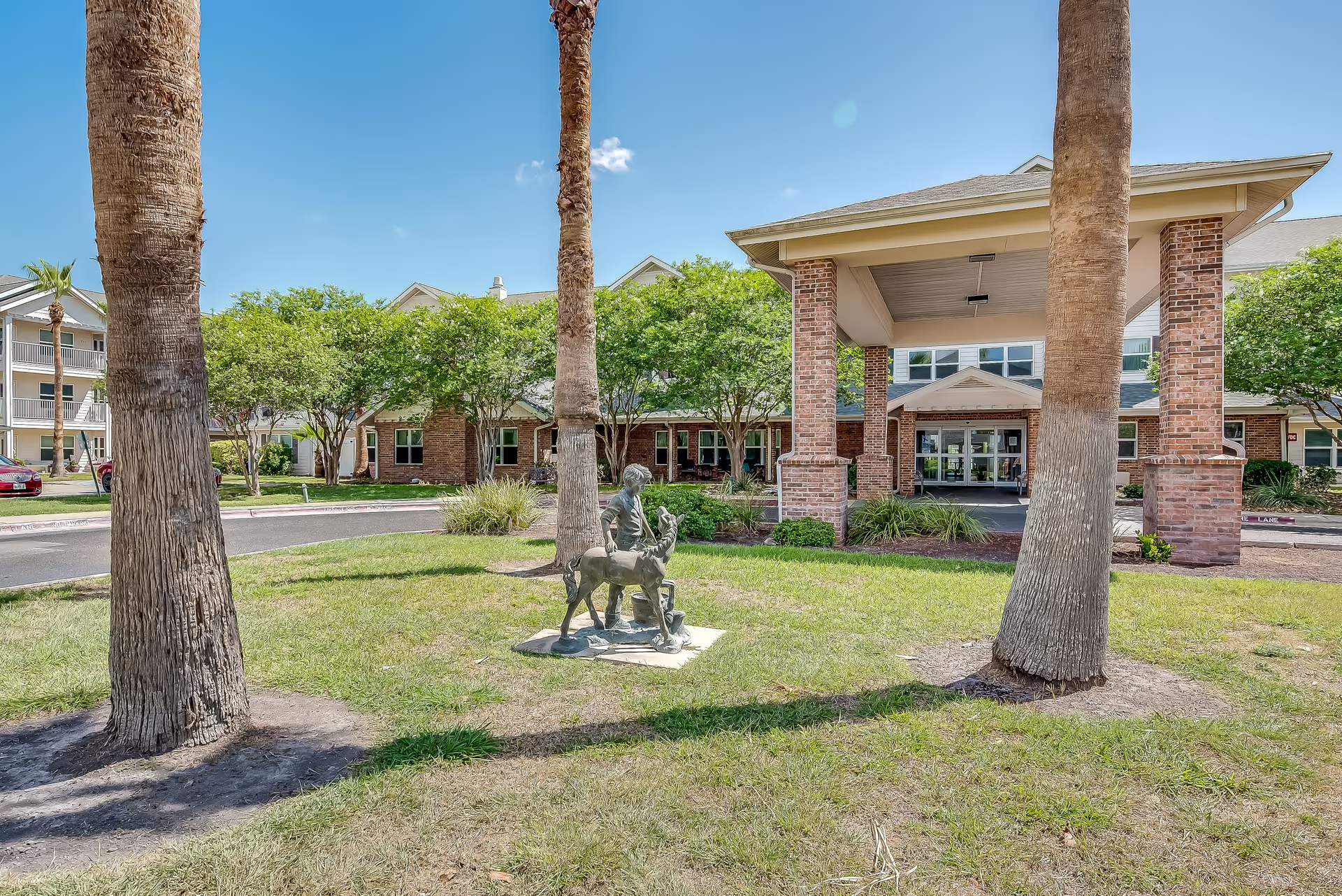
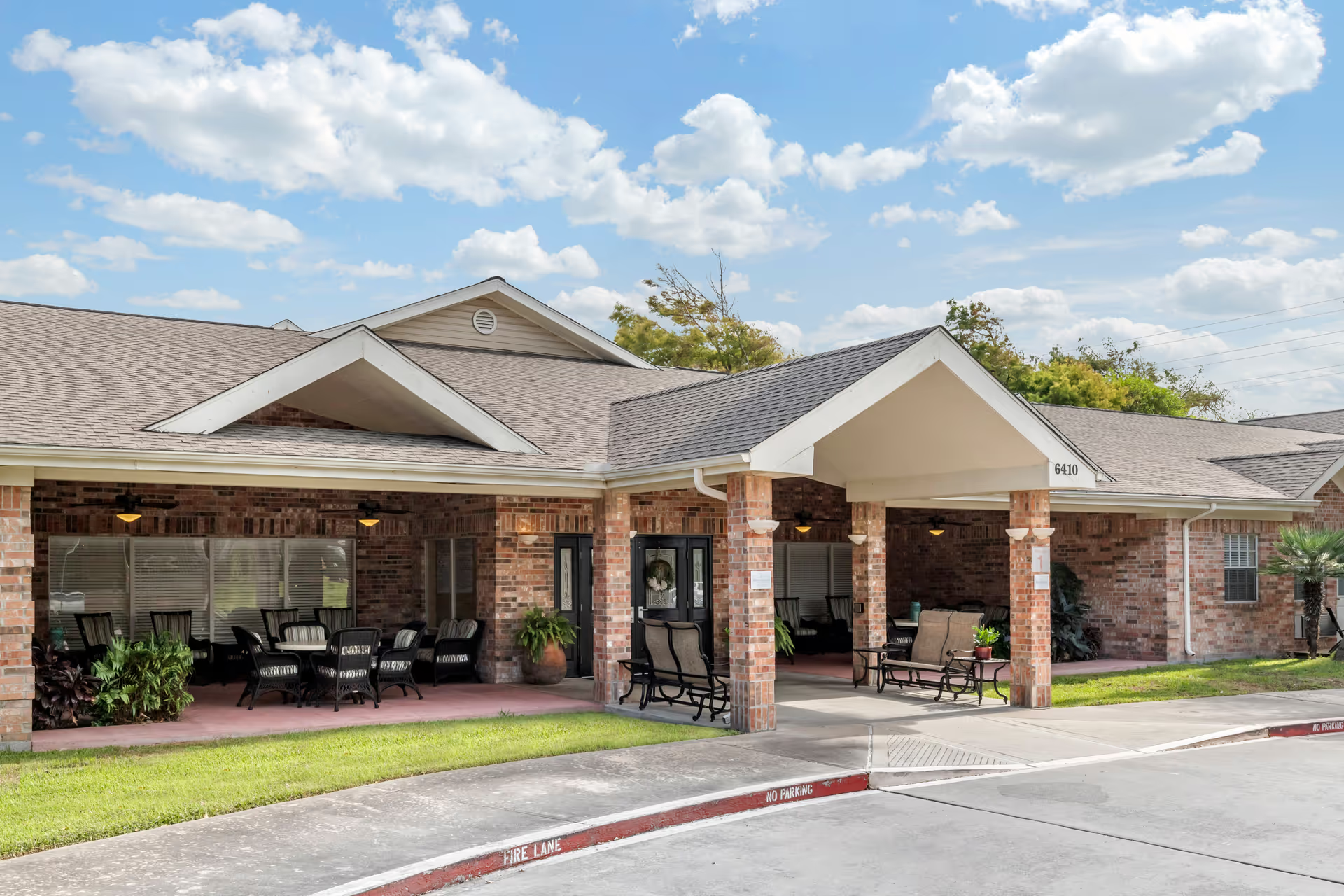
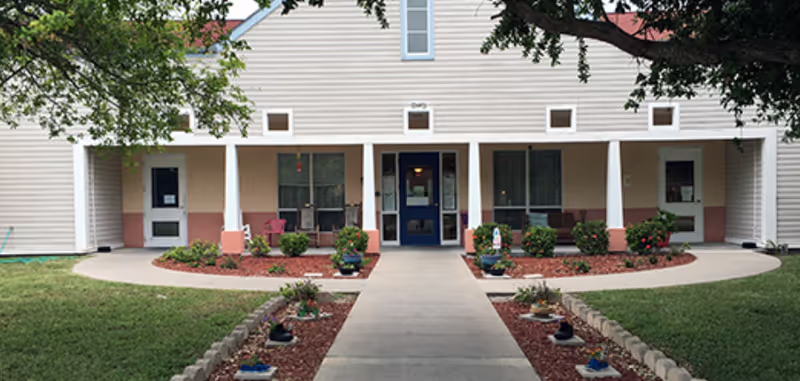
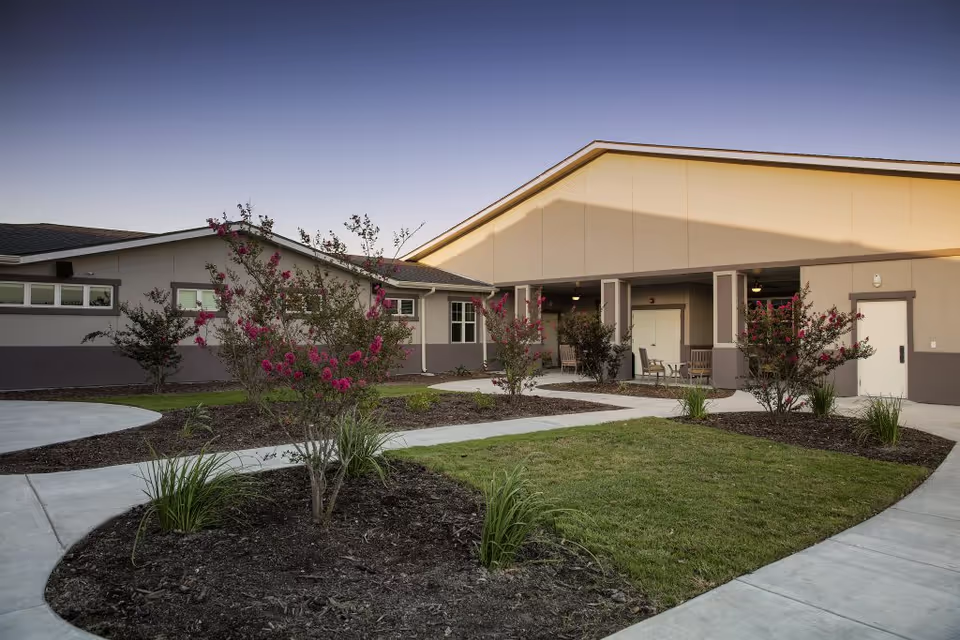
Facilities and housekeeping: Many reviewers describe clean, attractive, and recently updated rooms and common areas, as well as convenient outdoor spaces. Contrasting feedback cites dated furnishings, maintenance lapses, and sanitation or odor concerns in some areas. Housekeeping and laundry services are often included and appreciated, but there are occasional reports of missing or misplaced personal items, indicating room for improvement in inventory and transition processes.
Management, communication, and accountability: Communication experiences are polarized. Multiple families praise responsive managers who provide clear updates and assistance; others report long delays for paperwork, inconsistent discharge coordination, and weak incident follow-up. A number of reviews raise concerns about inadequate documentation, monitoring (including camera or documentation gaps), and reluctance to escalate issues internally. There are also isolated but serious allegations regarding emergency responses and unauthorized transfers; these merit direct inquiry and, if necessary, review by regulatory authorities.
Notable patterns and recommended inquiries: The strongest signals are that the community can deliver high-quality, compassionate care and robust social programming when staffing and management processes function well. Offsetting risks relate to staffing consistency, transfer and fall prevention, maintenance/cleanliness consistency, and follow-through on incidents and belongings. Prospective residents and families should tour during meal times, observe staffing levels across shifts, ask about fall‑prevention training and incident-reporting procedures, request information on staffing ratios and turnover, and inquire about inventory controls for personal items. Asking for recent inspection reports and examples of corrective actions taken after incidents can help clarify how leadership addresses the negative patterns described.