Feedback for Garden Estates of Corpus Christi is strongly mixed, with clear strengths in staffing culture, activities, and location but recurrent operational concerns that prospective families should evaluate carefully.
Care quality and staff: Many reviews emphasize compassionate, respectful staff and several specific staff members and leaders who are praised for attention and follow-through. Families frequently describe a family-like atmosphere, regular check-ins, and staff who foster social connections. At the same time, reviewers point to high turnover, uneven caregiver training, and isolated concerns about staff conduct and responsiveness. There are specific patterns indicating delayed responses after clinical incidents and inconsistent communication with families, and some comments raise questions about medication-management practices. These suggest variability in clinical reliability depending on shift, wing, or staff assignment.
Dining and nutrition: Dining experiences are the most polarized area. Numerous residents and families enjoy generous portions, engaging dining staff, and regular menu variety; others describe inconsistent food quality, kitchen understaffing, and occasions when meals were unpalatable or not prepared as expected. The combination of positive weekly programming around food and repeated complaints about meal continuity indicate that dining quality can vary by day or by kitchen staffing levels.
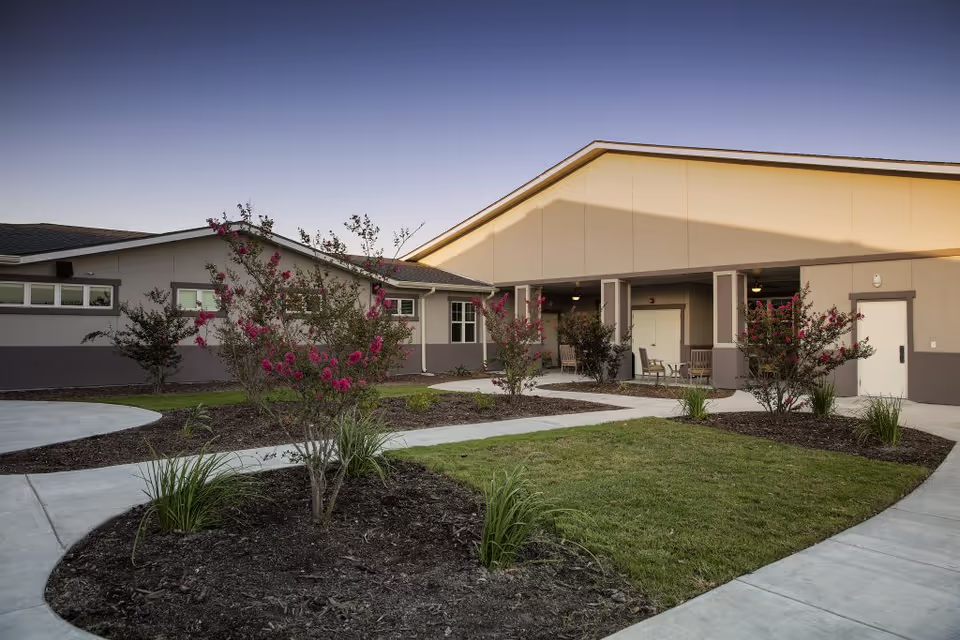
Activities and community life: Activity programming is a clear strength. Reviews consistently mention a broad calendar (bingo, games, live music, church services, outings, and special events), active resident participation, and strong peer relationships that contribute to residents’ social wellbeing. The facility’s newer wing and activity spaces are described as bright and inviting, and staff involvement in programming is often highlighted.
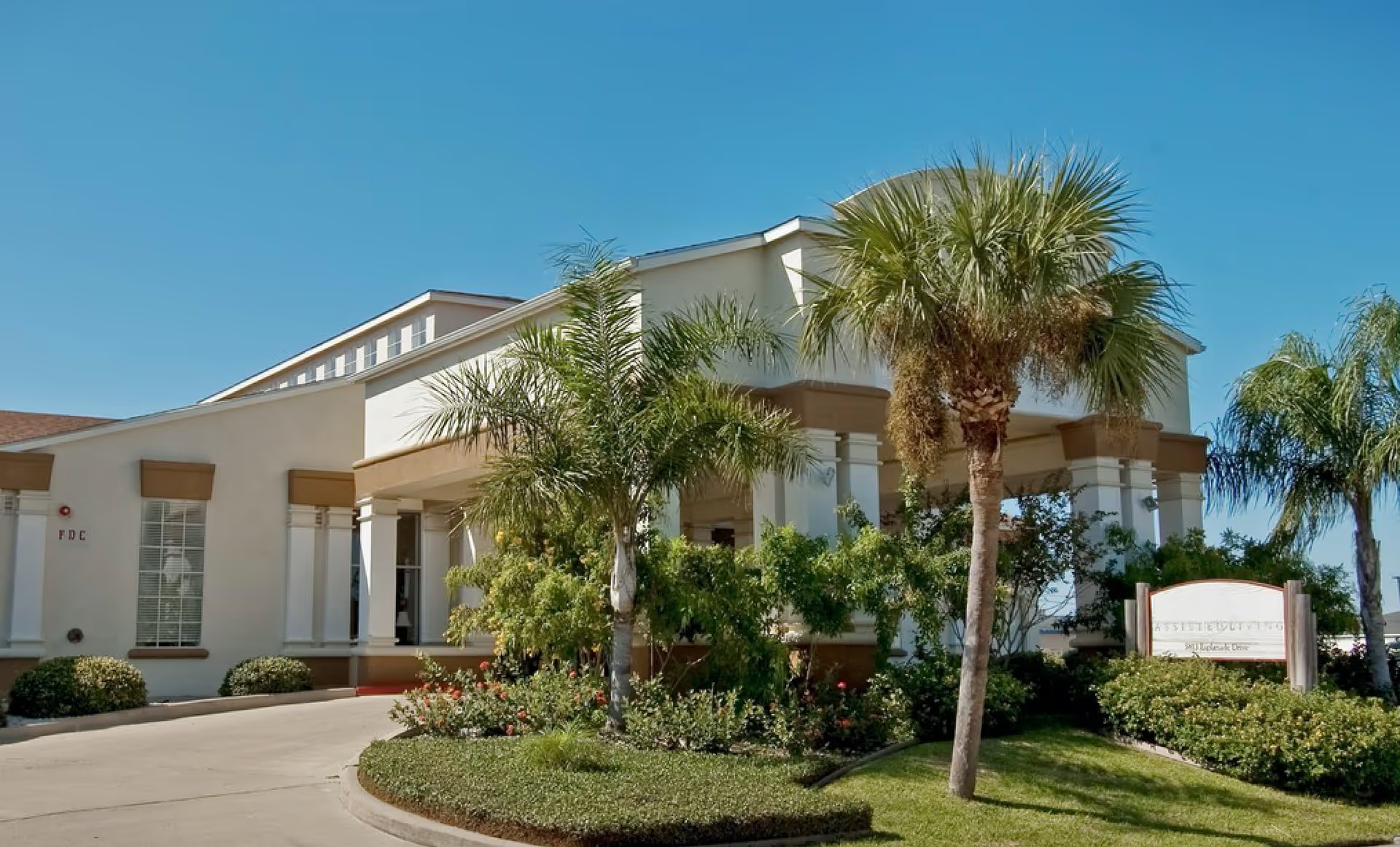
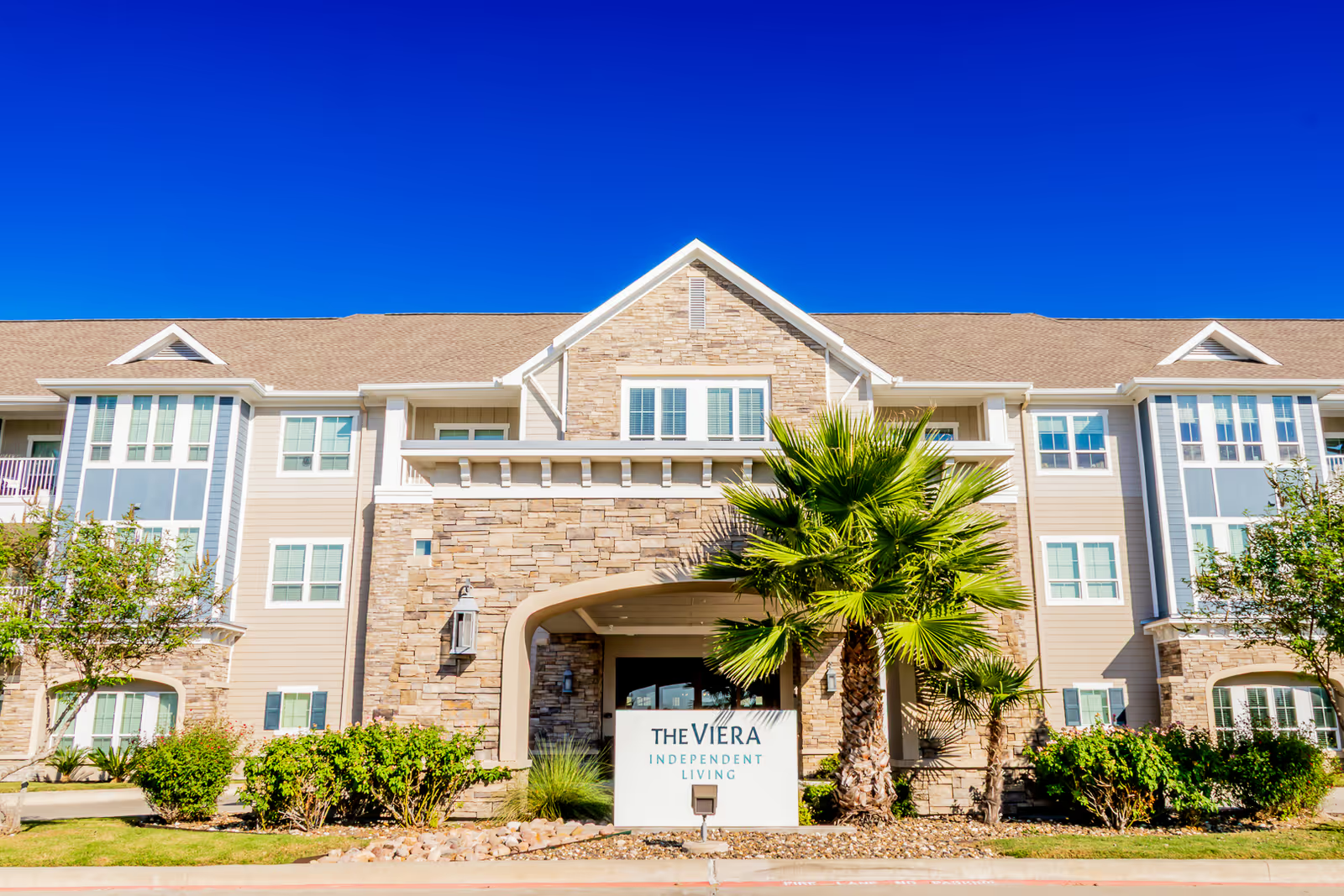
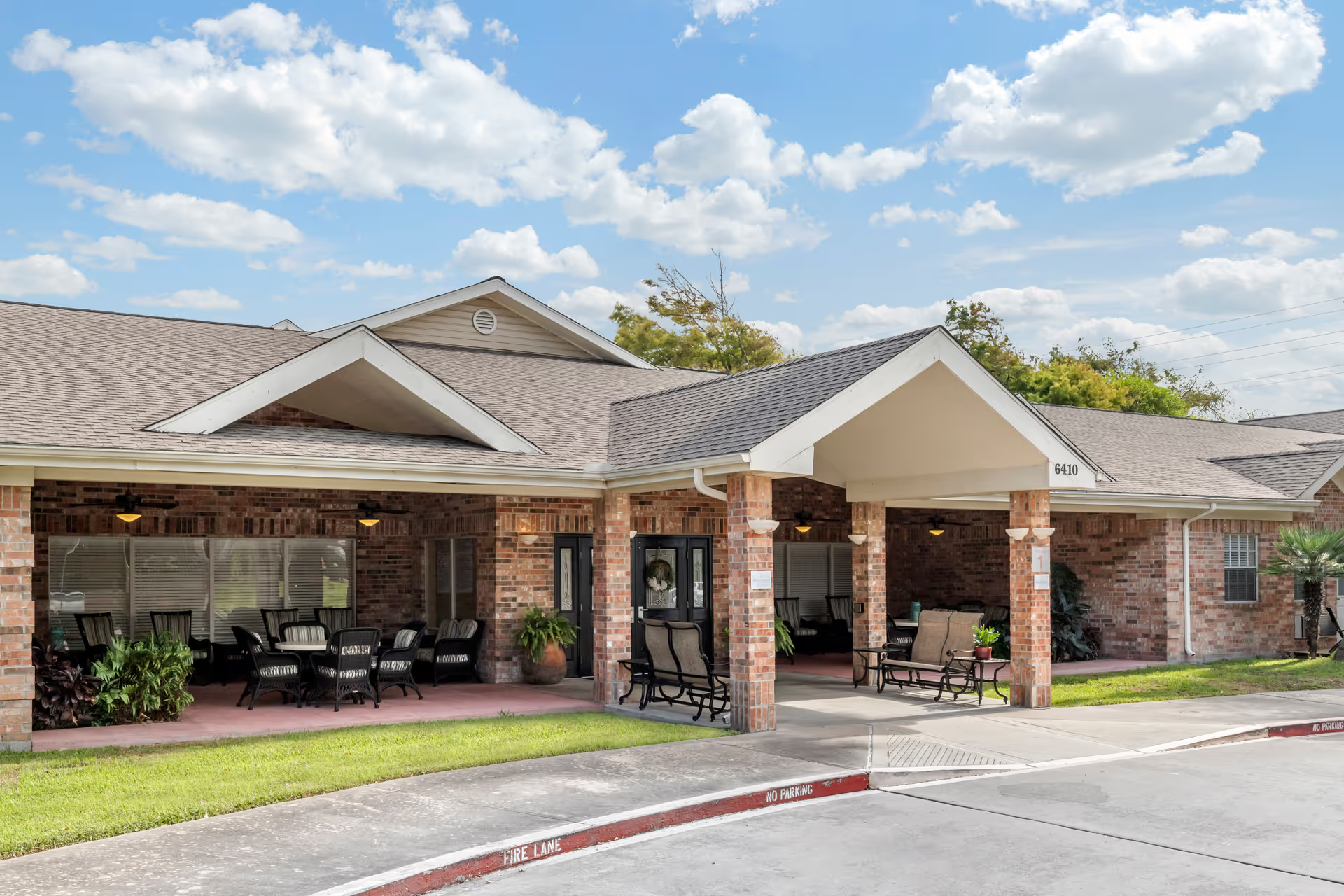
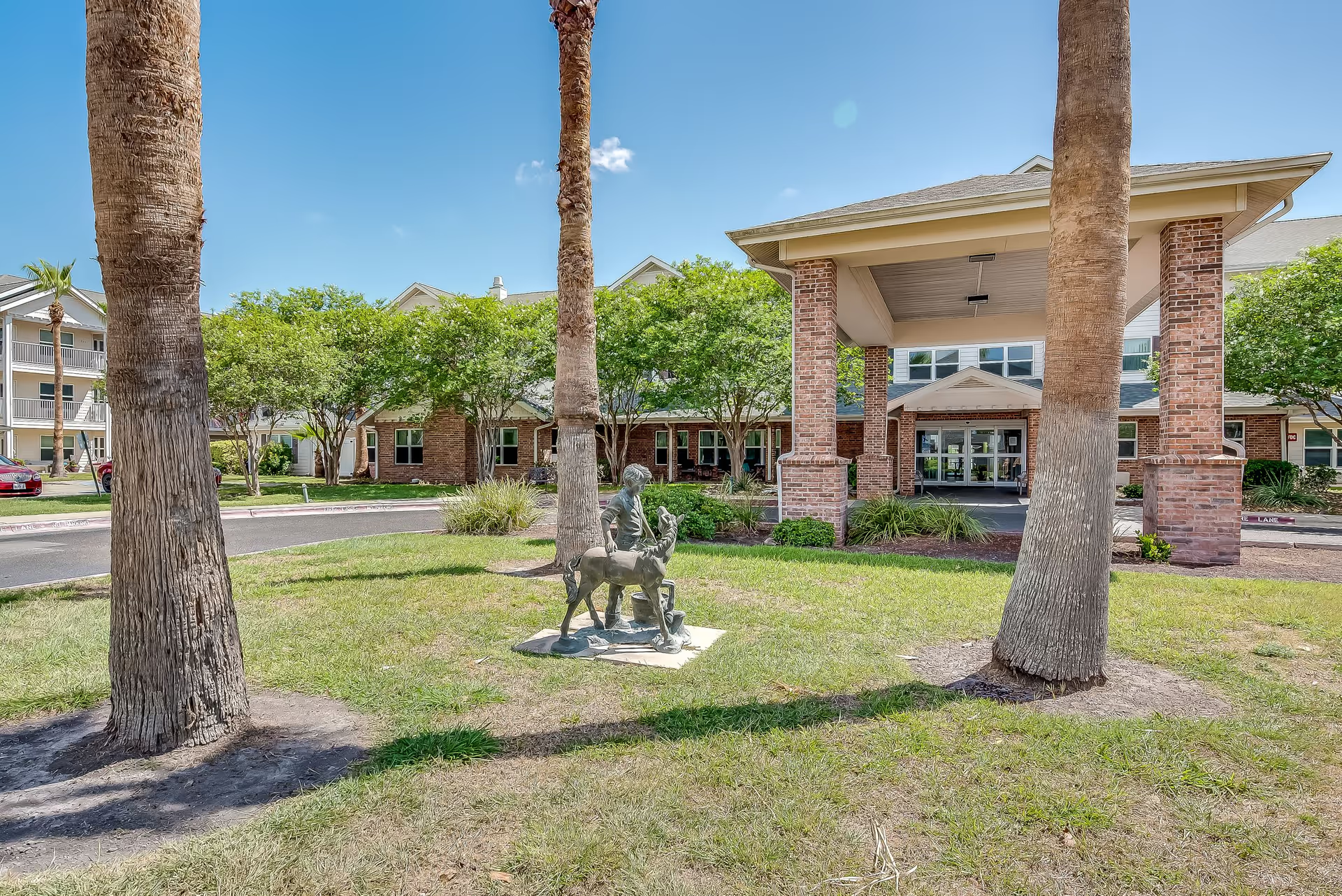
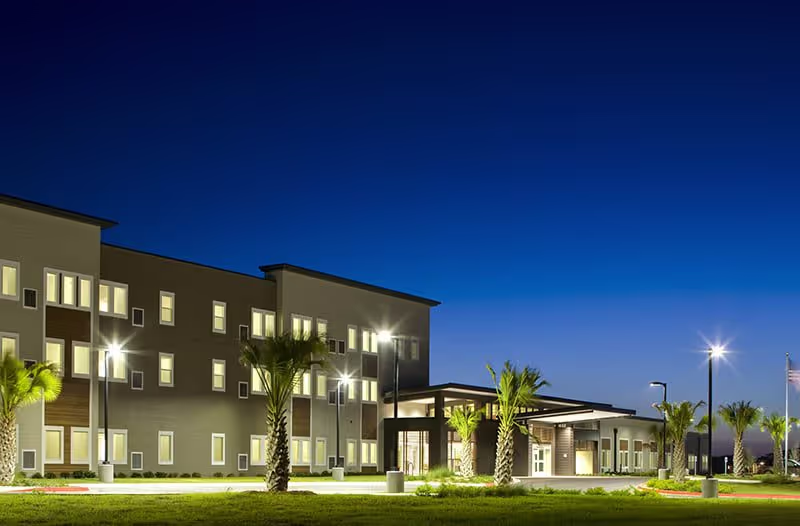
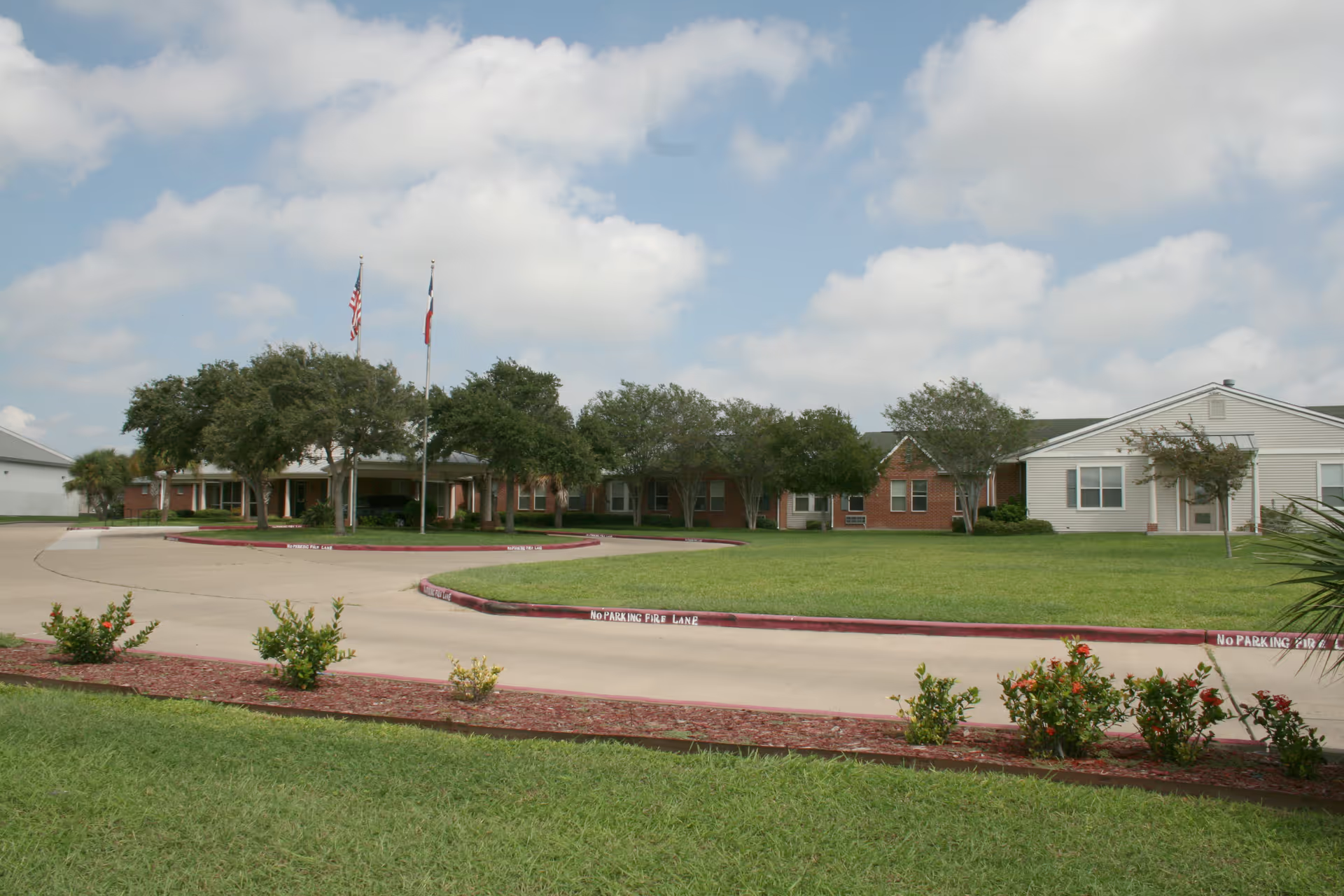
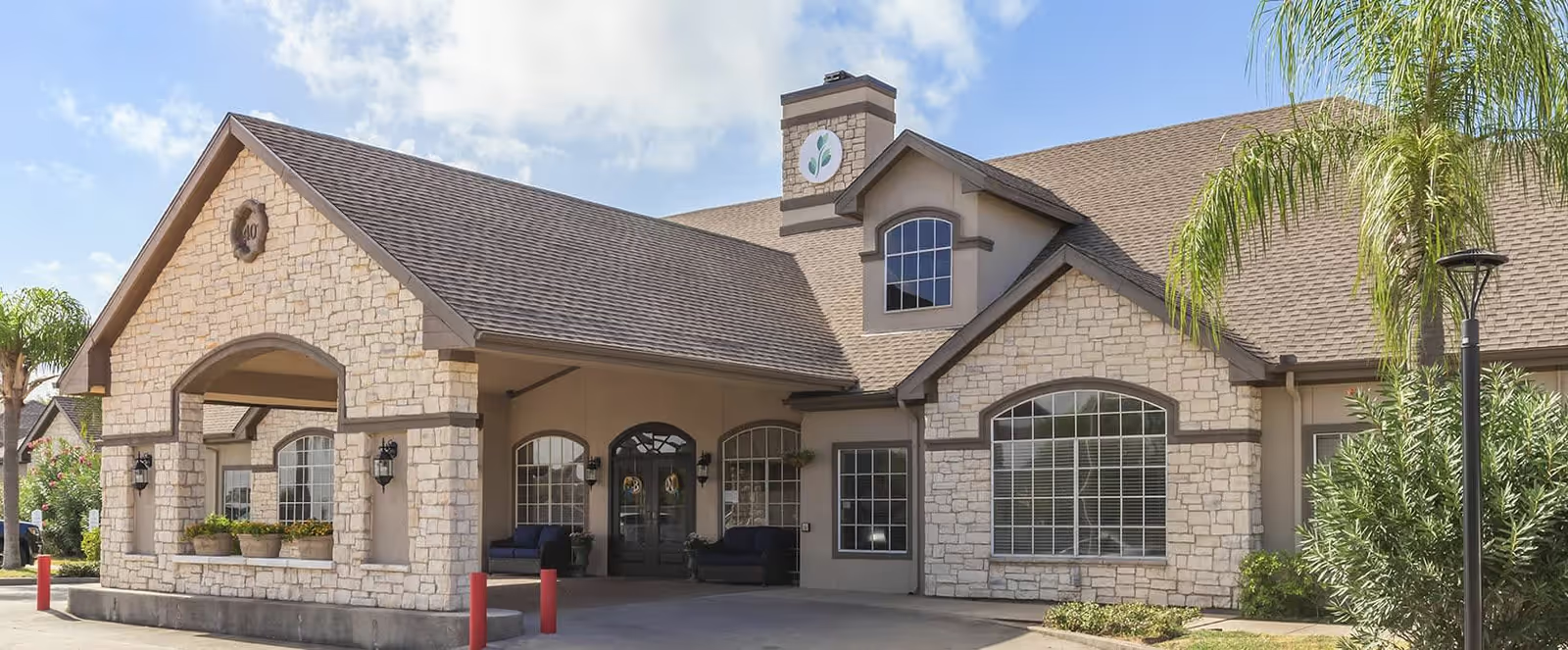
Facilities and maintenance: Physical condition varies across the campus. The newer wing and refreshed apartments receive favorable comments for cleanliness and decor, while other areas show signs of dated finishes, stained carpets, and odor concerns in some units and common areas. Maintenance responsiveness is generally viewed positively when staff are available, but there are recurring references to variable upkeep, broken equipment (for example, transportation lift reliability), and a need for more consistent facilitywide attention.
Management and operations: Leadership presence—particularly director-level engagement—is frequently cited as a positive, with some staff singled out as particularly effective in admissions and family communications. Conversely, reviewers also describe inconsistent follow-through on complaints, perceived favoritism, and occasional dismissive responses from management when clinical or service issues arise. Operational patterns—such as staffing shortages, kitchen turnover, and periods of reduced activity programming—appear to drive many of the negative experiences.
Notable patterns and guidance for prospective families: The overall picture is polarized: many families report a warm, active community with attentive staff and strong social opportunities, while others report meaningful operational gaps in dining, cleanliness, clinical response, and maintenance. Prospective families would likely benefit from a focused tour of multiple wings, direct questions about staffing levels and turnover, inspection of cleanliness and pest-control practices, review of incident-response and medication-management protocols, and clarity on transportation/equipment maintenance and kitchen staffing continuity.
In summary, Garden Estates demonstrates clear strengths in staff engagement, activities, and location, but also exhibits operational inconsistencies that affect dining, cleanliness, clinical reliability, and facility upkeep. These mixed signals suggest the resident experience can vary appreciably by unit, shift, and management responsiveness.