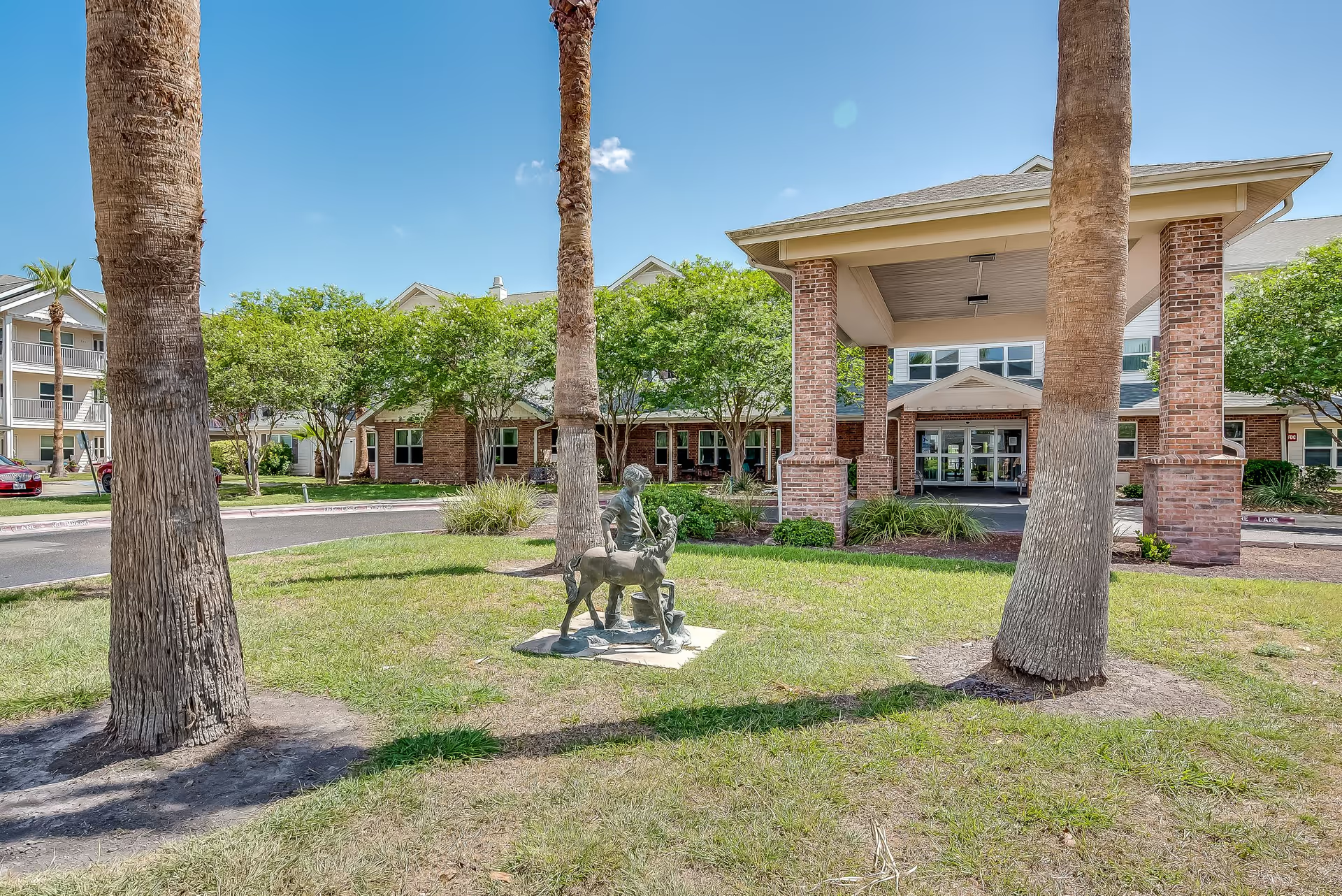
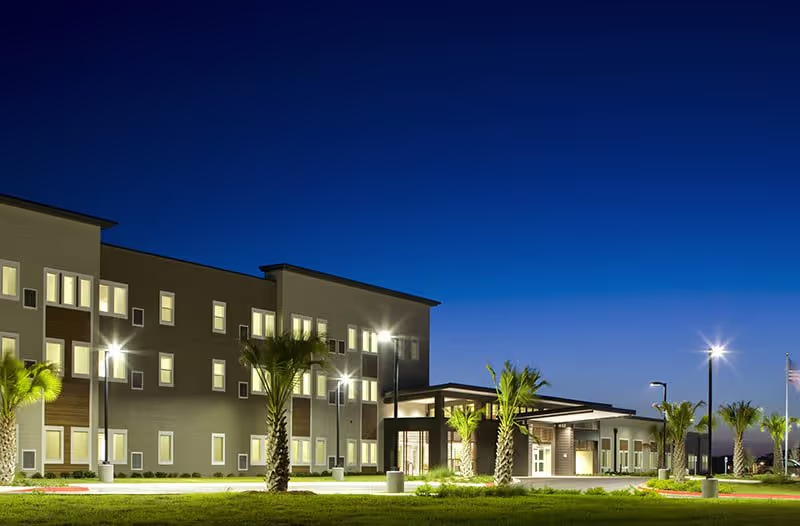
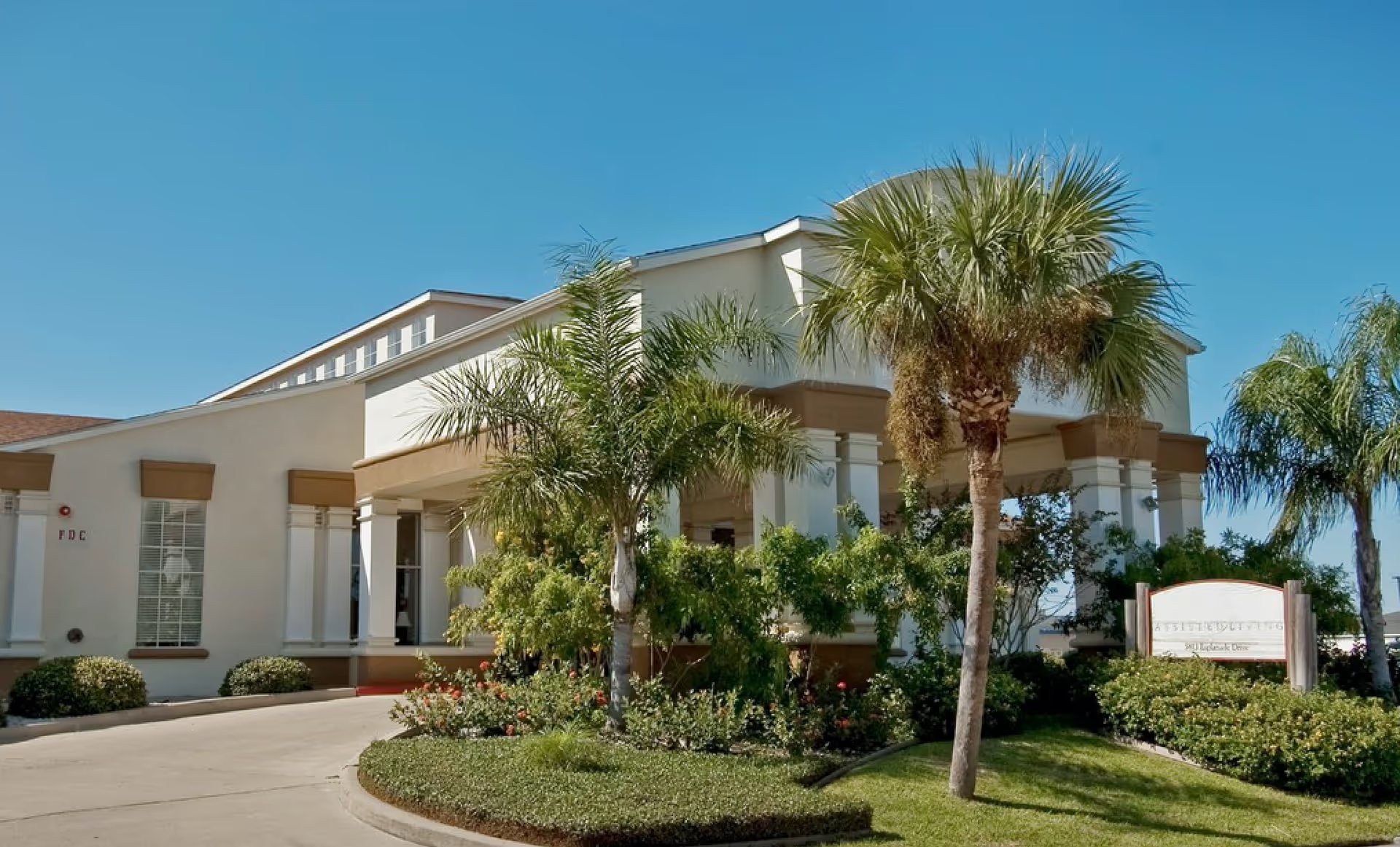
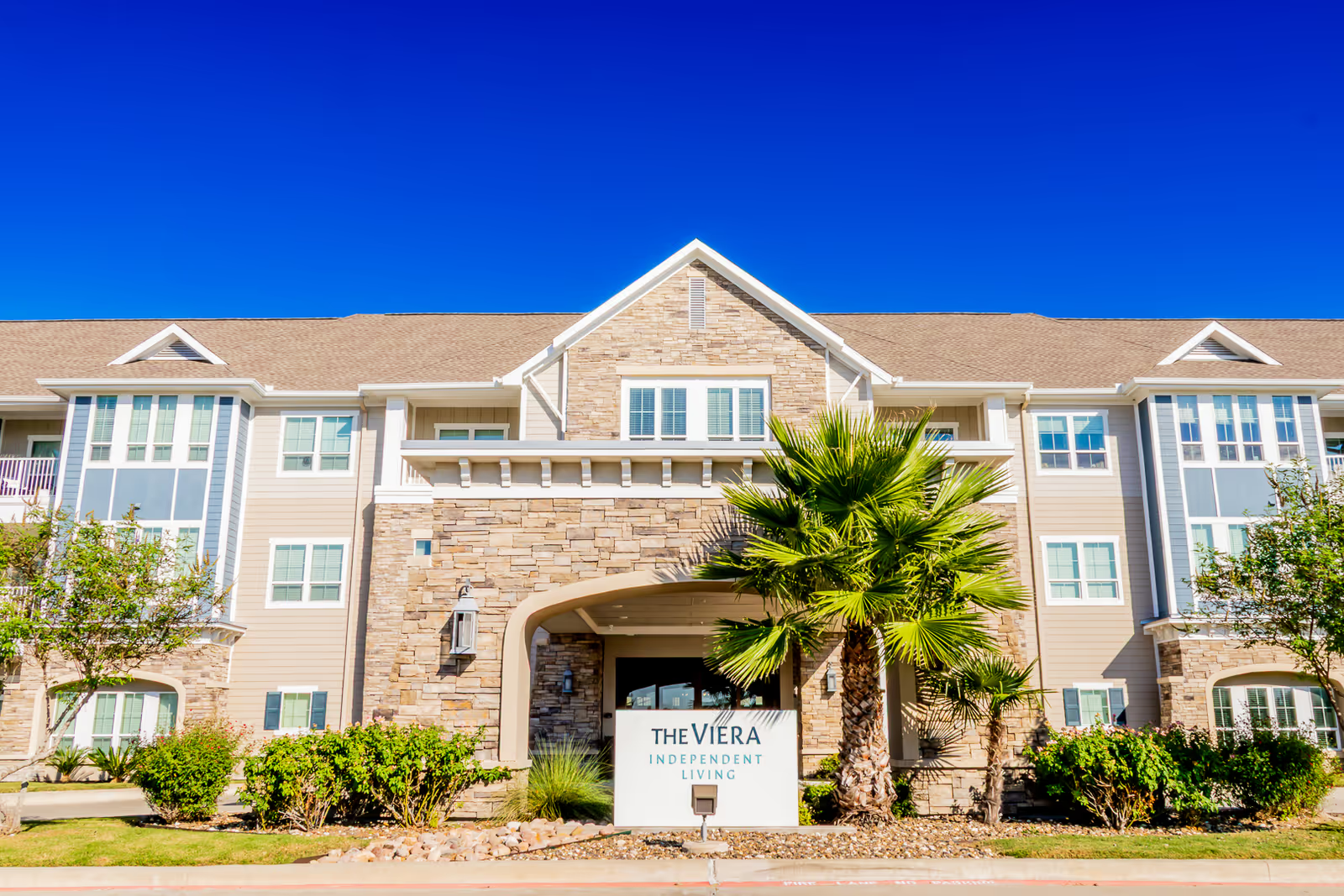
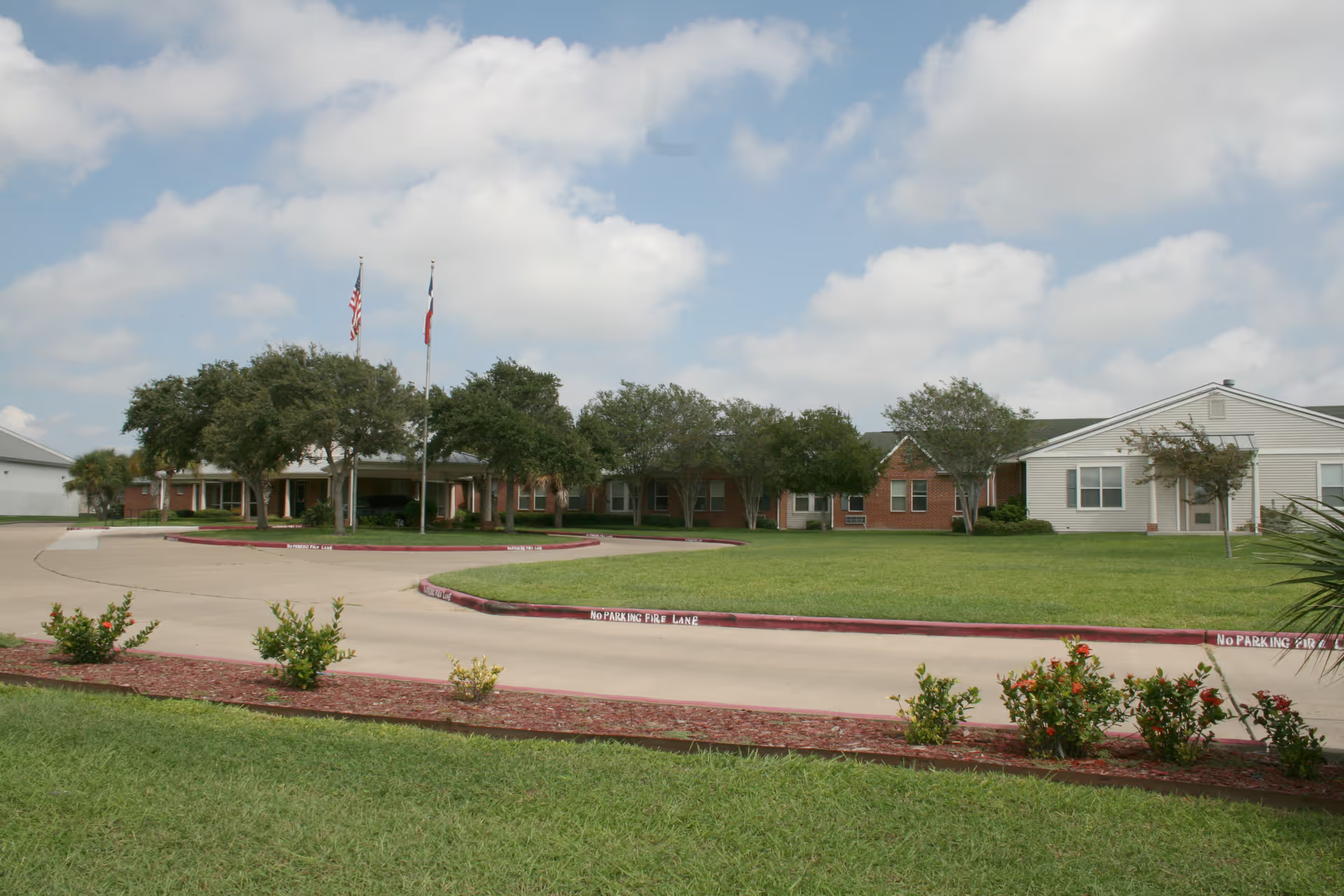
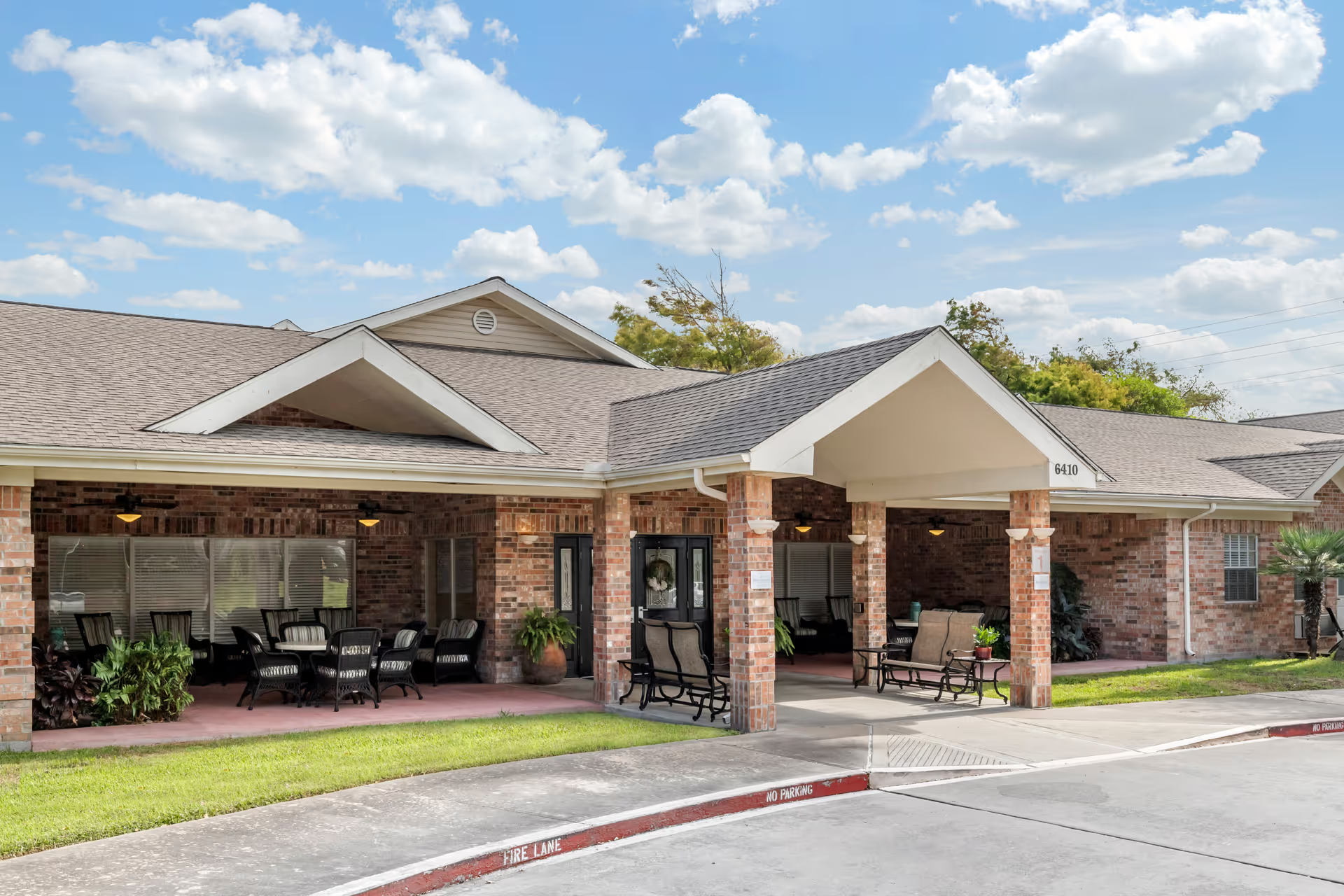
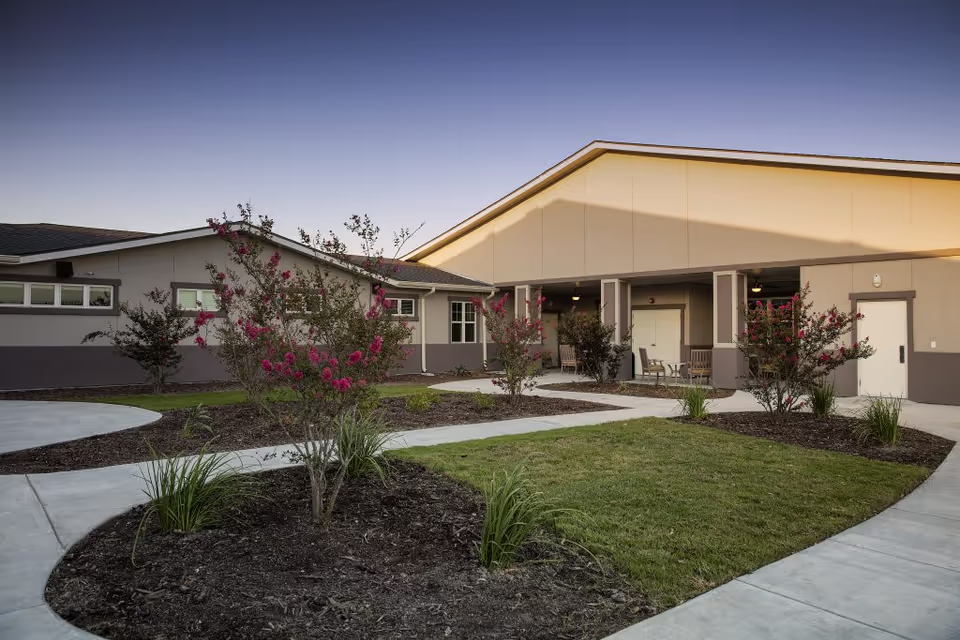
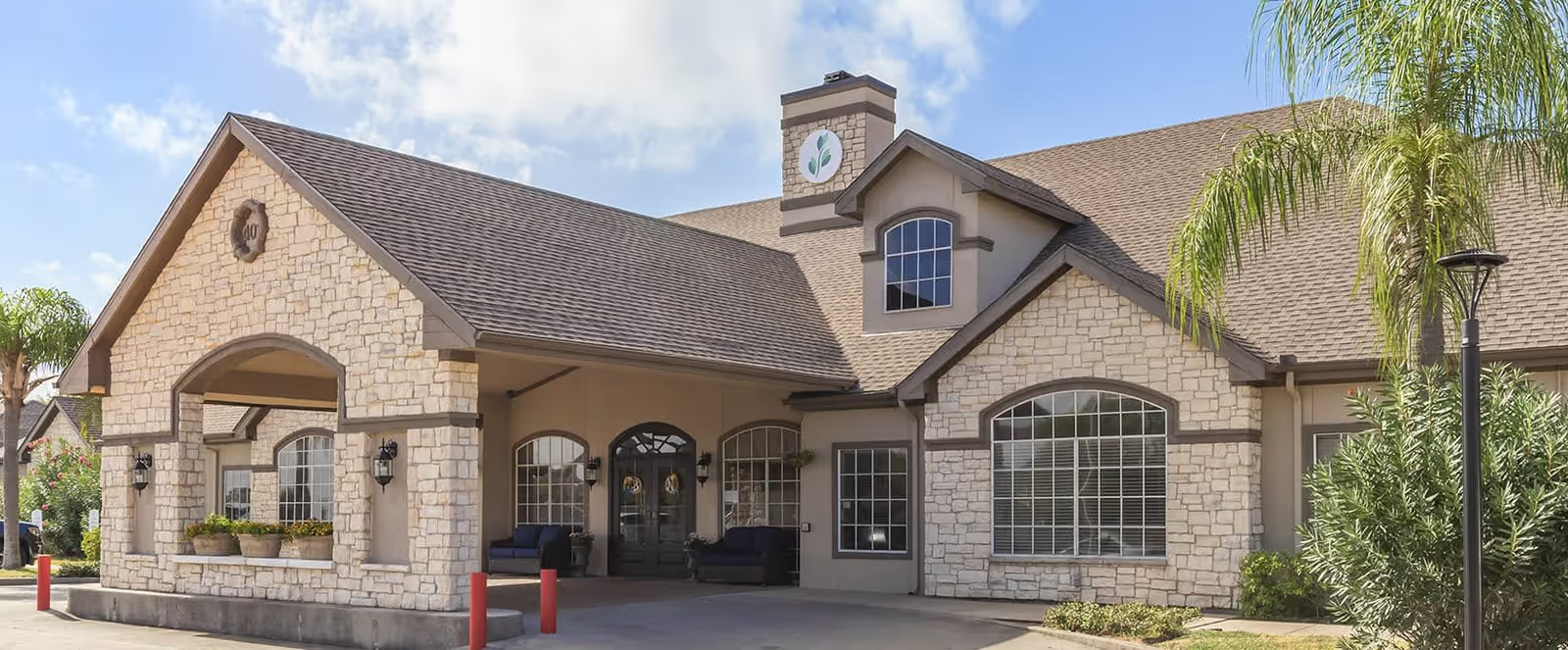
Mirador Retirement Community presents a mixed but clear profile: it offers a high-amenity, activity-rich environment and multi-level clinical services alongside recurring operational concerns that prospective residents and families should assess closely. Many accounts emphasize the facility’s attractive campus, coastal location, chef-driven dining, and robust calendar of social and physical activities. The community supports independent living through skilled nursing, assisted living, memory care, rehabilitation, and Life Care options—features that make it appealing for residents seeking continuity of care and a broad range of services on one campus.
Clinical care and daily assistance observations are mixed. Positive reports highlight effective rehabilitation and therapy outcomes, coordinated outpatient appointments, and families’ appreciation for recovery support. However, reviewers also indicate patterns of concern around medication administration and clinical monitoring, and delays in responding to requests for assistance. These patterns suggest variability in consistency and oversight of daily clinical operations — an important consideration for residents with complex medical needs.
Staff performance and resident interaction are frequently praised for warmth, responsiveness, and long-tenured caregivers who contribute to a family-like atmosphere. At the same time, there are repeated notes about uneven staff conduct and training—particularly on night shifts—and instances of unkind or brusque behavior from specific aides. Staffing shortages and coverage by staff working extended shifts were cited as contributing factors to inconsistent service levels. Prospective families should probe current staffing ratios, training practices, and supervision during different shifts.
Dining, activities, and amenities are among Mirador’s strongest offerings. The dining program, often described as chef-led with varied menus and appealing portions, receives frequent praise alongside popular social programs: exercise classes, singing groups, games, excursions, and an active resident community. On-site amenities such as a beauty salon, pool, library, and computer access support an engaged lifestyle. Public areas and grounds are generally described as well maintained and attractive, reinforcing the community’s resort-like appeal.
Facility-level operations and management draw mixed commentary. Strengths noted include strong infection-control practices in public spaces and responsive maintenance in many cases. Concerns are centered on management communication, transparency around admissions and room availability, occasional inconsistencies in housekeeping at the room level, and high entrance deposits and monthly fees. There are also serious individual claims involving financial conduct and admissions handling; these rise to the level of allegations that families will want to investigate directly with management and through regulatory or legal channels if relevant.
In sum, Mirador offers a high-quality environment with notable strengths in amenities, food, social programming, and rehabilitation services, making it an attractive option for many older adults. At the same time, recurring themes around inconsistent clinical practices, variable personal-care assistance, staffing pressures, and management transparency warrant careful due diligence. Prospective residents and families should tour during multiple times of day (including evenings/nights), ask detailed questions about medication and bathing protocols, request current staffing ratios and training procedures, review recent state surveys, and clarify financial terms and admissions processes before committing.