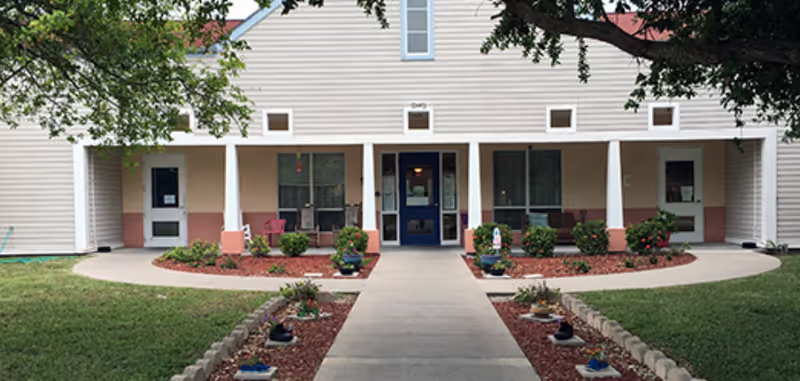
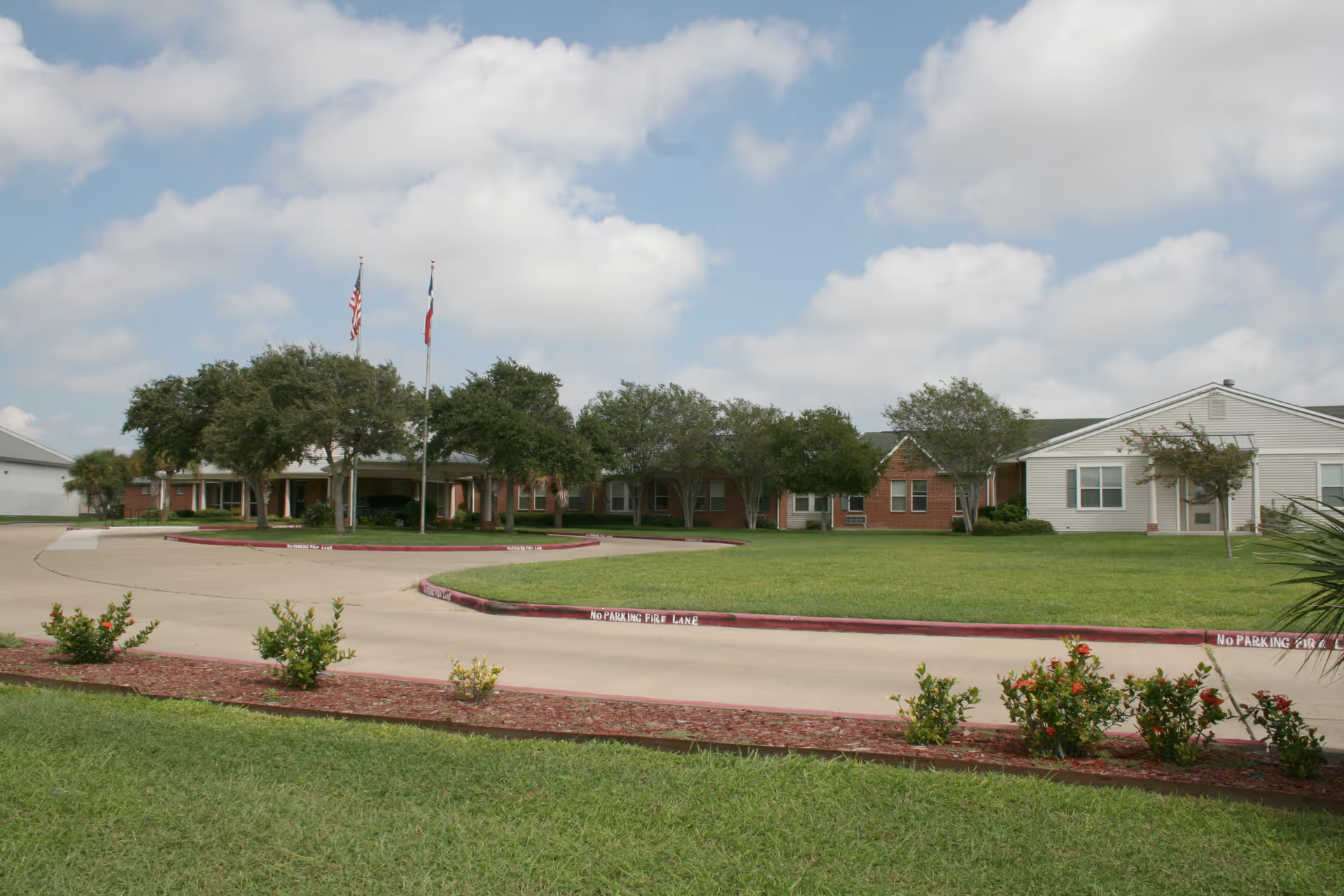
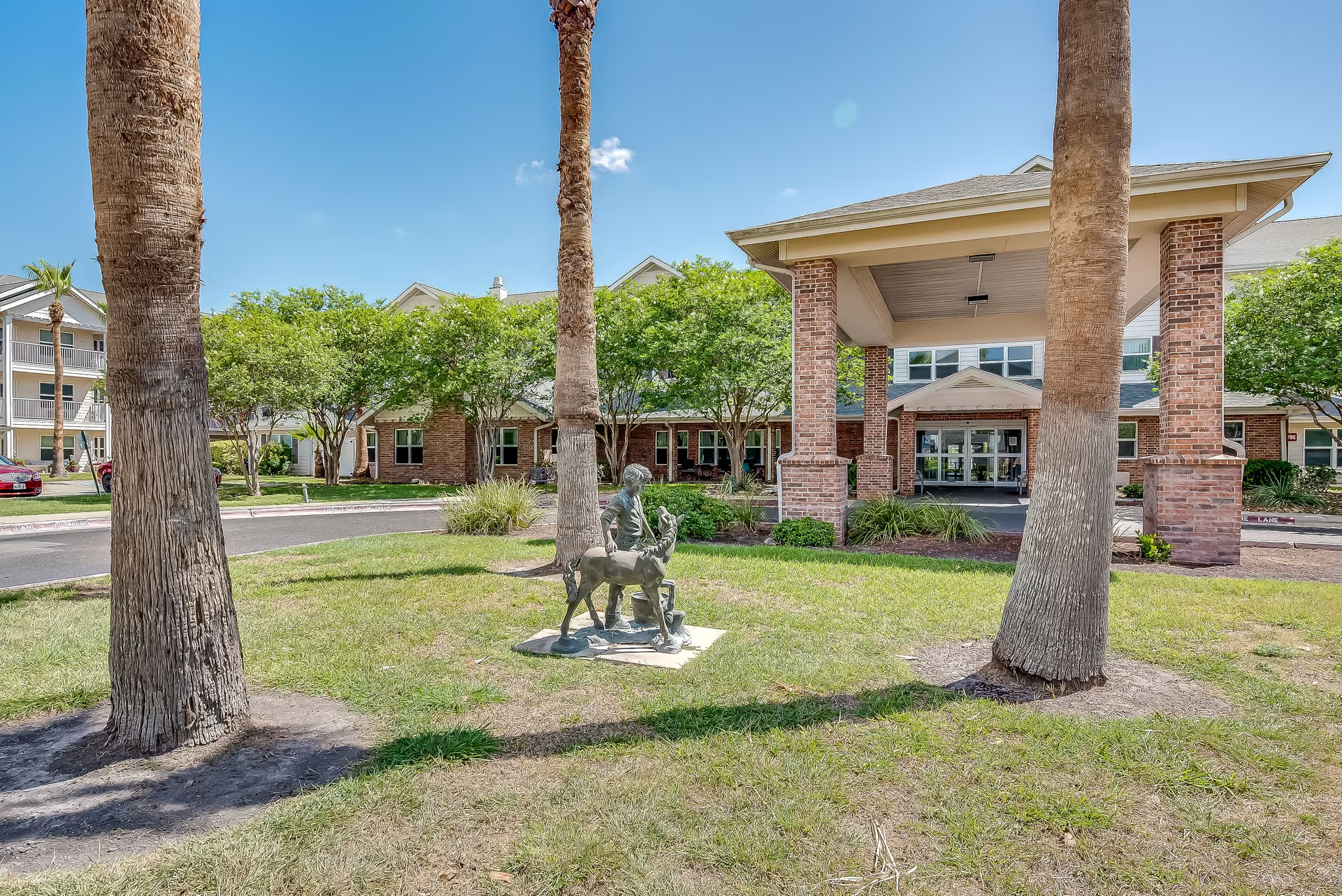
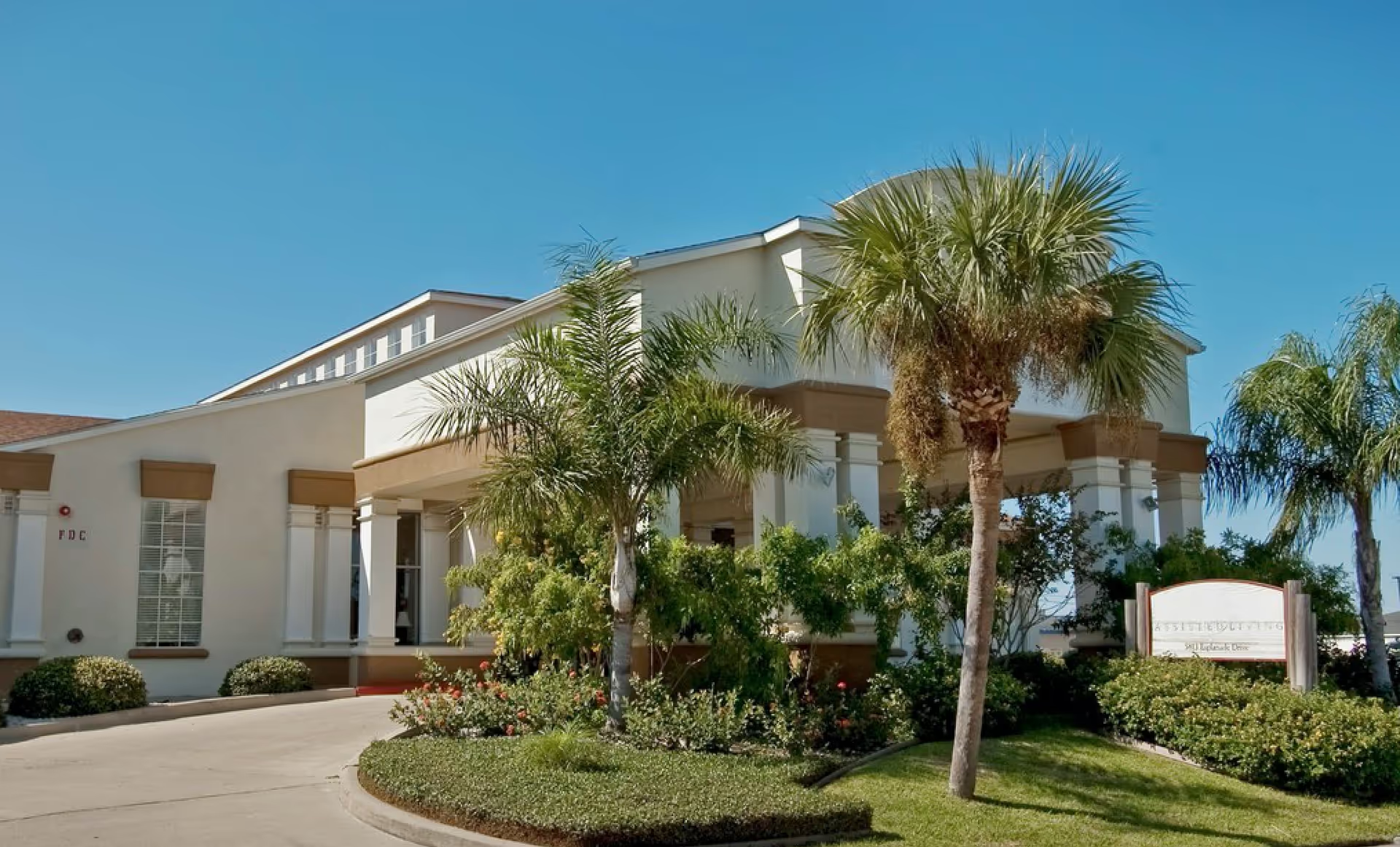
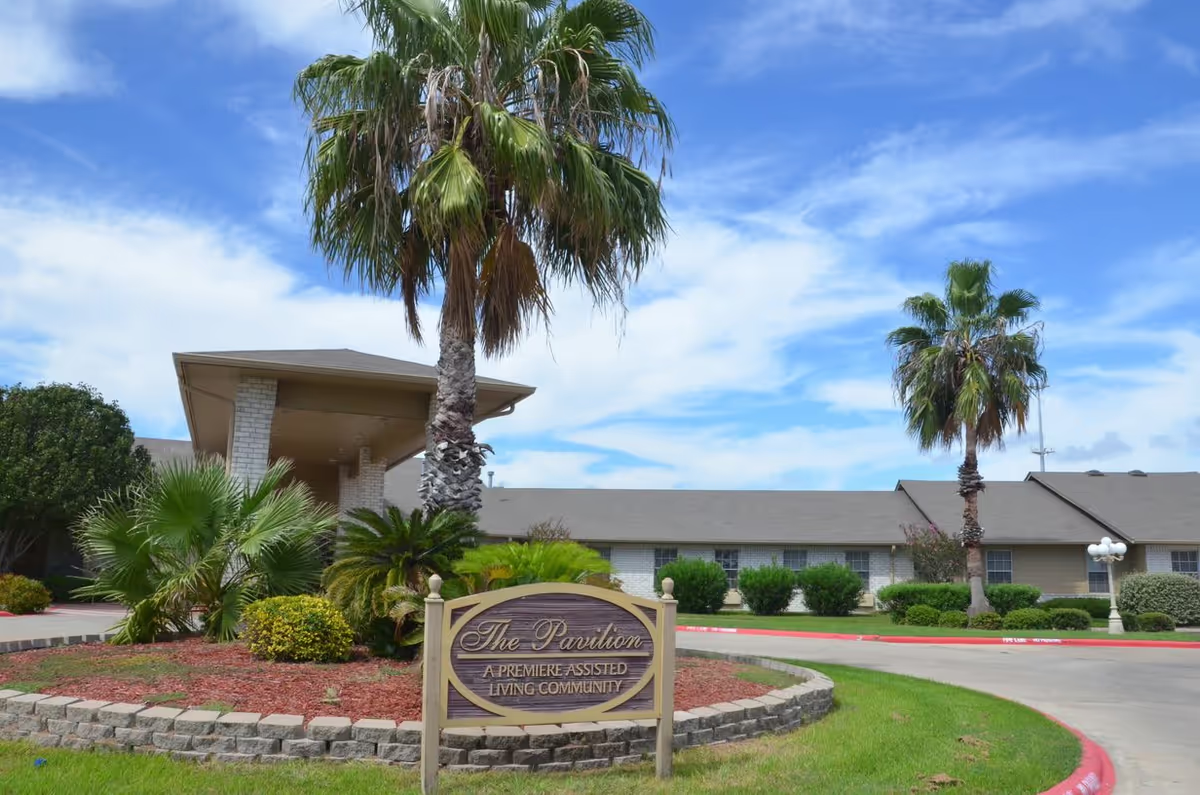
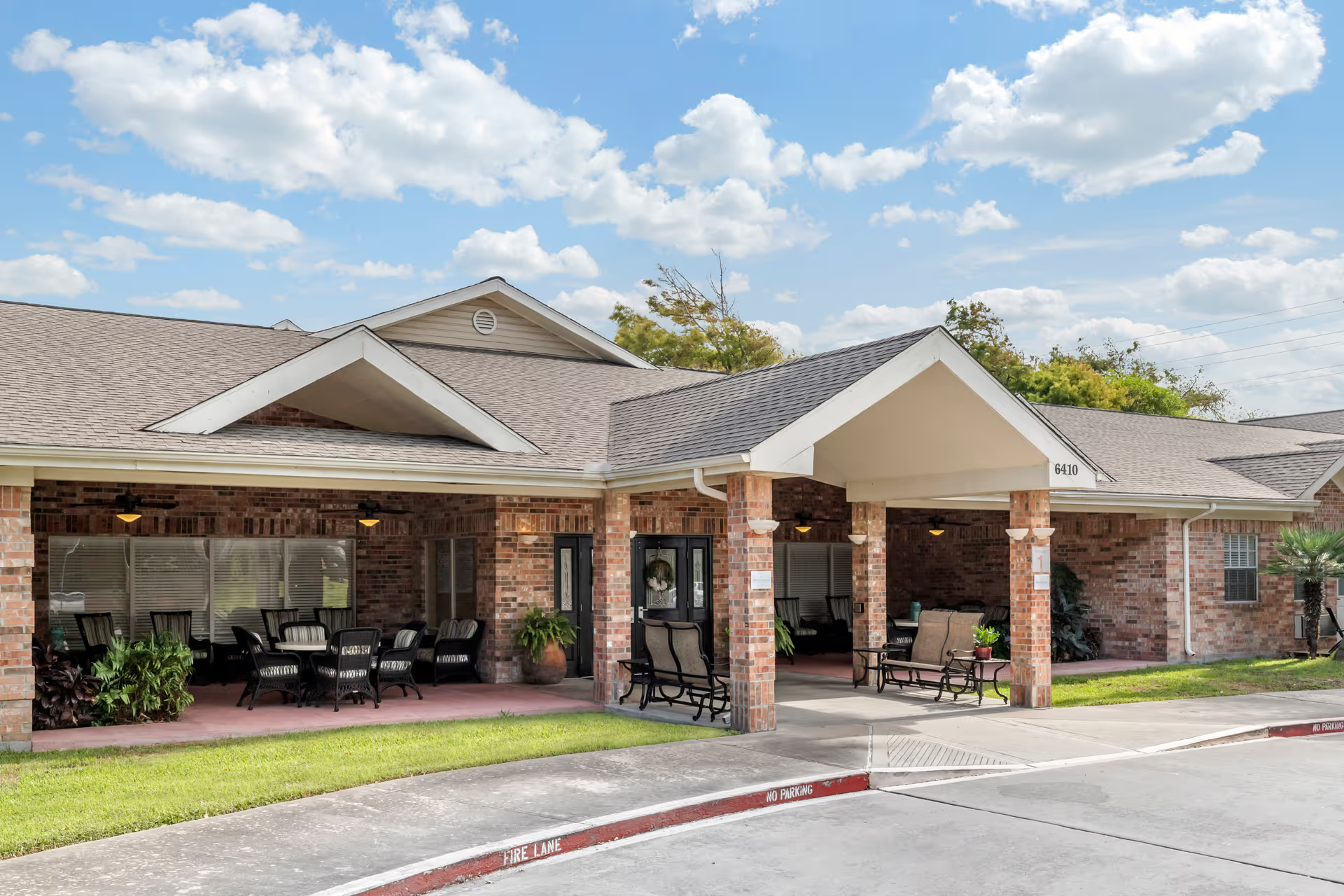
Windsor Calallen elicits a mixed but distinctly polarized set of impressions. Many families and discharges emphasize strong clinical strengths: a therapy team that promotes measurable functional recovery, compassionate nurses and CNAs who provide hands-on support, effective wound care and case-management assistance, and an admissions/business office that can be helpful with logistics and insurance. The facility’s interior is frequently described as clean and well-maintained with pleasant odors and usable outdoor space; an activities program and rehab focus receive consistent praise. Several accounts also highlight positive hospice transitions and individual caregivers and managers who go above and beyond for residents and families.
At the same time, a number of operational patterns recur across reviews. Staffing levels and responsiveness are inconsistent; families cite slow responses to call lights and delays in bedside attention, particularly during certain shifts. Medication-administration errors and process gaps are a prominent concern and are associated with family distress and care escalations. Dining is another mixed area: while portions and certain dietary staff receive compliments, there are repeated notes about cold meals, poor temperature control, and failures to follow specialized diets (for example pureed or diabetic meal plans).
Ancillary operational issues also emerge as patterns rather than isolated events. Property-handling and packing processes are uneven, with examples of missing personal items and poor transfer packing. Housekeeping and bathing schedules appear inconsistent in execution, and some families raise sanitation and hot-water access concerns. Equipment maintenance and transfer safety practices are questioned in light of bedside and bed-equipment problems that could increase fall or injury risk. Several reviewers describe delays in diagnostics, unavailable or limited physician coverage, and administrative communication breakdowns including difficulty arranging family meetings or reaching leaders.
Quality oversight and organizational transparency are additional themes. A number of reviews mention the absence or weakness of a visible incident-reporting or QAPI (quality-assurance) process and describe defensive or unhelpful communication from administrative staff in challenging situations. There are also concerns about monitoring and oversight of staff activities on units; some families explicitly requested more assurance of supervision and documentation of care.
Practical takeaways for prospective residents and families: Windsor Calallen appears to excel in rehabilitation, certain aspects of nursing and CNA care, and in administrative assistance with admissions and insurance when interactions are positive. However, prospective families should evaluate the facility’s current staffing levels and responsiveness, ask for details about medication-safety protocols and incident-reporting/QAPI processes, verify dietary accommodations and meal-temperature procedures, and clarify property-handling policies. Visiting during different shifts, meeting the therapy and nursing leads, and requesting written plans for individualized care (including fall-prevention and dietary plans) will help assess whether the facility’s operational strengths align with a particular resident’s needs.