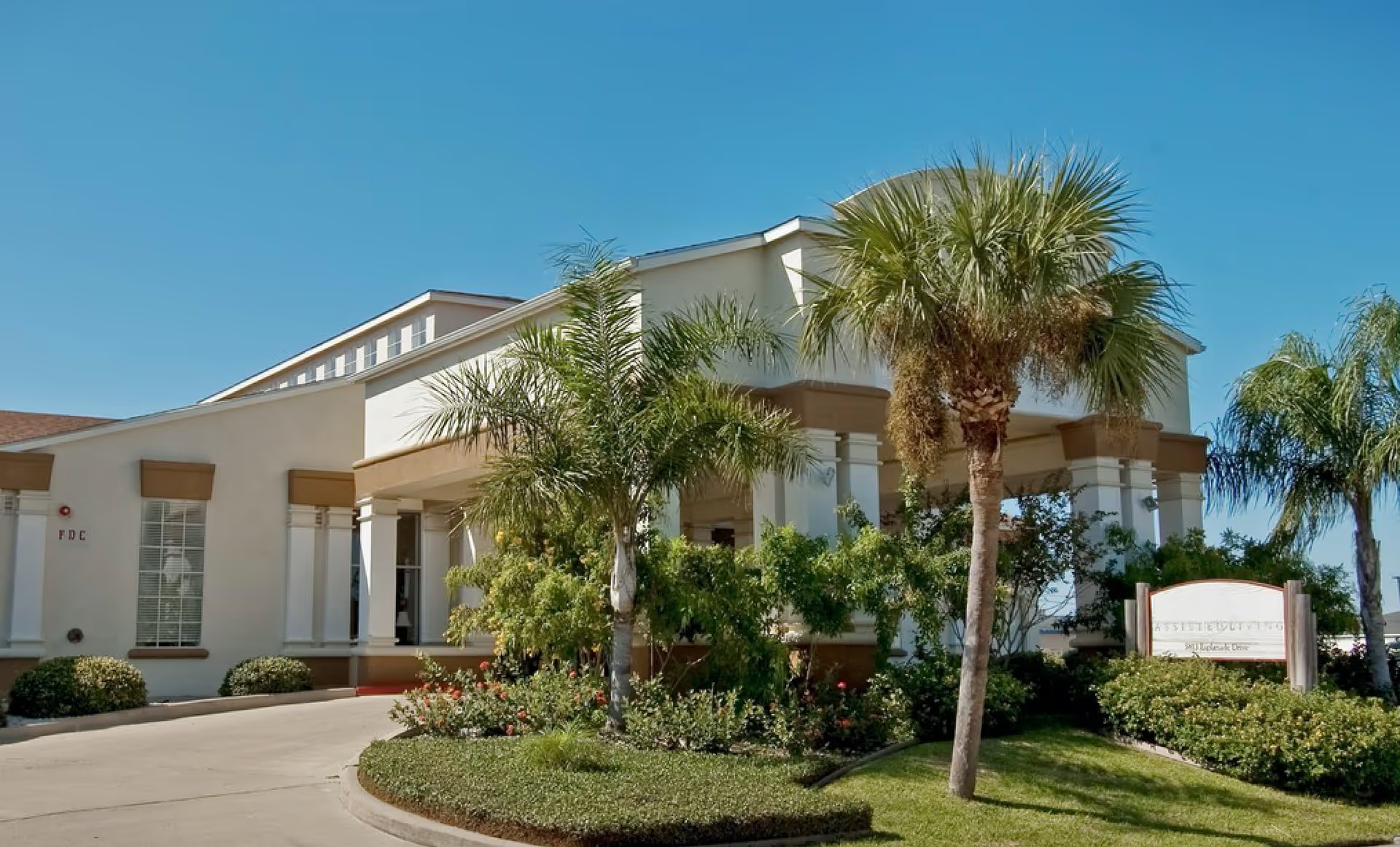
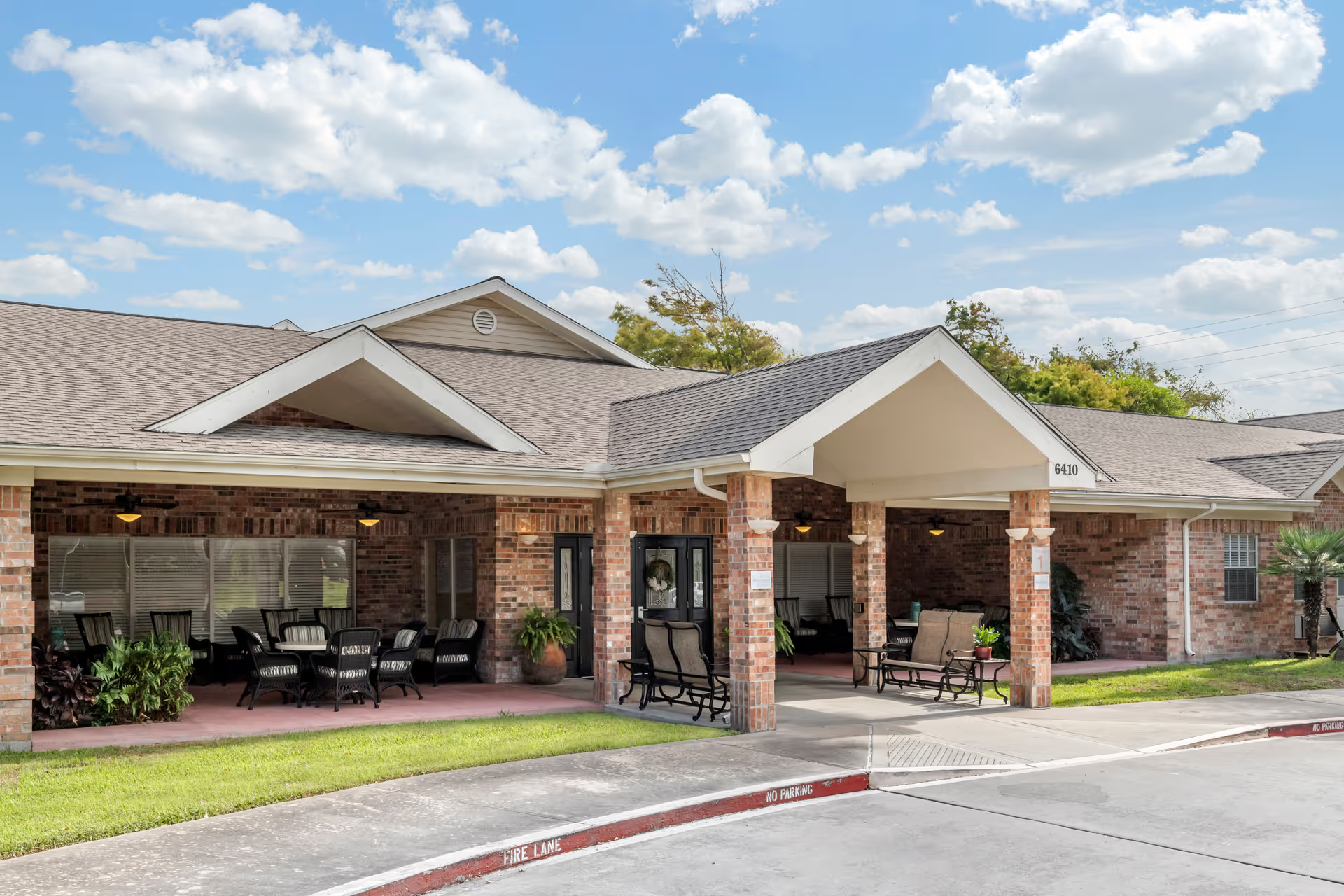
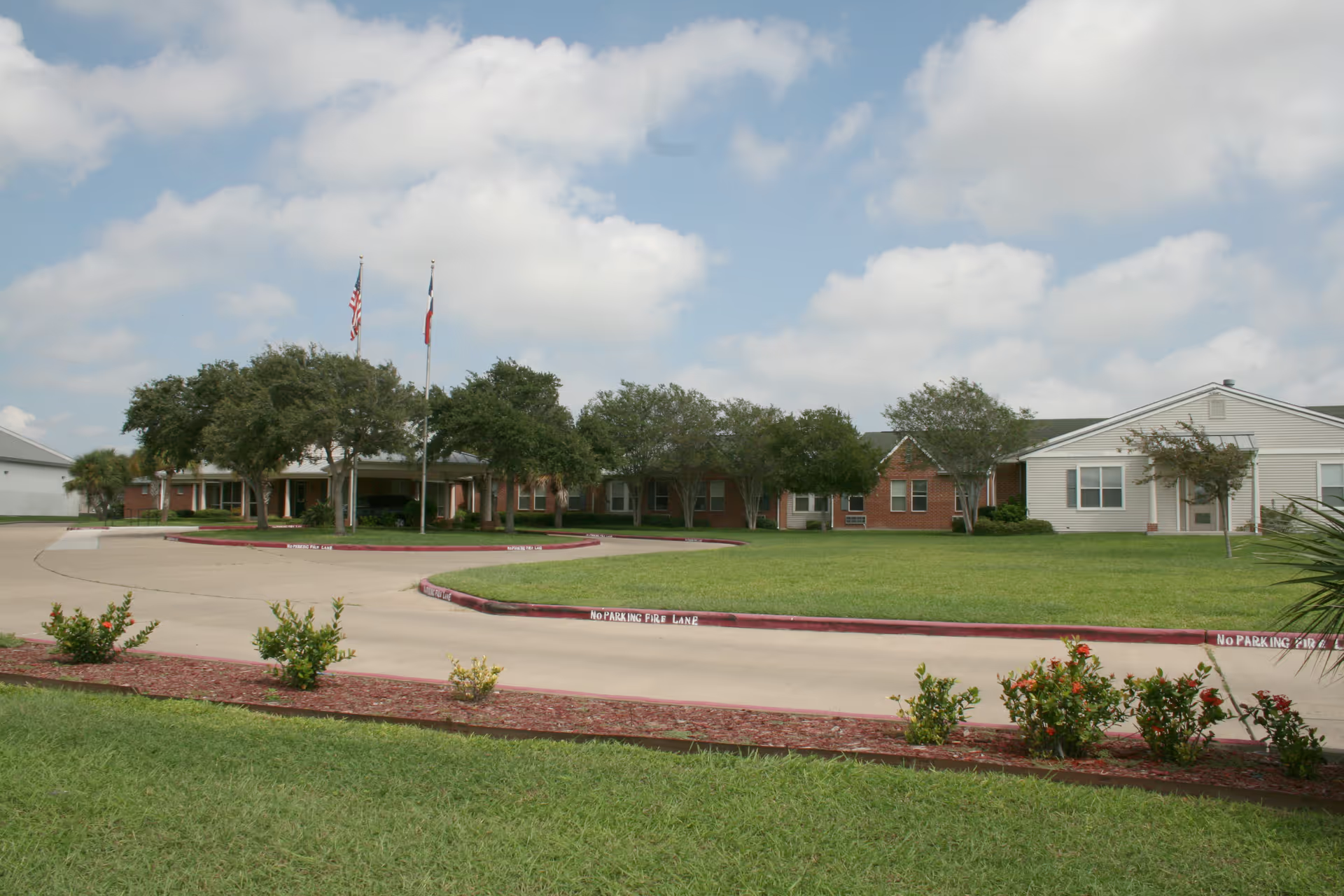
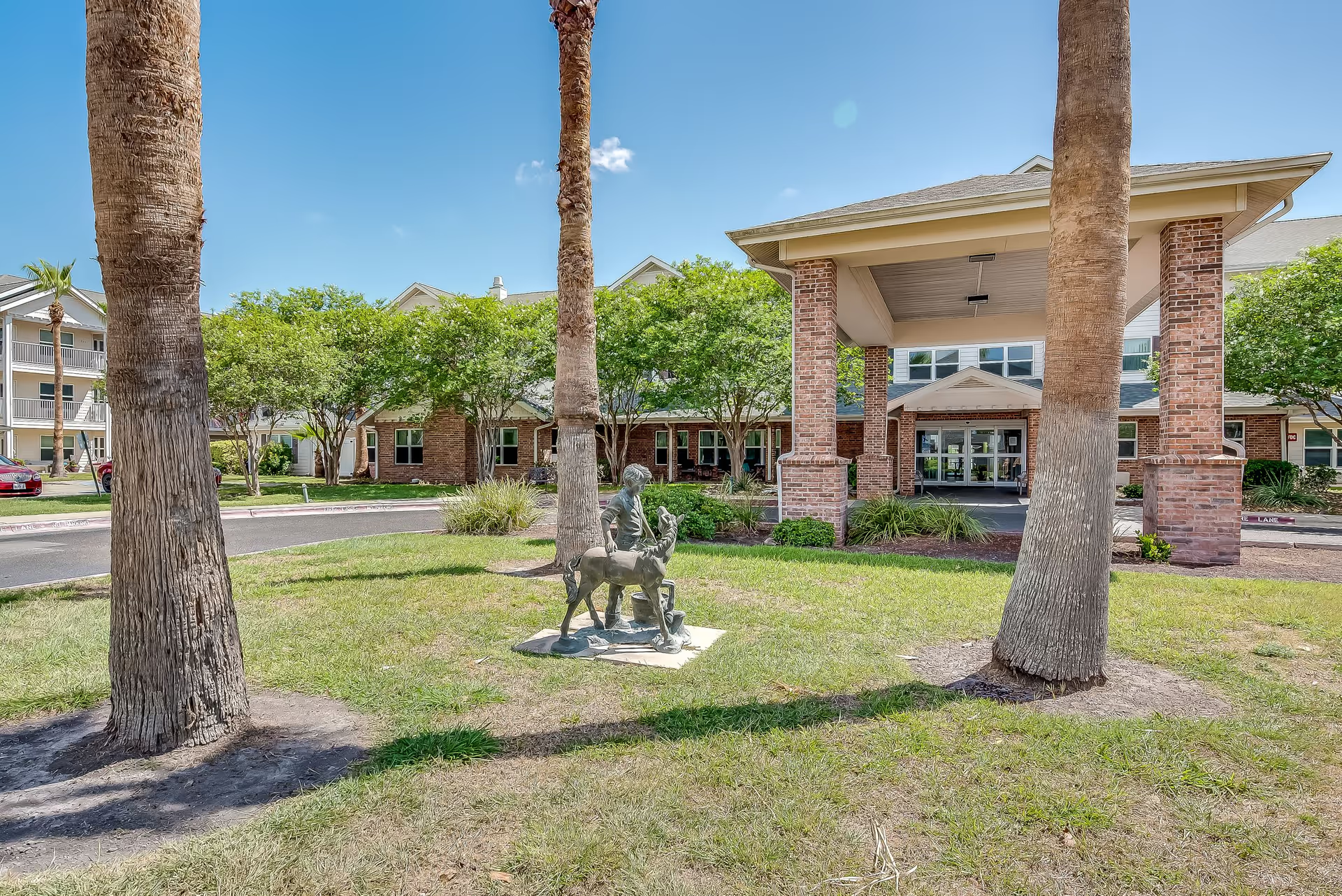
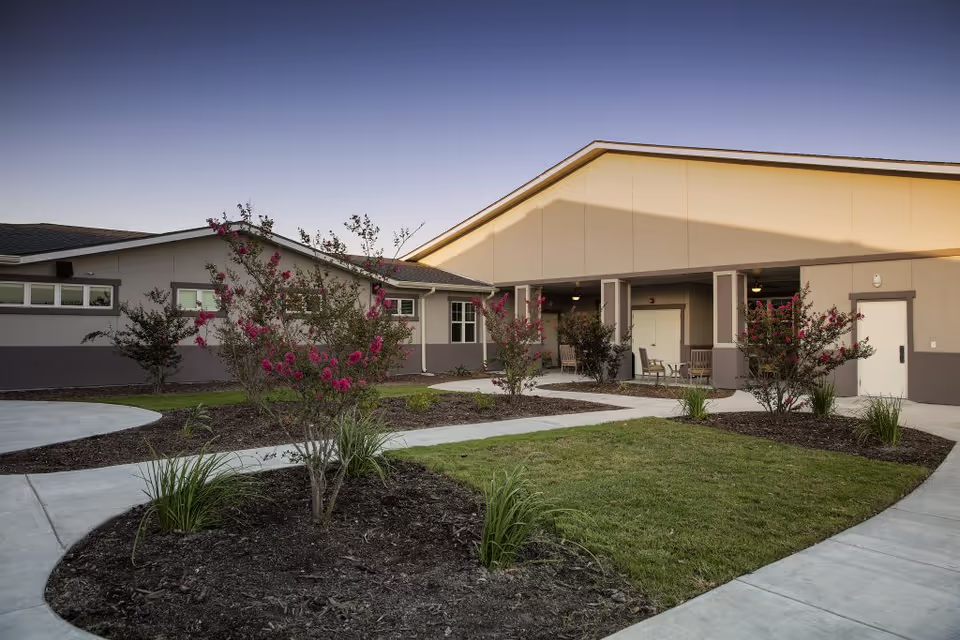
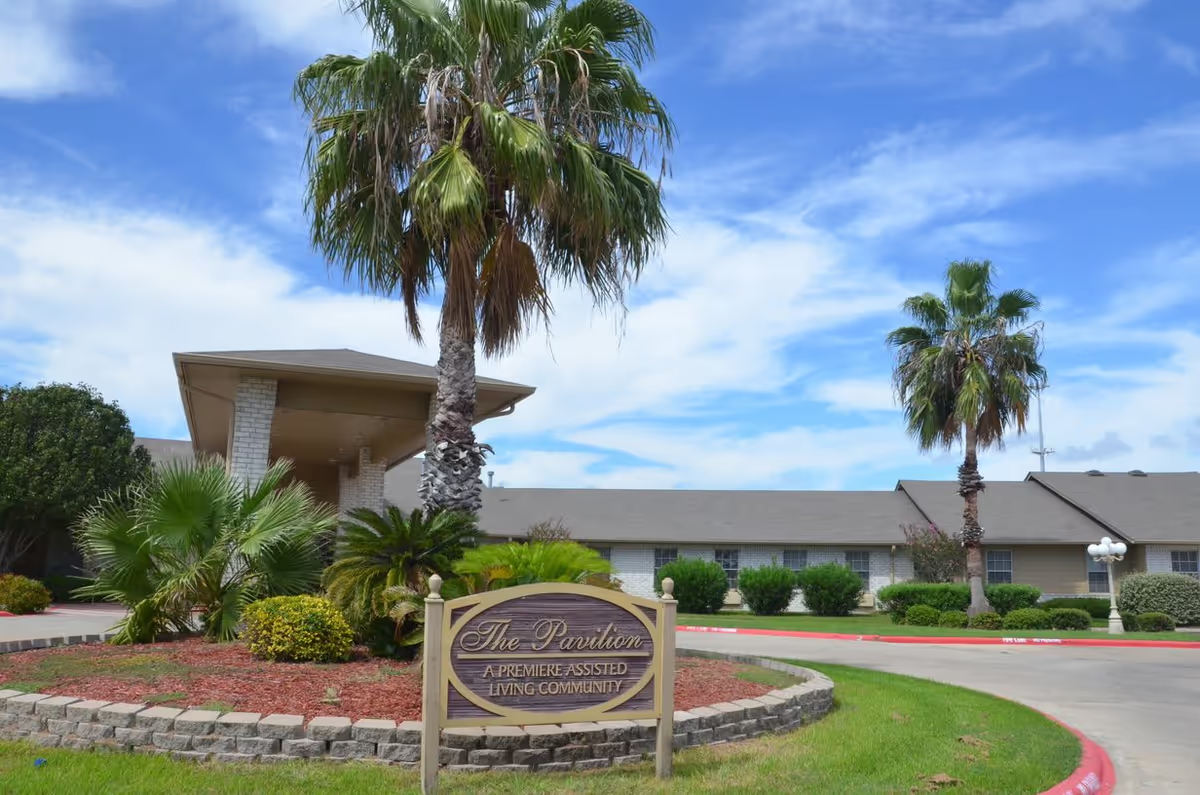
Reviews of Windsor Nursing and Rehabilitation Center of Corpus Christi present a mixed picture: many families and some former residents describe genuinely attentive, compassionate caregivers and strong rehabilitation outcomes, while others report operational and safety shortcomings that materially affected care experiences. Positive comments frequently single out CNAs, nurses, therapists, and specific administrative staff for kindness, effective communication during in-person visits, successful therapy leading to discharge home, and attention from wound and specialty nurses. The facility’s updated areas, family events, and some consistently engaging activity programming are also cited as strengths.
Staff quality appears to vary by role and shift. Numerous accounts praise individual caregivers and the nursing department for advocacy and hands-on care; therapy services are often credited with measurable improvement. At the same time, reviewers describe understaffing, particularly on nights and weekends, delayed responses to call lights, and uneven coverage that can lengthen wait times for basic assistance. These operational staffing issues are associated with inconsistent hygiene assistance, missed or delayed care tasks, and frustration among families about timely updates.
Safety and clinical-management concerns recur across multiple accounts. Reviewers describe gaps in fall-safety practices and incident follow-up, and some raised serious concerns about medication practices, including an allegation about medication being placed in meals. There are also reports of pressure-injury management challenges and hospital transfers related to care problems. Together these patterns suggest families should inquire about the facility’s incident-reporting process, fall-prevention measures, medication-administration protocols, and escalation pathways for clinical concerns.
Dining and environmental services are another area of variability. Several families report dietary accommodations and meals that meet nutritional guidance; others describe cold food, inconsistent meal service, and kitchen-staff tone concerns. Housekeeping and sanitation are praised in many parts of the facility but flagged as inconsistent in others, with specific mentions of units or shifts not meeting the same standards. Prospective families may want to tour dining and resident common areas during different times of day and ask about housekeeping schedules and food-temperature controls.
Management and administrative operations show both strengths and weaknesses. Admissions staff and certain leaders received positive mention for coordination and responsiveness during placement and discharge. Conversely, there are repeated comments about limited phone access, long hold times, poor follow-through on promised actions, property handling issues, and perceptions that financial considerations sometimes drive decisions. These operational themes point to variable supervisory oversight and communication processes that affect family confidence.
In summary, Windsor demonstrates clear areas of strong practice—compassionate individual caregivers, effective therapy, welcoming admissions experiences, and updated facilities—while also showing recurring operational weaknesses in staffing consistency, incident reporting, medication management, housekeeping consistency, and family communication. Families considering this facility should weigh the documented clinical successes and supportive staff members against the noted variability. Recommended due diligence includes asking for current staffing ratios, reviewing incident and fall logs, clarifying medication-administration procedures, confirming property-handling policies, and arranging visits across shifts to evaluate consistency of care and environment.