Avir at Dallas elicits strongly mixed feedback. Many families and clinicians praised the facility's rehabilitation capabilities: its orthopedic and physical-therapy programs, individualized equipment provision, and therapists who drive recovery goals were repeatedly singled out as strengths. Several reviewers named specific staff and administrators positively and described a welcoming, family-like atmosphere in parts of the building. The dining operation also receives high marks from some guests for varied, high-quality meals and attentive kitchen leadership.
Despite these strengths, a recurring cluster of clinical and operational concerns appears across accounts. Medication administration and documentation are described as inconsistent, with delayed or missed doses noted. Call-button response times and assistance with toileting and personal care were reported as uneven, producing delays in basic-care delivery. There are recurring sanitation and linen-management issues cited alongside odor concerns in some areas, indicating lapses in housekeeping consistency rather than uniformly poor maintenance.
Staffing and professionalism show marked variability by shift and unit. Daytime and therapy teams are often characterized as caring and skilled, while night shifts and specific nursing teams are described as less consistent in responsiveness and clinical technique. A few reviewers expressed concern about clinical training deficits (including emergency-response readiness) and questioned bedside manner or conduct on certain shifts. At the same time, multiple accounts praise front-desk staff, specific administrators, and individual nurses and CNAs for going above and beyond.
Dining and activities present a bifurcated picture: some families report gourmet choices and multiple meal options with good coordination of surgical appointments, while others report cold or incomplete meals, menu repetition, and inconsistent meal delivery. Activities programming is described as basic or infrequent in some accounts, suggesting a need for steadier staffing and oversight of engagement offerings.
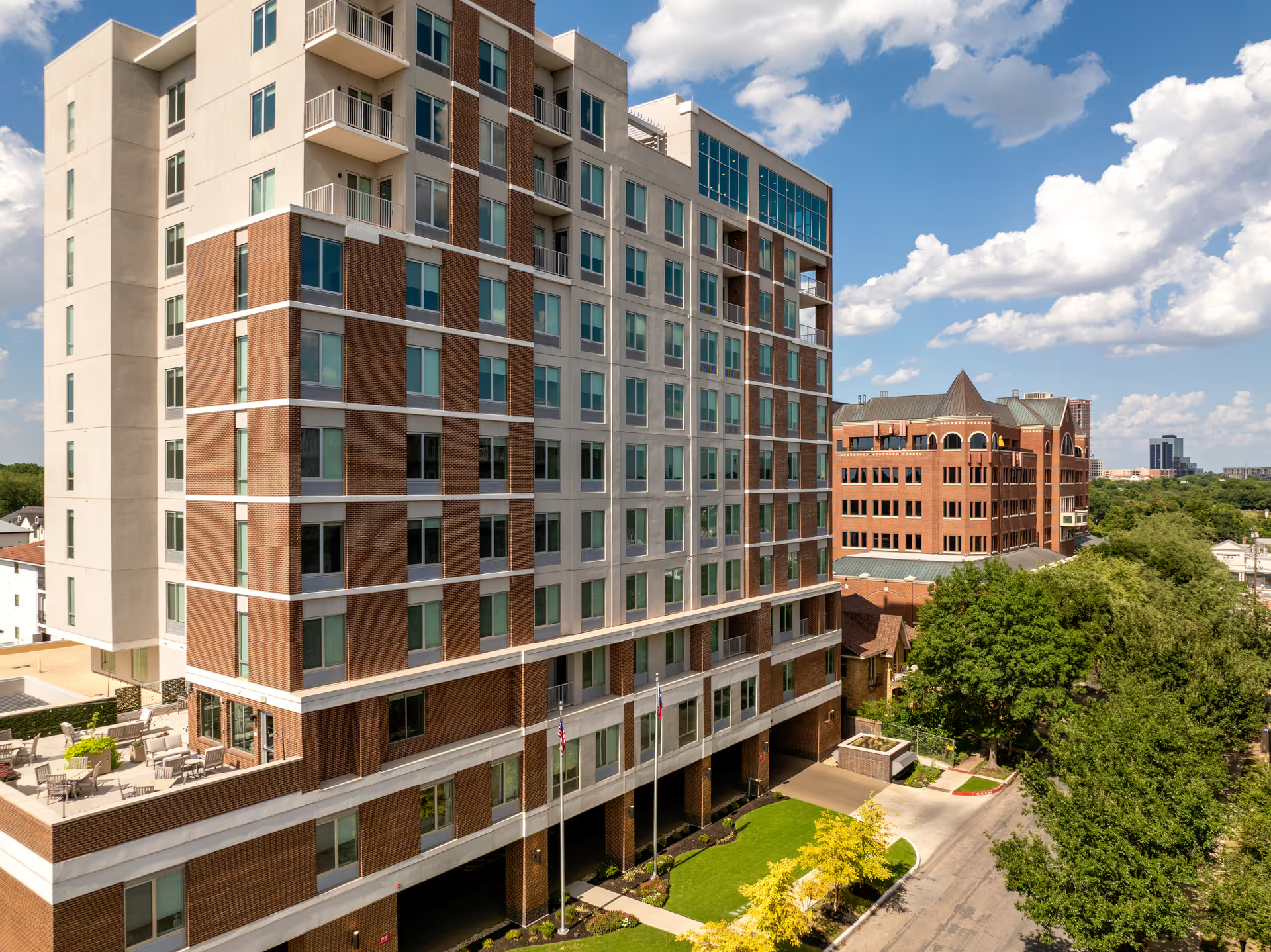
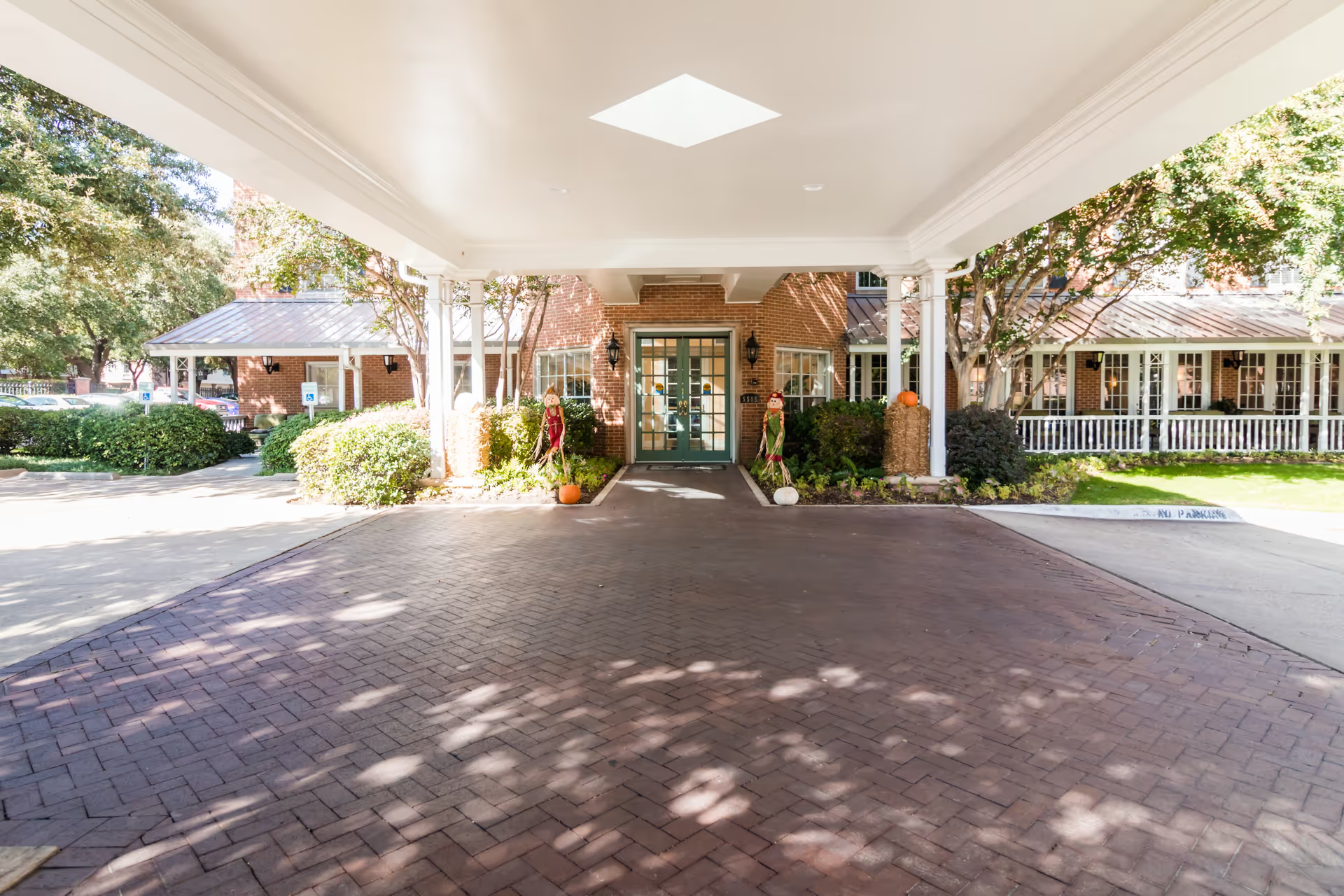
Facility upkeep and administration show both positive and negative patterns. Many reviewers describe clean, pleasant public spaces and spacious rooms; others document missed maintenance requests, trash and flooring issues in specific rooms, delayed repairs, and occasional supply shortages. Administrative responsiveness is similarly mixed: improvements under new leadership were noted by some, yet others cited slow discharge paperwork, lost belongings or documentation, and concerns about the process for raising complaints — including fear of retaliation.
Overall, Avir at Dallas appears to deliver high-quality rehabilitation and has many staff who provide excellent, empathetic care, but it also exhibits operational inconsistencies that can affect basic caregiving, medication reliability, and cleanliness in specific areas or shifts. Prospective residents and families should tour the facility, ask targeted questions about staffing ratios by shift, medication-administration and call-response protocols, linen and sanitation procedures, and the process for escalating concerns. Checking recent inspection results and speaking directly with the therapy department and unit-specific staff during a visit will help clarify whether the strengths or the operational gaps are most representative of the current environment.