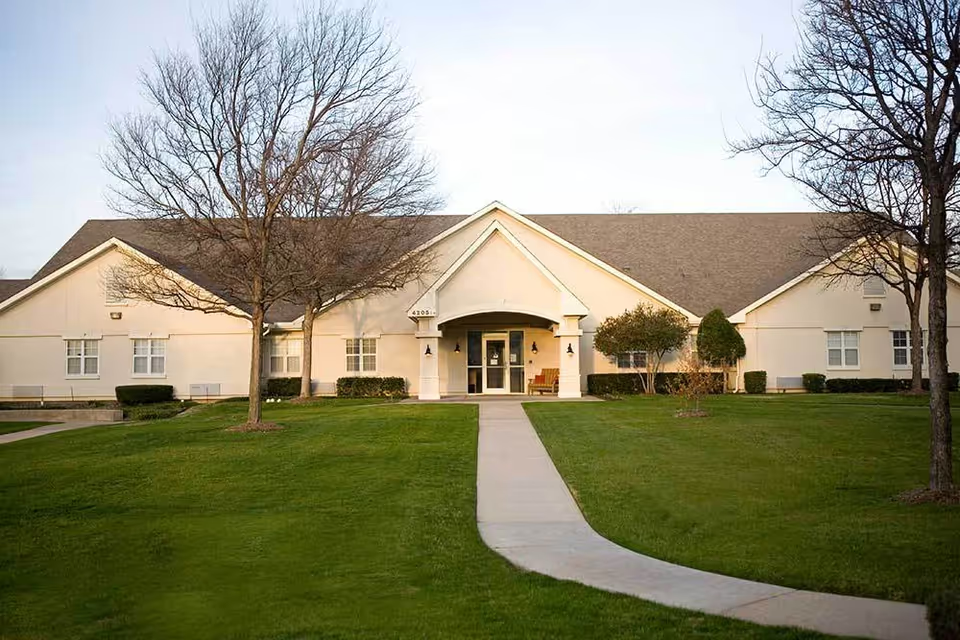
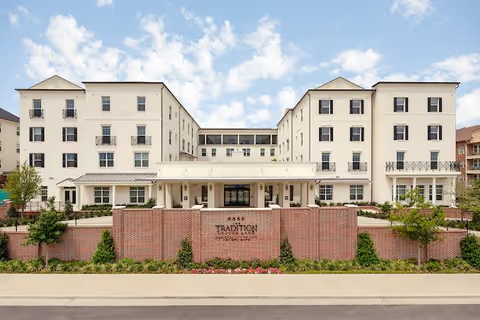
The reviews of The Traymore at Park Cities present a mixed picture, with families and residents describing both strong clinical and social supports as well as significant operational inconsistencies. On the positive side, many accounts emphasize compassionate, personable caregiving and skilled rehabilitation services. Reviewers commonly praise therapy teams, activity programming (baking, outings, bingo and other events), and staff who know residents by name. Several reviewers also cited helpful admissions coordination, a home-like atmosphere, availability of private rooms, and proximity to a major hospital as practical advantages.
However, recurring operational themes raise concerns about reliability of day‑to‑day care. A number of reviewers described delays in staff responsiveness and inconsistent timeliness for personal care and call responses. Cleanliness and sanitation practices were uneven across accounts, with specific mentions of odor concerns, visible maintenance issues, and pest‑control worries in some areas. Relatedly, reviewers raised incontinence‑care delays and skin integrity issues; language in reviews suggests inconsistent protocols for repositioning, incontinence care, and wound or skin‑breakdown management.
Clinical-safety patterns also appear variable. Several families described medication-administration problems, delayed or missed responses to abnormal vital signs, and lapses in care coordination that required emergency evaluation or corrective action. One or more reviewers made serious claims about unethical medical conduct; such allegations should prompt careful inquiry. Infection-control practices and Covid‑safety policies were questioned by some reviewers, which is important for anyone assessing communal risk in a congregate setting.
Dining and nutrition feedback is mixed. Some reviewers praised easy-to-chew menu options and friendly dining staff, while others noted cold meals, small portions, poor meal quality at times, and instances where dietary restrictions were not consistently observed. Activity offerings and therapy were cited positively by many, but a subset of comments described disengaged therapy or slow rehabilitation pacing.
Management and communication show variability across reports. Positive comments reference attentive leadership, helpful social-work coordination, and visible improvements led by nursing leadership. Conversely, other reviewers described inconsistent communication, discharge coordination problems, front‑desk unresponsiveness, and perceptions of defensive or uninterested management. Staffing continuity and turnover appear to contribute to uneven experiences: some families encountered very helpful individuals, while others encountered long wait times or perceived indifference.
For prospective residents and families: the facility demonstrates clear strengths in rehabilitation, programming, and staff who deliver warm, resident‑focused care. At the same time, the collection of concerns about responsiveness, sanitation control, clinical monitoring, medication management, and communication suggests variability in operational reliability. An in‑person tour that includes direct questions about staffing ratios, medication oversight, skin‑integrity protocols, infection‑control measures, dietary management, and family communication procedures is recommended. Where possible, request recent inspection records and ask to speak with the director of nursing about specific safeguards the facility has implemented to address the issues highlighted above.