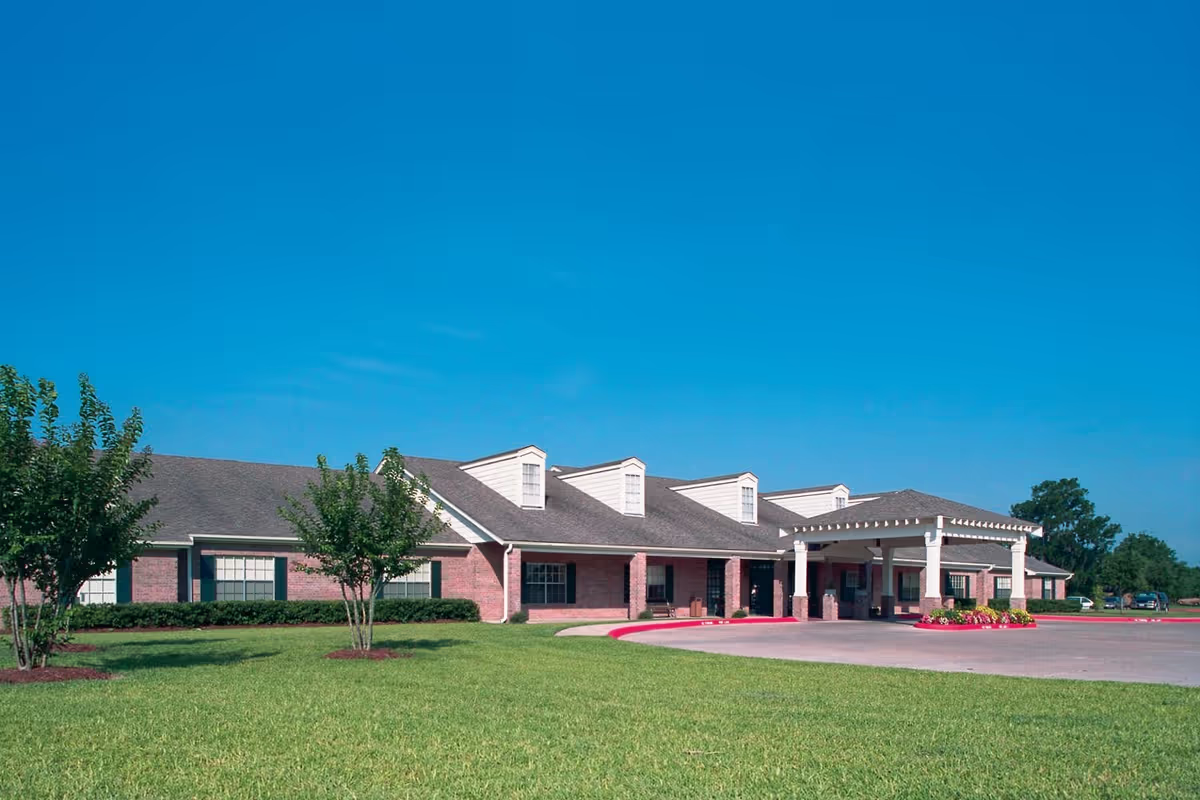
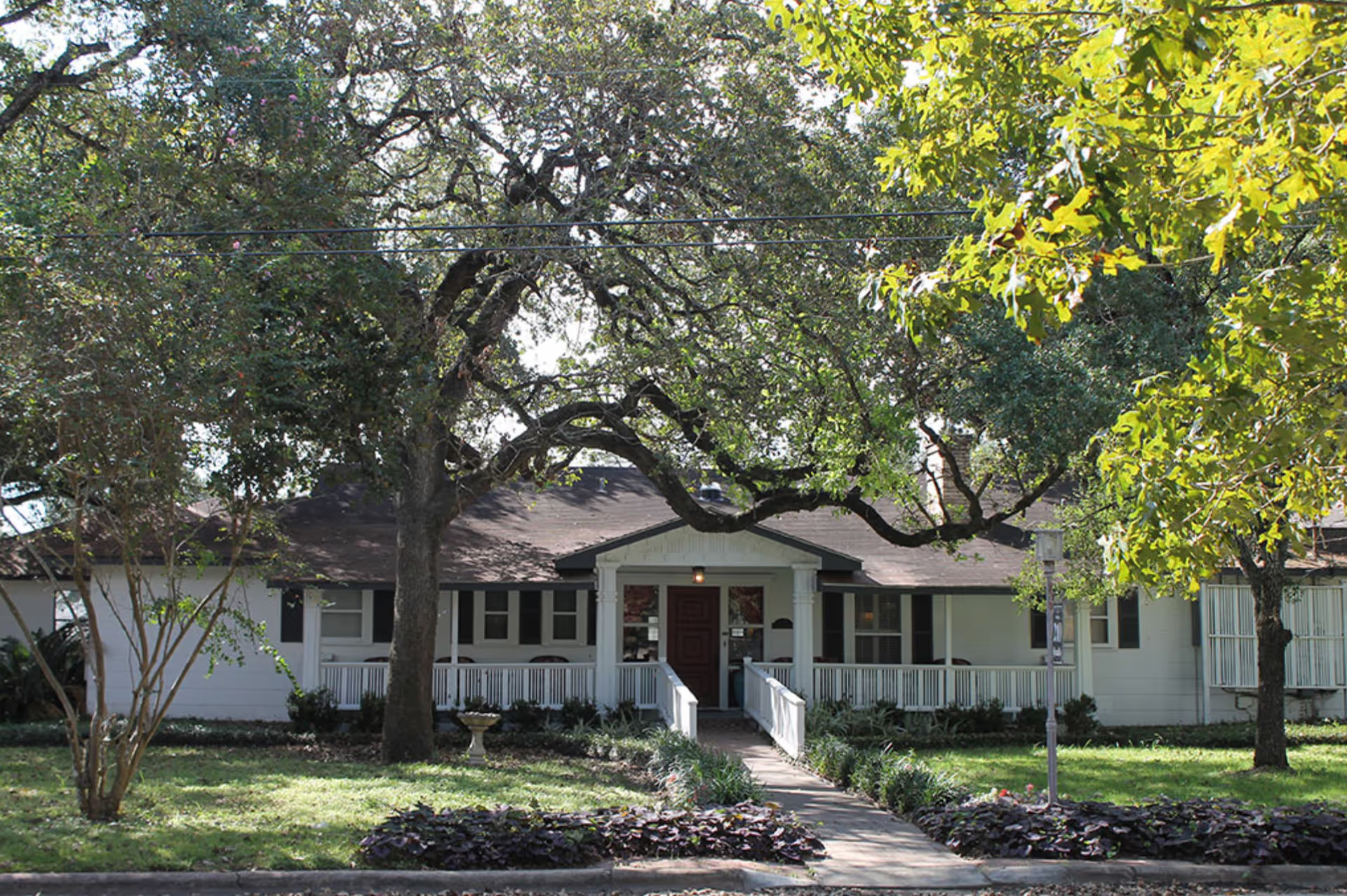
Reviews describe a facility with clear strengths in interpersonal care and environment alongside substantive operational concerns. Positives emphasize a compassionate, resident-focused culture: multiple accounts praise individual caregivers (including therapy staff and specific nursing and laundry employees), an interdisciplinary team approach, and clinicians who take time to explain care. Families frequently describe a welcoming admissions experience, a family-like atmosphere, and a clean, well-maintained building. The facility’s stated wellness orientation appears reflected in some staff behaviors and programming.
Clinical-quality impressions are mixed. Several families reported attentive nursing and helpful physical-therapy services that supported recovery and a sense of individualized care. At the same time, there are recurring concerns about medication administration and follow-up after clinical events; reviewers described instances that led them to question medication controls and incident-response consistency. One review referenced filing a regulatory complaint and pursuing legal counsel — an allegation of serious concern that would warrant direct verification through regulators and the provider’s quality records.
Staff culture is a central theme. Many comments highlight compassionate, collaborative, and knowledgeable staff who create a comforting environment for residents. Conversely, reviewers also described episodes of brusque or unhelpful communication, slow responses to call bells, and variable attitudes among front-line personnel. These patterns point to staffing and supervision variability: when staffing levels and leadership oversight are adequate, reviewers describe high-quality, attentive care; when staff resources are constrained, families report delays and tone-of-care issues.
Dining and ancillary services show similar variability. Positive notes include functional laundry service and well-liked ancillary staff, but multiple reviewers described cold or poorly presented meals and difficulties with special-diet handling. These accounts suggest inconsistent meal-service timing and quality-control gaps in dietary operations. Additionally, several families noted confusion around insurance, billing, and sign-out/documentation practices, indicating opportunities to streamline administrative communication.
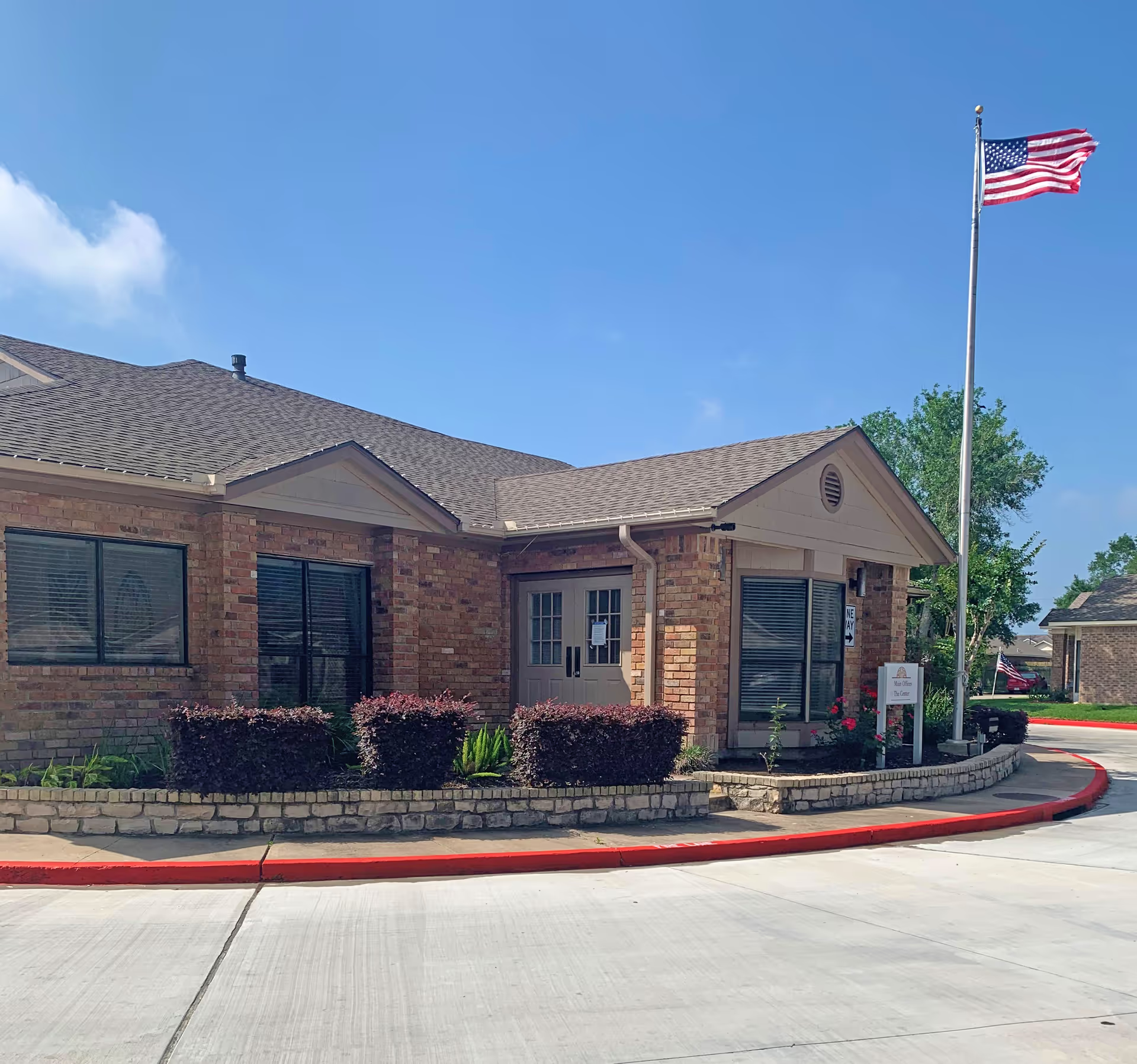
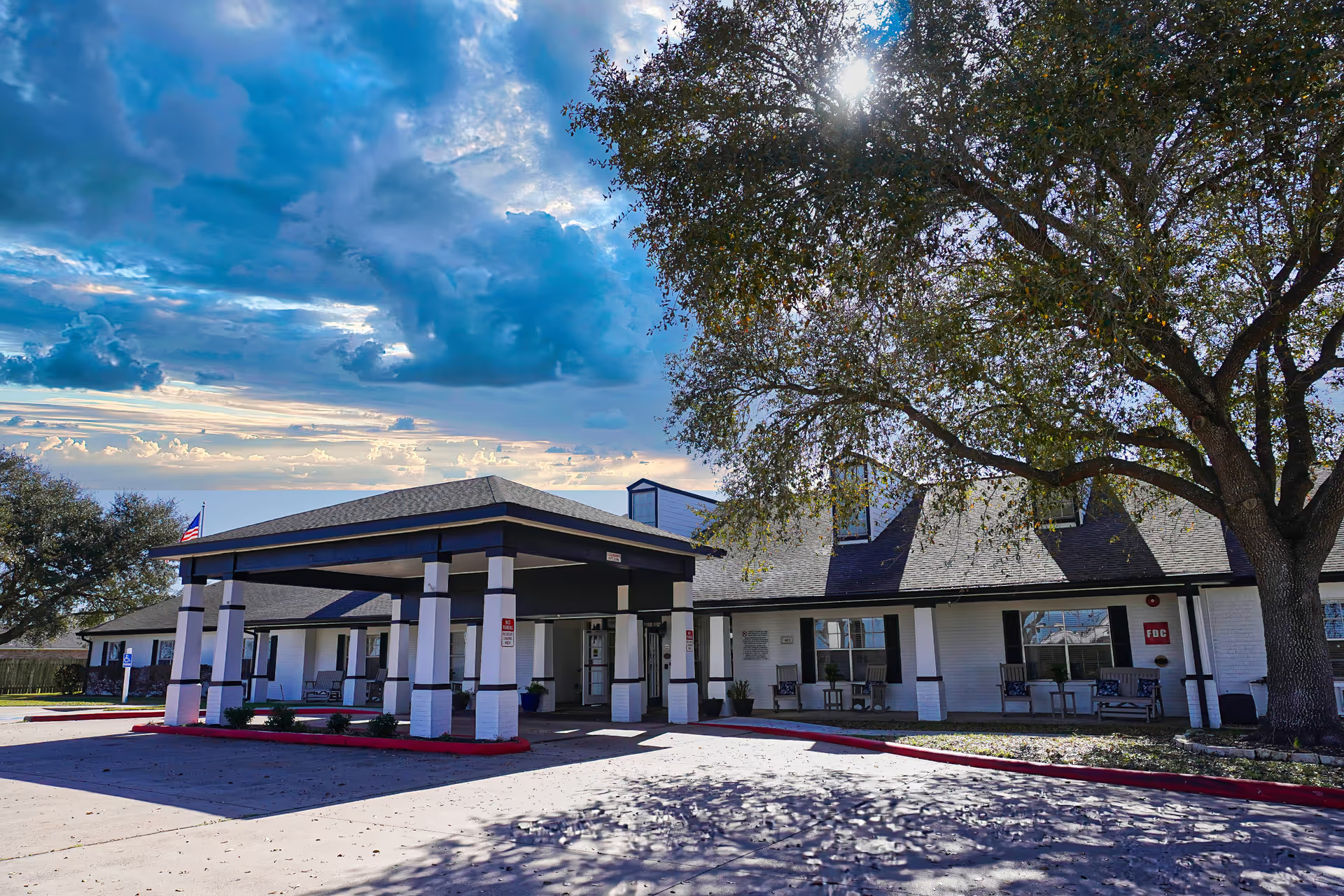
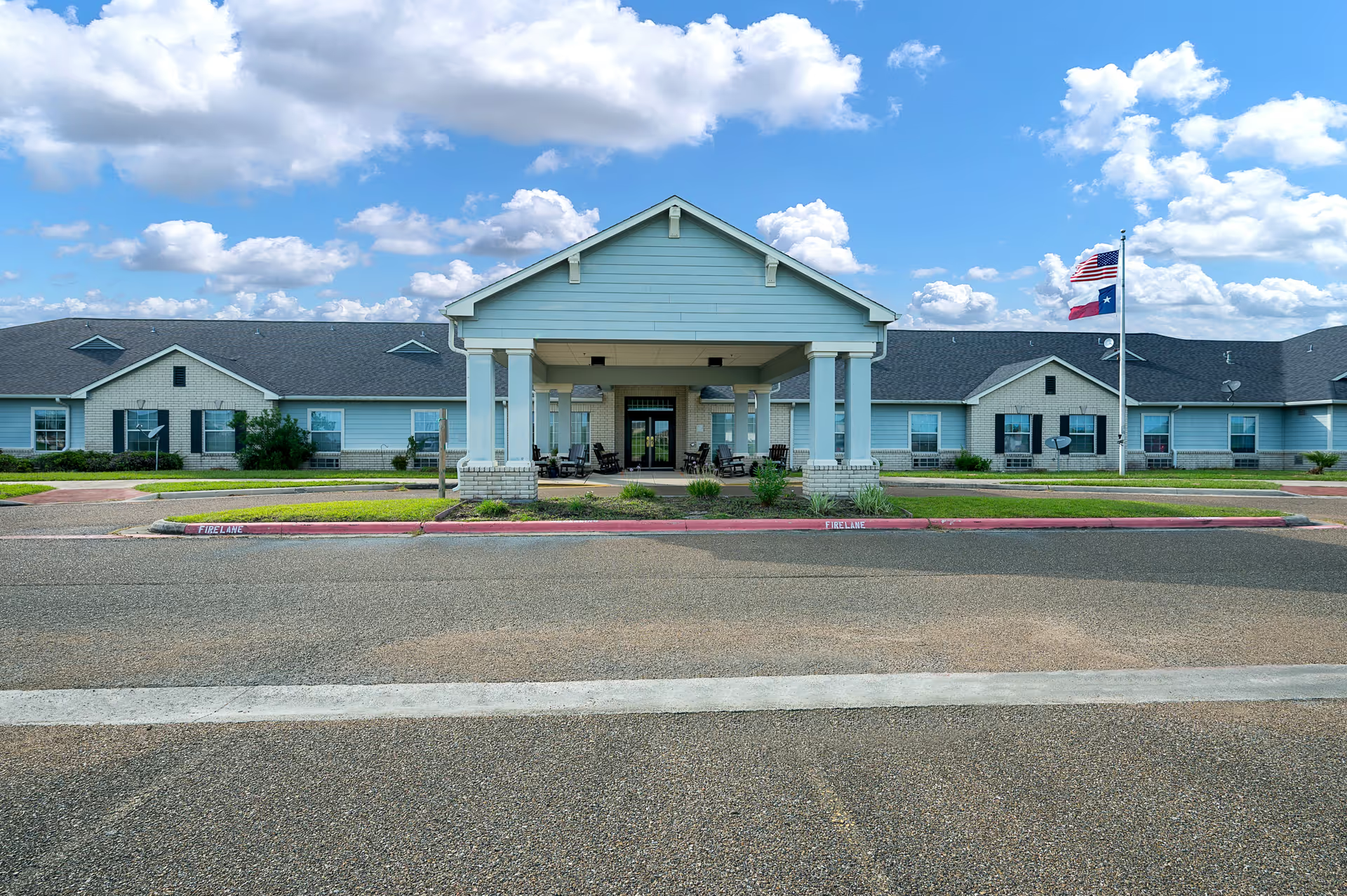
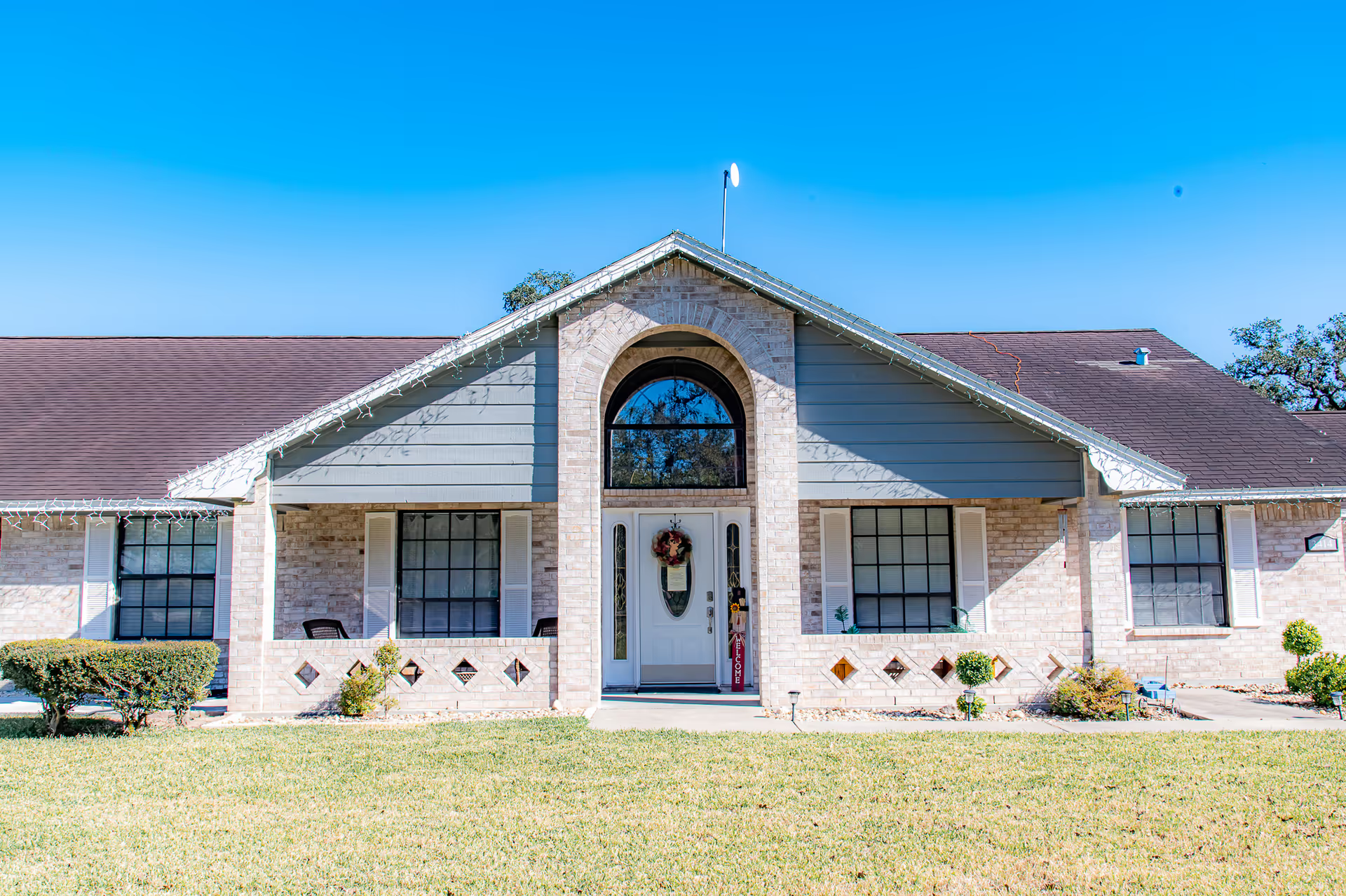
Facilities and management receive generally favorable remarks about cleanliness, maintenance, and the physical environment. Administration is identified by name by some reviewers who had positive interactions, suggesting accessible leadership in some cases. At the same time, concerns about complaint resolution and transparency — including questions about how quality information and ratings are produced — emerged and may merit attention from prospective families and regulators.
Overall, Southbrooke Manor appears to provide strong, person-centered care in many cases, backed by committed clinical and ancillary staff and a pleasant physical environment. However, recurring operational themes — understaffing-related delays, inconsistent medication and dining practices, variability in staff communication, and administrative transparency gaps — are important to investigate further. Prospective residents and families should ask for recent staffing ratios, medication-safety protocols, dietary procedures for special diets, examples of quality-assurance reporting, and how complaints are handled and escalated to ensure the facility’s strengths align with their priorities.