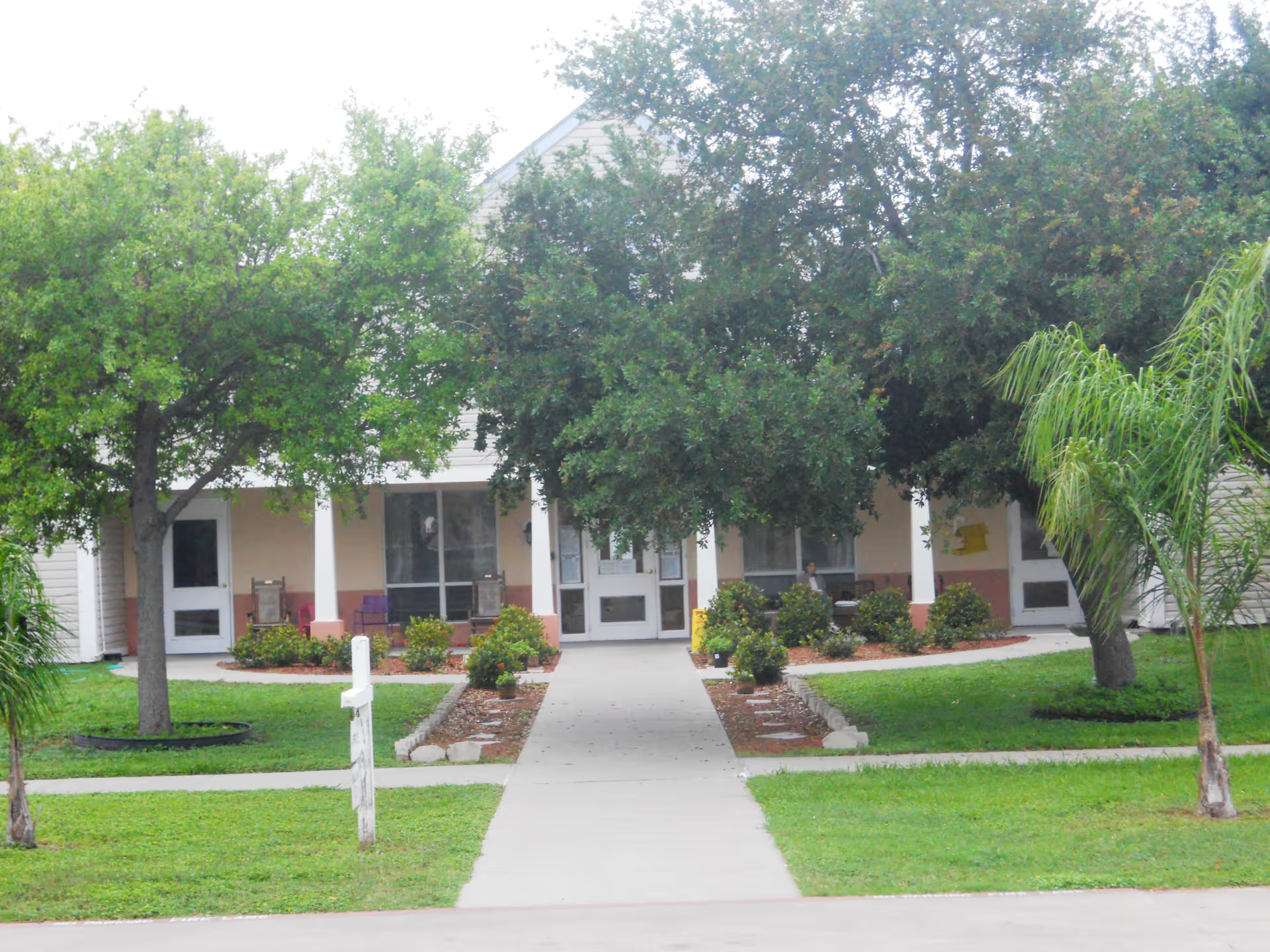
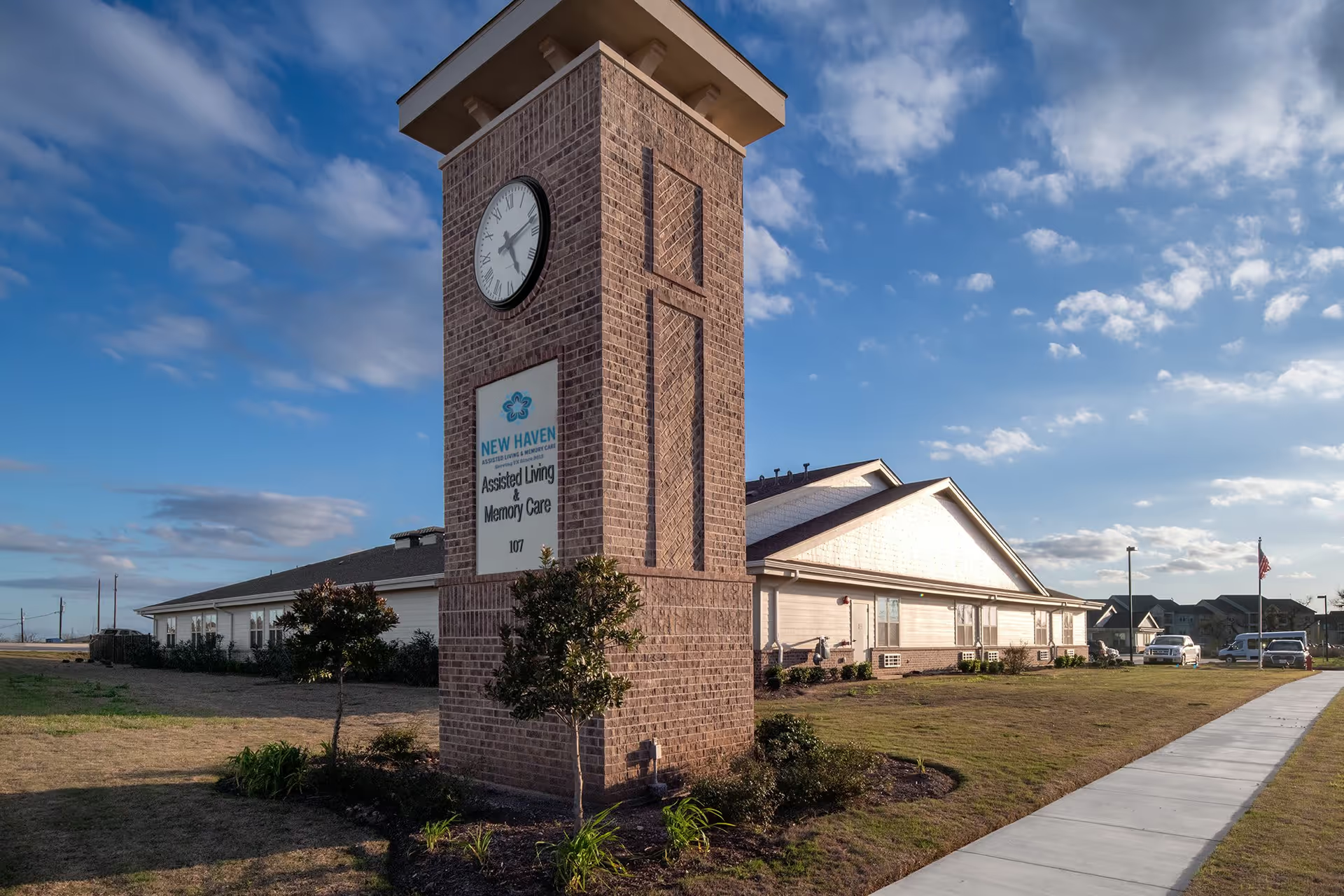
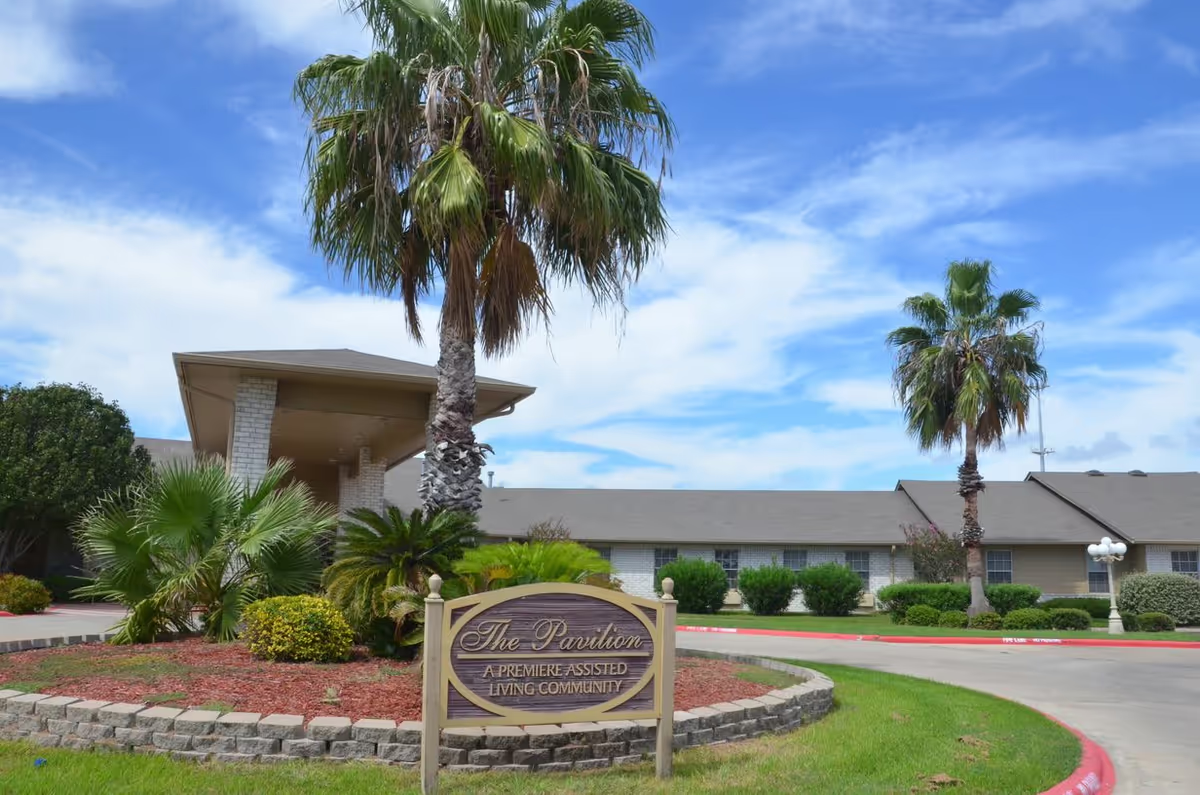
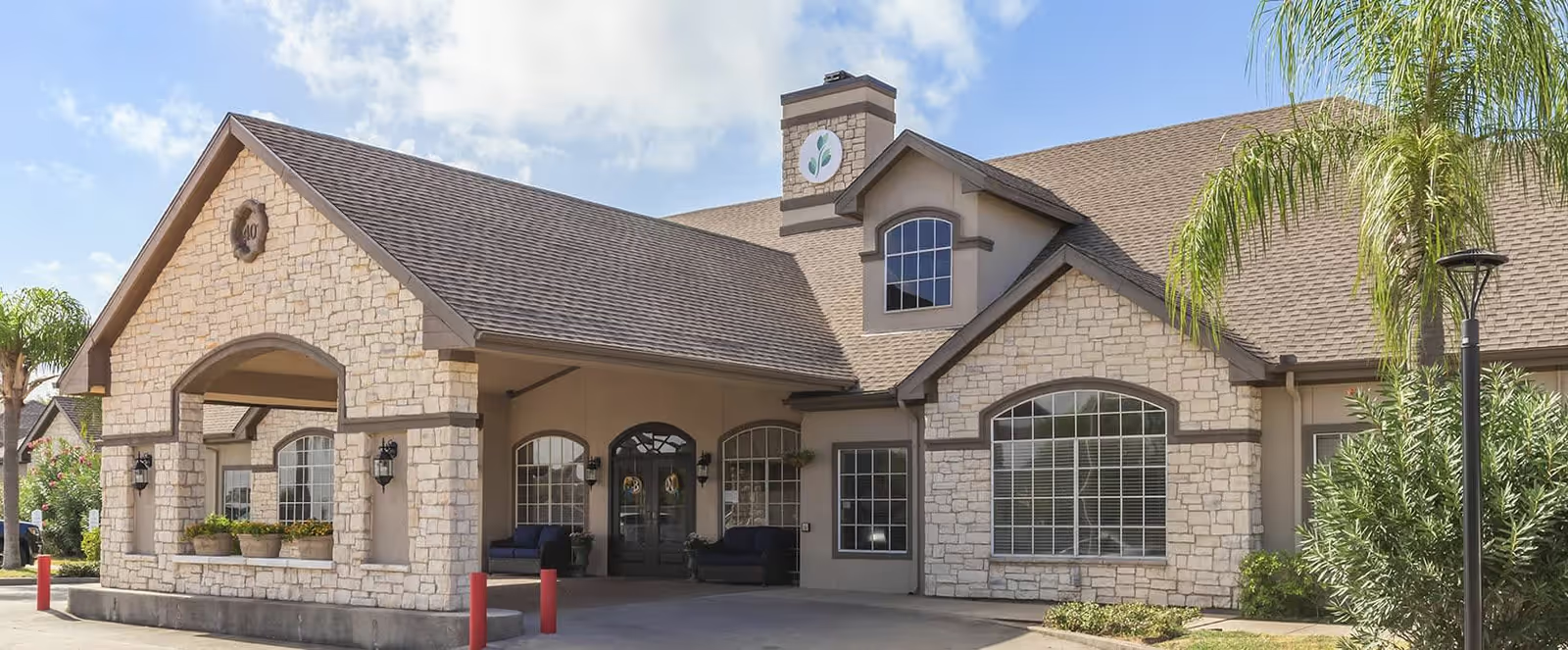
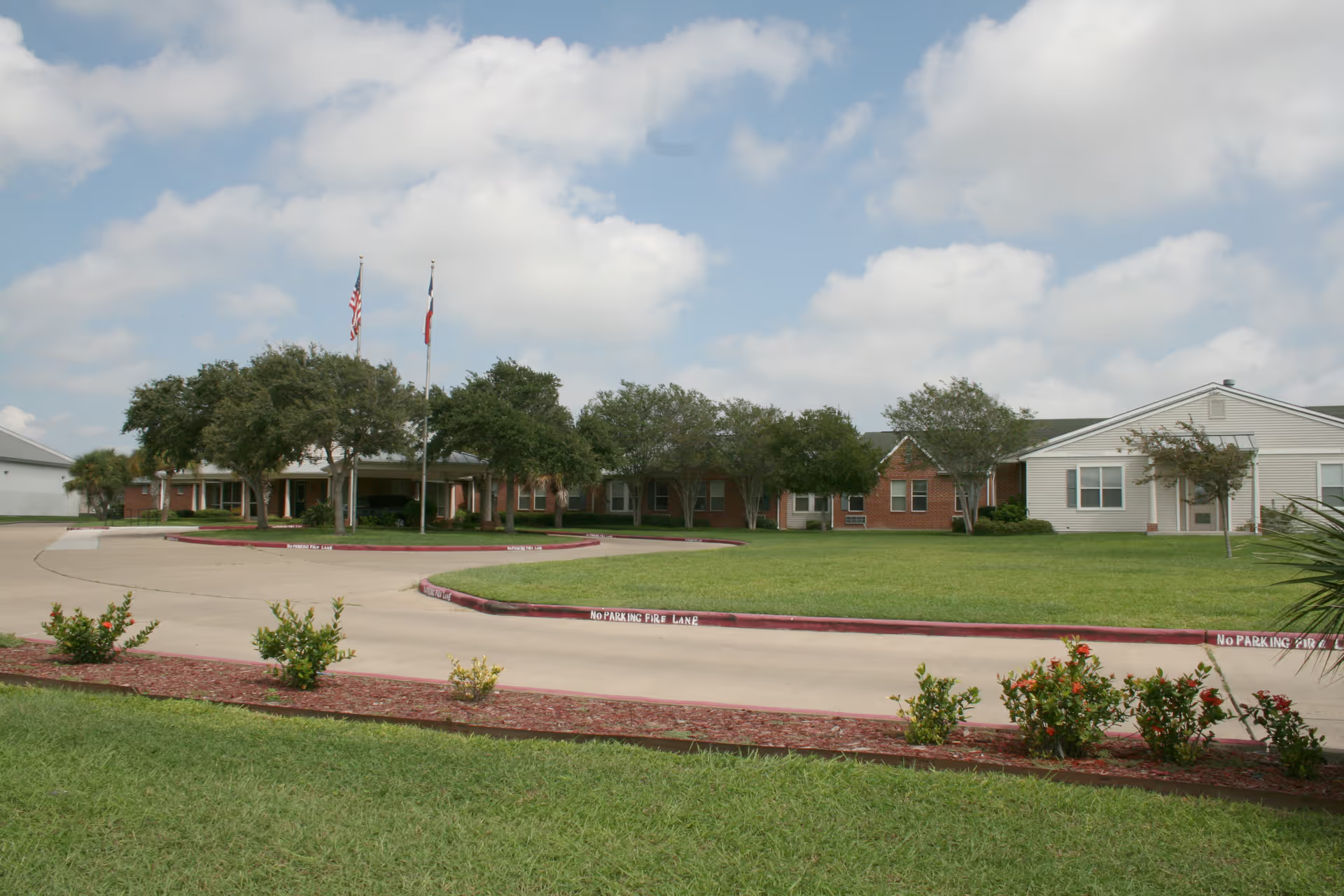
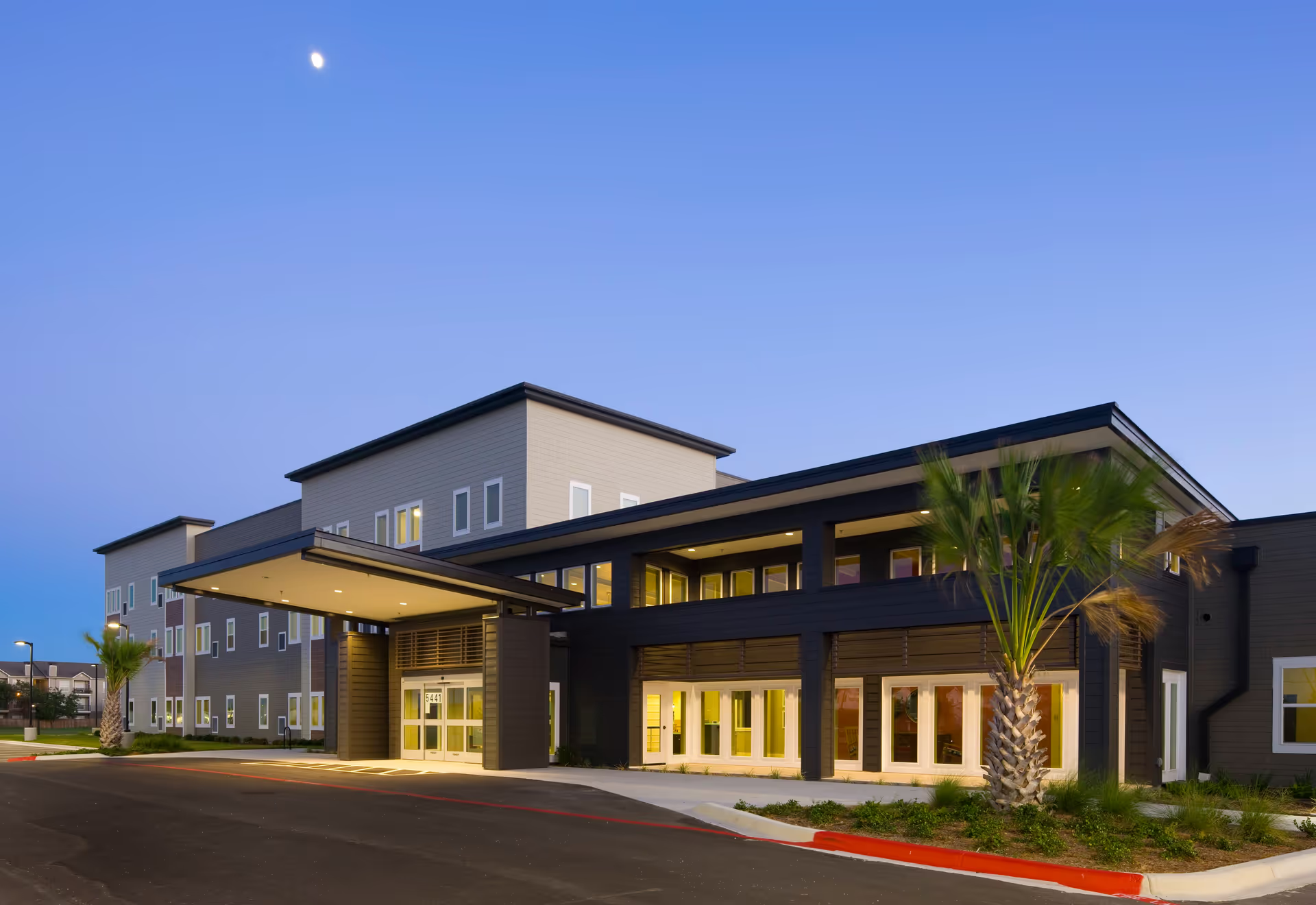
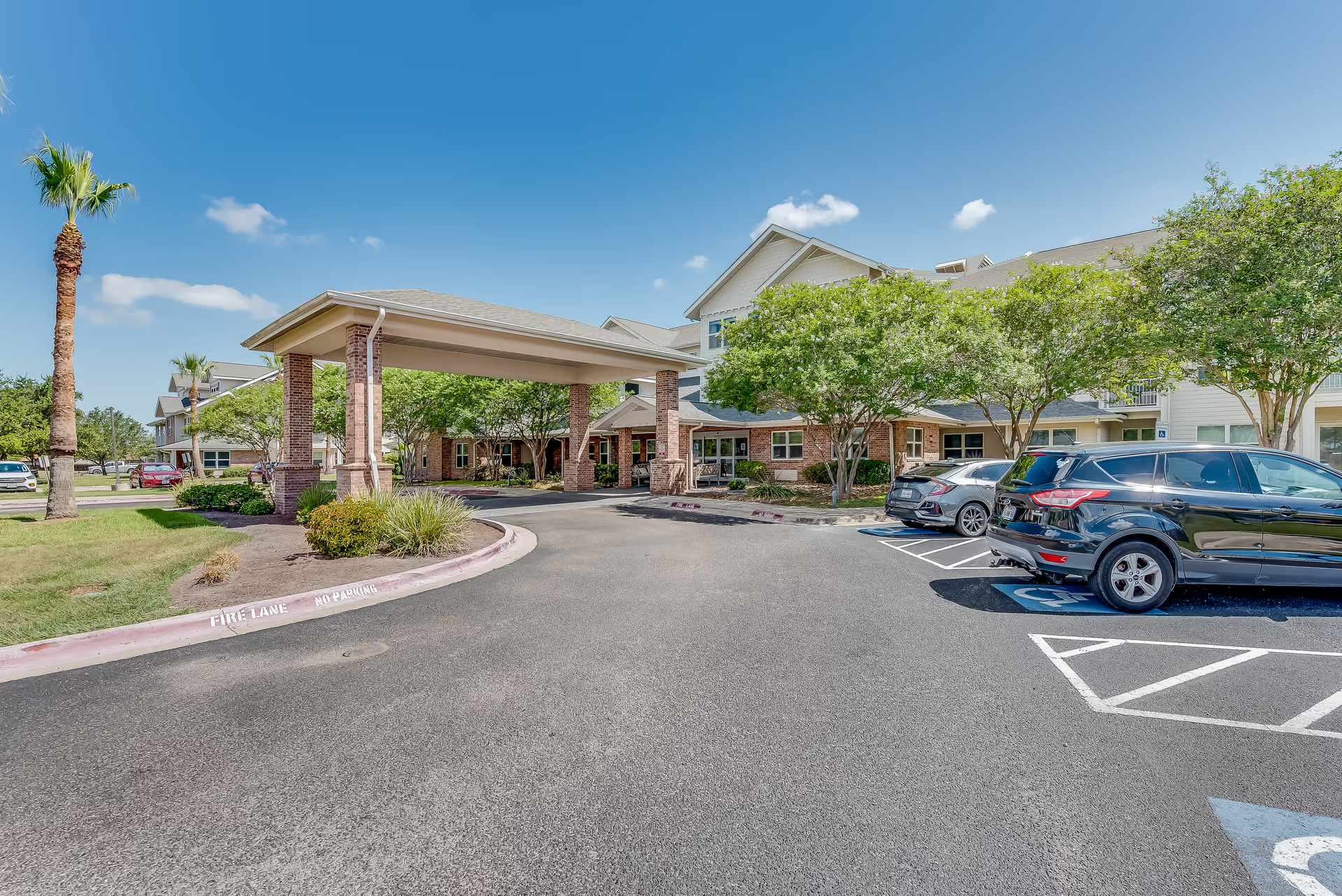
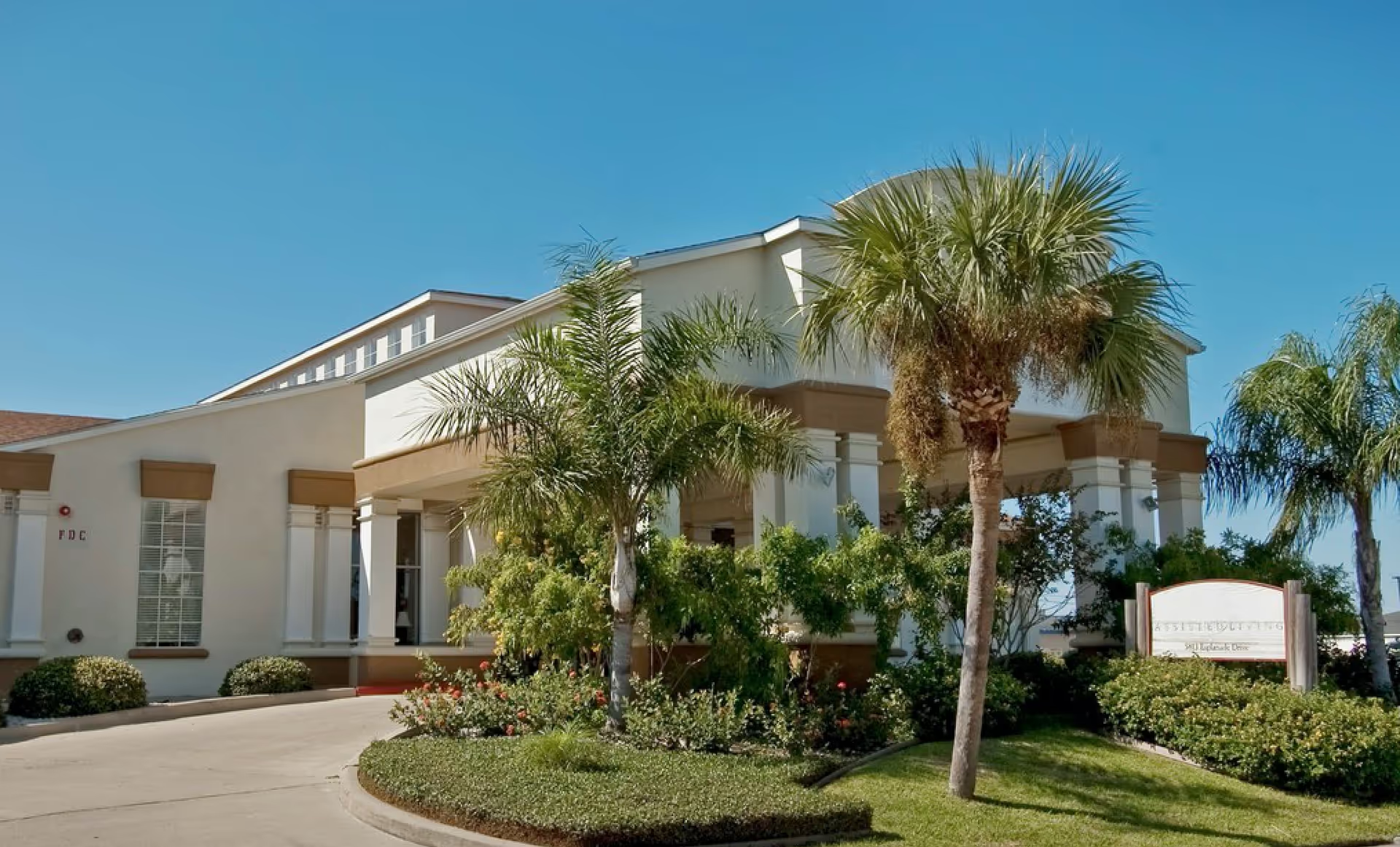
Live Oak Nursing and Rehabilitation Center elicits a mix of strong endorsements and notable operational concerns. The facility receives consistent praise for its rehabilitation services: reviewers describe outpatient and inpatient OT/PT as high-quality, individualized, and effective in restoring strength and independence. Several commenters singled out specific clinicians (for example, therapists named Sunni and Lettie) and emphasized that therapy staff are expert, patient, and make residents feel valued. These therapy outcomes appear to be a core strength of the facility and a primary reason families choose Live Oak for post-acute recovery.
Staffing and interpersonal care are generally described positively. Many families used words such as compassionate, professional, welcoming, and accommodating when describing nursing, therapy, and social-work staff. The social worker identified by name (Jamie Raspberry) received multiple commendations for clear communication and helpfulness, and other staff (including a nurse and a front-line staff member) were similarly praised. Reviewers also noted planned activities, on-site amenities, and favorable dining as contributors to a pleasant day-to-day experience for residents.
However, reviewers also raised facility-level operational concerns that prospective families should evaluate directly. Several accounts describe administrative and admissions-process delays, including an instance where an expected admission did not proceed as agreed; this suggests variability in admissions coordination. There are repeated notes about inconsistent responsiveness—examples include unanswered phones and slow responses to requests—indicating uneven availability or communication across shifts. One serious individual claim concerns medication-administration practices; given its nature, families should ask about medication protocols, supervision, and incident reporting during any tour or admission conversation. Reviewers also described gaps in family communication and clinical follow-up in some situations, even as other families praised clear updates from social-work staff.
In practical terms, Live Oak appears to offer strong rehabilitative care and a generally compassionate staff culture, supported by positive reports about therapy outcomes, specific staff members, activities, and meals. At the same time, administrative coordination, consistency of on-call responsiveness, and safeguards around medication administration emerged as recurring operational weaknesses. Prospective residents and family members would benefit from targeted questions about the admissions timeline, shift staffing and on-call procedures, medication-management policies, and how the facility communicates clinical issues to families before making a placement decision.