Overall impression: Courtyards at Lake Granbury presents a mixture of consistent strengths and recurring operational concerns. Many families describe a warm, home-like environment with engaged staff, active programming, and clean, well-maintained common areas. At the same time, a set of administrative and operational weaknesses — especially around staffing stability, communication, and care-plan documentation — appears frequently enough that prospective families should inquire directly about them.
Care and staff: Direct-care staff, nursing personnel, and med-techs are frequently characterized as caring, attentive, and competent. Reviewers regularly praised staff who provide one-on-one attention, aid with mobility, and adapt meals for dietary needs. The memory-care side receives particular commendation for its family atmosphere and consistent caregiving. However, there are repeated indications of uneven performance: high turnover and variable staffing levels contribute to inconsistent continuity of care and variable visibility of nursing staff on different shifts. Families should ask about staff-to-resident ratios, average tenure, and procedures for handoffs and care-plan access.
Clinical processes and safety: Several reviews point to gaps in care-plan documentation, family communication, and medication tracking. These are presented as systemic process weaknesses rather than single isolated complaints, and they can affect coordination with outside providers such as home-health agencies. Although safety features such as fall detectors and room monitoring are in place, questions remain about the reliability of medication administration workflows and the facility's use of surveillance systems.
Dining and services: The dining program receives mixed commentary. Many reviewers praised thoughtful meal accommodations, adaptive plating, and an initial chef-led menu with varied offerings. There are also numerous comments about food-quality inconsistency, sometimes linked to turnover among kitchen staff or leadership changes. Housekeeping, laundry, and maintenance are commonly described as responsive and effective, though a subset of families noted instances of misplaced clothing or inconsistent item handling that point to process improvement opportunities.
Activities and social life: Activity programming is a strong point. Reviewers frequently describe engaging, varied activities — music, crafts, outings, seasonal events, and a proactive activities director — which support resident engagement and community cohesion. Transportation services and off-site trips are also highlighted as valuable additions that reduce caregiver burden.
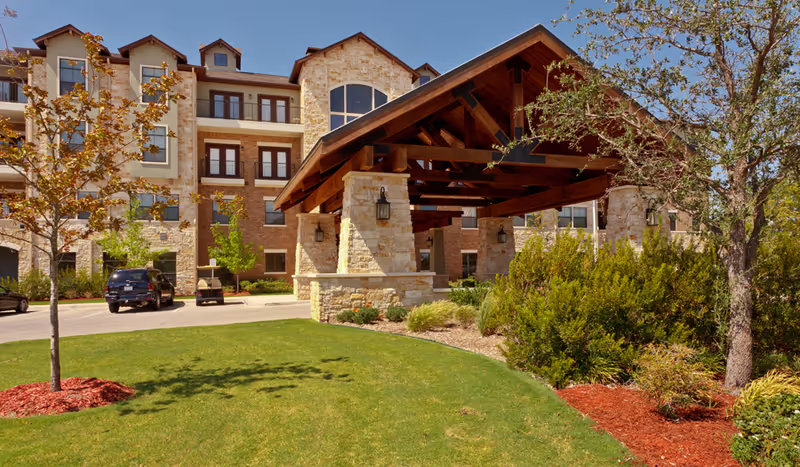
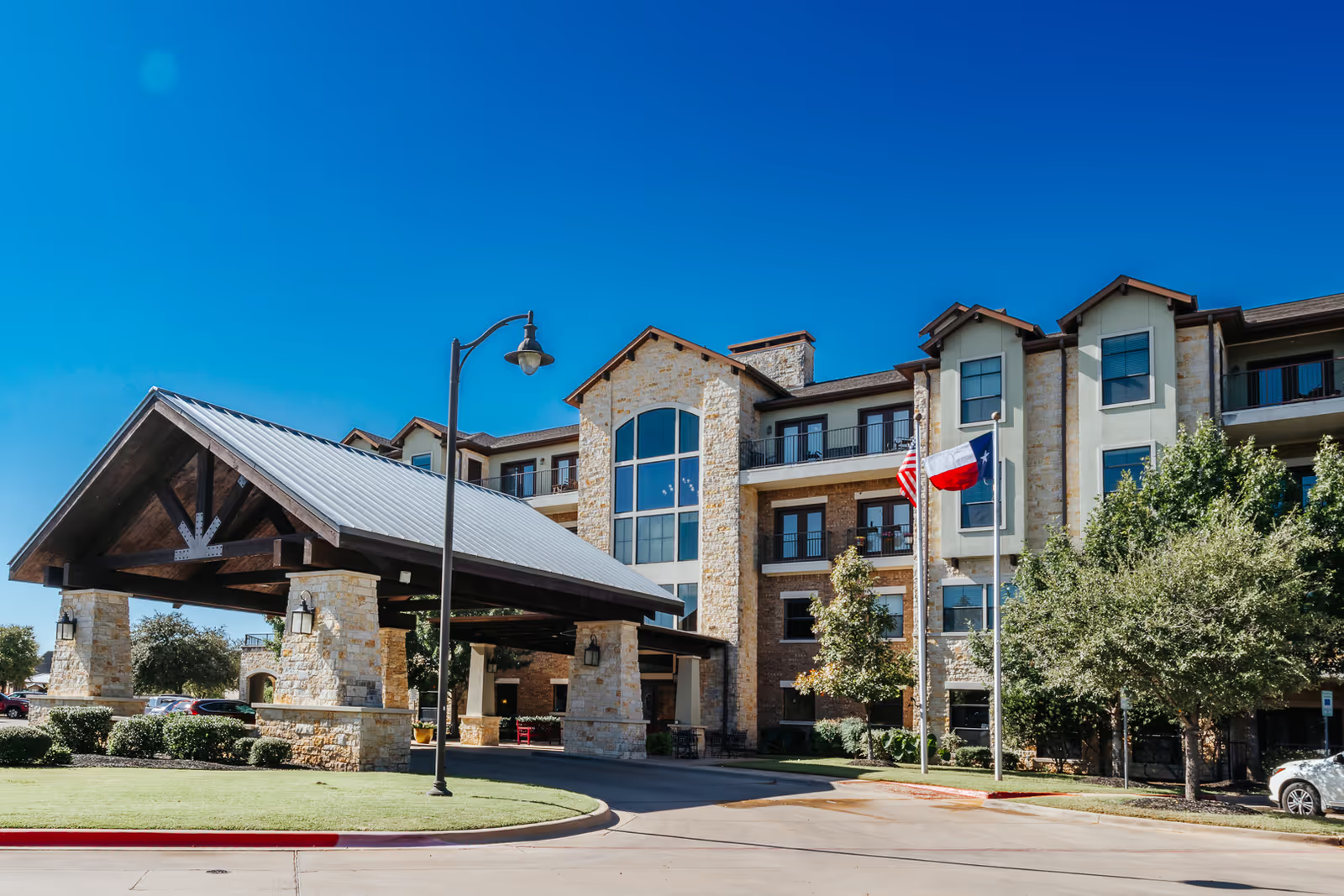
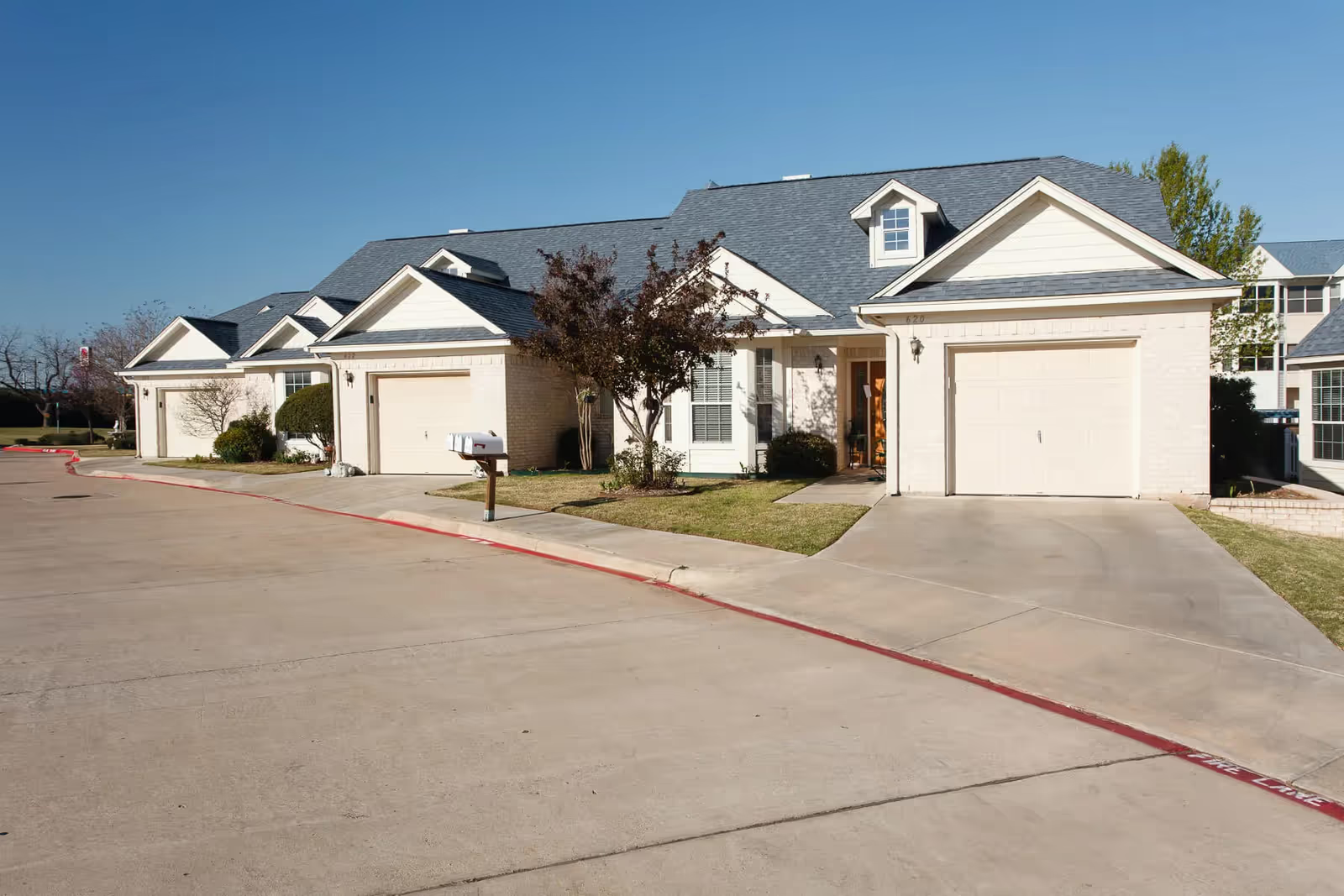
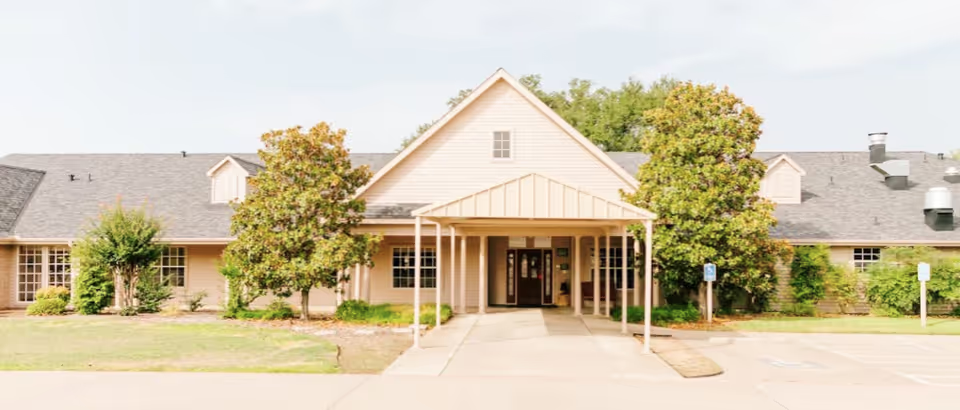
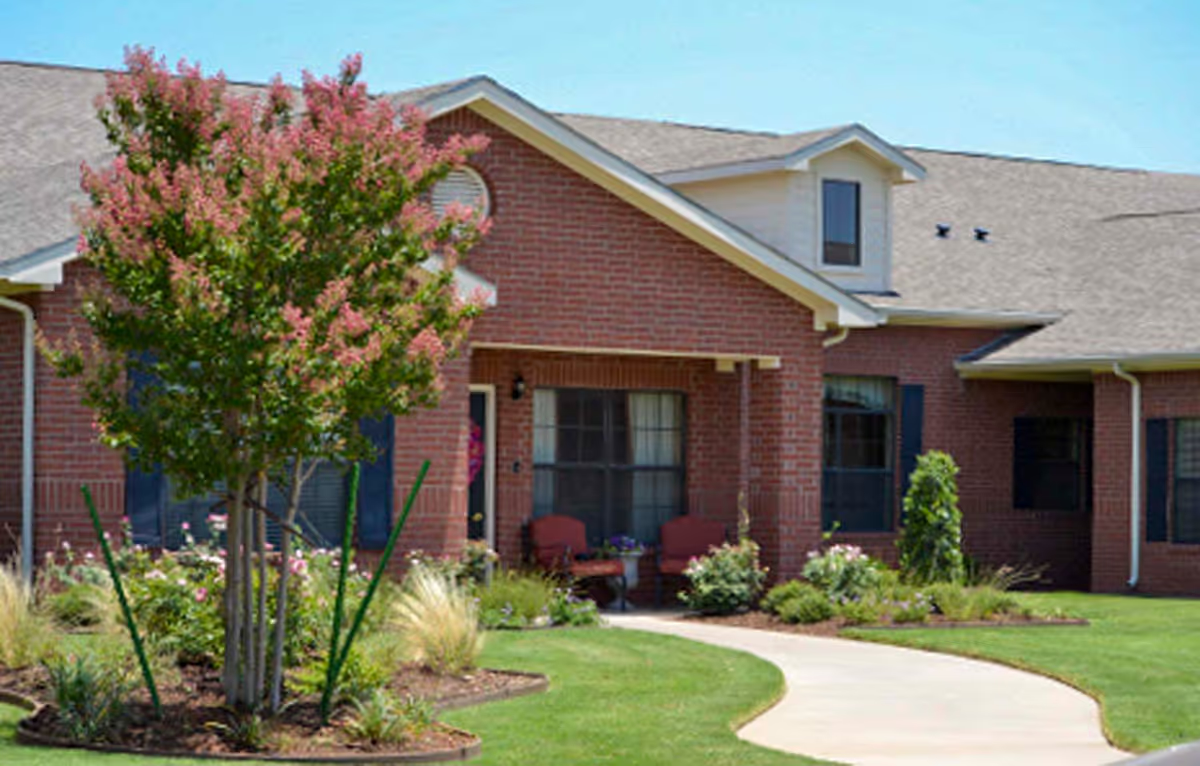
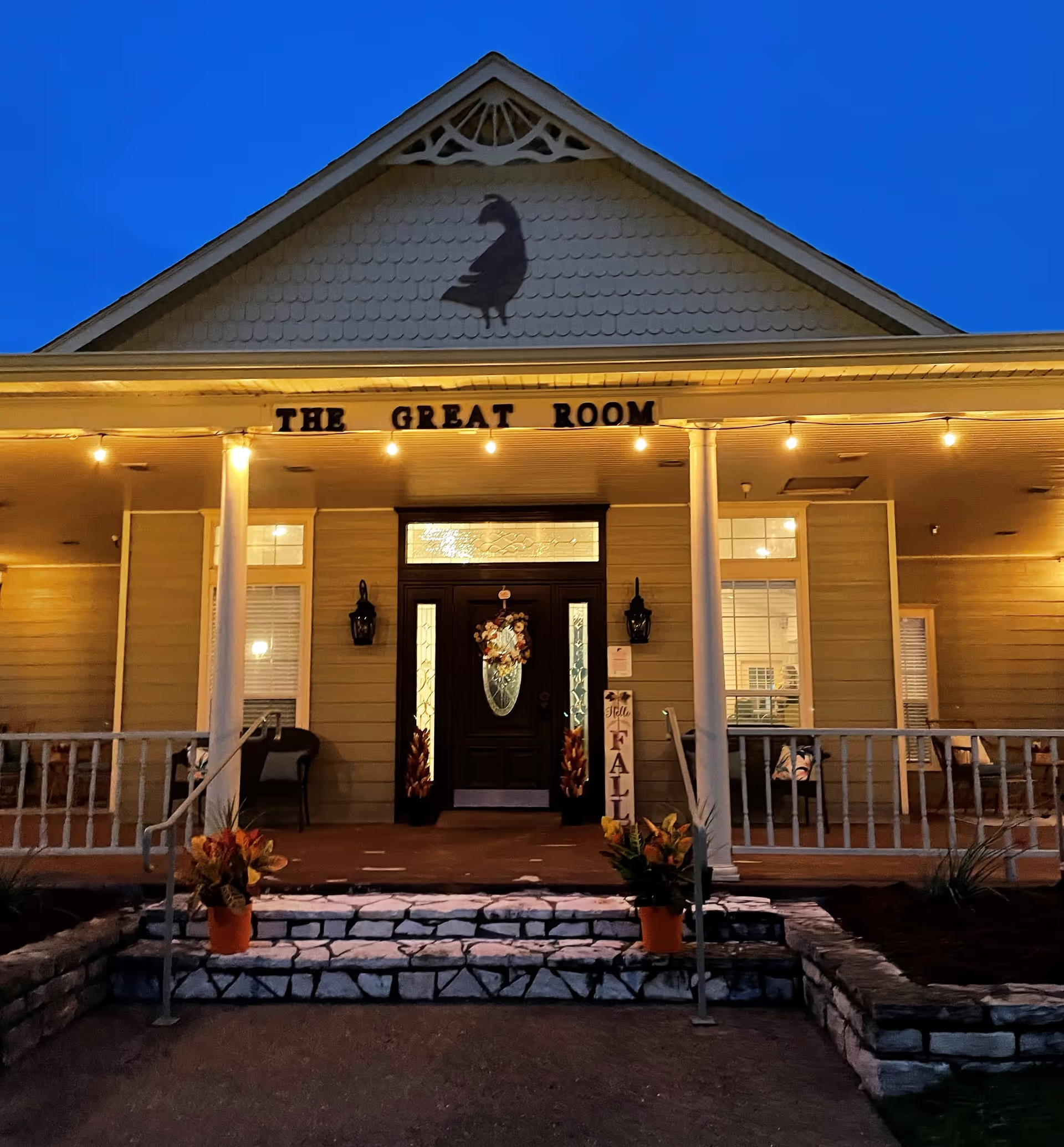
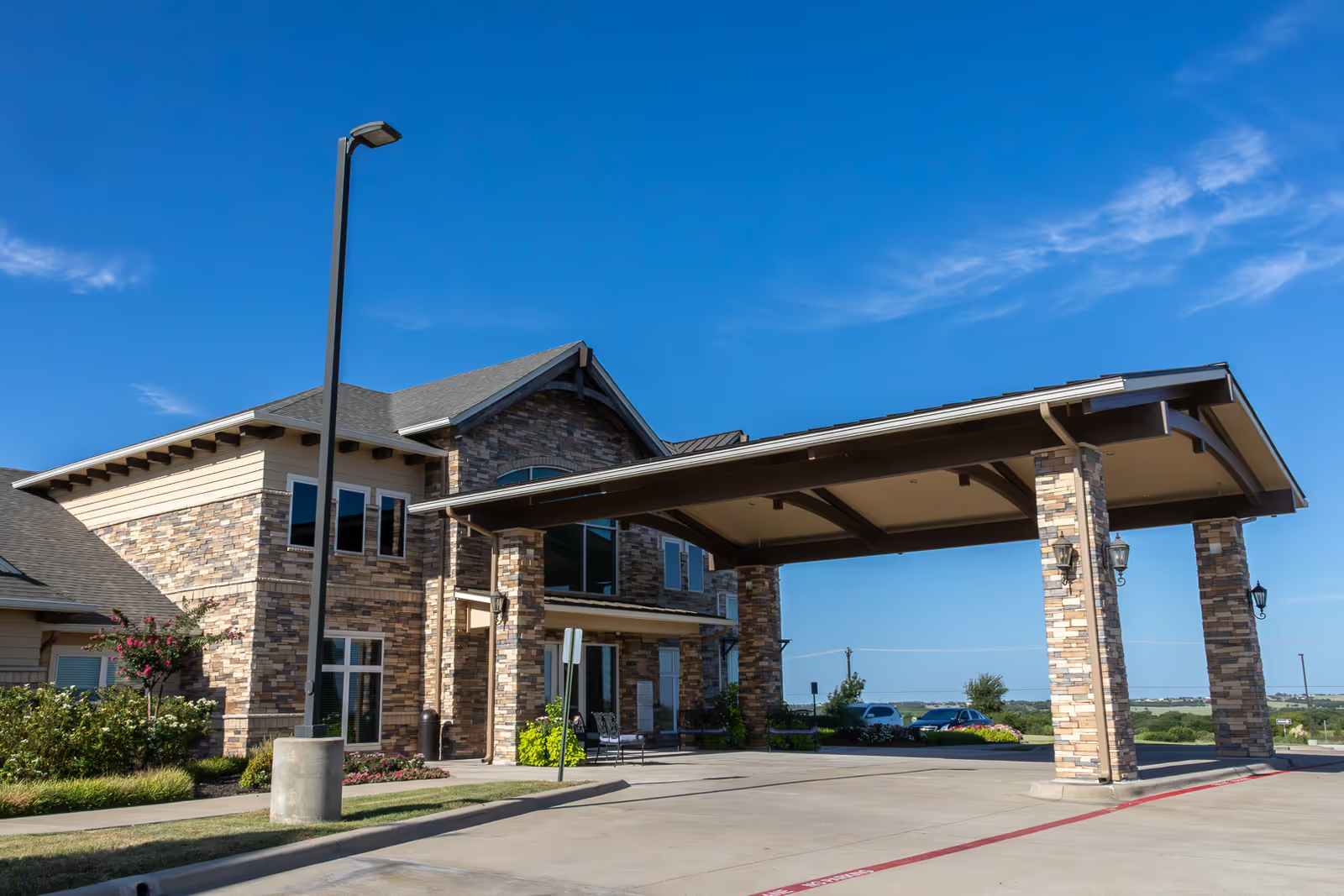
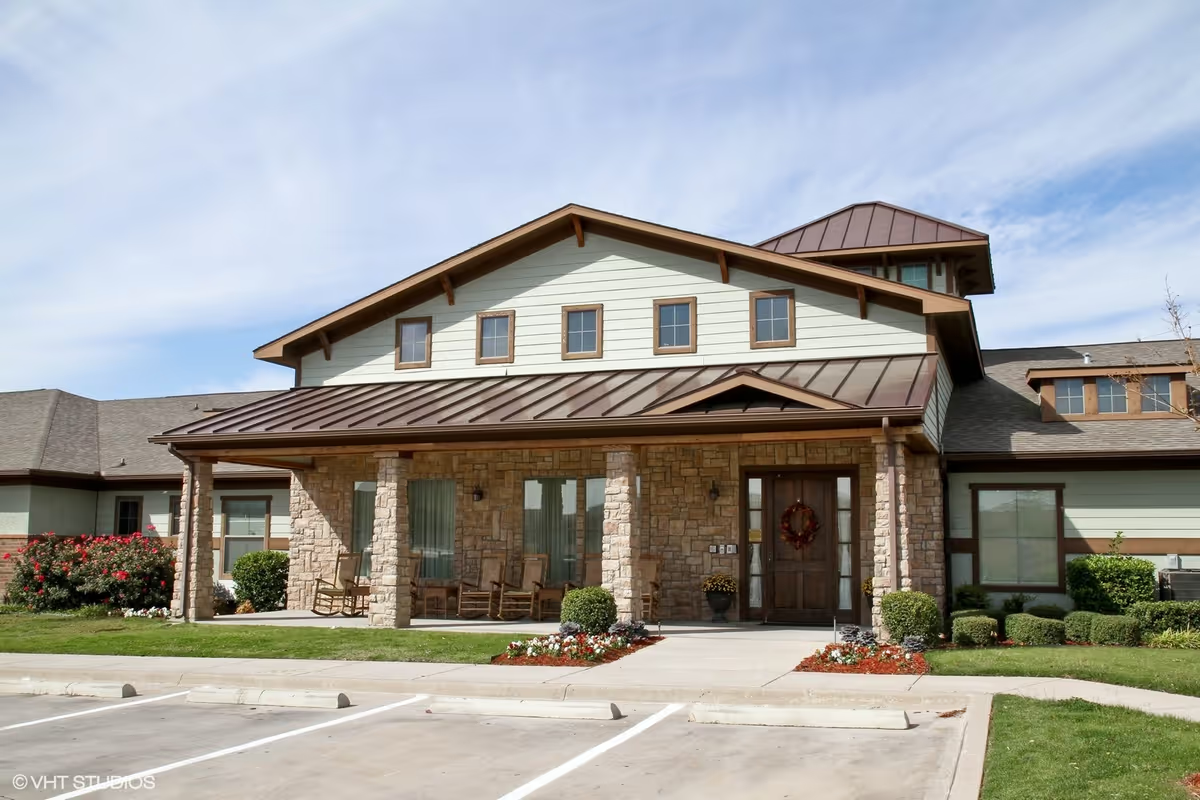
Facilities and amenities: The physical environment is generally described as clean, bright, and recently updated in common areas and dining spaces, with attractive courtyards and functional apartment layouts. Some units are noted as smaller or somewhat dated, and a number of comments referenced ongoing renovations. Technology infrastructure is a recurring weakness: antiquated internet service and underused or poorly implemented camera/security investments were mentioned.
Management, communication, and value: Administrative themes in the reviews are mixed. Positive notes include friendly front-desk staff and responsive office personnel. On the other hand, there are consistent concerns about billing transparency, retroactive charges, unmet promises from marketing or leadership, and variable responsiveness from administration. Leadership changes are visible in the feedback — some families report improved experience under new management, while others cited earlier negative experiences tied to prior administrators. Overall, many families view the community as good value for the price, but they advise clarifying fees, billing practices, and promised services before move-in.
Notable patterns and guidance for families: The strongest and most consistent positives are the caregiving staff, activity programming, and the clean, pleasant environment — particularly in the memory-care unit. The most consistently cited operational weaknesses are staffing instability, documentation and communication gaps, and inconsistent dining tied to kitchen staffing. A small number of reviews describe serious individual incidents involving administrative handling and safety; prospective families should ask directly about any such events, corrective actions taken, and current policies. Recommended pre-move questions include: current staffing ratios and turnover statistics, access to resident care plans and medication administration records, kitchen staffing and menu-planning continuity, billing and fee-disclosure practices, internet/technology availability, and how the community coordinates with external home-health providers.