Overall impression: The reviews show a facility with notable strengths in compassionate caregiving, rehabilitation and nursing services, and ongoing resident satisfaction, alongside specific operational weaknesses that have led to mixed experiences. Many comments praise the staff for warmth, emotional support and accessibility; other comments raise concerns about care consistency and safety. Prospective residents and families may find the facility appealing for its clean environment and proximity to Sabine County Hospital, but should be aware of variability in day-to-day clinical performance.
Care quality and safety: Clinical strengths cited include strong nursing and rehabilitation services and staff who establish a positive rapport with residents. At the same time, several comments imply variability in the quality of care across time or shifts. Patterns emerging from the negative accounts center on resident safety and routine care: there are indications of fall-related incidents and associated injuries, which point toward potential gaps in fall-prevention and transfer-safety practices. There are also references to inconsistent basic personal-care tasks, including oral-care routines. These are trait-level concerns about protocols and consistency rather than single isolated events.
Staff and management: The staff are repeatedly described as kind, helpful, reachable and emotionally supportive—qualities that families value, particularly during end-of-life situations. Staff accessibility and resident-focused interactions are clear strengths. Counterbalancing this, reviewers suggest uneven staff performance across shifts or units, which contributes to the perception of inconsistent care. Management appears to present well in terms of staffing visibility and responsiveness in many cases, but operational consistency (scheduling, clinical oversight, safety protocols) may require attention.
Dining and activities: There is limited direct commentary about dining quality in the provided summaries; reviewers did not emphasize meals either positively or negatively. Activities are present and scheduled—the facility maintains a calendar of events—indicating an active social program. The small, intimate setting may support personalized activity engagement, though crowding in rooms could limit in-room participation for some residents.
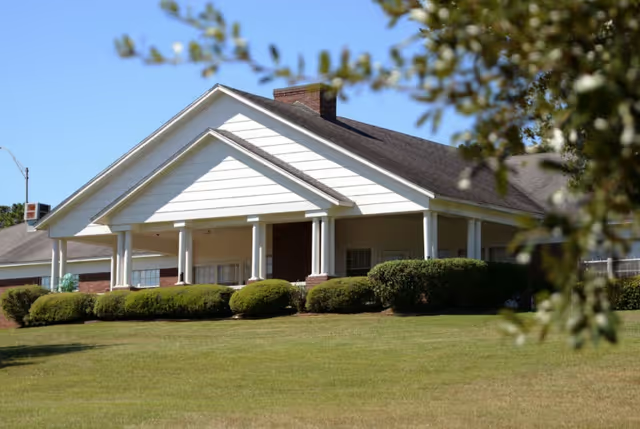
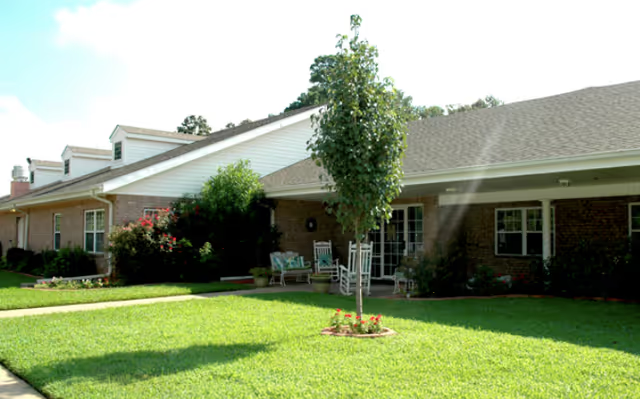
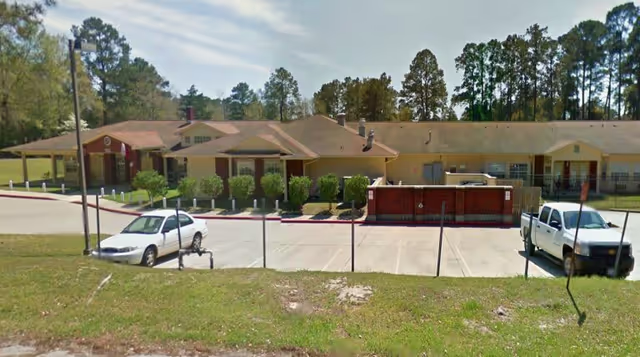
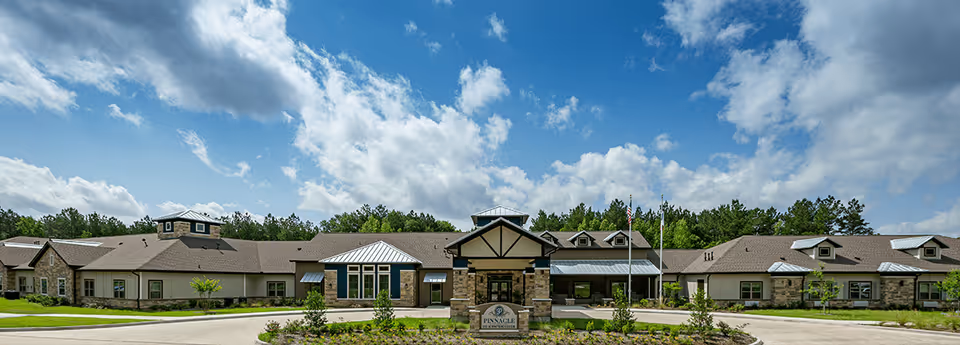
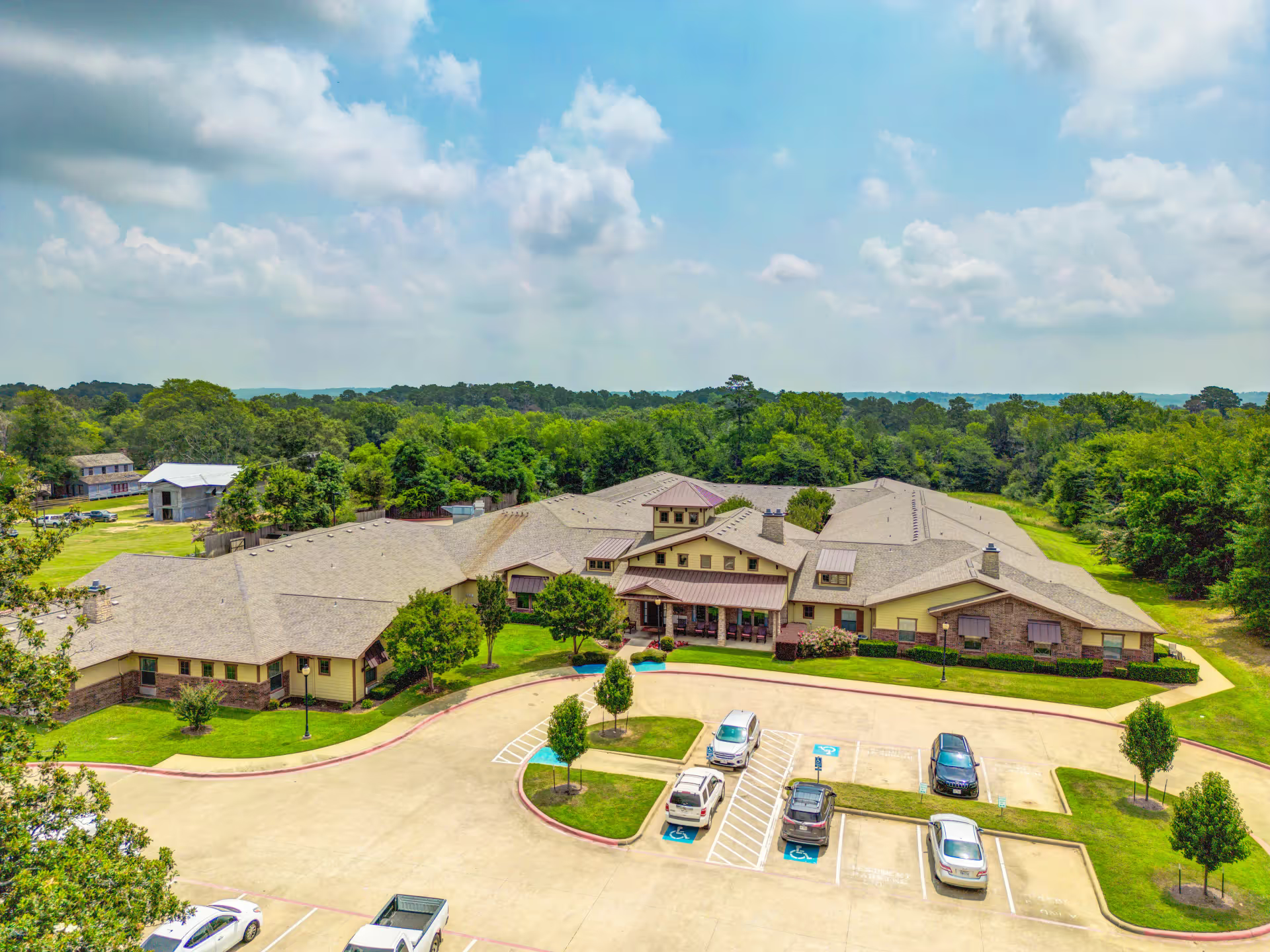
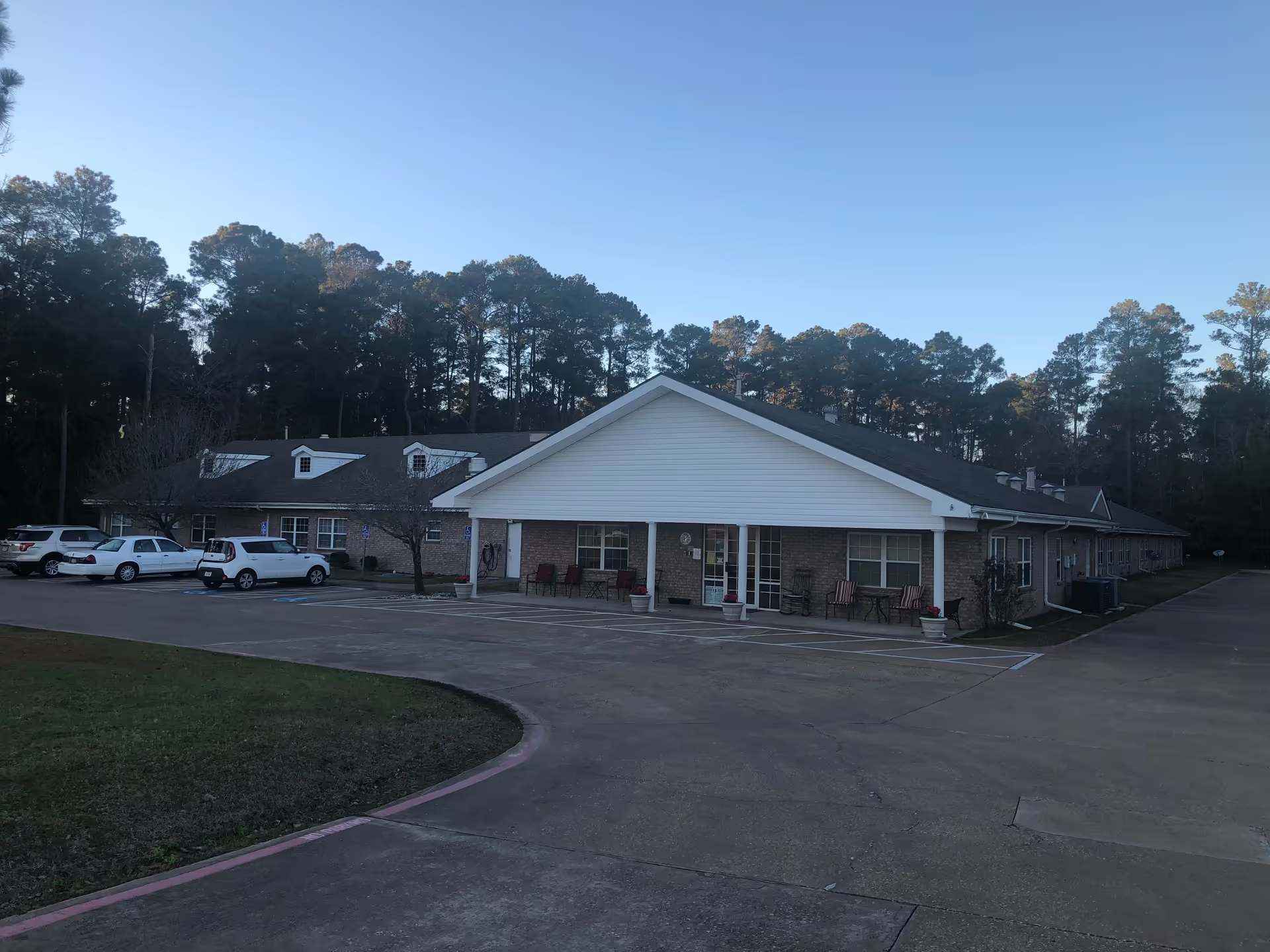
Facilities and location: The facility is described as extremely clean, which is a recurring positive. Physical constraints are noted: rooms are small and can feel crowded, which may affect privacy and storage. The site's proximity to Sabine County Hospital is an operational advantage for access to acute care. A recurring theme is an appearance-versus-care quality mismatch: the facility’s outward presentation and cleanliness can give a favorable first impression, but some families perceive that underlying clinical practices do not always match that appearance.
Notable patterns and guidance: Reviews are polarized—many long-term residents and families express strong satisfaction and a sense of continuity, while other accounts describe substantive concerns about safety and routine care. For decision-making, an in-person visit that includes questions about fall-prevention protocols, staffing patterns across shifts, oral and personal-care procedures, and room dimensions would help clarify whether the facility’s strengths align with an individual resident’s needs. Reviewing recent inspection records and asking for examples of how management addresses care inconsistencies may also be helpful in evaluating fit.