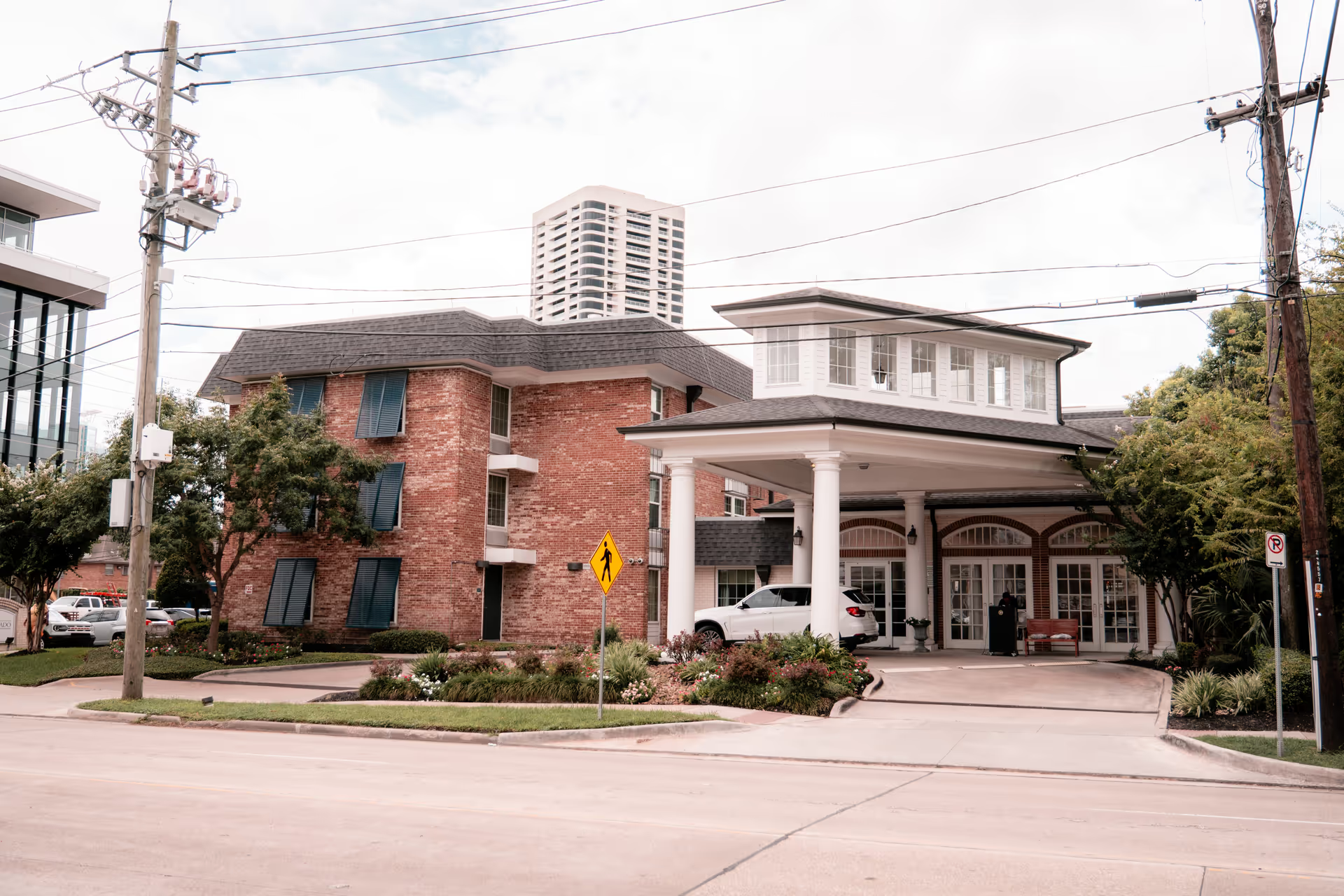
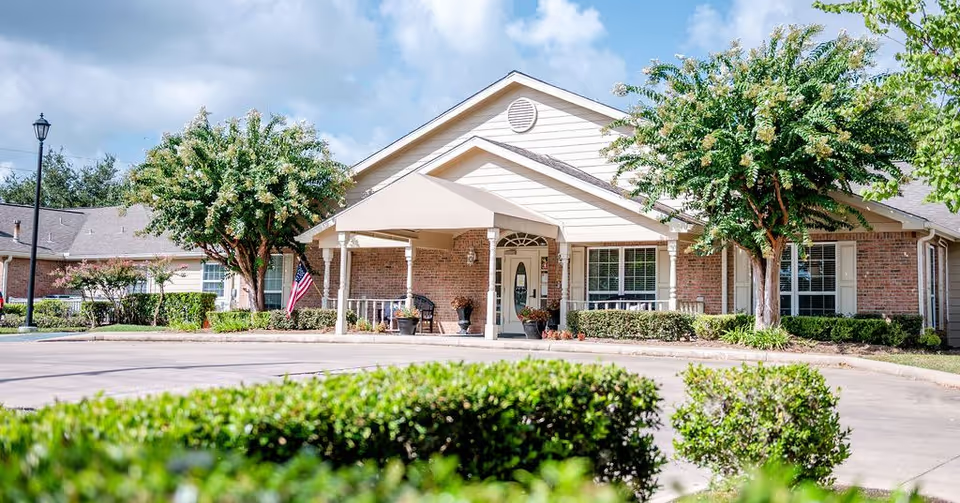
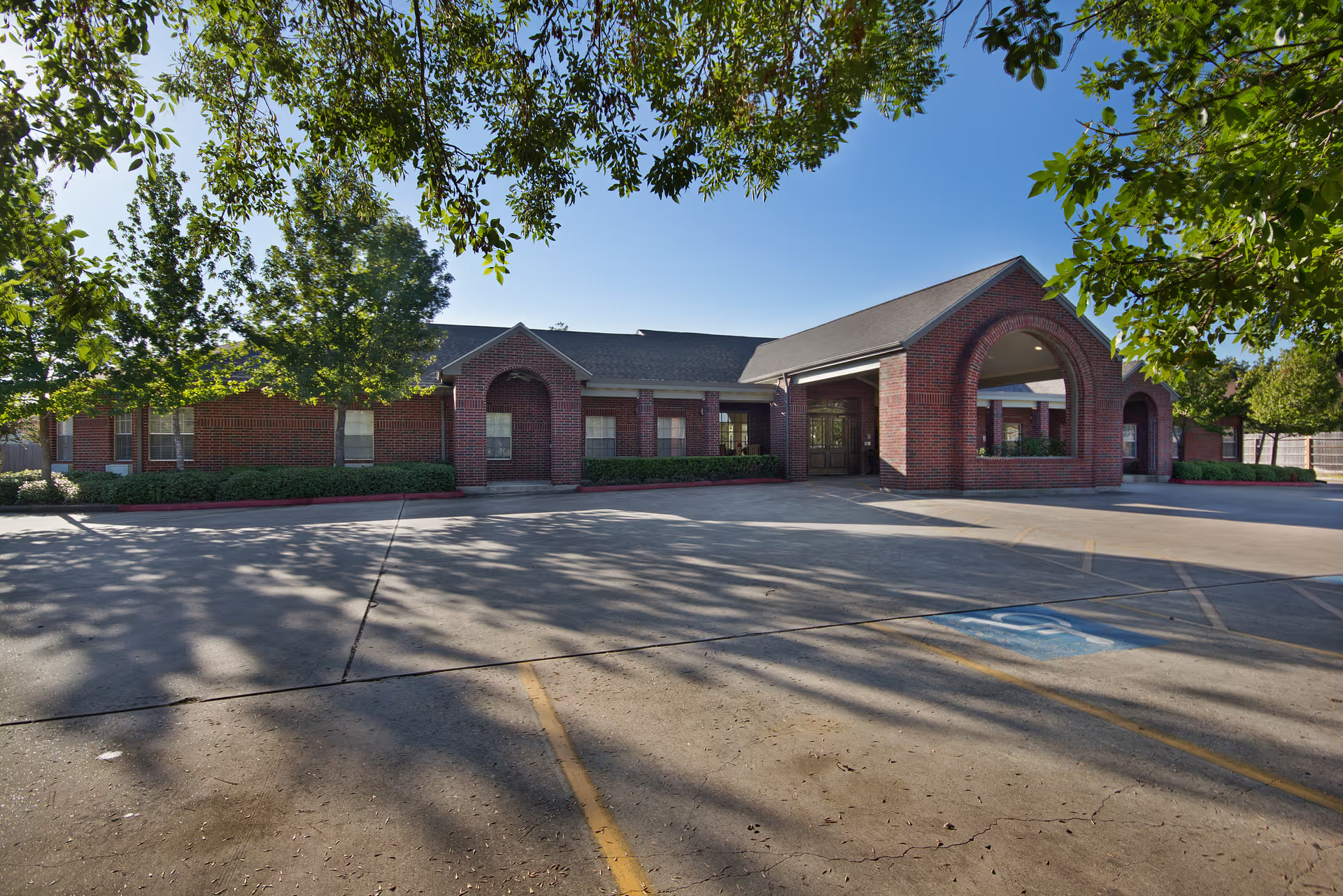
Reviewer accounts of Afton Oaks Healthcare and Rehabilitation Center show a wide range of experiences, with clear strengths alongside recurring operational weaknesses. Many families describe caring, compassionate direct-care staff and an admissions team that is patient and helpful. The facility offers rehabilitation and therapy services that several families credited with mobility improvements, and an active activities program that engages residents. A number of reviewers also praised recent renovations, clean common areas, an organized dining room, on-site dialysis, and coordinated hospice or hospital transitions.
At the same time, there are consistent themes of inconsistent clinical care and delayed responsiveness. Multiple accounts describe slow response to call lights and delayed attention to urgent situations; reviewers raised concerns about monitoring, emergency response, and occasional missed or late clinical interventions. Several families reported pressure injuries and health declines that they attributed to gaps in clinical oversight. There are also references to documentation and medication-administration issues that suggest weaknesses in clinical record-keeping and care coordination.
Sanitation and personal-care processes emerged as another cluster of concerns. While many reviewers found the building clean and noted improvements after renovations, others described sanitation and odor concerns in particular units, inconsistent bathing and linen-change schedules, and incontinence-care delays. These operational inconsistencies were frequently linked by families to staffing shortages and high patient loads; reviewers often contrasted attentive daytime staff with thinner nighttime coverage and antiquated call systems.
Dining and activities receive mostly positive remarks: meals are described as generally acceptable and the activity department is frequently commended for engaging programming. That said, some families noted inconsistent assistance at mealtimes (limited help cutting food or feeding), repetitive menu items, and occasional lapses in dining service continuity.
Management and leadership impressions are mixed. Several families praised responsive administrators, a hands-on Director of Nursing, and improvements tied to recent management changes or renovations. Others described leadership instability, high staff turnover, poor phone responsiveness, and perceived scheduling opacity. There are also serious claims in some accounts—including allegations of staff misconduct and concerns that prompted calls for external regulatory review—which merit attention from oversight bodies and prospective families.
Overall, Afton Oaks appears to provide strong rehabilitation and family-facing services in many cases, supported by compassionate caregivers and an improving physical environment. However, reviewers also document significant variability in day-to-day clinical oversight, staffing coverage (especially at night), sanitation and personal-care consistency, and administrative follow-through. Prospective residents and families should consider scheduling a tour, asking specific questions about staffing levels by shift, incident and documentation protocols, emergency response processes, and how the facility monitors pressure-injury prevention and incontinence care. If possible, speak with the current Director of Nursing about recent corrective actions and inquire about outcome metrics that the facility tracks to address the recurring concerns described above.