The reviews portray a facility with clear strengths in resident engagement and person-centered caregiving, especially in memory care. Many families describe compassionate, attentive caregivers and an activities department that provides frequent, meaningful programs — outings, field trips, games, music, and themed events are frequently noted. Reviewers repeatedly single out specific activity leaders and cite that strong programming contributes to socialization and resident well-being. Several accounts also highlight successful transitions into the community, hospice support, and positive long-term relationships between residents and long‑standing staff.
Care quality descriptions are mixed but contain consistent themes. Positive comments emphasize staff who know residents by name, provide hands-on assistance with ADLs, and create a warm, home-like environment. At the same time, there are recurring operational concerns that families should weigh: chronic staffing shortages and high turnover, variable training and professionalism among newer hires, and noted delays in responsiveness during peak times. These staffing patterns are tied in several reviews to slower response times and occasional lapses in routine tasks such as laundry handling and assistance at meals.
Dining and nutrition evoke divergent impressions. Many reviewers praise specific meals and describe varied menus, well-plated entrees, and staff willingness to accommodate dietary preferences. Conversely, others describe inconsistent food quality, a preference for more fried or starch-heavy options, limited diabetic/therapeutic choices, and the absence of an on-site dietician. Families should clarify therapeutic-diet availability and menu flexibility during a tour if medical diets are required.
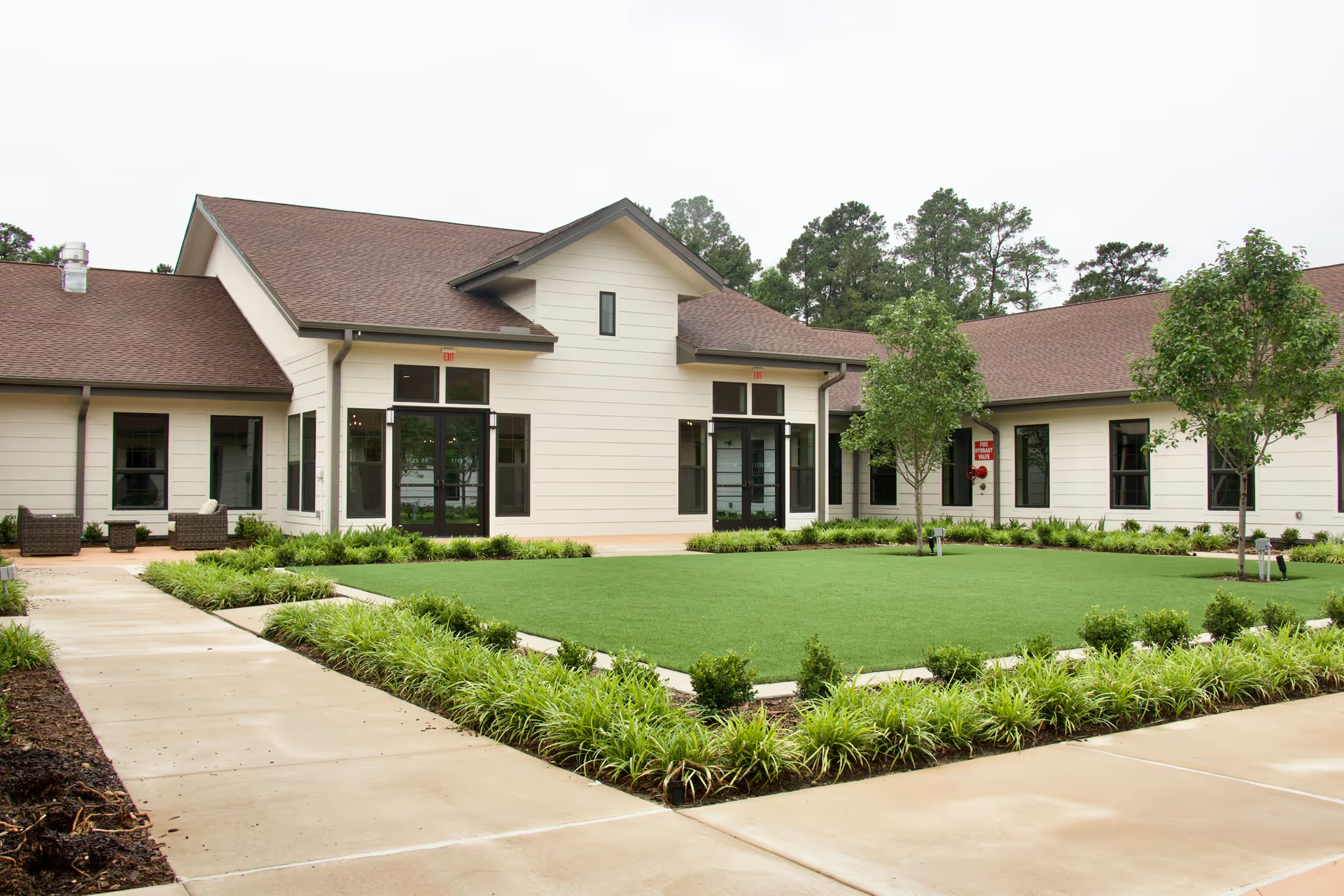
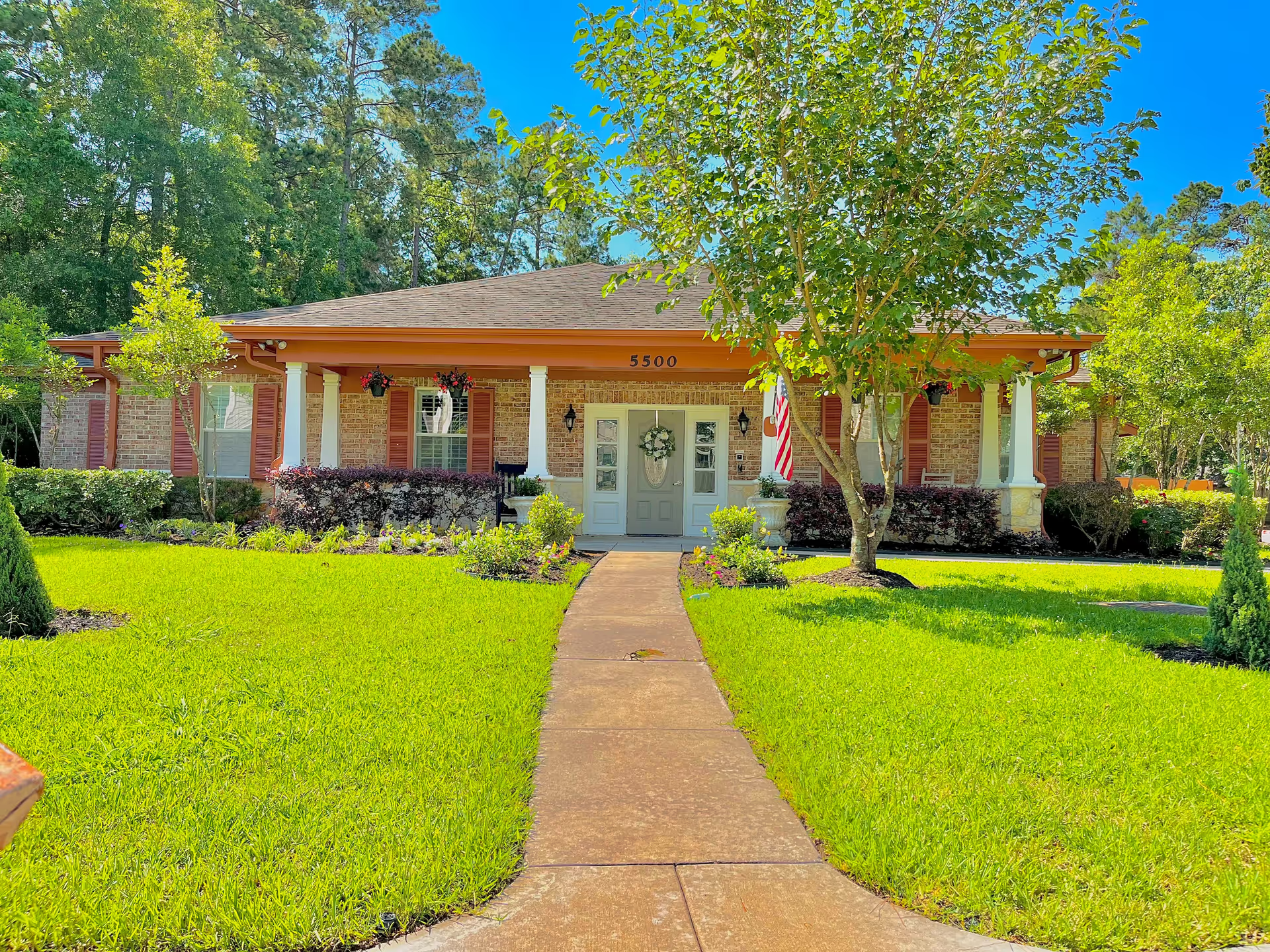
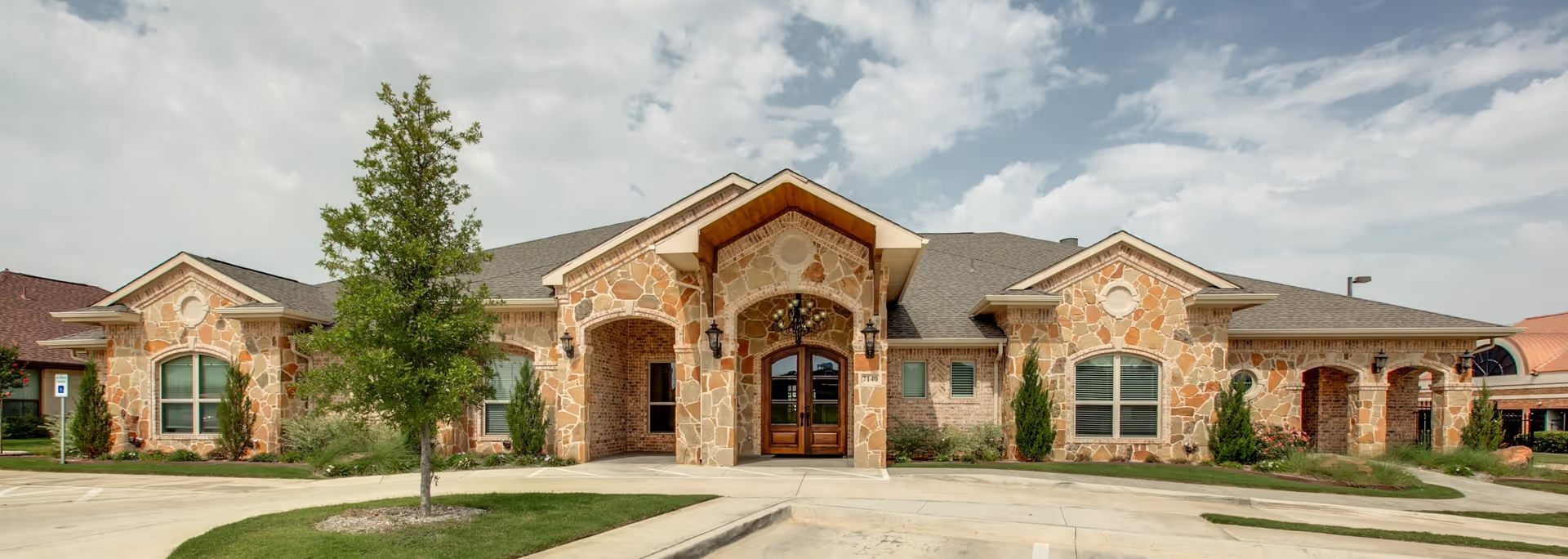
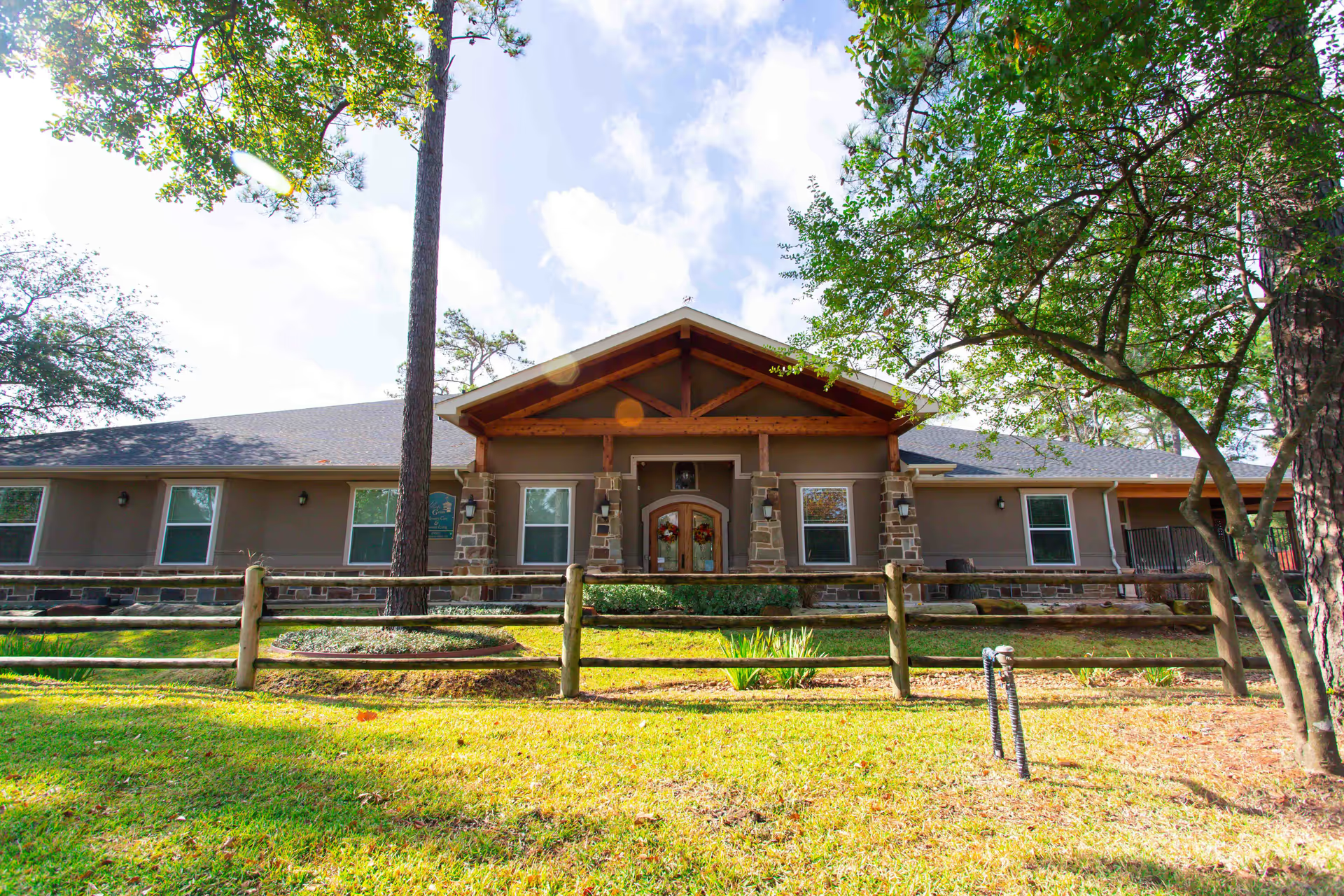
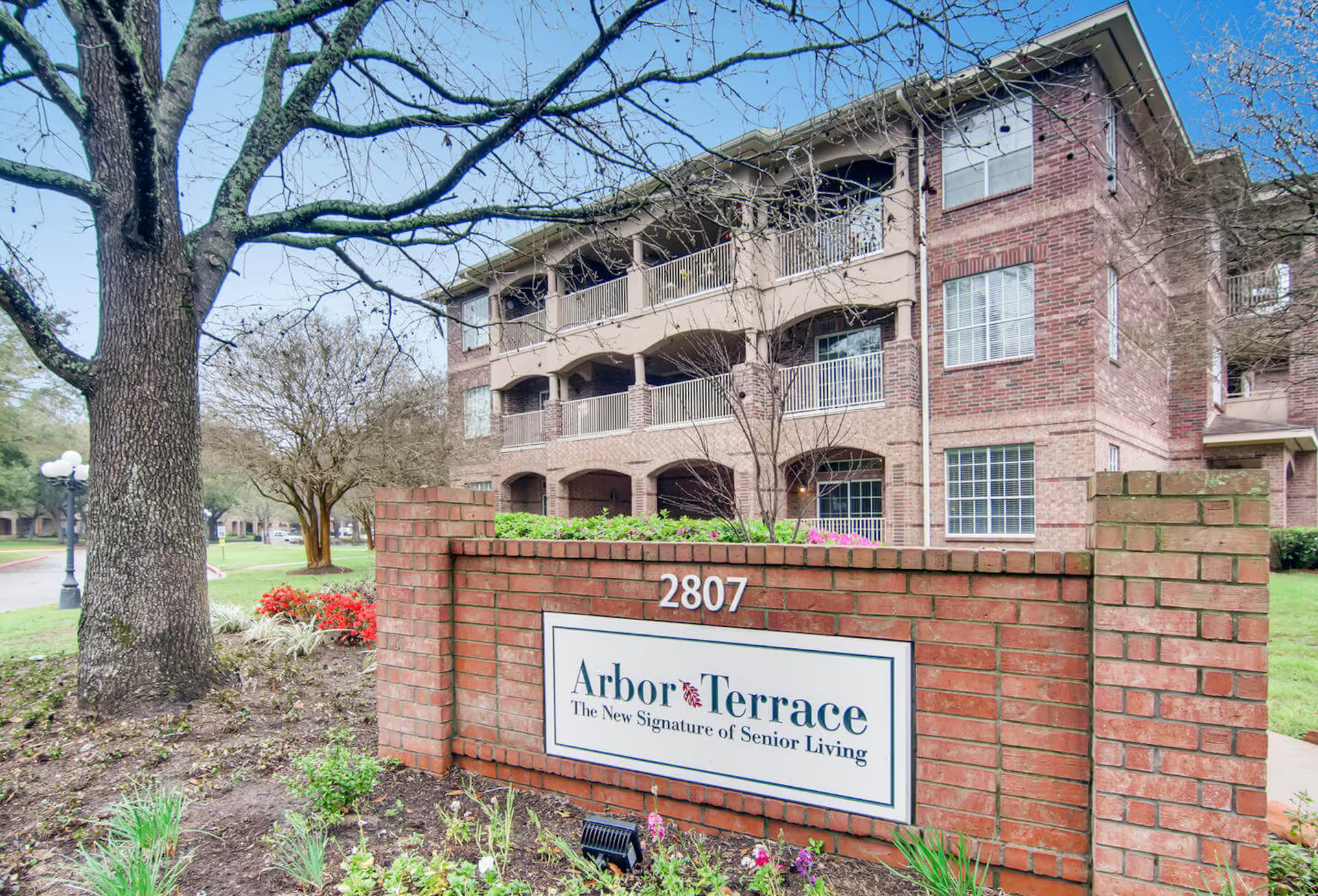
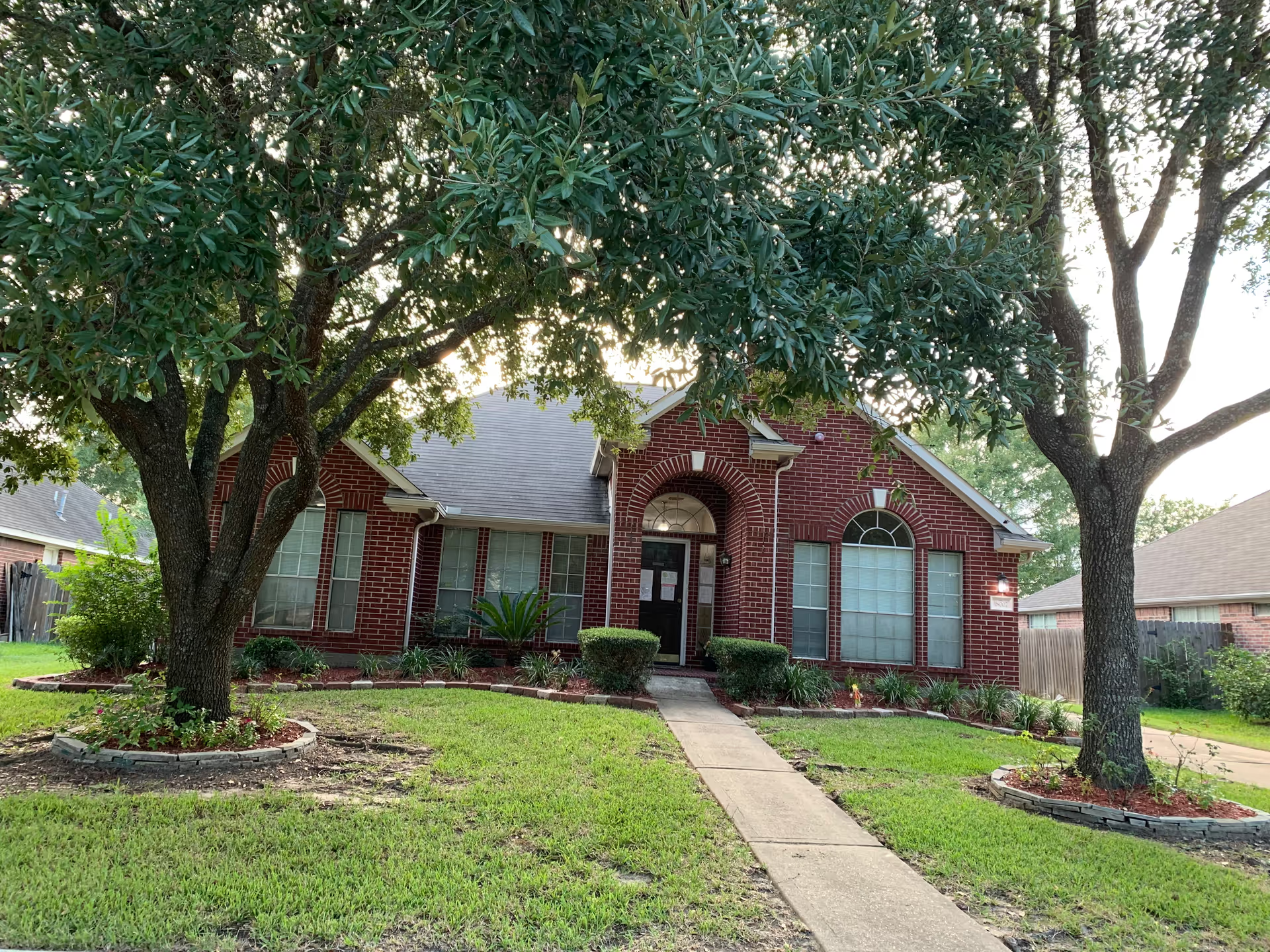
Facility and maintenance feedback is similarly mixed. Several comments describe a clean, comfortable, and well-maintained environment with pleasant grounds, secure outdoor spaces, and useful amenities (salon, library, therapy). Counterbalancing that are repeated reports of maintenance reliability issues — most notably HVAC failures or slow repairs, plumbing or faucet problems, stained carpeting, and occasional odor concerns in certain areas. These items indicate uneven execution of housekeeping and maintenance protocols rather than a uniformly maintained campus.
Management and administration receive polarized evaluations. Some families praise specific executive directors and staff for proactive communication, compassionate leadership, and strong family engagement. Others describe inconsistent follow-through on promises (internet access, services), billing disputes, extra or unclear fees, and frustrations getting timely responses from regional leadership. A small number of reviews reference serious clinical incidents and an alleged regulatory inquiry; those are individual, severe claims that prospective families should verify through state oversight channels and direct discussion with facility leadership.
Overall pattern: Rosemont presents as a community with notable strengths in interpersonal care, memory‑care programming, and activities that many families find exemplary. However, operational weaknesses — especially inconsistent sanitation and laundry practices, staffing instability, variable food and dietary support, maintenance/HVAC reliability issues, and uneven management follow-through — appear often enough to be material considerations. Prospective residents and families should prioritize an in-person tour focused on current staffing levels, examples of clinical oversight (medication administration and on‑site nursing coverage), sanitation and laundry processes, HVAC/maintenance response times, and clear written explanations of billing and services before making a placement decision.