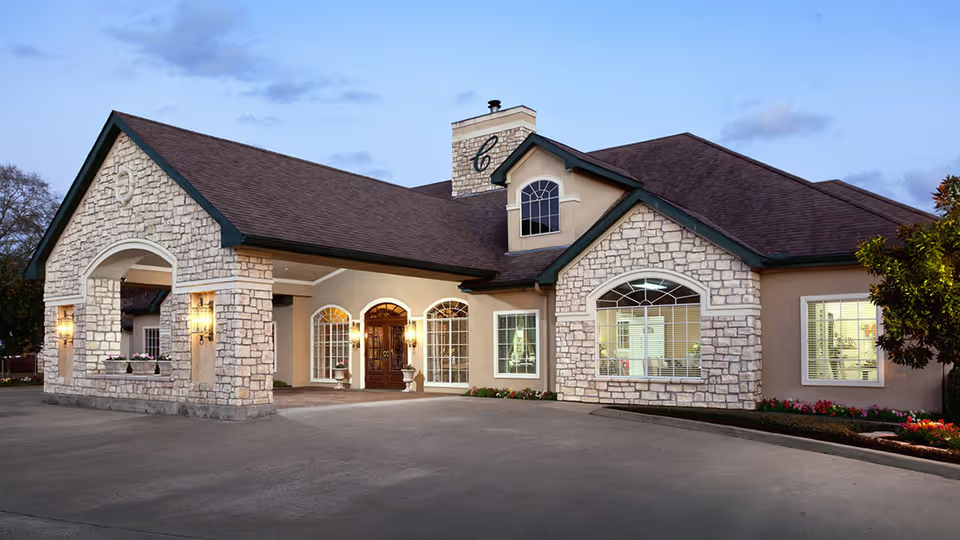
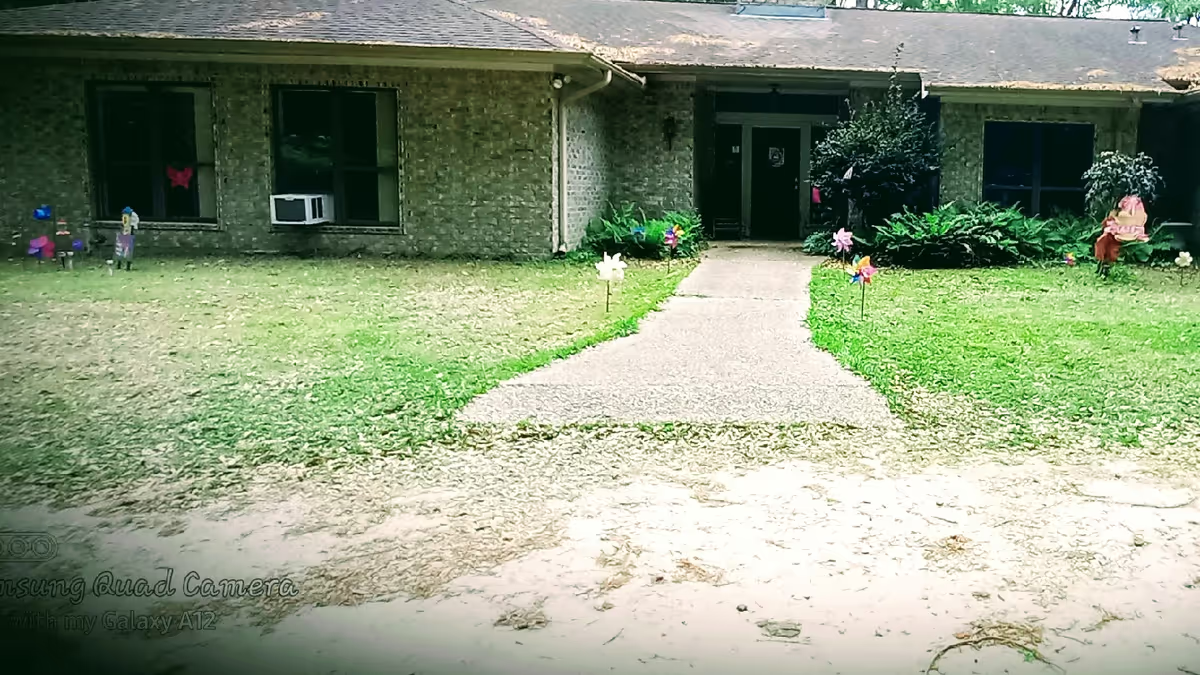
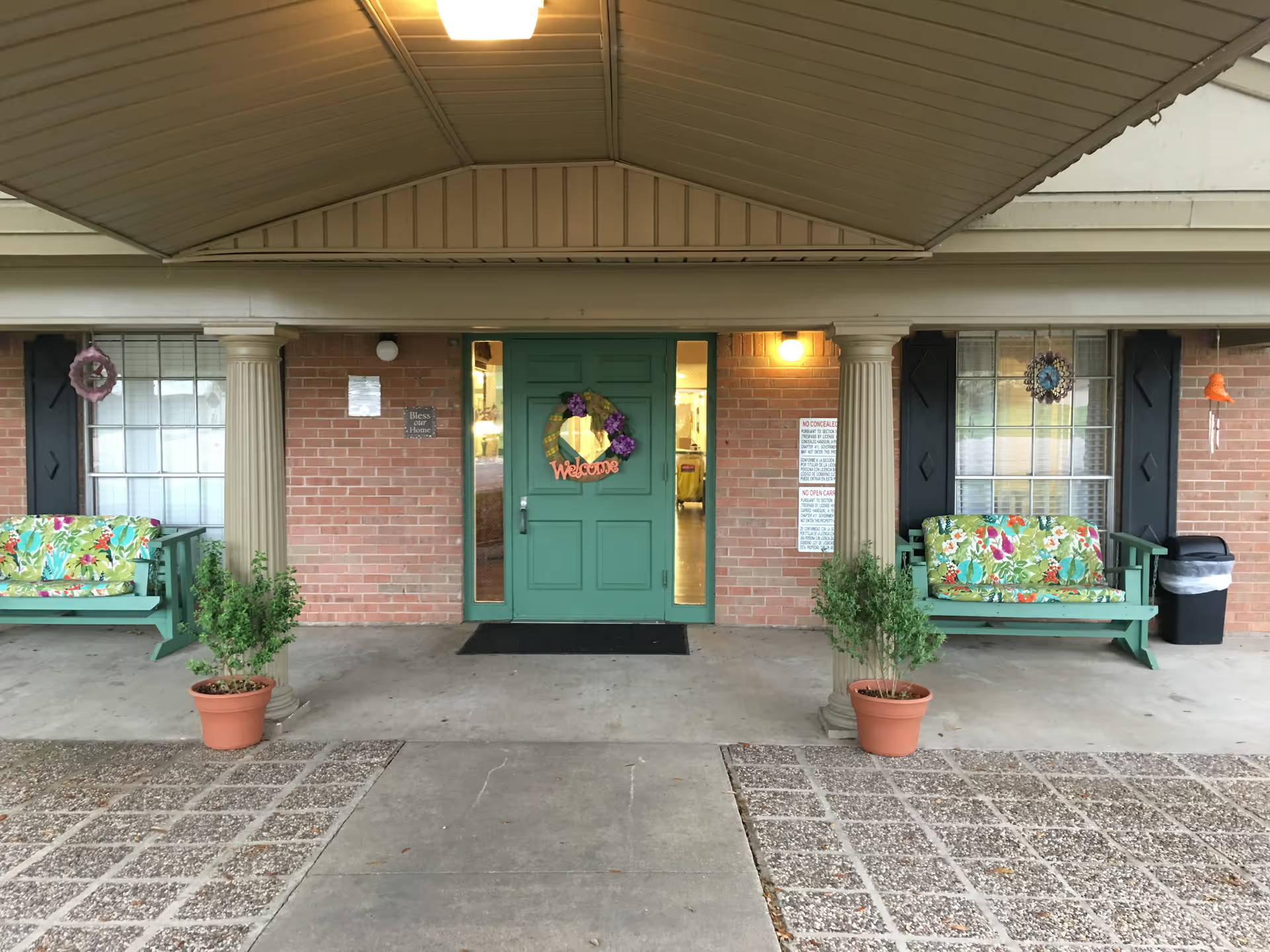
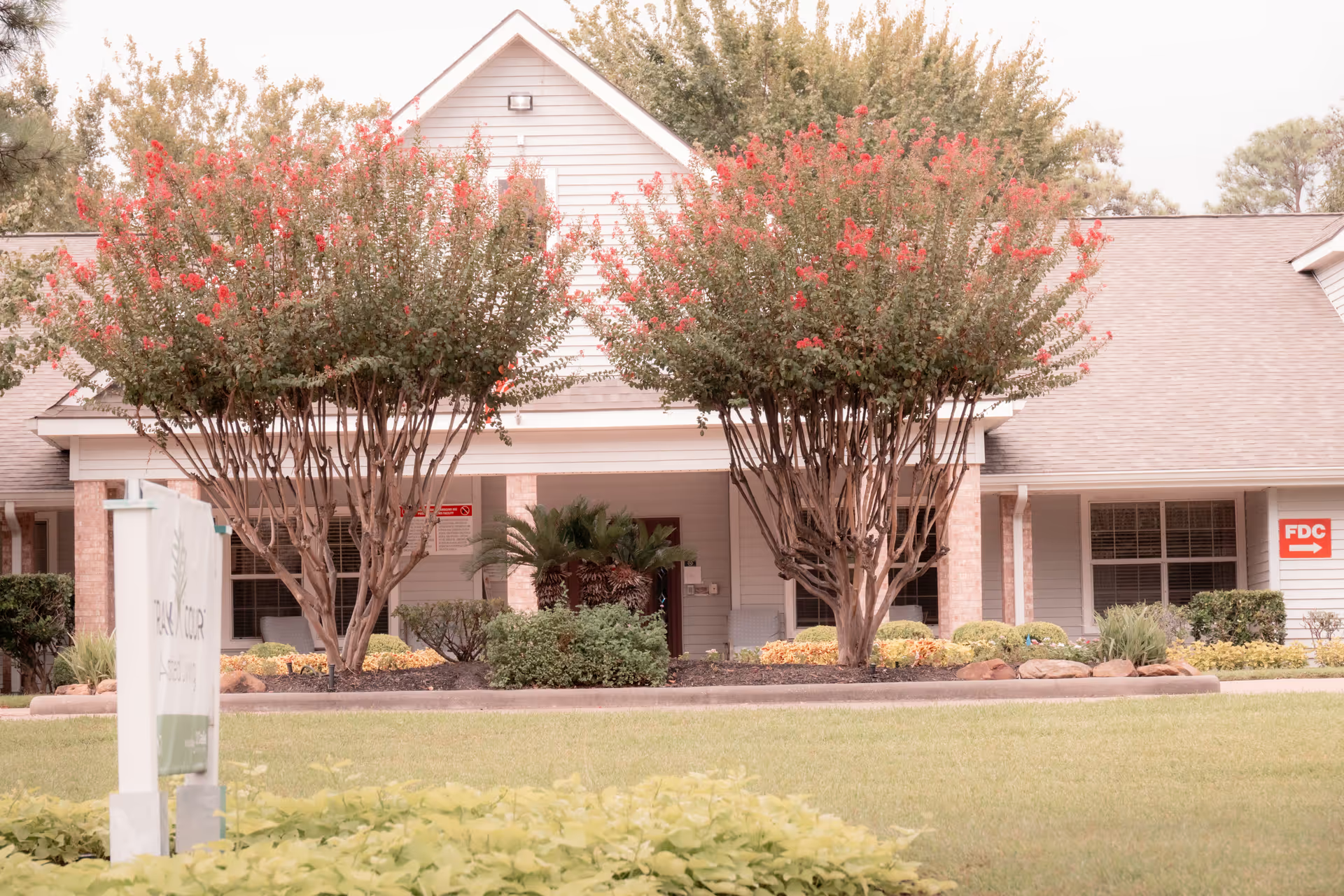
Reviews present a mixed but largely nuanced picture of care at Creekside Retirement Community. Many families and residents praise the staff for being compassionate, attentive, and personally engaged; reviewers frequently highlight staff familiarity with residents, strong memory-care staffing in a small 18-resident unit, and effective rehabilitation services (PT/OT). The facility is commonly described as clean and well maintained, with private or comfortable room options, a secure outdoor area for memory-care residents, helpful administrative coordination, on-site amenities (barber salon, pet visits), and a varied activities program that includes exercise classes, music, and social events. Several accounts also emphasize thoughtful hospice and end-of-life support and good internal communication among rehab, nursing, and case management teams when those systems function well.
Alongside these strengths are consistent operational concerns that prospective families should evaluate. Medication management and monitoring surfaced repeatedly as an area of inconsistency, including issues with new medications and blood-pressure changes; reviewers also noted instances of medication-storage problems. Staffing variability — particularly in rehabilitation and nursing coverage — and occasional shortages appear to affect continuity of care. Related patterns include lapses in shift-to-shift communication and gaps in following clinical orders, which can produce uneven execution of care plans. Safety practices deserve scrutiny: reviewers described falls and other serious incidents that raised questions about fall-prevention protocols and post-incident response procedures.
Dining and individualized care are another mixed area. Some residents enjoy the food and dining environment, while others described marginal meal quality and failures to meet specific dietary accommodations (for example, diabetic diets). Activities and social programming are generally strong and frequently cited as a positive for resident engagement, but some therapeutic sessions (physical therapy) were described as group-oriented rather than tailored to individual clinical needs.
Facility-level operational issues also include localized odor and sanitation concerns in specific areas, occasional perceptions of inconsistent staff conduct or responsiveness (rudeness, phone use, or slow response), and allegations of missing personal items that point to the need for clearer personal-property safeguards. Management responsiveness is variable in the accounts: many families praised administrative help and navigation of healthcare systems, while others felt complaints were not satisfactorily addressed.
If you are considering Creekside, a targeted tour and specific questions will help clarify fit: ask about medication-administration protocols and oversight, staffing ratios and contingency plans for rehab/nursing coverage, fall-prevention measures and incident-notification procedures, how dietary restrictions are implemented, property-safekeeping policies, and how shift handoffs are documented. Visiting the memory-care unit, observing activities, and speaking with current families about hospice and rehab transitions can help you weigh the facility’s evident strengths in compassion and programming against operational inconsistencies some reviewers experienced.