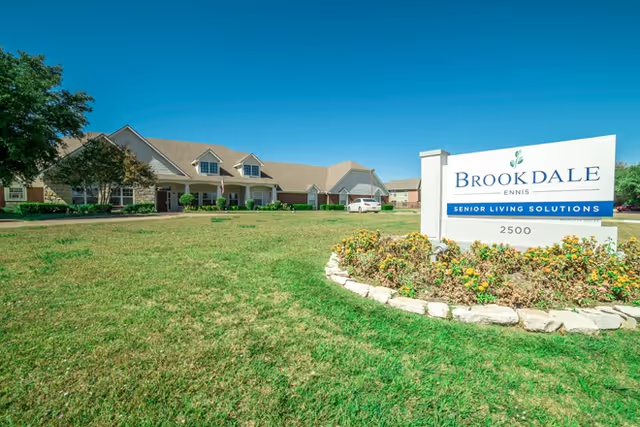
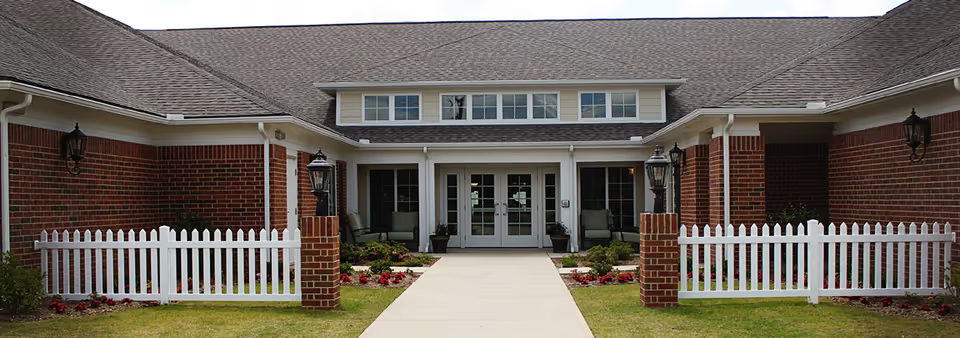
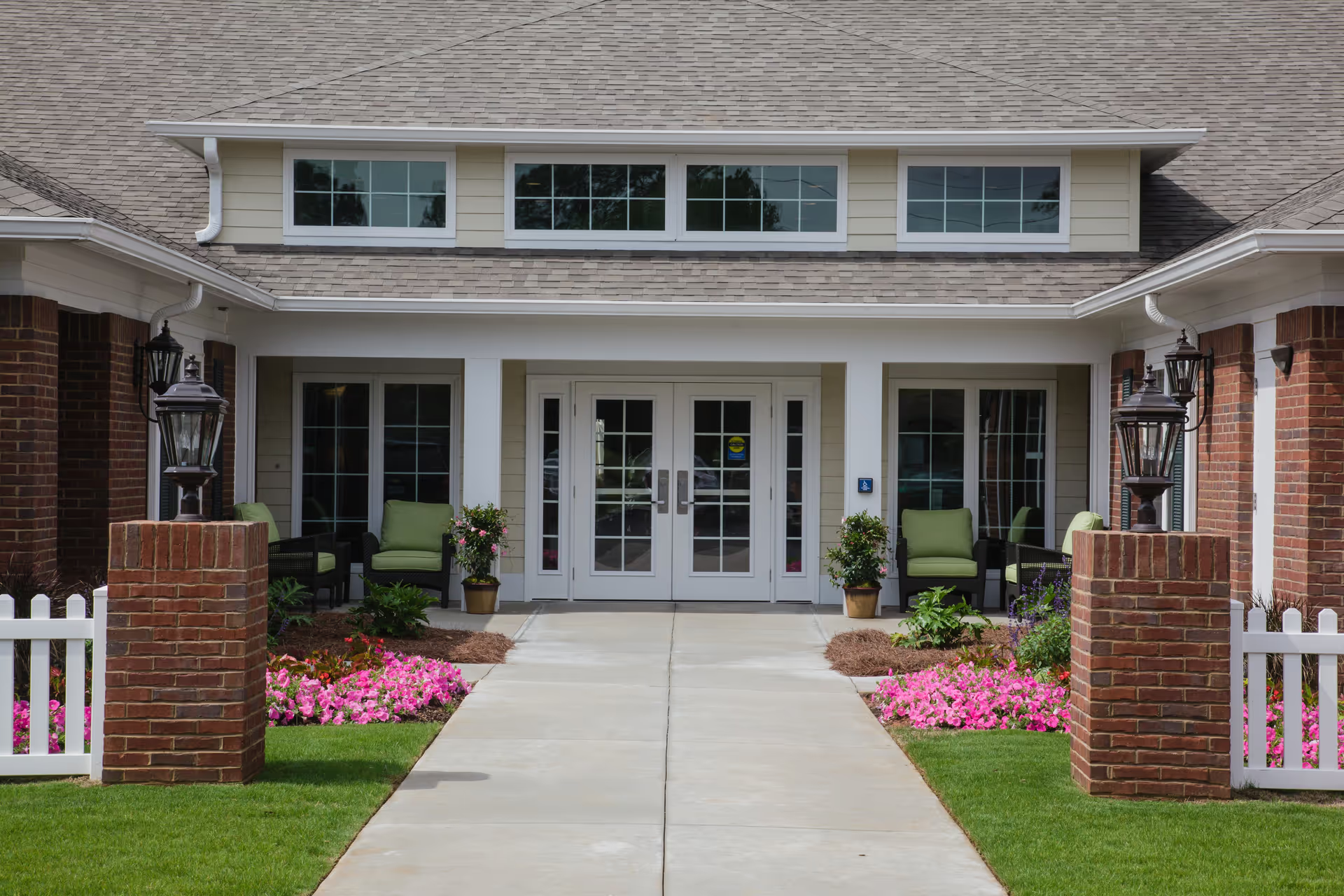
Kerens Care Center elicits a strongly mixed set of impressions. Many comments praise the interpersonal side of care: reviewers frequently describe compassionate, attentive staff who create a family-like, home-style environment. The facility is noted as smaller in scale, which reviewers link to more individualized attention, strong resident–staff rapport, and staff who follow up on concerns. Clinical supports described positively include skilled nurses and CNAs, attentive health monitoring, and on-site therapy services (e-stem and diathermy). The building has been remodeled and is described as clean and cozy, with separate memory-care units and a homelike interior.
Care quality is characterized by two distinct patterns. A substantial body of feedback highlights personalized, above-and-beyond care, timely follow-up, and dignity in interactions. At the same time, there are isolated but serious negative accounts describing lapses in care and concerns about staff conduct. Those negative accounts create a contrast with the positive reports and indicate variability in experience; prospective families should treat these as signals to investigate specific operational practices (shift coverage, incident response, and clinical oversight) during a visit.
Dining and activities are frequently cited strengths. Meals are described as homestyle and well-received, with several reviewers complimenting the food. The activity program is portrayed as active and engaging, with staff routinely planning events and involving residents. For families seeking rehabilitation or therapeutic services, the facility’s therapy department and equipment are a positive element.
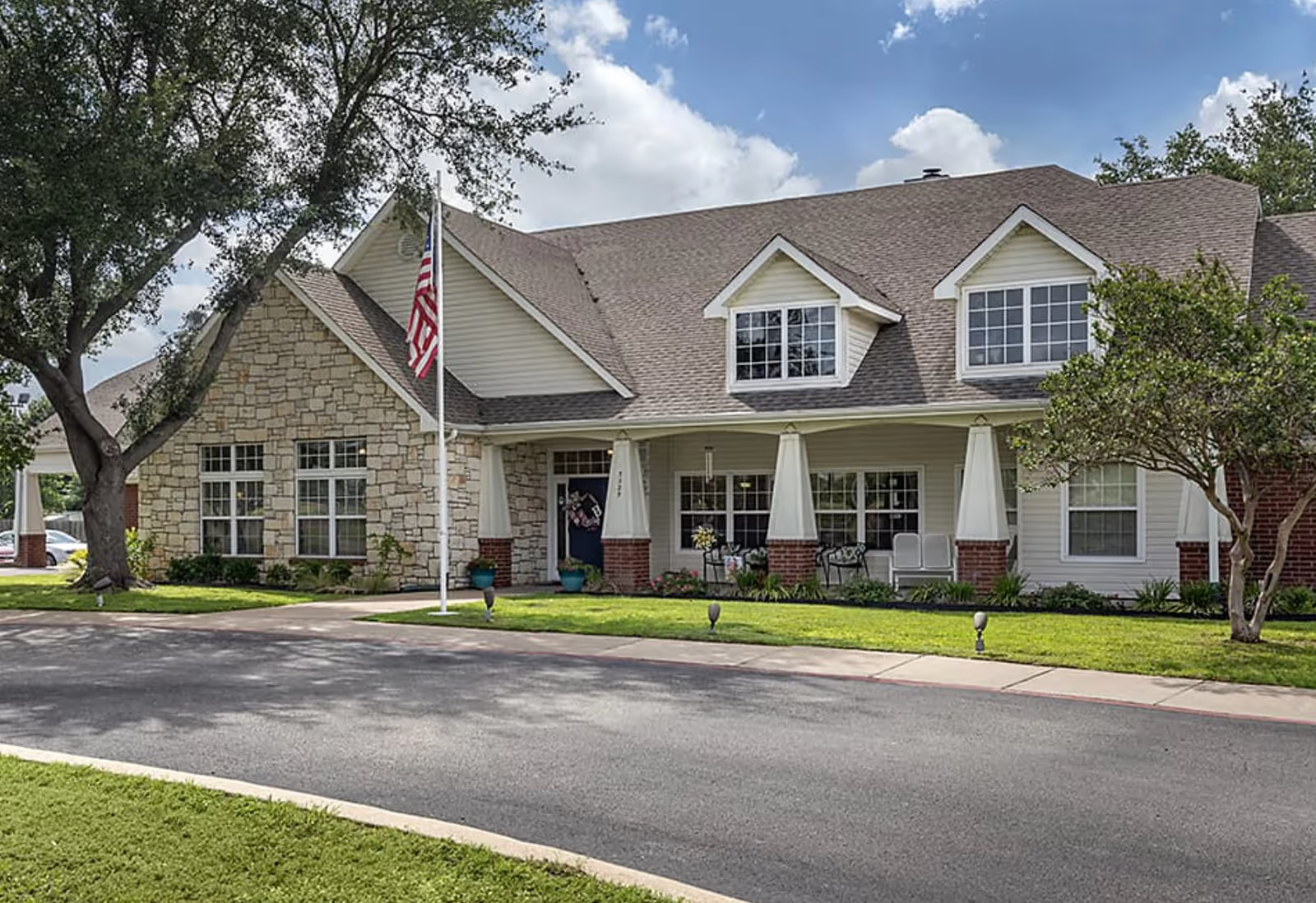
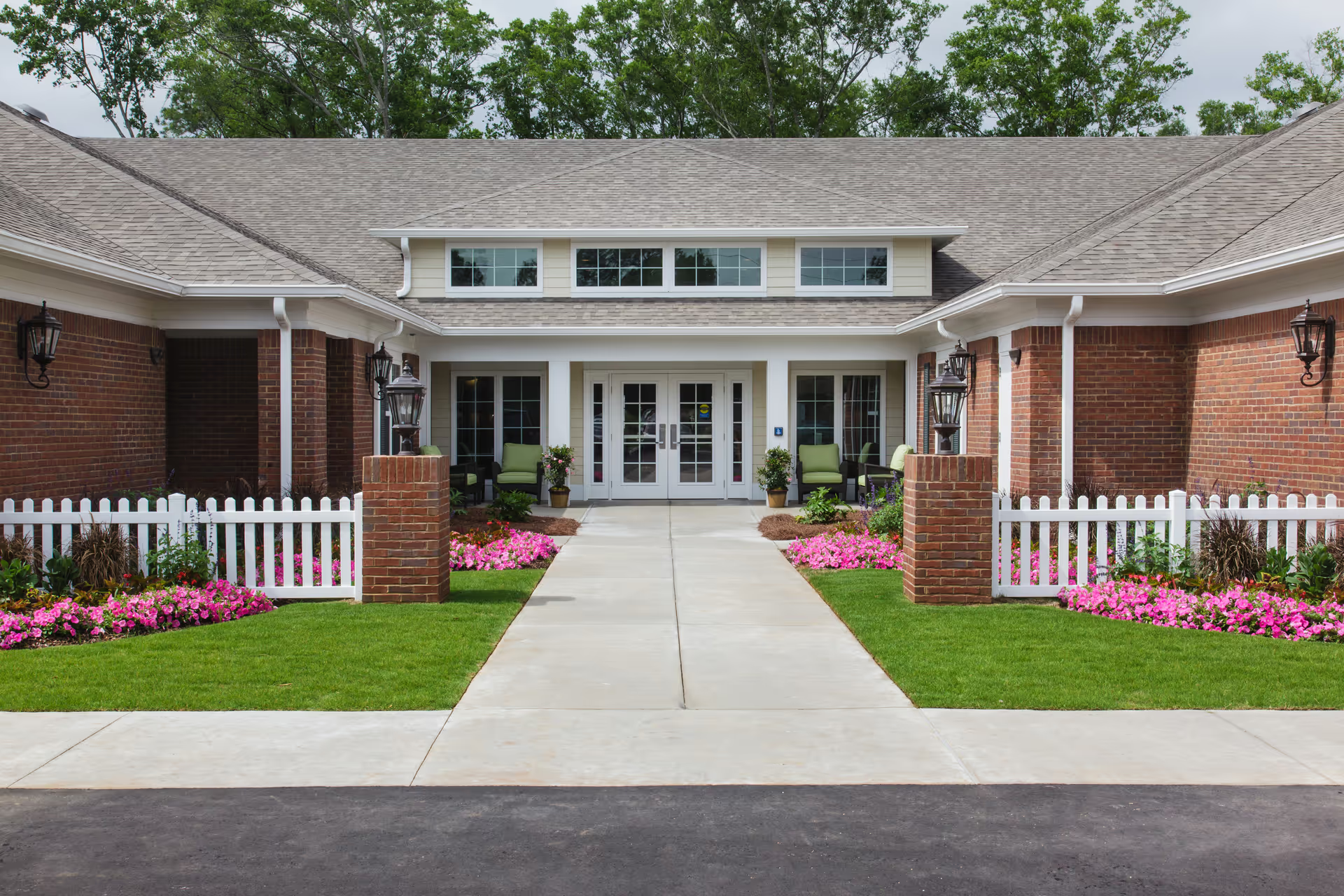
Facility condition and layout receive positive notes: recent remodeling, a cozy interior, and separate male and female memory-care units contribute to the home-like atmosphere. The smaller size is also framed as a benefit by many families who prefer a less institutional setting. However, the small scale can correlate with resource limitations at times; reviewers imply that staffing and oversight can vary between shifts or units.
Management and operational patterns show strengths and areas for attention. Several reviewers emphasize prompt follow-up on concerns and responsive monitoring, while others report gaps in complaint resolution and inconsistent communication with families. There are also mentions of pet-related or animal-hygiene concerns that prospective visitors should clarify with management. Overall, the dominant pattern is polarized family satisfaction: many strongly recommend the facility for its compassionate staff and environment, while a minority report serious care concerns. Prospective residents and families would be well served by on-site visits across different times of day, direct conversations about staffing patterns and incident response procedures, and review of state inspection records to reconcile the facility’s commonly noted strengths with the reported variability in care quality.