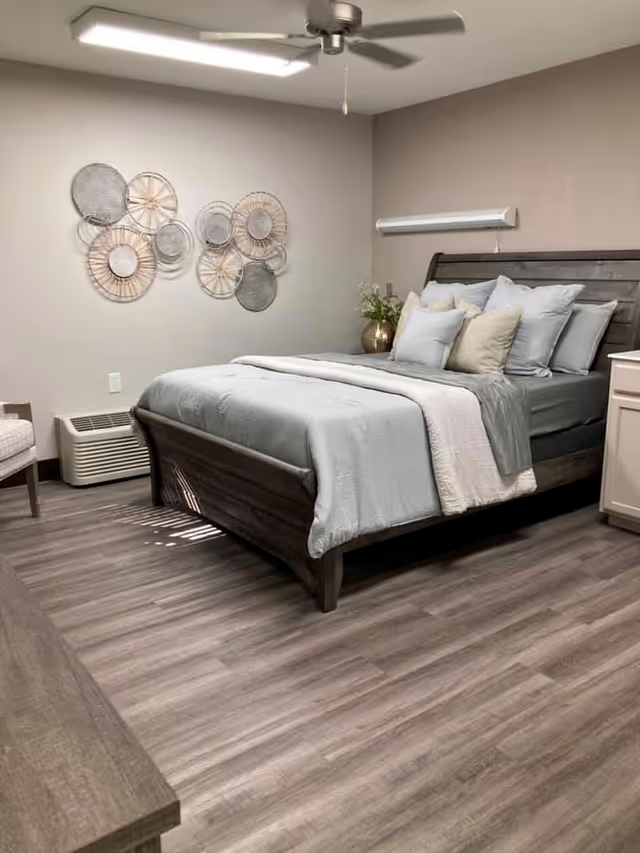
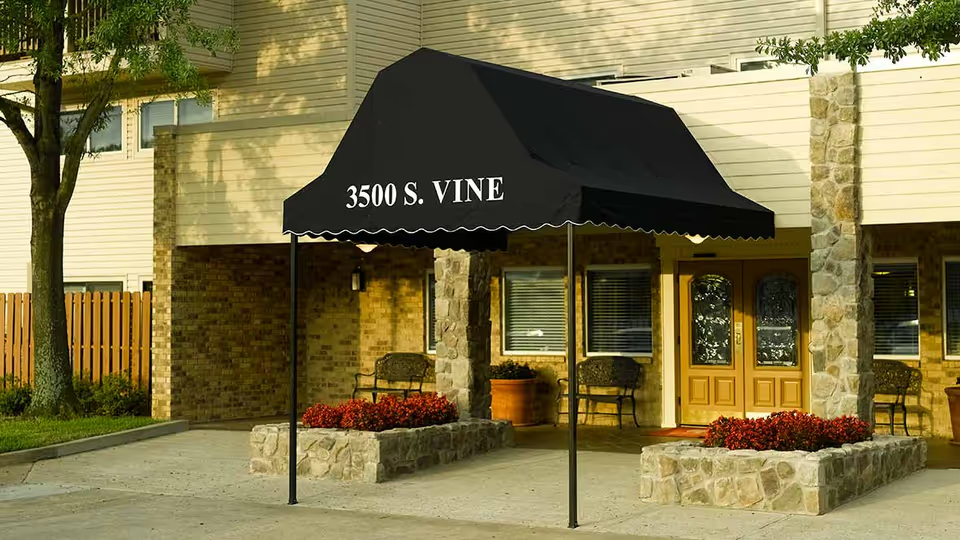
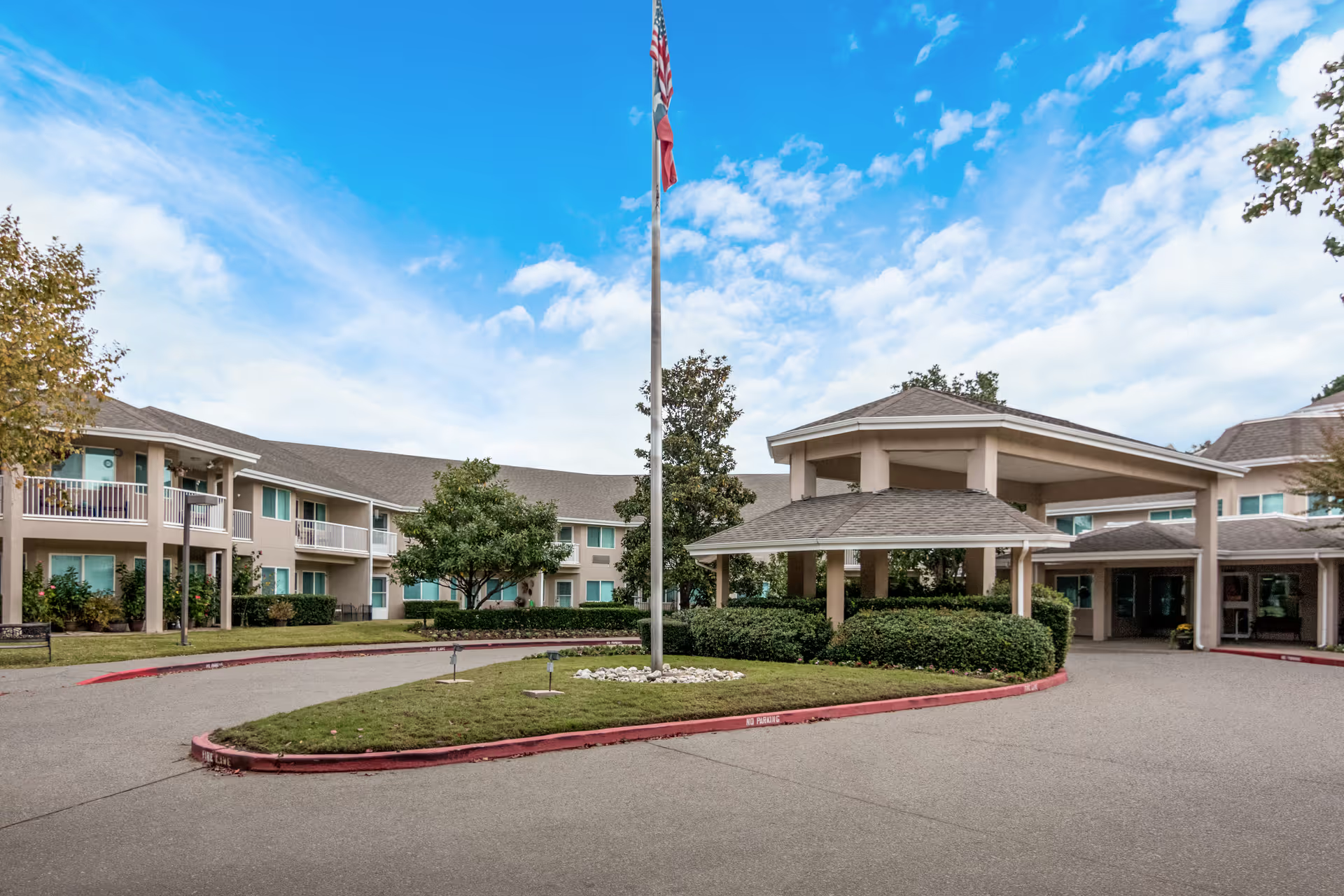
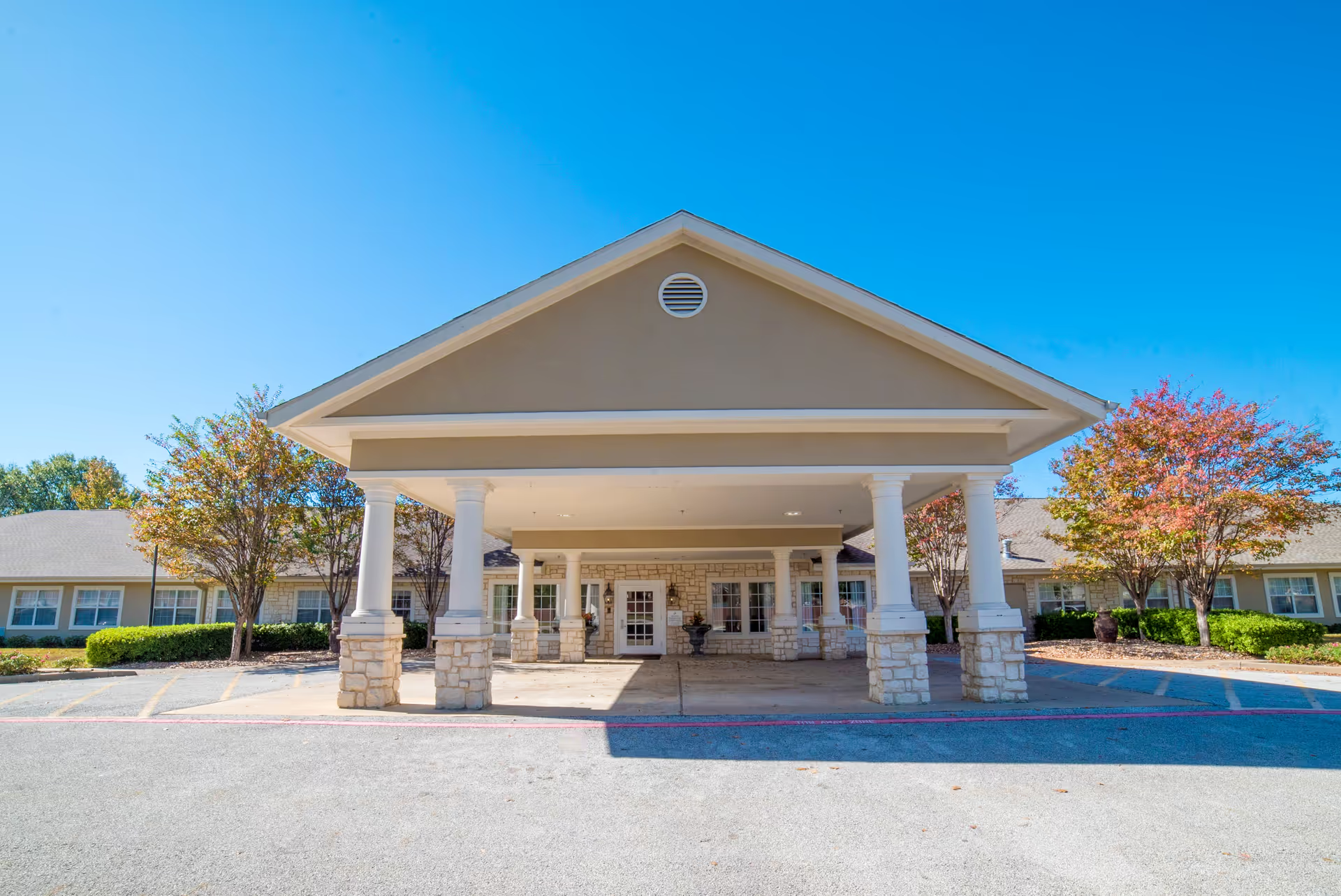
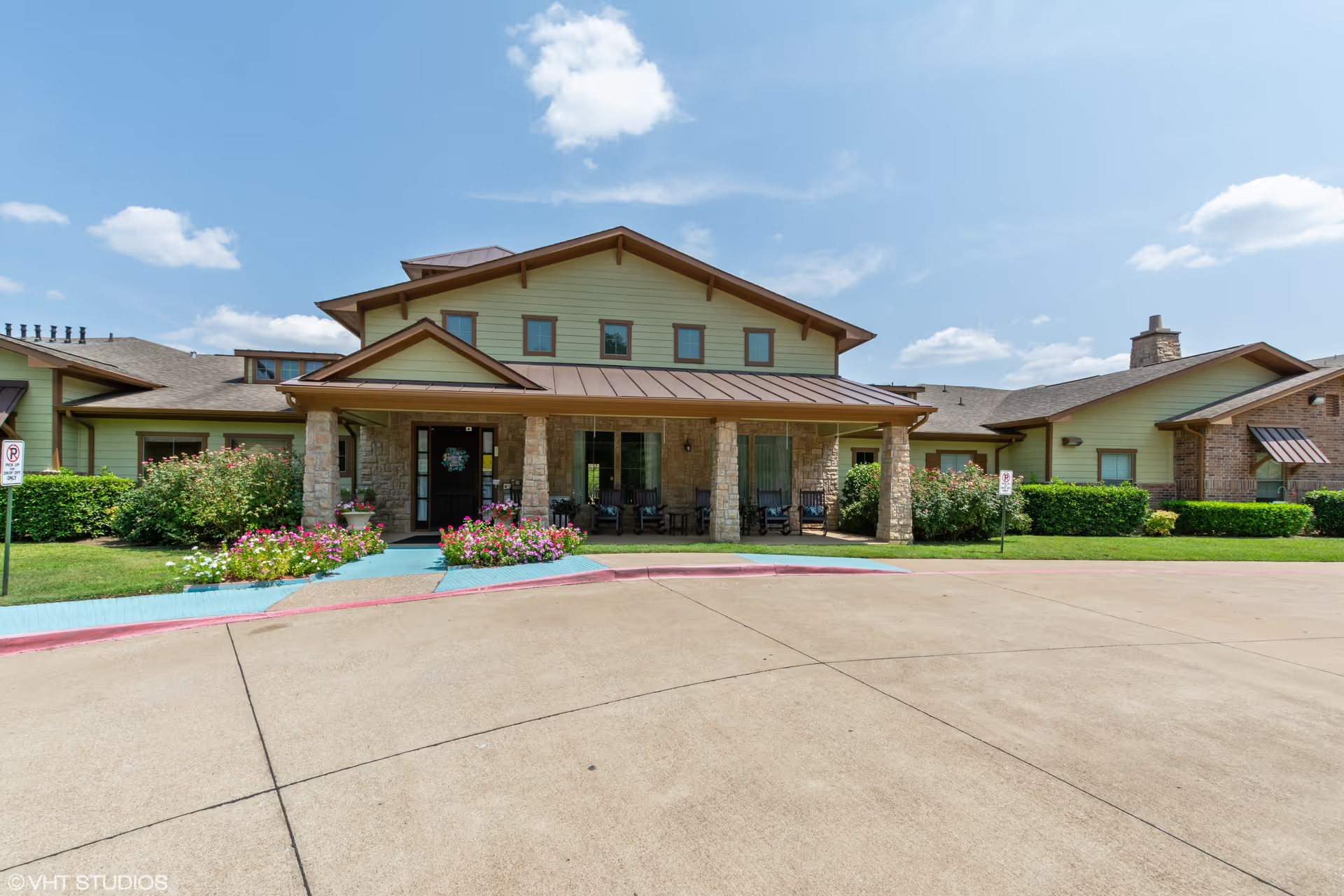
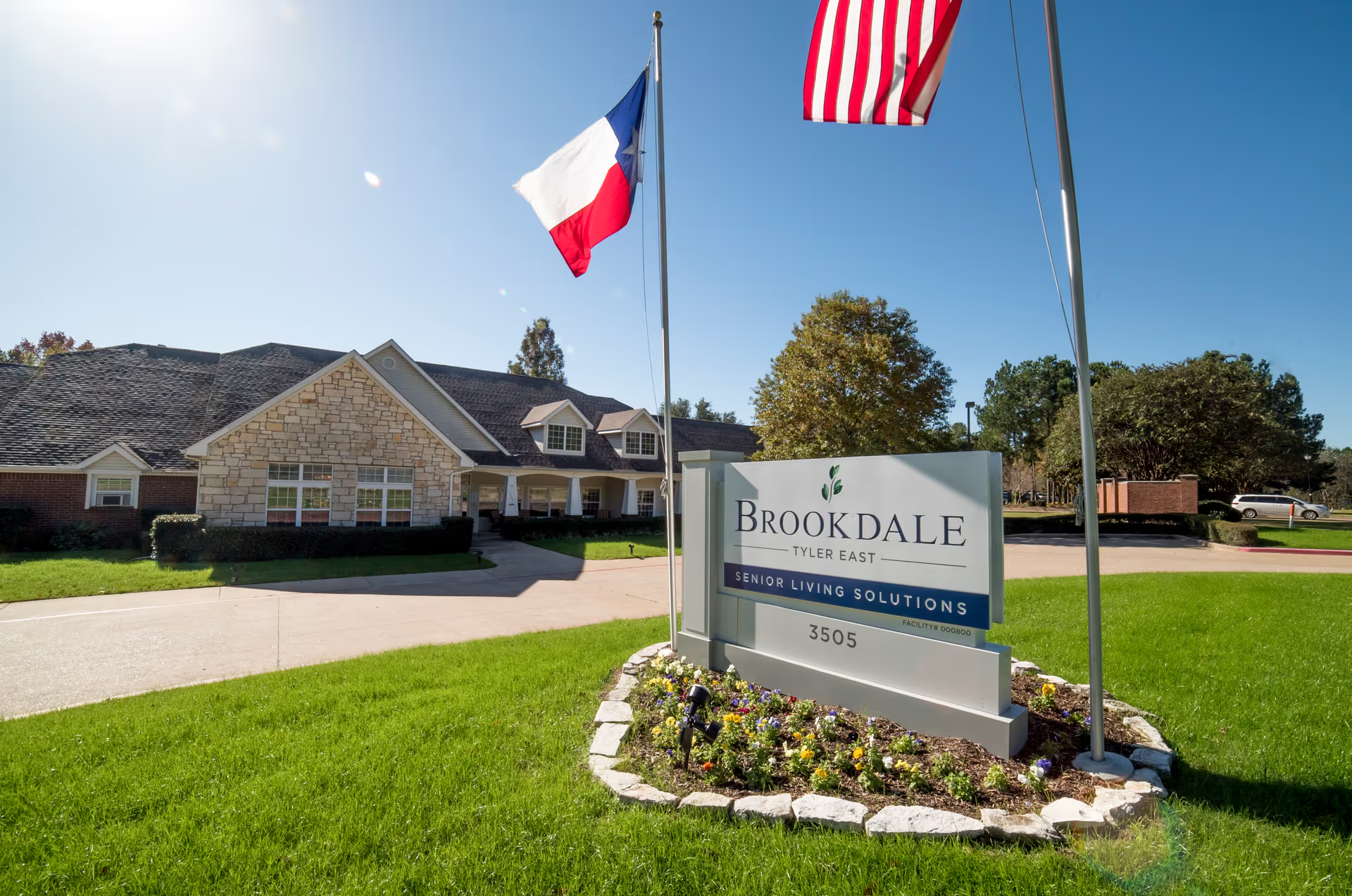
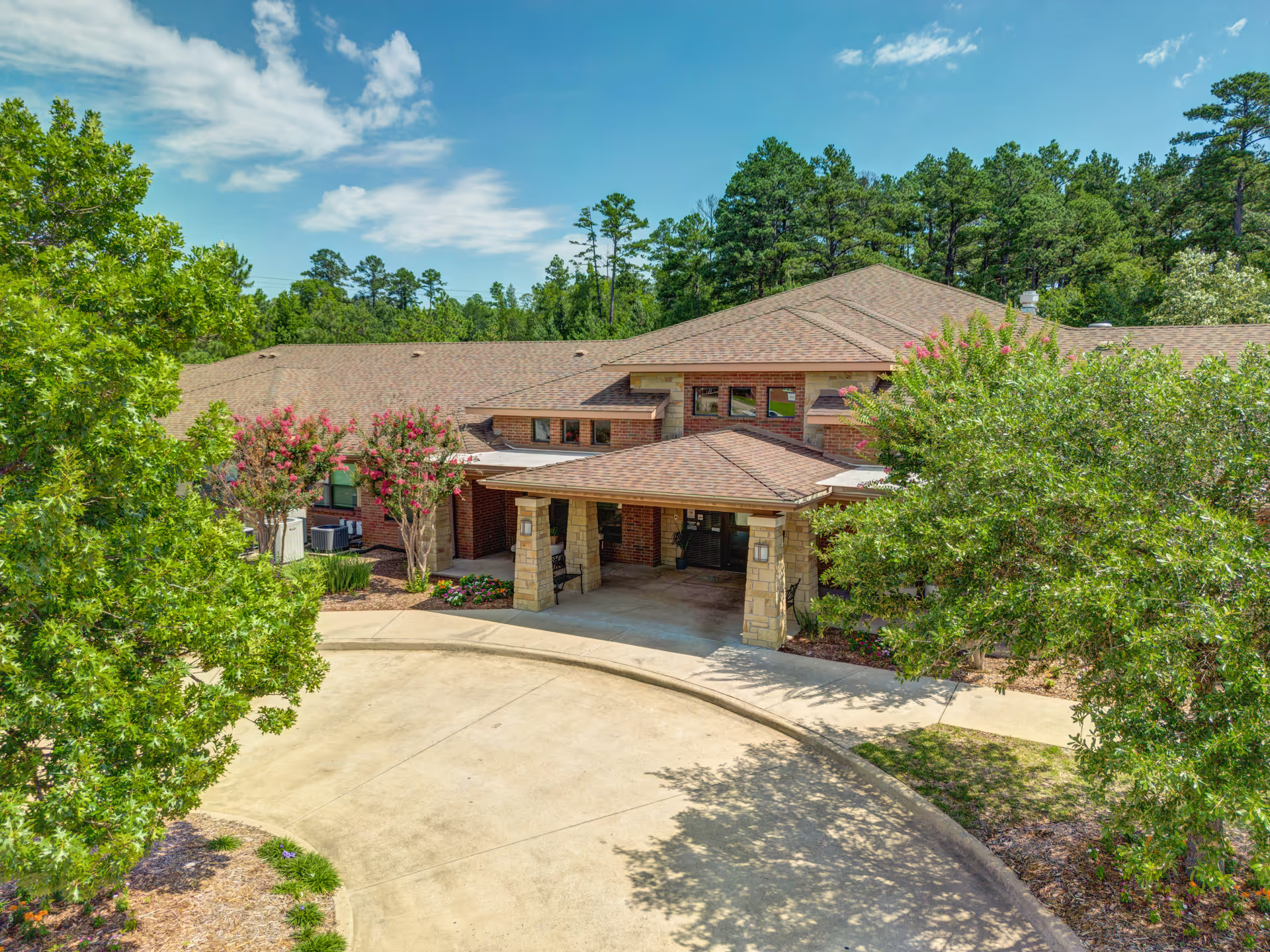
Wesley House elicits a wide range of impressions. Many families and residents praise the facility’s warm, family-owned feel, consistent dementia-focused routines, and a staff that can be attentive and compassionate. The building and common areas draw positive comments: screened porches, a courtyard, theater and library spaces, and generally well-maintained public areas. Apartment options include studios and one-bedrooms, and the community offers scheduled transportation for errands and medical appointments as well as an active activities program. External validation and referrals from oversight organizations were noted by some families, and several reviewers highlighted responsive maintenance and thoughtful end-of-life care.
Care quality is described unevenly across accounts. Positive descriptions emphasize respectful, resident-centered care, helpful staff who form relationships with residents, and effective dementia supports that help residents remain engaged and safe. However, a substantial theme is inconsistency in staffing and clinical coverage: reviewers identified high turnover, variable staff assignments, limited full-time nursing presence, and lapses in medication administration processes. There are also documented concerns about pharmacy coordination and billing practices that families should clarify before admission.
Dining and housekeeping impressions are mixed. Some reviewers complimented good meals and a clean, comfortable environment. Others raised sanitation concerns in particular areas, pest-control issues, and food that was heavy on starches or variable in quality and taste. These differences suggest that service levels may fluctuate and that direct observation (meal sampling, touring dining areas) is advisable when evaluating the community.
The facility’s programming and amenities are strengths for many residents: active social offerings, transportation, and outdoor/indoor communal spaces support socialization and independence. At the same time, practical limitations were noted — apartment size is modest, the site can feel geographically distant for some family members, and policies such as a minimum 14-day stay limit flexibility for short respite needs.
Management and financial practices are another area of divergence. Positive commentary includes stable rates historically and responsive leadership in some cases. Contrasting feedback points to management and communication deficiencies, concerns about pricing relative to unit size, billing discrepancies involving home health or pharmacy services, and a perception by some that post-sale changes affected costs and policies. There are also serious individual allegations that families would want to investigate further (including contested discharges and medication errors); prospective families should request documentation of staffing levels, incident histories, and corrective actions.
Recommendation for prospective residents and families: visit and tour the unit at multiple times of day, observe staffing patterns and mealtime service, sample food, ask for current staffing and nursing-coverage schedules, request a copy of the contract and fee schedule (including pharmacy and home-health billing practices), inquire about pest-control and sanitation protocols, and obtain references from recent families and oversight entities. These steps will help clarify whether the community’s strengths align with your expectations and whether the operational concerns raised in some accounts have been addressed.