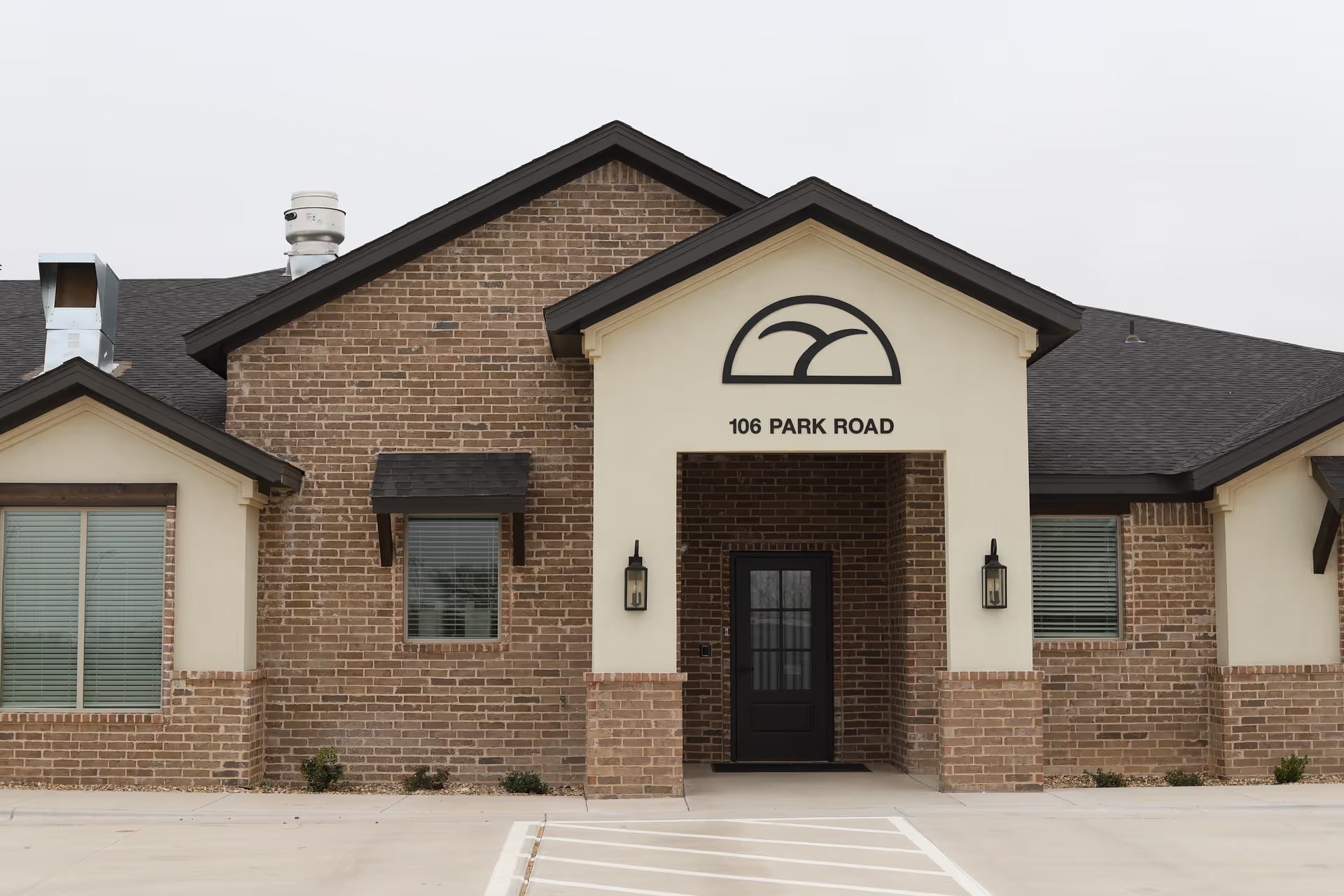
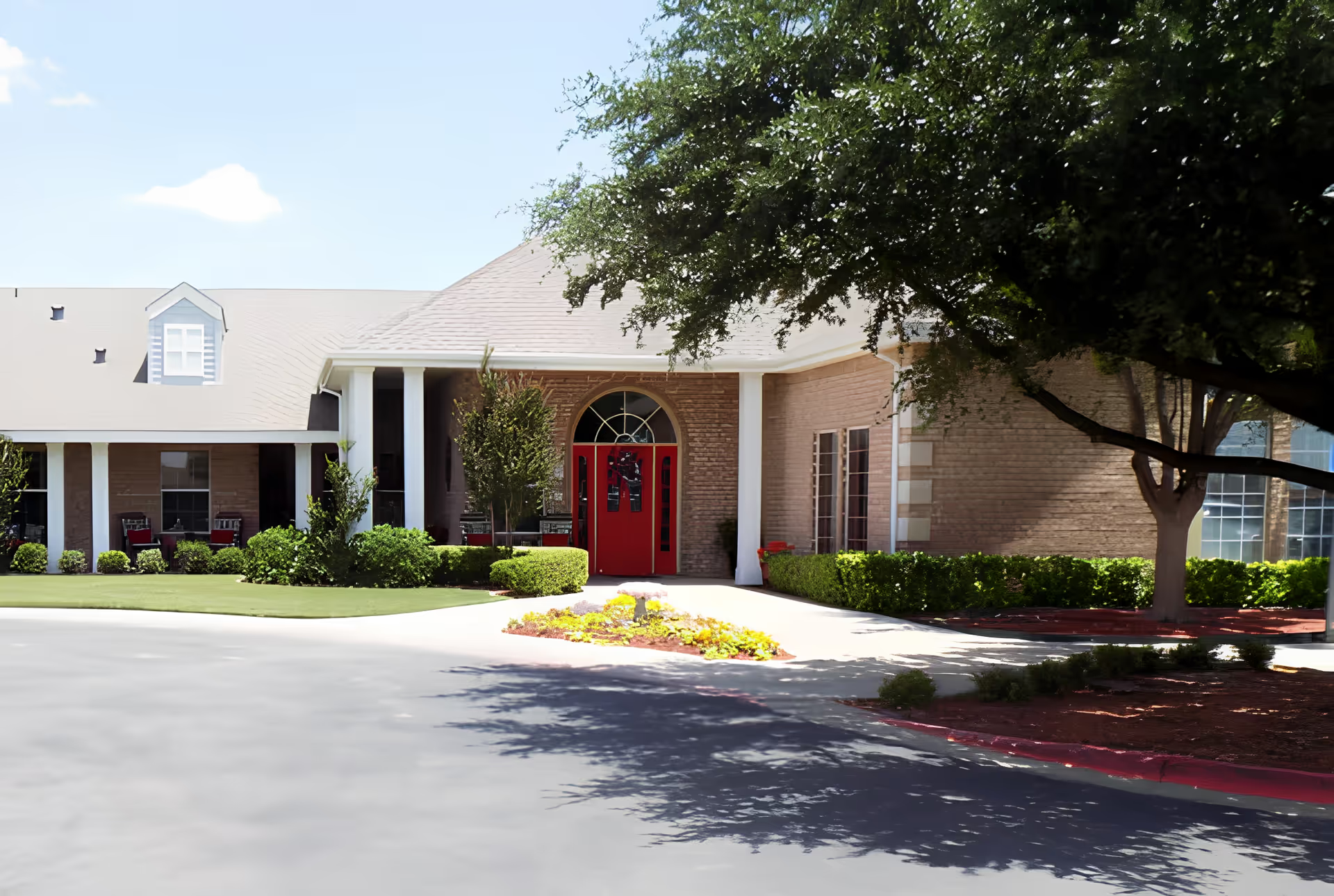
Brookdale Remington Park presents as a community with many elements families prioritize: a welcoming, home-like atmosphere; spacious, apartment-style living; a wide range of structured activities; and a visible emphasis on cleanliness and facility upkeep. Reviewers commonly praise the warmth and familiarity of caregiving staff, frequent social programming (crafts, exercise, outings, religious services), and the convenience of on-site amenities such as a salon, laundry, transportation, and rehabilitation/medical supports. The presence of graduated care levels, medication management services, and hospice availability are also cited as practical strengths for residents with evolving needs.
Care and staff quality are recurring positives. Many accounts highlight attentive, compassionate aides and nurses who know residents by name, timely medication administration in numerous cases, and staff engagement in activities and transitions. However, the staff picture is mixed: there are repeated comments about high turnover and instances where families experienced delays in responsiveness or gaps in clinical follow-through. These suggest variability in staffing levels and in the clinical skill mix on certain shifts, which can affect care continuity for residents who require more hands-on assistance.
Dining receives polarized feedback. Some reviewers describe attractive dining rooms, well-presented meals, and good variety; others identify ongoing, facility-level issues such as inconsistent meal quality, menu items not being available as posted, cold or delayed service, and limited diabetic- or texture-modified options. The dining system itself also raises operational questions for some families — voucher/reservation requirements and crowded seating have been noted as barriers to mealtime access. Overall, food quality and meal-service reliability appear to be a recurrent area for improvement.
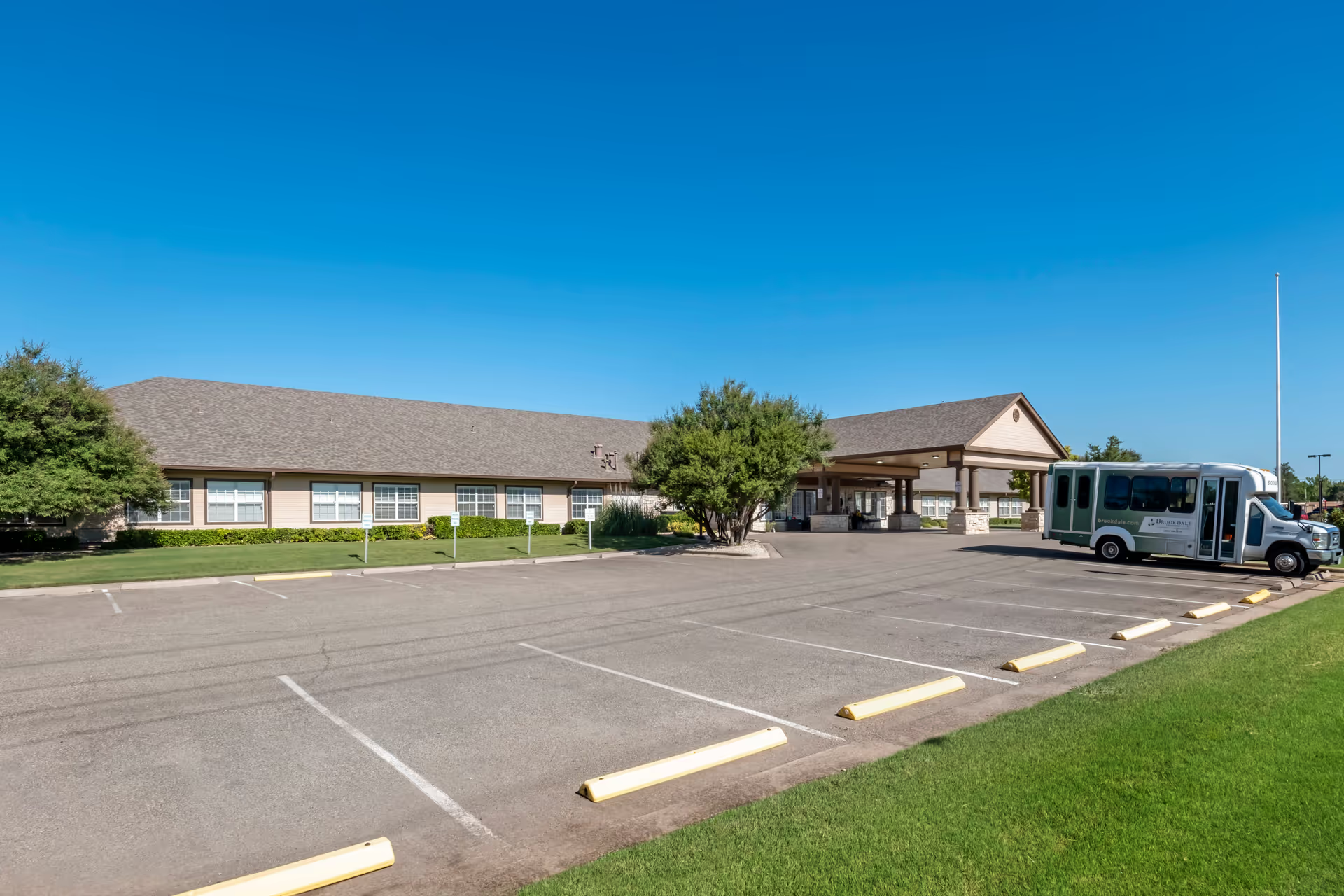
Activities and social life are clear strengths. The community is described as active, with a full calendar of on-site programs, outings to local events, exercise classes, and inter-resident socialization that contributes to a lively atmosphere. Life-enrichment programming, bus transportation for errands and appointments, and events such as barbecues and religious services support resident engagement and community cohesion.
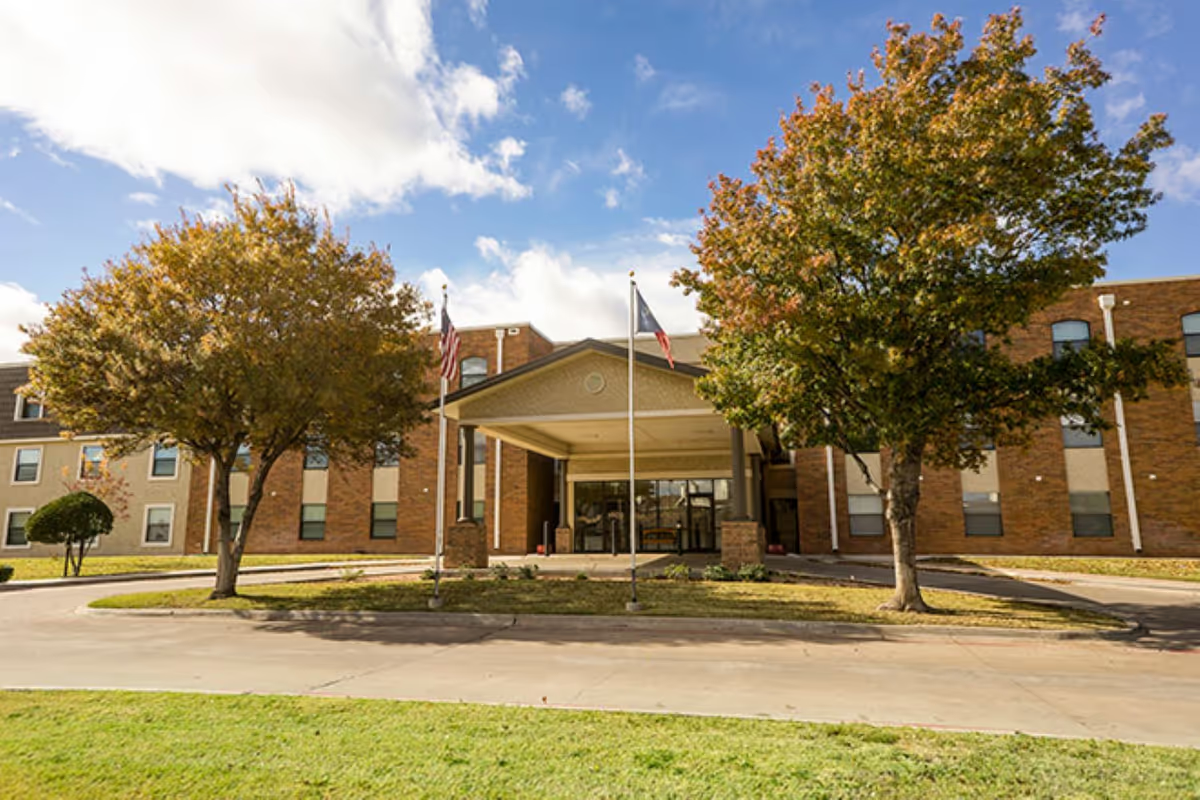
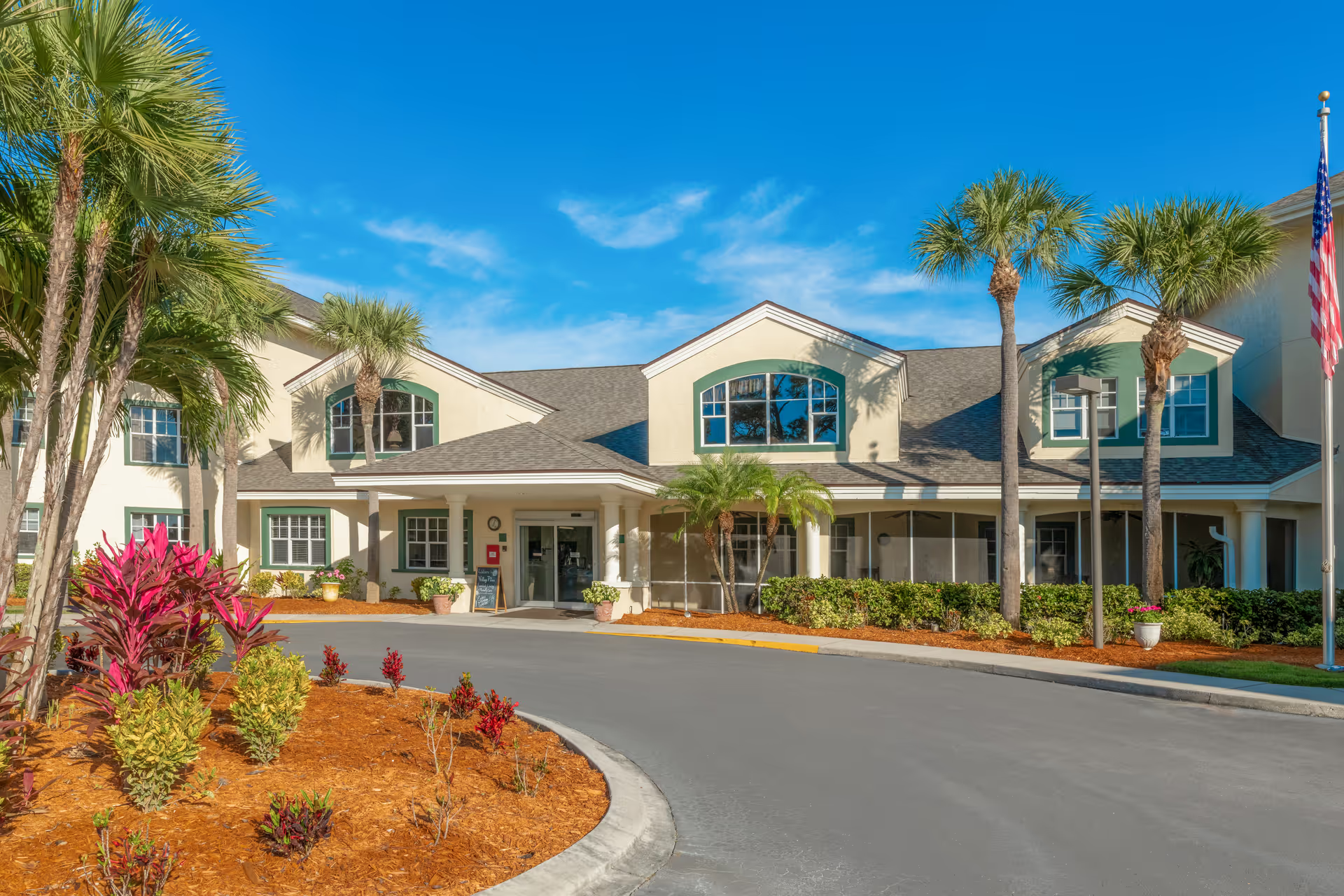
Facility condition is generally described as clean and well-kept, with some reviewers noting attractive landscaping and pleasant common areas. At the same time, there are consistency issues: reports of slow maintenance response times, occasional odor concerns in areas, and the impact of ongoing renovations or construction on resident experience. Outdoor lounging space is limited according to several accounts, and some units and communal spaces were described as older or in need of updates despite overall cleanliness.
Management and administrative operations show mixed performance. Positive experiences around admissions, financial flexibility, and supportive transitions are present, but there are recurrent criticisms about business-office communication, billing practices, and difficulty reaching or obtaining timely information from management. A small number of accounts describe billing or discharge-process problems and communication breakdowns that families found stressful. Taken together, these items indicate that while front-line care and programming are often strong, administrative consistency and leadership responsiveness may be uneven.
Overall, Brookdale Remington Park offers many substantive positives — active programming, a caring staff contingent, convenient on-site services, and apartment-style living — that make it a viable option for prospective residents, particularly those seeking strong social engagement and supported independence. Prospective families should weigh these strengths against documented operational patterns: variability in dining quality, staffing continuity, and administrative responsiveness. A focused review during touring (asking about staffing ratios, meal-service policies, recent turnover, medication protocols, and maintenance response times) is advisable to assess how current operations align with a specific resident’s care needs and expectations.