Overall impression: The Gardens at Shadow Hills presents as a small, home‑style community with consistently positive feedback about its caregiving staff, social atmosphere, and physical upkeep. Many reviewers emphasized compassionate, attentive staff who know residents by name, active leadership involvement, and a strong sense of community that families describe as reassuring. The campus layout, attractive grounds, and a mix of studio, one‑bedroom, and cottage options support residents seeking independent and assisted living arrangements.
Care and staff: Staffing and interpersonal care are the facility’s principal strengths. Reviewers frequently described caregivers, nurses, and management as personable, proactive, and willing to go beyond basic duties to accommodate individual needs. There are numerous accounts of quick emergency responses and after‑hours attention, which contributes to family confidence. However, the community also shows operational variability: staffing levels and temporary staffing changes have at times affected continuity of care, and there are isolated but notable concerns about medication‑administration processes and follow‑through on clinical directions. Prospective families should ask about current staffing stability and medication controls during a tour.
Dining: Dining is often highlighted as a positive feature—restaurant‑style service, an award‑winning chef, and thoughtfully planned menus with appealing dishes drew repeated praise. Regular meal service to cottages and occasional special touches (take‑home desserts, holiday menus) were noted positively. That said, perceptions of food quality were not uniform: some families rated meals as average or unacceptable, and a few reviewers cited requests for more fresh produce or balanced selections. Menu variety and dietary accommodations appear to vary over time, so confirming current menus and sample meals is advisable.
Activities and community life: The activity program is a consistent strength. The community offers group exercise, crafting, dominoes, church services, outings (movies, shopping), and an active calendar intended to keep residents socially engaged. Reviewers commonly described an uplifting activities director and well‑organized events. A minority of reviewers found the programming less engaging or more tailored to specific interests; prospective residents should review a current activity schedule to evaluate fit and variety.
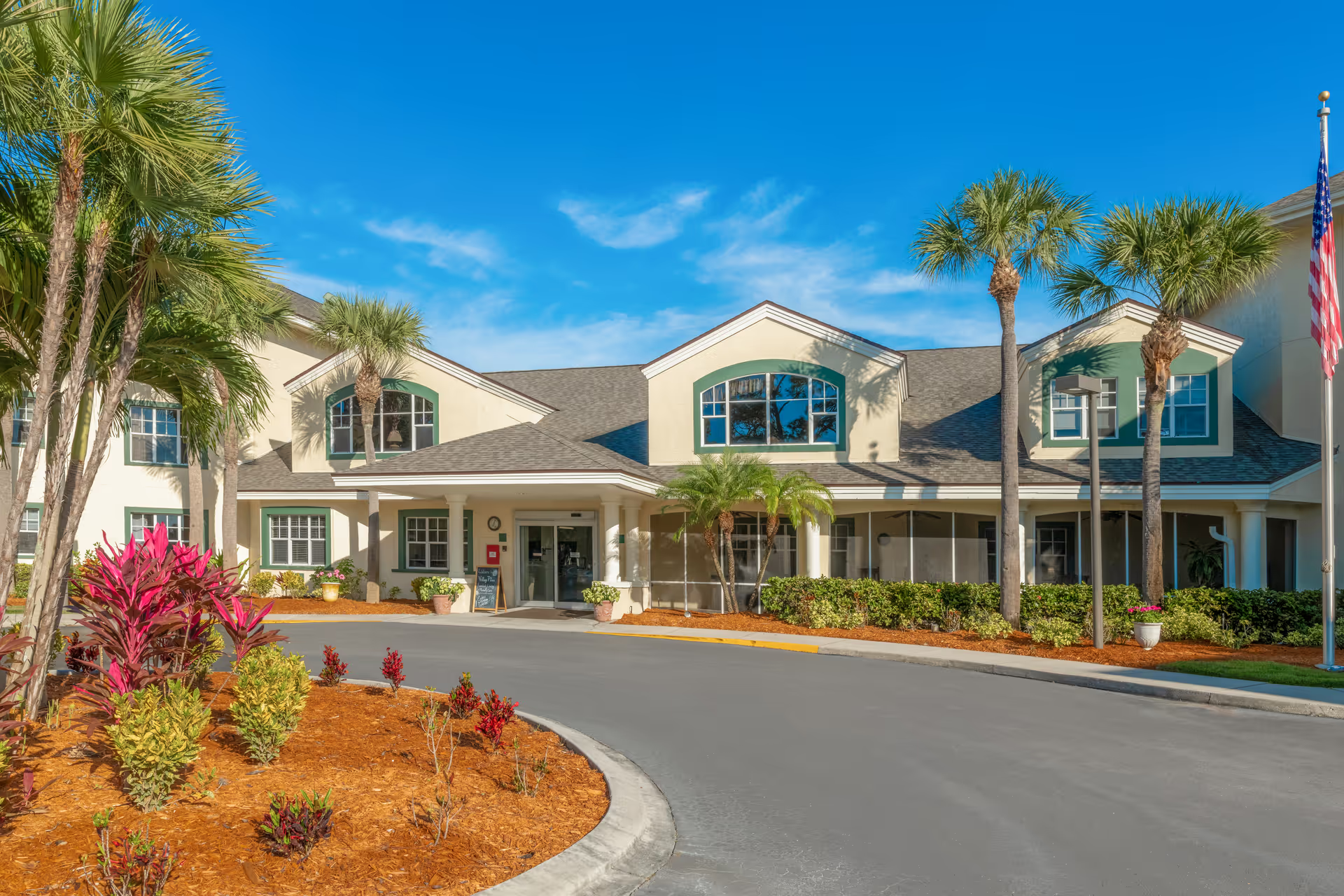
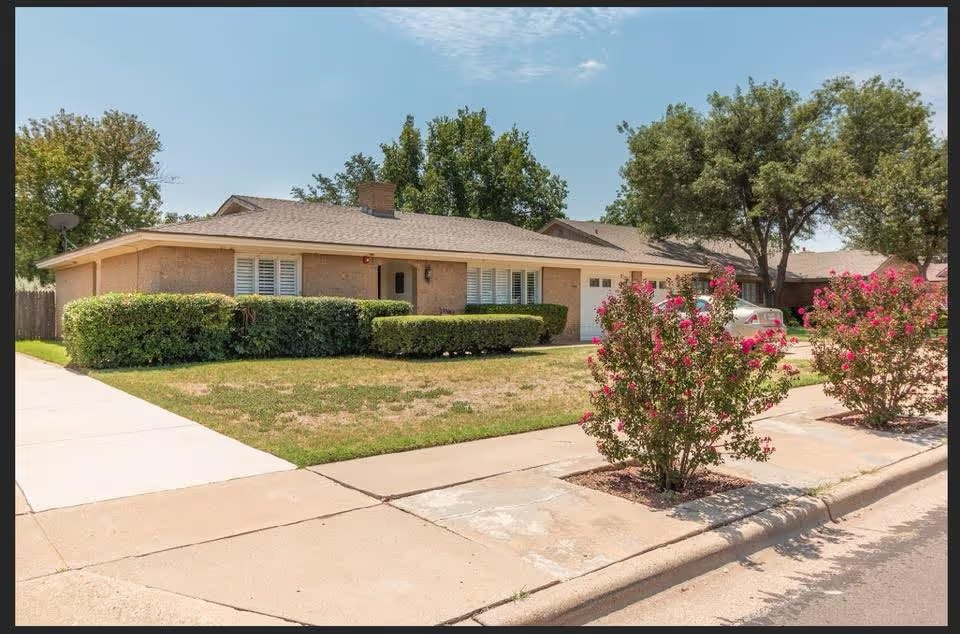
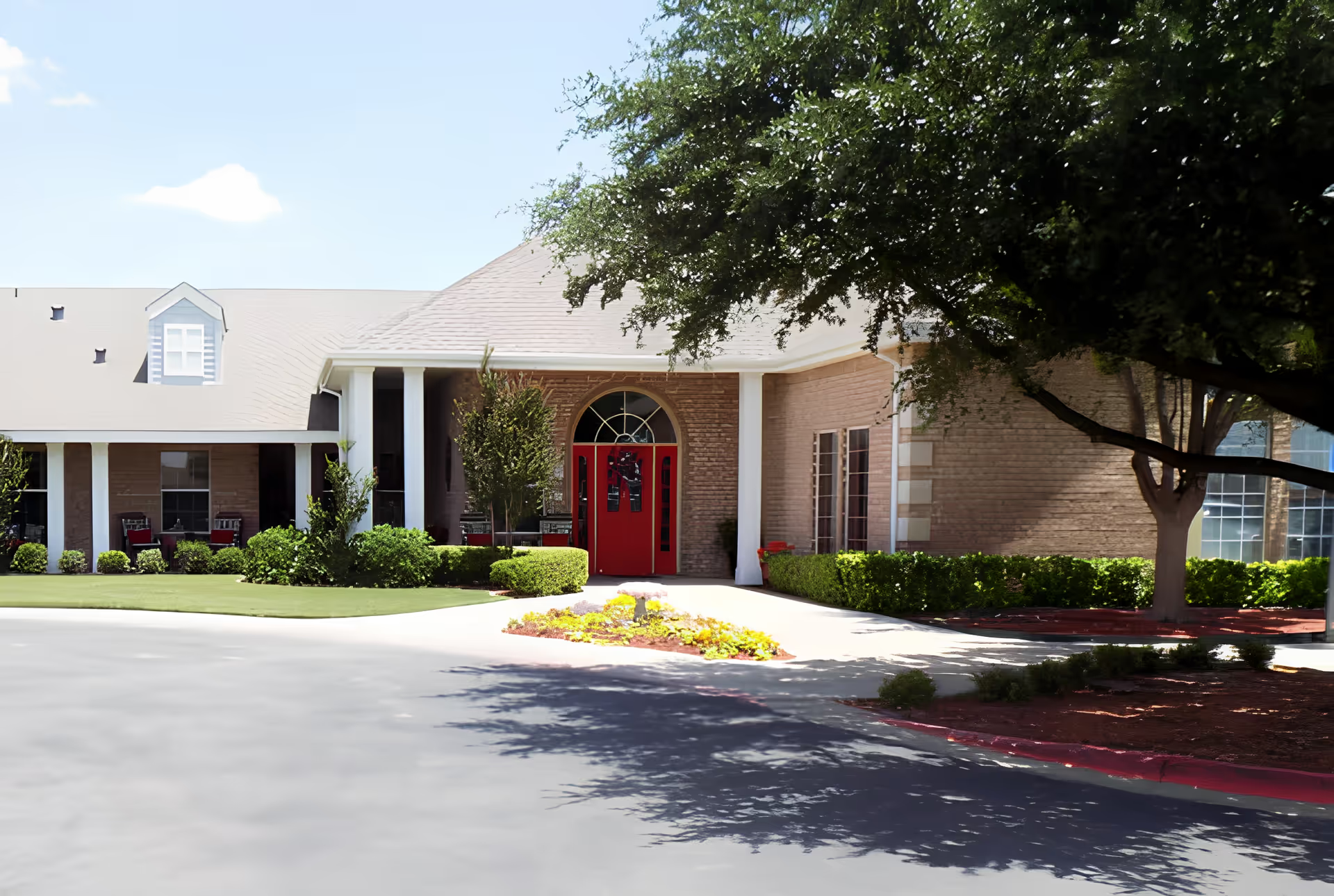
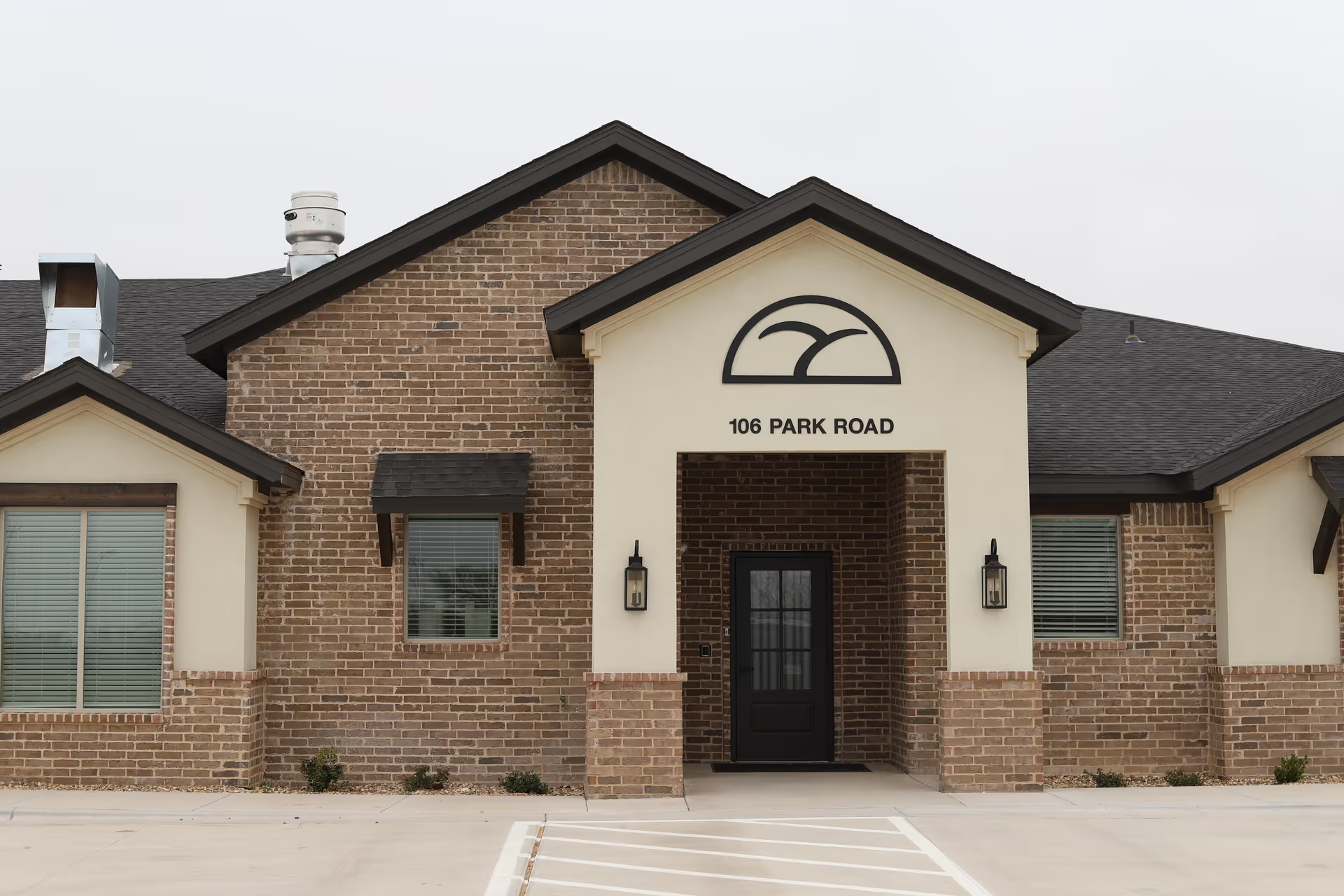
Facilities and accessibility: The physical plant and grounds receive high marks for cleanliness, maintenance, and a pleasant atmosphere. Cottages and communal spaces are described as cozy and well kept, with walker‑friendly sidewalks and outdoor seating. Accessibility concerns arise for certain cottage layouts—some apartments are located at a considerable distance from central common areas and may not be well suited to residents with limited mobility. There were intermittent maintenance issues cited (room temperature control, delayed repairs), generally resolved but worth clarifying at move‑in.
Management, operations, and patterns to note: Management responsiveness and front‑line staff communication earned positive comments, with several families highlighting helpful administrative staff and supportive move‑in processes. Conversely, recurring operational themes include inconsistent communication and follow‑through, occasional billing and pricing surprises, transportation limitations for external medical appointments, and isolated security or safety process concerns. These are operational traits rather than universal conditions; they suggest areas to confirm when evaluating the community (billing/refund policies, transportation options, call‑button response metrics, and recent staffing changes).
Bottom line: The Gardens at Shadow Hills appears to be a well‑maintained, community‑oriented option with many strengths in caregiving, dining, and activities. At the same time, reviewers describe operational variability in staffing, medication processes, meal consistency, and administrative communication. Families touring the community should observe mealtimes, request recent staffing and medication‑management protocols, review sample activity calendars, verify transportation options for medical visits, and confirm billing terms to ensure the community’s current performance matches their expectations.