Kennedy Health and Rehabilitation presents a mix of clear strengths and notable operational variability. Many reviewers highlight the quality of direct care: nursing staff are frequently described as compassionate and attentive, with specific nurses praised for clinical competence. Families and residents who had short-term rehabilitation stays often reported positive outcomes, and reviewers commonly referenced a teamwork-oriented, family-style culture among employees that supports resident well-being.
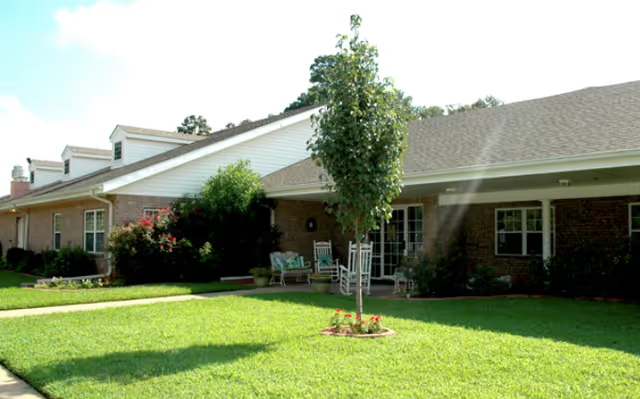
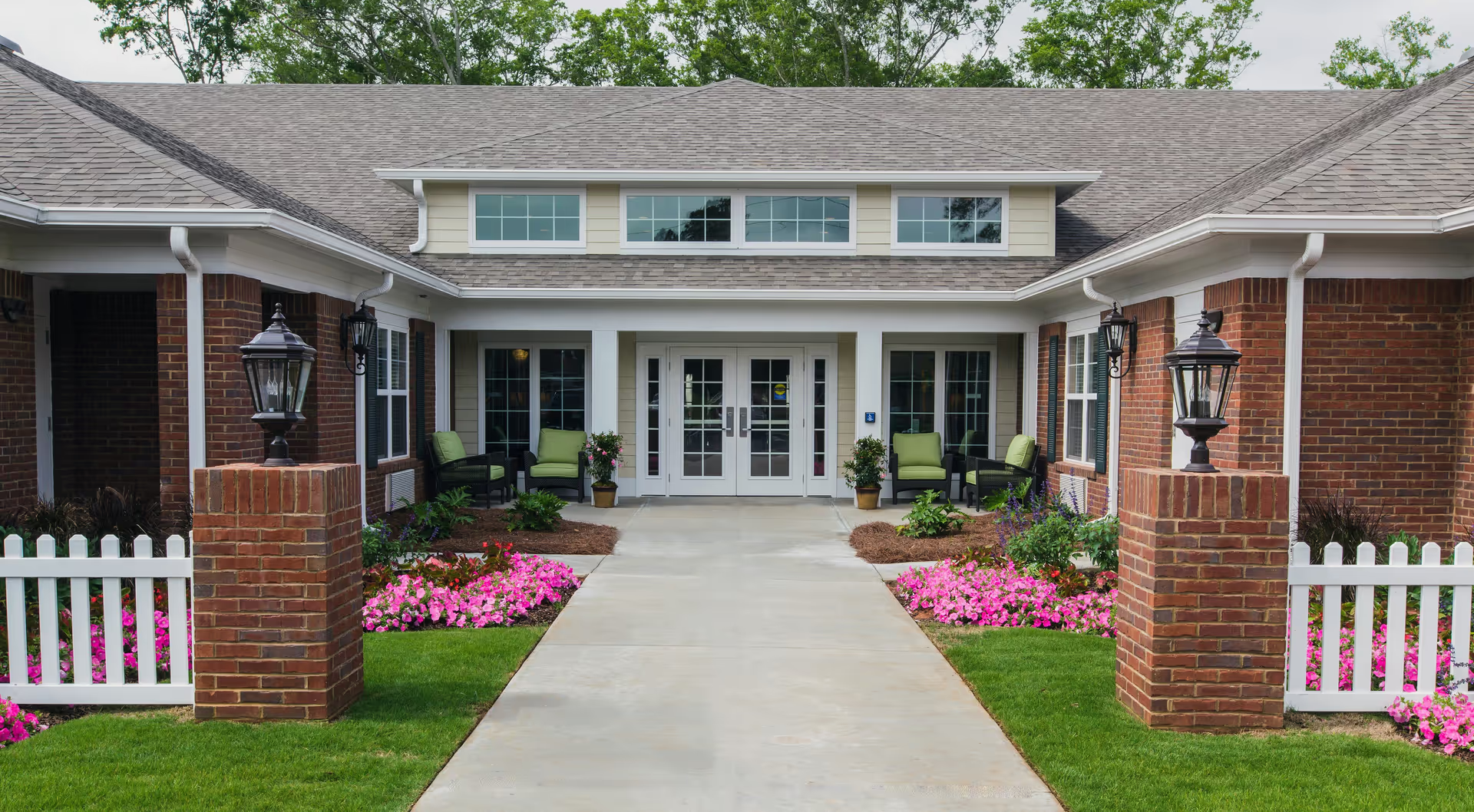
Staff and programming are among the facility's stronger areas. Reviewers emphasize an engaging activities program and a creative activities director who organizes events residents enjoy. Housekeeping and many interior-maintenance elements are viewed positively; multiple accounts describe clean, pleasant interior spaces and favorable impressions of food quality and nutrition, including weight gain for some residents. Administrative and marketing staff are generally described as accessible and helpful, and some accounts indicate that recent leadership changes have produced a perceptible improvement in atmosphere.
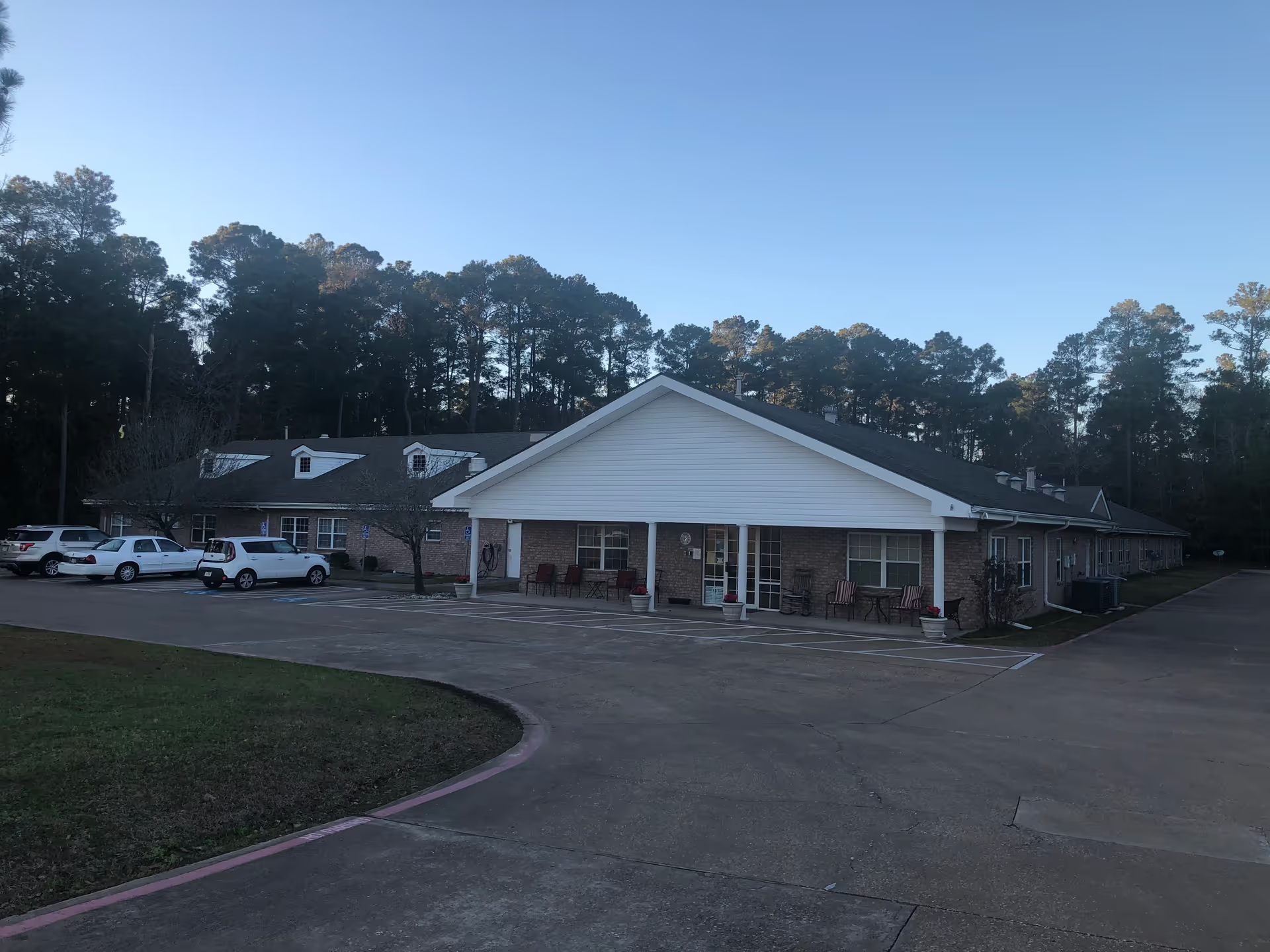
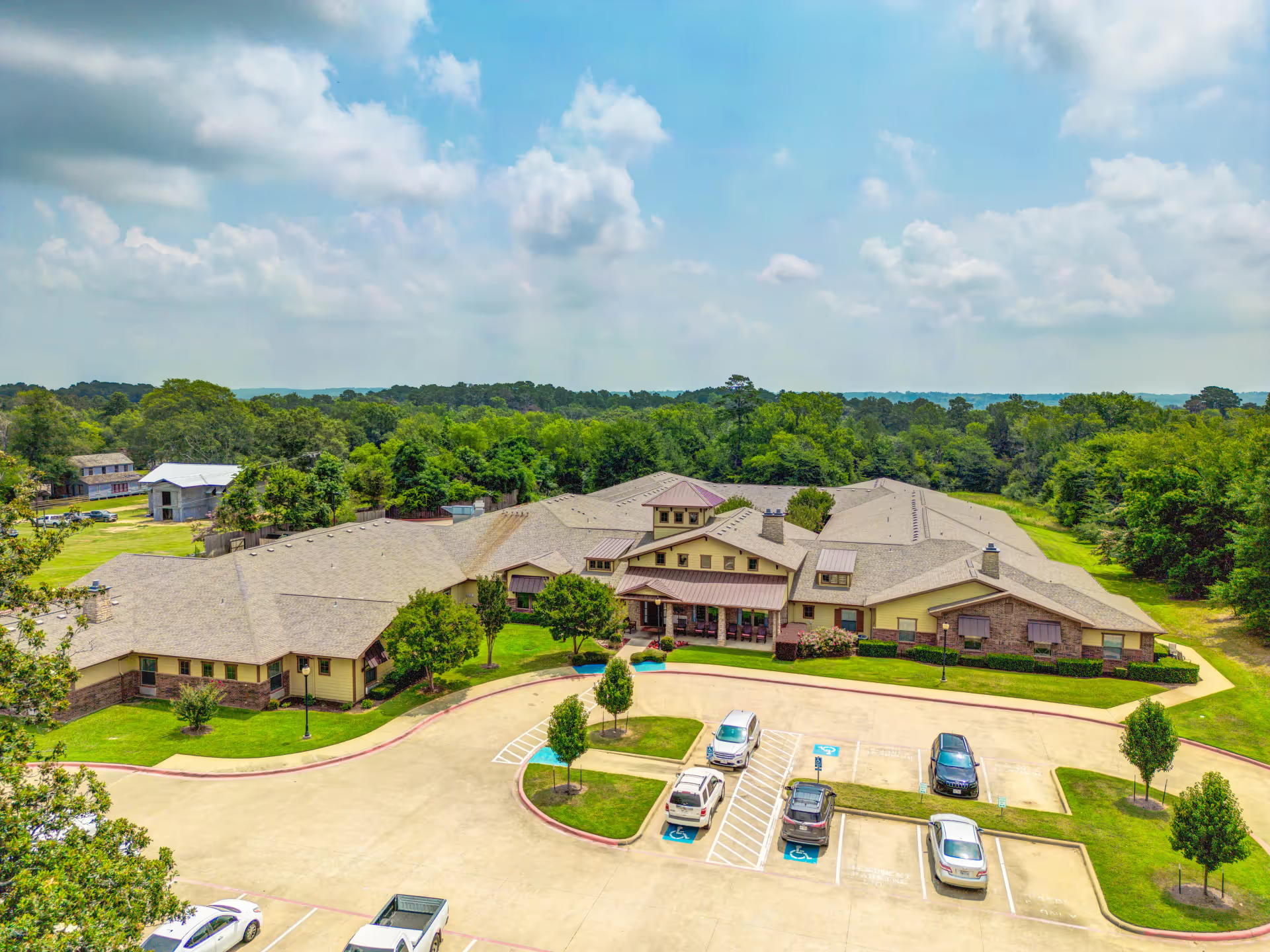
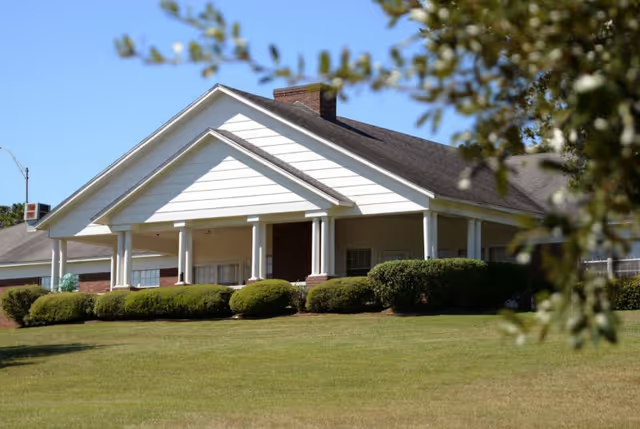
At the same time, several operational concerns recur across accounts. There are sanitation and pest-control concerns affecting parts of the property, together with reports of leaking ceilings and other maintenance lapses; these point to inconsistent facility upkeep beyond the well-maintained interior areas cited by other reviewers. Exterior issues such as driveway deterioration were also mentioned, suggesting grounds and exterior maintenance may need attention.
Clinical and conduct-related issues are the other primary area of concern. Some reviewers described delays or shortcomings in medical responsiveness and follow-up care, and there are indications of weaknesses in resident-handling and transport procedures that could affect safety during transfers or off-campus transport. In a few accounts the tone and professionalism of frontline staff were described as inconsistent, which can affect family trust even when clinical care is adequate. Administrative turnover was noted; while some families saw improvement after leadership changes, turnover may contribute to uneven practices and continuity challenges.
For prospective residents and families, the pattern suggests a facility with strong caregiving and programming in many units, but with pockets of operational inconsistency that warrant targeted questions. Recommended due diligence includes an on-site visit to inspect interior and exterior maintenance, asking about current pest-control measures and recent repairs, reviewing clinical oversight and incident-response protocols (including transfer/transport training), and discussing leadership stability and staffing levels. These steps can help determine whether the facility’s strengths align with a prospective resident’s priorities and whether management has addressed the operational gaps highlighted by other families.