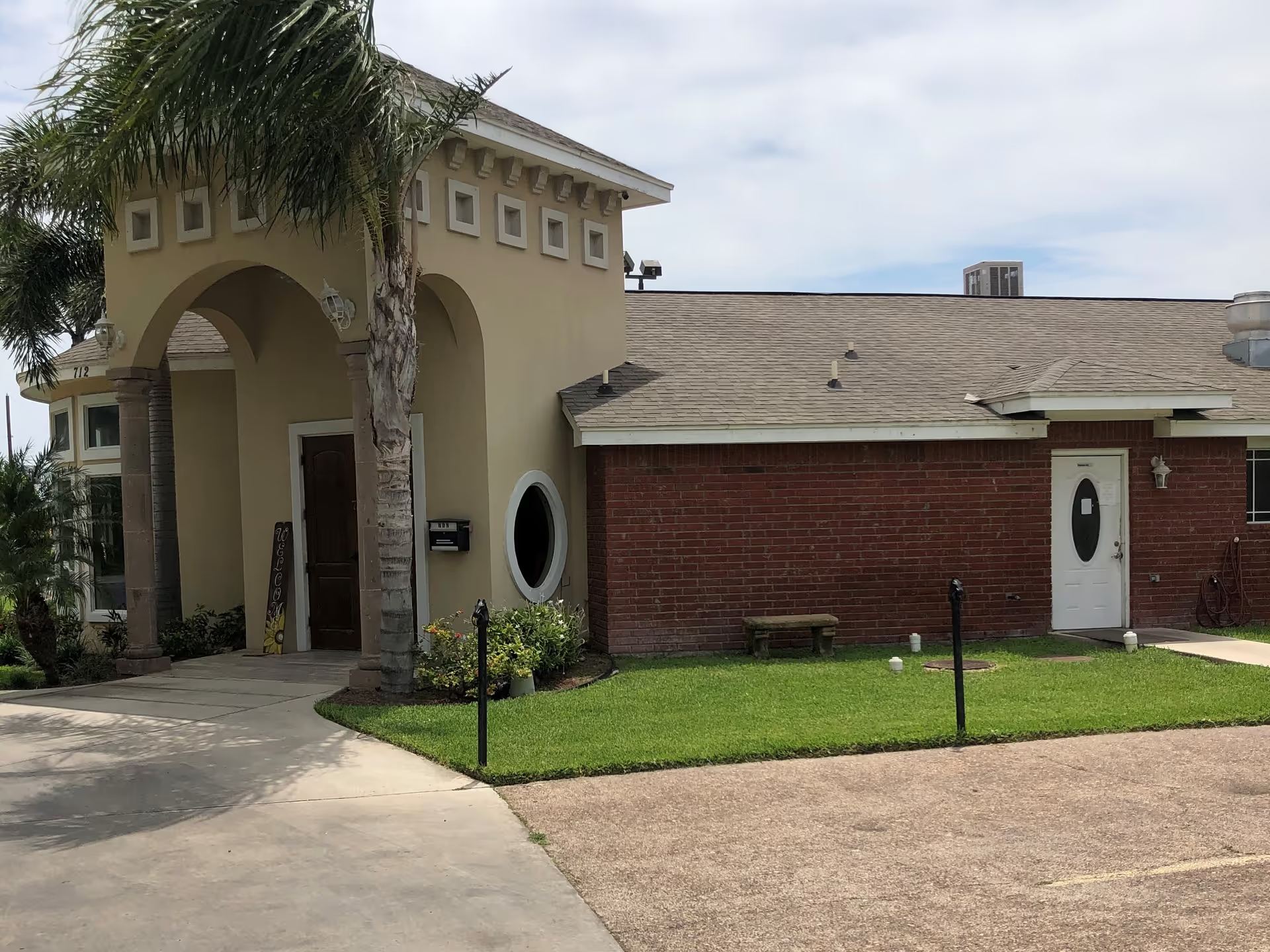
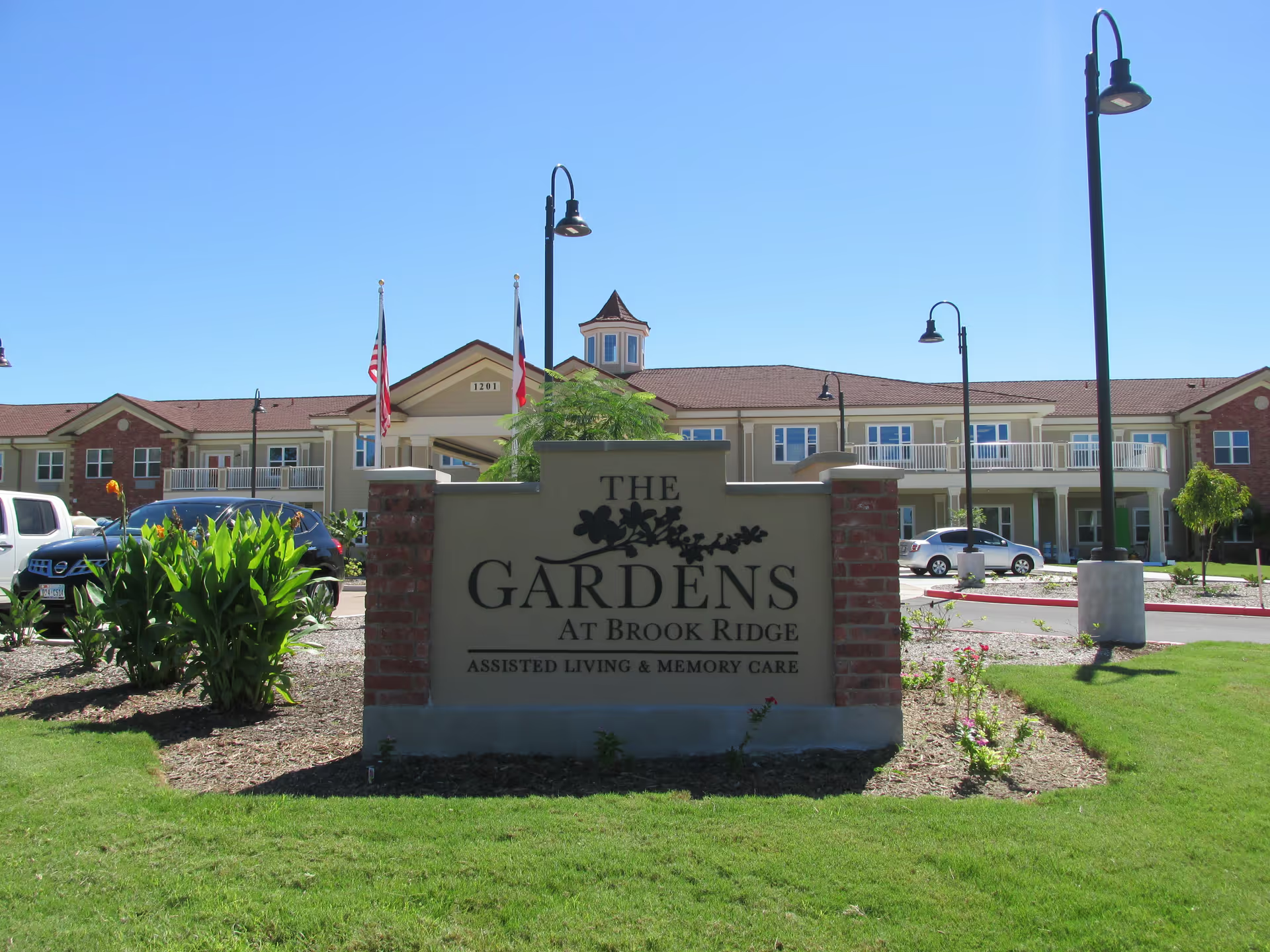
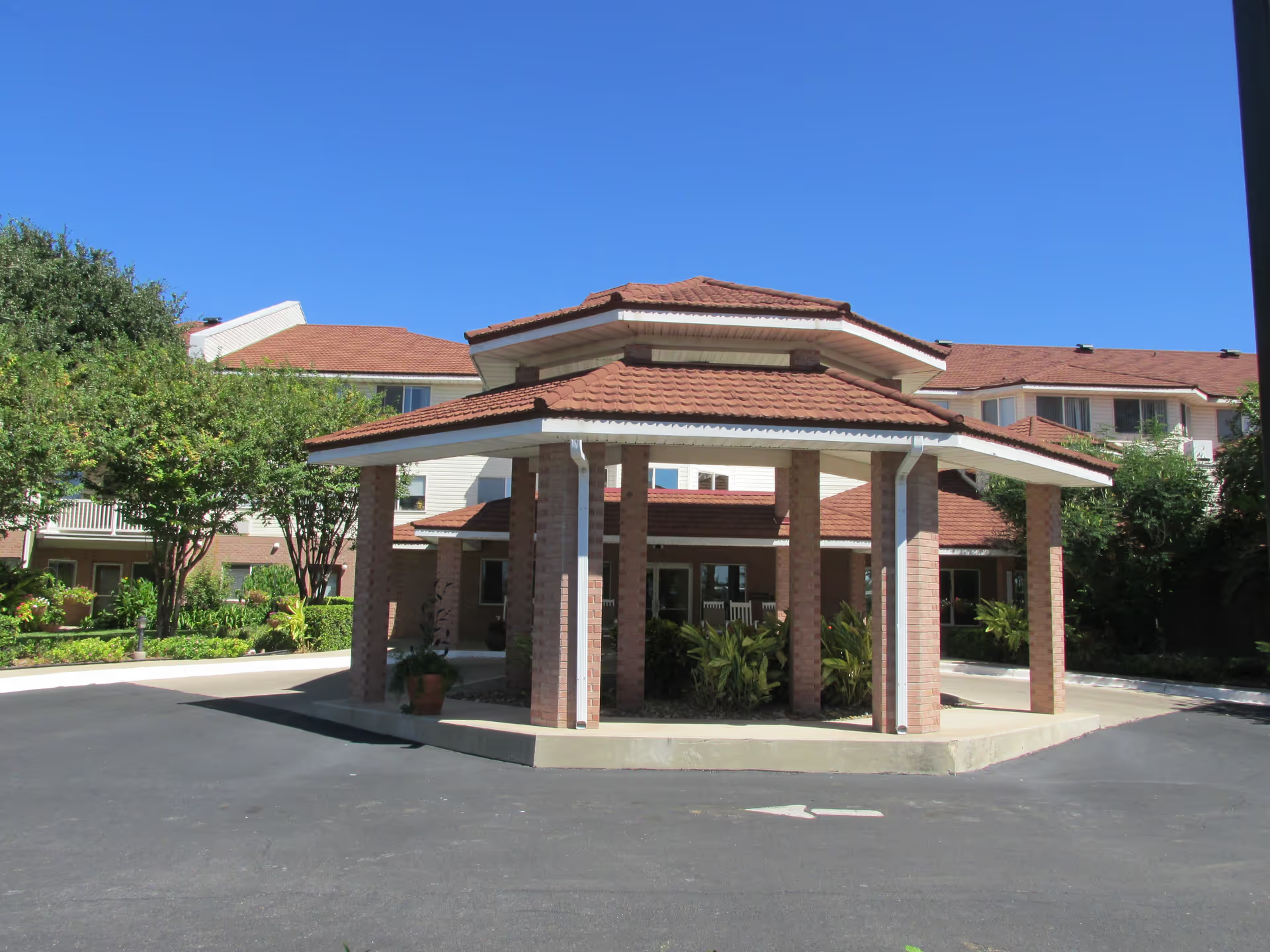
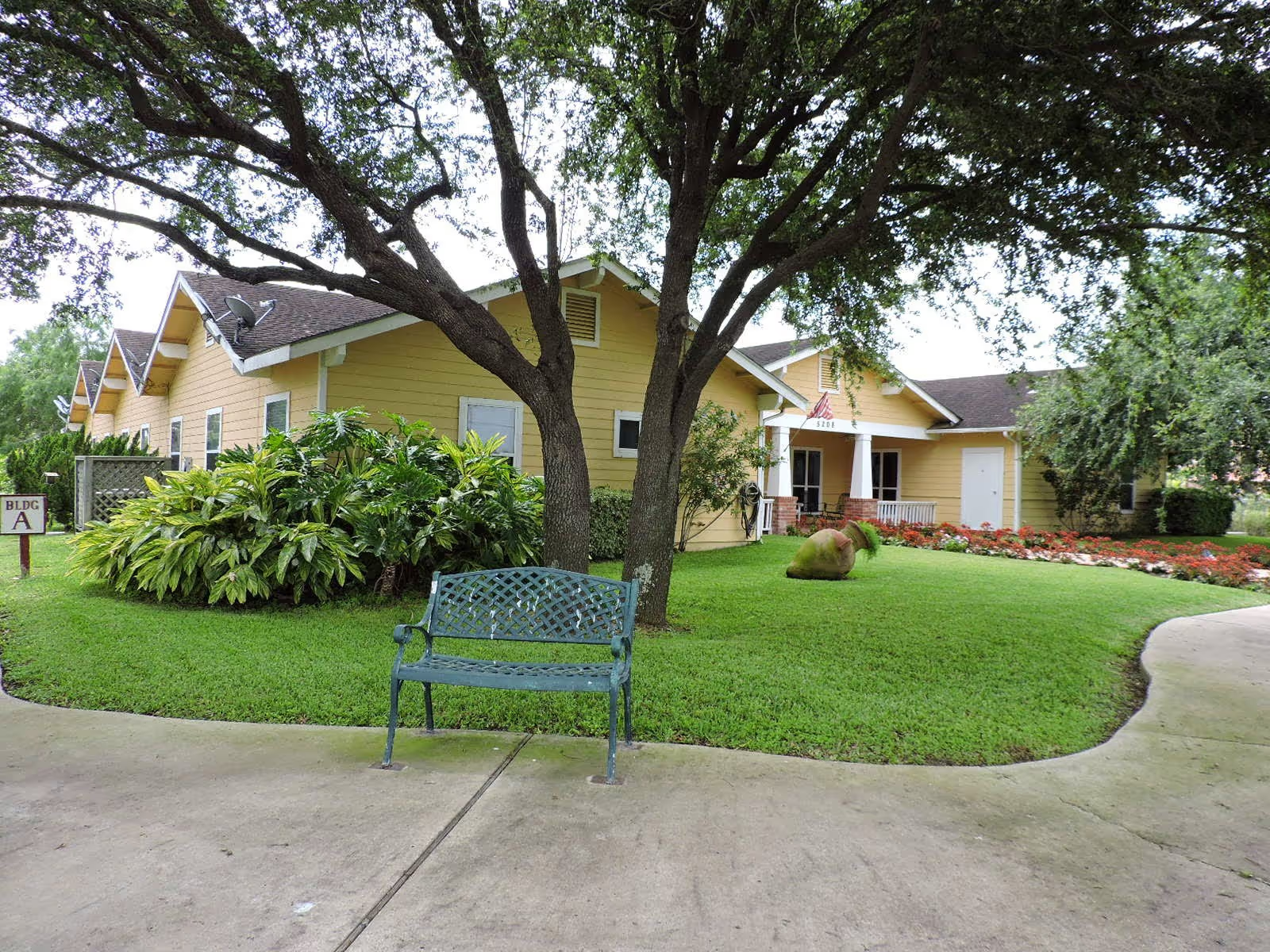
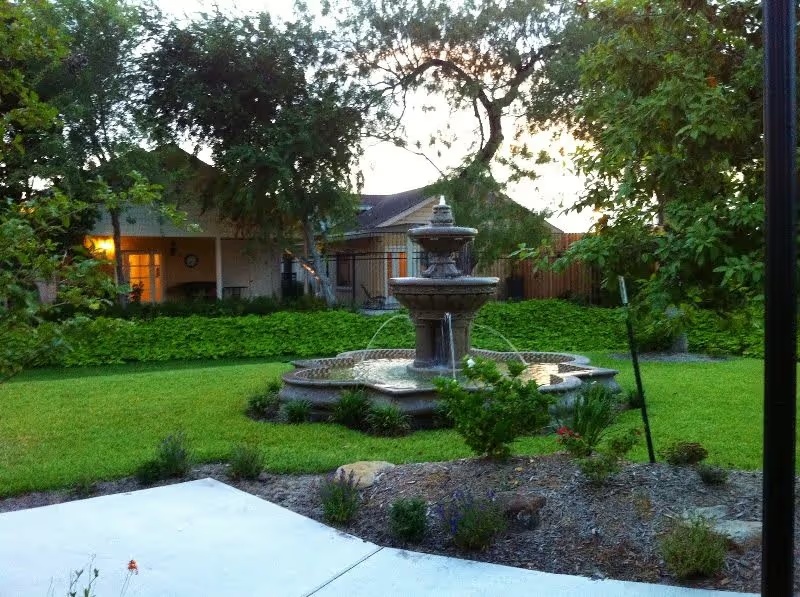
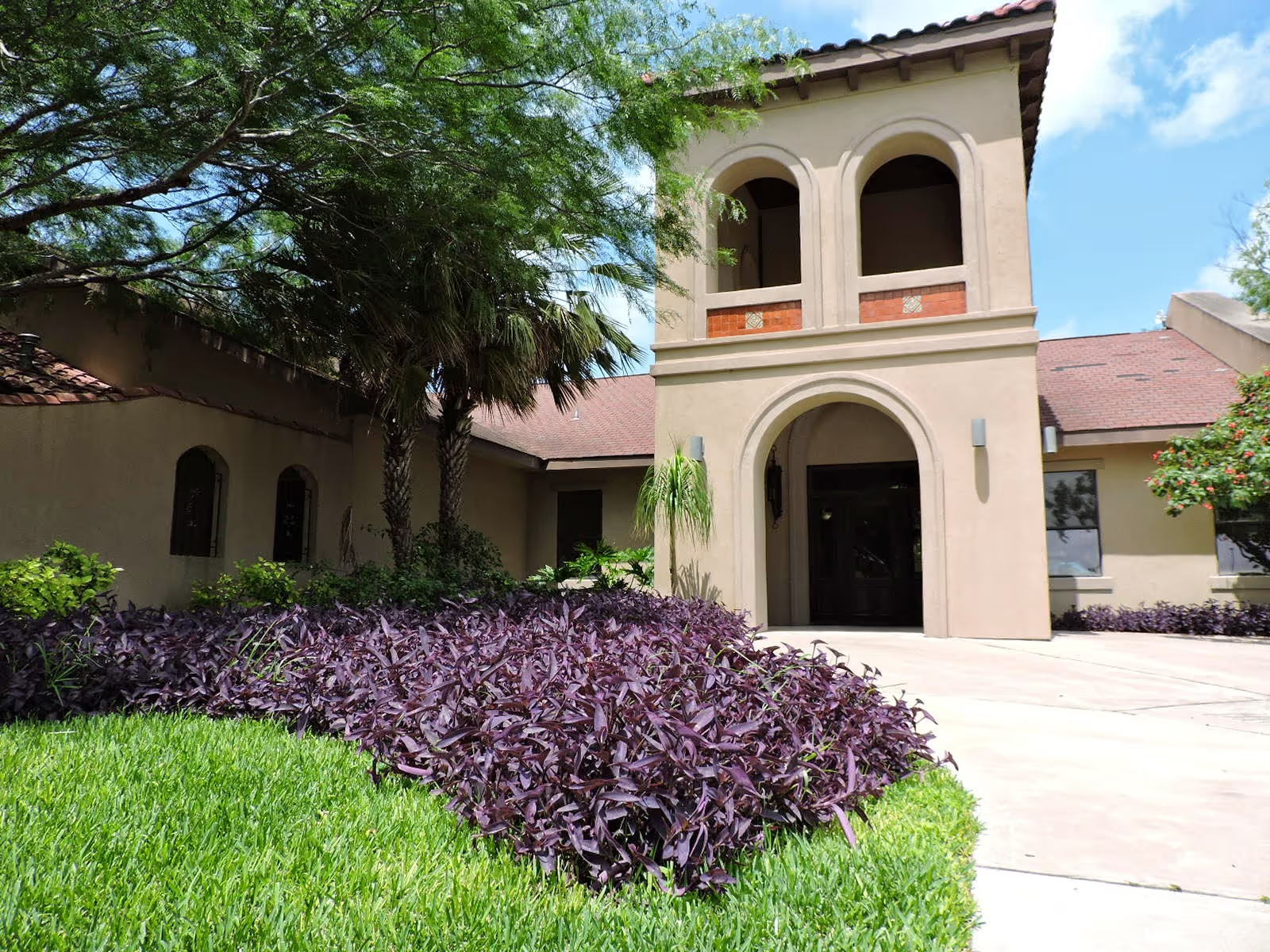
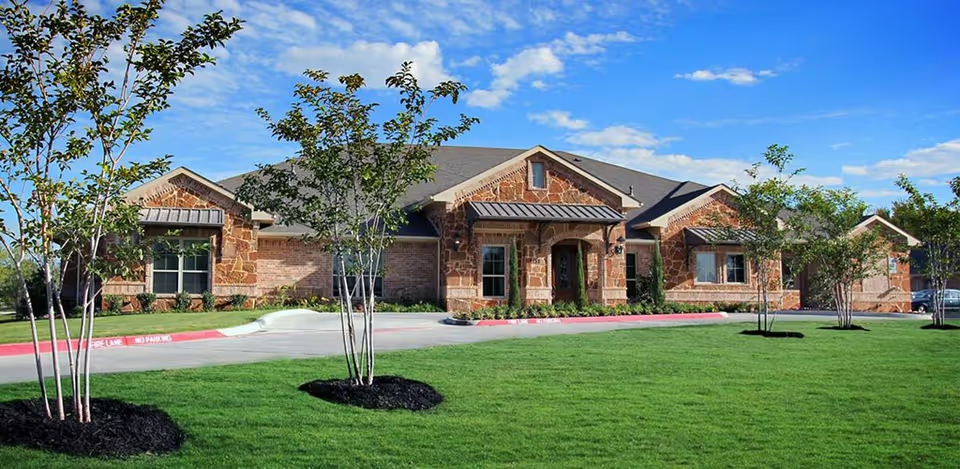
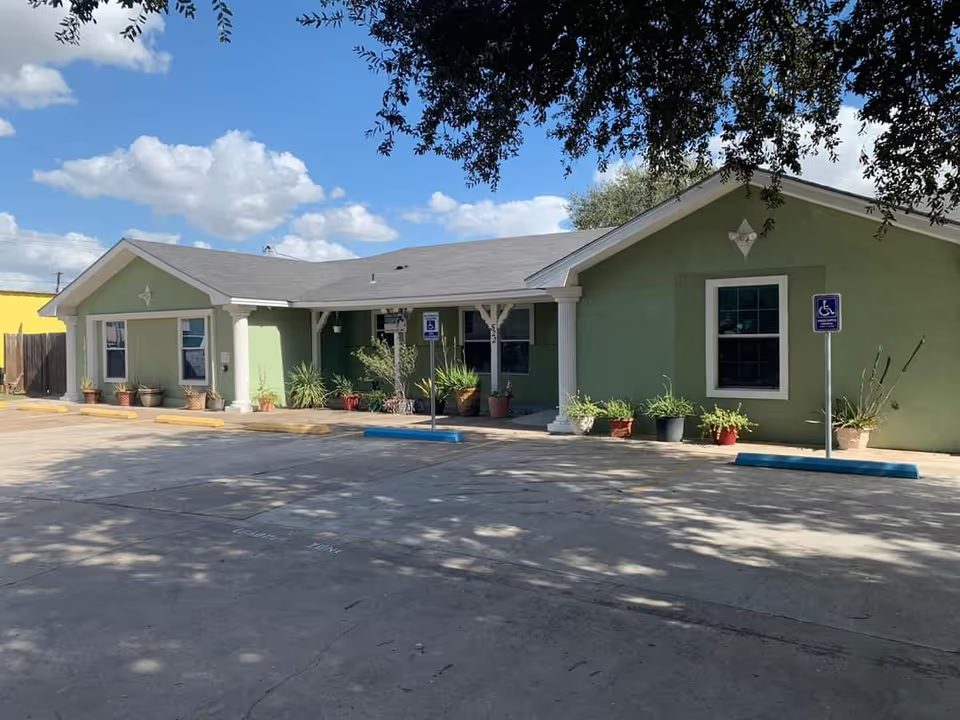
Overall impression: Reviews present a mixed but predominantly positive view of the facility, with consistent praise for its veteran-centered mission, friendly staff, and well-kept physical environment. Many visitors and families describe a clean, bright building with attractive communal spaces, on-site amenities (library, barbershop, café), and a visible effort to honor veterans through events and décor. Admissions and social-work staff receive frequent positive mention for helpful orientation and transition assistance.
Care quality and staff: Clinical care descriptions vary. Numerous accounts highlight compassionate, attentive caregivers, effective physical therapy programs, and an organized psychiatric unit with adequate staffing. At the same time, there are important accounts of inconsistent clinical responsiveness, delayed escalation of medical issues, and uneven nursing competence across shifts. These divergent experiences suggest generally strong interpersonal care but operational variability in clinical processes and training. Several families reported satisfactory communication from administrators and social workers, while others cited difficulty obtaining timely updates or clarity after incidents.
Dining and activities: Dining receives mostly favorable remarks for home-style, freshly prepared meals, appetizing selections, and convivial dining rooms; some reviewers specifically praised soups and daily menu variety. However, other accounts describe inconsistent food quality and presentation. The activities program is often described as active and veteran-focused, with director-led events, outings, music, religious services, and volunteer partnerships. A common request is for expanded weekend programming and more frequent community outings for residents who seek additional stimulation.
Facilities and safety: The building layout and upkeep earn positive notes — well-ventilated rooms, pleasant landscaping, and large shared spaces. Yet some reviews describe localized sanitation and odor concerns, cleanliness lapses in particular units or bathrooms, and occasional safety-hazard oversights such as wet floors without visible warnings. Navigation in the larger facility can be challenging for visitors and new residents. Overall, the physical plant appears well-maintained on the whole but shows variability in housekeeping and environmental-safety attention in parts of the campus.
Management and operations: Management and administrative staff receive both commendation for responsiveness and criticism for rigidity. The admissions process and certain administrators are described as attentive and helpful. Conversely, critics note inflexible visitation policies in some situations, difficulties in recovering missing personal items, and a perceived inability to implement corrective improvements quickly. These operational gaps point to weaknesses in property controls, consistent enforcement of safety procedures, and family-facing policy flexibility.
Notable patterns and recommendations: A clear strength is the veteran-focused culture and many staff who demonstrate respect and engagement. The principal patterns of concern are variability — in clinical responsiveness, staff training, cleanliness in specific areas, and operational consistency. Prospective residents and families should consider an in-person tour that includes the resident unit, memory-care areas, dining service at mealtime, and a review of the activity calendar. Ask about staffing ratios by shift, clinical escalation protocols, property-loss safeguards, weekend programming, and visitation exceptions. These targeted inquiries can help determine whether the facility's strengths align with an individual veteran's care needs and family expectations.