The reviews of Grand Terrace Rehabilitation and Healthcare describe a facility with notable clinical strengths alongside operational inconsistencies. Clinically, the facility is repeatedly praised for its rehabilitation program (PT/OT/SLP), strong respiratory services including 24/7 respiratory-therapist availability, and the ability to provide bedside dialysis and other high-acuity interventions. Families and referral sources frequently highlight effective wound care, therapy-driven functional gains, and successful discharge planning that enabled many residents to return home.
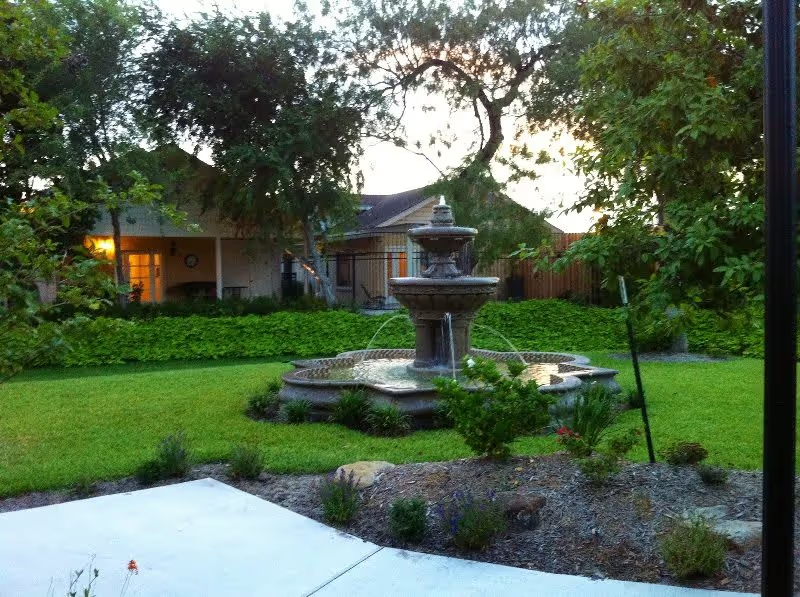
Staff interactions are a prominent positive theme: many reviewers describe nurses, CNAs, therapists, and case managers as compassionate, attentive, and proactive. Several named staff and leaders were singled out for above-and-beyond service, and the business office and case-management teams received multiple mentions for helpful insurance and Medicaid assistance. The activities program is another strength — reviewers note an engaged activities director, varied programming, and a warm, home-like atmosphere that residents and families appreciate. Dining is generally characterized as home-style and accommodating of dietary needs.
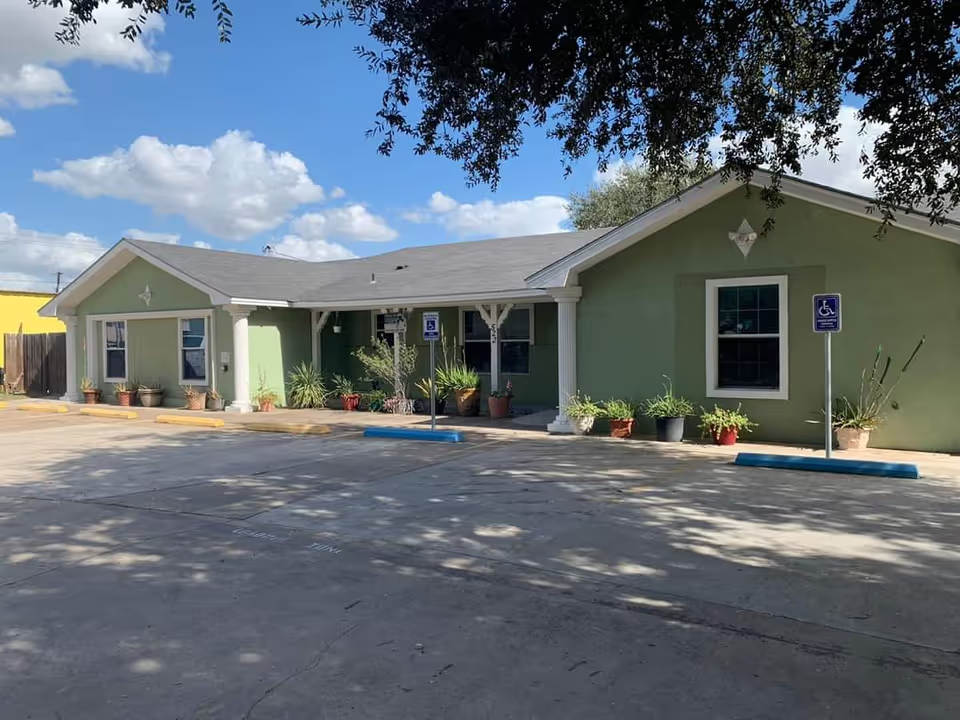
Notwithstanding these strengths, a consistent pattern of operational concerns appears across reviews. Staffing variability — especially during nights and weekends — is linked to delayed responses to call lights, limited therapy availability on certain days, and perceptions of uneven attention. Equipment availability and maintenance gaps were described, including lift or mechanical-device shortcomings and limited wheelchair access, which can affect mobility and transfer safety. Communication gaps between administration and families, and inconsistencies between advertised services and what families experienced, also recur as practical concerns.
A subset of reviews raises more serious issues that warrant direct follow-up during any tour or placement discussion. These include concerns about medication-management processes and about property control or financial handling; such allegations should be investigated with facility leadership and, when appropriate, corroborated through documentation or regulatory channels. Families should also ask for specifics about staffing levels by shift, weekend therapy schedules, equipment maintenance protocols, and emergency-response procedures.
In summary, Grand Terrace appears to offer strong clinical capabilities — particularly in rehabilitation, respiratory therapy, and wound care — and many families report positive, caring interactions with staff and effective case management. Prospective residents and families should balance these clinical strengths against operational variability by asking targeted questions about staffing consistency, equipment readiness, medication oversight, family communication, and safeguards for resident belongings and finances before making placement decisions.