The reviews for Windsor McAllen present a mixed but distinct pattern: many families and residents praise the facility’s therapy, activities, and day-to-day caregiving, while others raise operational concerns that relate to staffing, documentation, and clinical oversight. Strengths commonly described include attentive nursing and CNA support, effective physical/occupational therapy with documented functional gains, a warm, home-like environment, and an active activities program that includes spiritual options and arts-and-crafts. Several reviewers specifically noted positive outcomes such as wound improvement, regained range of motion, weight gain, and consistent engagement under the therapy and activities teams.
Care quality appears variable. Positive accounts describe responsive, compassionate caregivers and measurable rehabilitation outcomes. Conversely, negative accounts emphasize delayed response times to assistance requests, inconsistent nursing competency for clinical procedures, and examples of documentation that are incomplete or informal. There are repeated indications of gaps in wound-care consistency and infection-control practices; some families experienced satisfactory wound healing under therapy interventions, while others described lapses that required additional attention. Multiple reviews also noted limited physician presence on-site, which contributes to perceptions of inconsistent medical oversight.
Staff and management impressions are similarly mixed. Many reviewers commend individual staff members — administrators, social services personnel, therapists, and long-tenured CNAs — as professional, helpful, and family-focused. These strengths support continuity of care and positive family communication for some residents. At the same time, other families reported unprofessional or brusque interactions with administrative or business-office staff and described abrupt discharge or transfer practices. These differences suggest variability in staff communication style and in how administrative policies are applied.
Dining and nutrition receive both praise and criticism. Positive comments cite palatable meals, accommodating kitchen staff, and thorough meal documentation that supported weight gain for some residents. However, other reviewers raised concerns about the nutritional balance of certain meals and instances of inconsistent meal provision. Given the range of accounts, prospective families should review sample menus and ask about dietary accommodations and daily meal auditing processes.
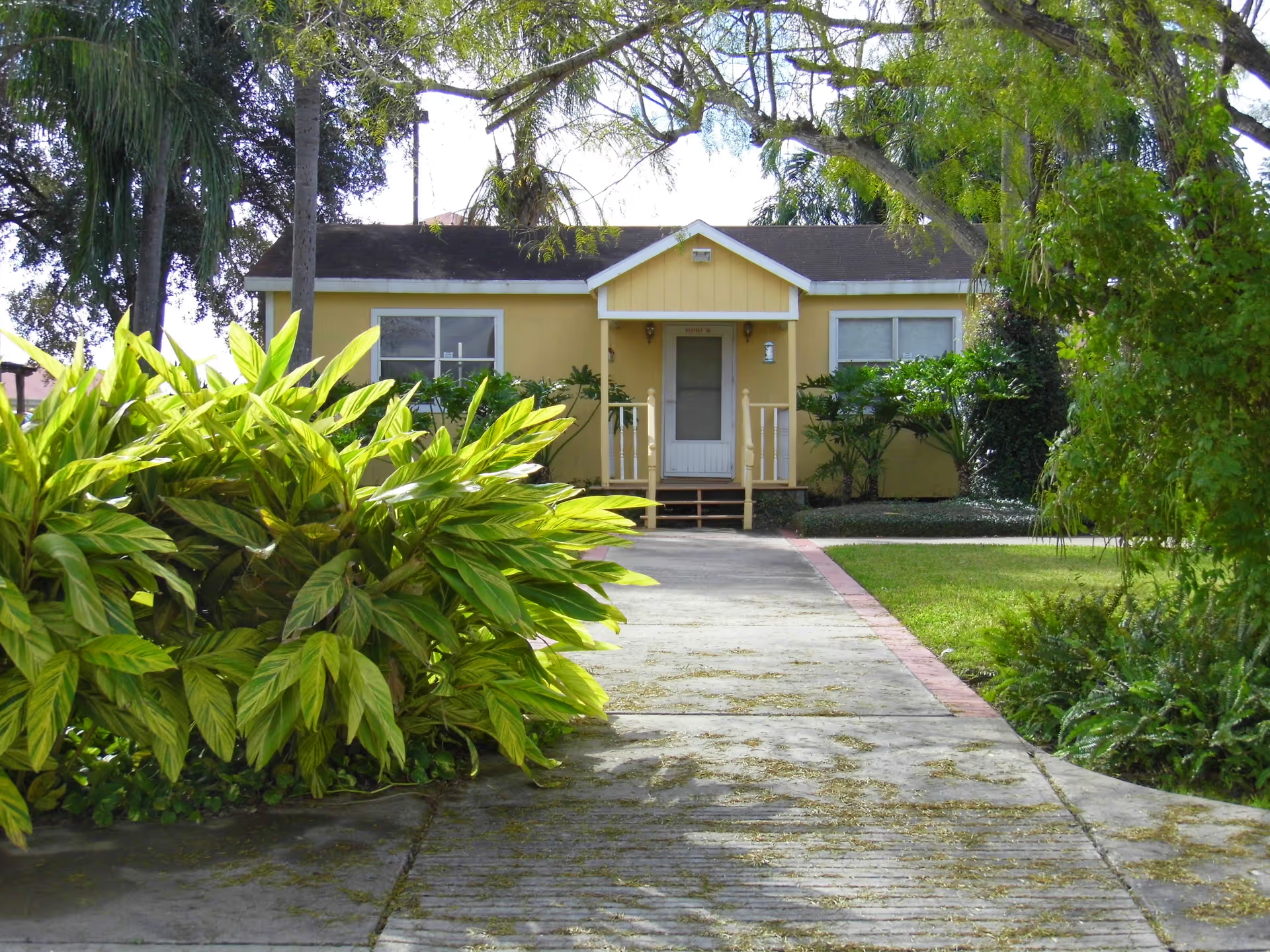
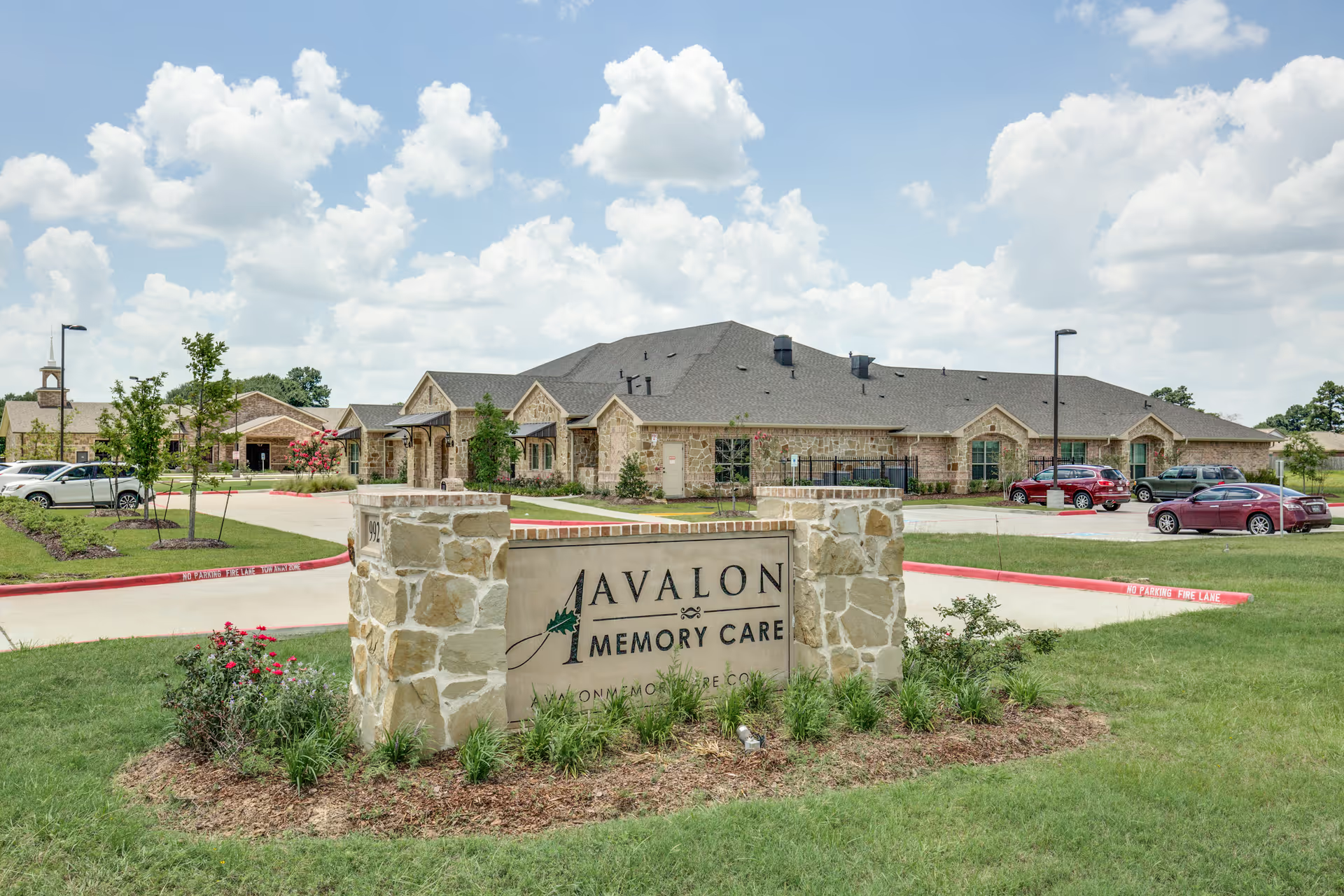
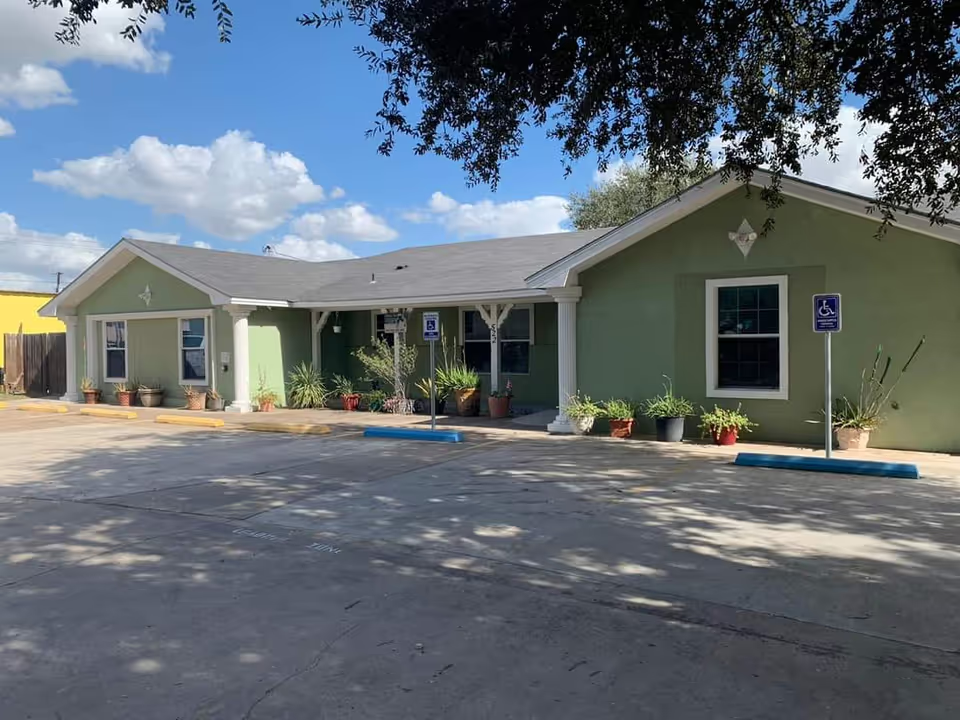
Facility and activity environment are generally described as clean, welcoming, and recently updated in parts (remodeled rooms, patio area), contributing to a peaceful atmosphere for many residents. Contrasting observations include sanitation and odor concerns in some common areas, incontinence-care delays for individual residents, and tight or congested hallways that may affect circulation and ease of movement.
Notable patterns for prospective residents and families to consider: (1) staffing levels and response-time expectations — ask about typical caregiver-to-resident ratios and call-light response metrics; (2) clinical oversight and documentation — request information on physician coverage, wound-care protocols, and how vitals/meal intake are recorded and audited; (3) communication and discharge practices — clarify administrative decision processes and notification timelines; and (4) nutrition and activities — review menus, therapeutic goals, and the activity calendar. Overall, Windsor McAllen demonstrates clear strengths in therapy, engagement, and individualized caregiving by many staff members, but there are recurring operational issues that warrant direct questions and a careful on-site evaluation before placement.